

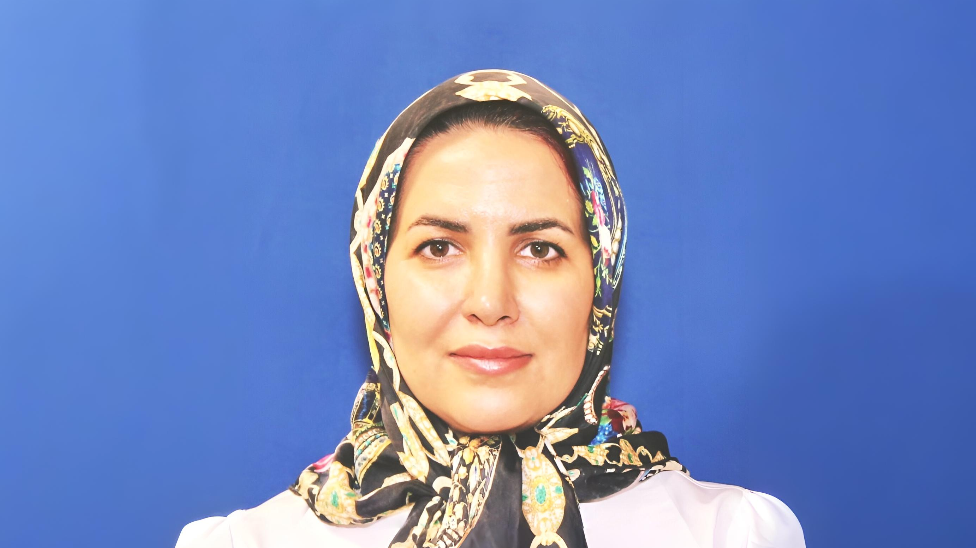
Tahereh Yavari: Antiphospholipid Syndrome — From Thrombosis to Thrombo-inflammation
Tahereh Yavari, Rheumatology fellowship at Tehran University of Medical Sciences (TUMS), shared a post on LinkedIn:
“Antiphospholipid Syndrome (APS): From Thrombosis to Thrombo-inflammation — A New Era of Understanding
For decades, APS has been defined by thrombosis and pregnancy morbidity linked to antiphospholipid antibodies.
But the 2025 review by Zhu et al. in Frontiers in Immunology reframes APS as far more than a prothrombotic disorder — it’s an immune-driven vascular disease sitting at the crossroads of coagulation, inflammation, and autoimmunity.
Key Pathophysiologic Insights
- aPL antibodies activate endothelial cells, platelets, monocytes, and neutrophils → amplifying tissue factor, complement, and NETosis.
- The result is thrombo-inflammation — intertwined activation of clotting and innate immunity.
- Recent work highlights the role of type I interferon signaling, oxidative stress, and metabolic reprogramming in sustaining vascular injury.
Therapeutic Shifts
- Classic vitamin K antagonists (e.g., warfarin) remain the standard of care.
- Direct Oral Anticoagulants (DOACs) are under investigation — promising convenience but still controversial, especially in triple-positive or arterial APS.
- The real frontier lies beyond anticoagulation:
- Targeting complement activation,
- Blocking NET formation,
- Modulating monocyte and endothelial activation.
- These approaches reflect a shift toward treating APS as a thrombo-inflammatory syndrome, not just a clotting disorder.
Clinical Takeaway
- Early recognition and integrated management are vital.
- Future APS therapy will likely combine precision anticoagulation + immune modulation, guided by biomarkers of vascular inflammation.
The question is no longer “Which anticoagulant?”
It’s becoming “How do we stop the inflammatory cascade that drives thrombosis?”
Zhu Q-N, Qi X-B, et al. Novel advances on pathophysiological mechanisms, clinical manifestations, and treatment of antiphospholipid syndrome. 2025.”
Stay updated with Hemostasis Today.
-
Sep 23, 2026, 16:04Monia Ezzalfani: Advancing Patient-Centered Care in Hemophilia A and B
-
Sep 23, 2026, 15:49Bilge Başak: How Activated PRP Modulates Osteoarthritic Chondrocyte Function
-
Sep 23, 2026, 14:50Mbonjo Bitsie Dora: Strengthening Sickle Cell Care Through Education, Awareness and Innovation
-
Sep 23, 2026, 13:58The New B12 Diagnostic Algorithm: From Serum Cobalamin to Functional Deficiency
-
Sep 23, 2026, 13:56Noha Soror: Preparing for Hematology and Medical Oncology Board Certification
-
Sep 23, 2026, 13:46Ugochi Ogu: What Can Platelet Proteomics Reveal about Pain and Neurocognitive Vulnerability in Sickle Cell Disease?
-
Sep 23, 2026, 13:42Melissa Hollo: Connecting Obesity and Anemia for Earlier Maternal Risk Intervention
-
Sep 23, 2026, 13:16Beverley Hunt: Advances in Haemostatic Management of Postpartum Haemorrhage
-
Sep 23, 2026, 13:13Ioanna Mela: Recruiting a Research Associate on DNA nanotechnology