


Avril Mansfield: Does Walking Asymmetry After Stroke Increase the Risk of Lateral Instability and Falls?
Avril Mansfield, Senior Scientist at Toronto Rehabilitation Institute, shared on LinkedIn about a recent article she and her colleagues co-authored, adding:
”People who have had a stroke often walk asymmetrically, but provided they can walk fast enough and long enough to complete daily activities, does it matter?
One possible problem is that asymmetry is related to lateral instability.
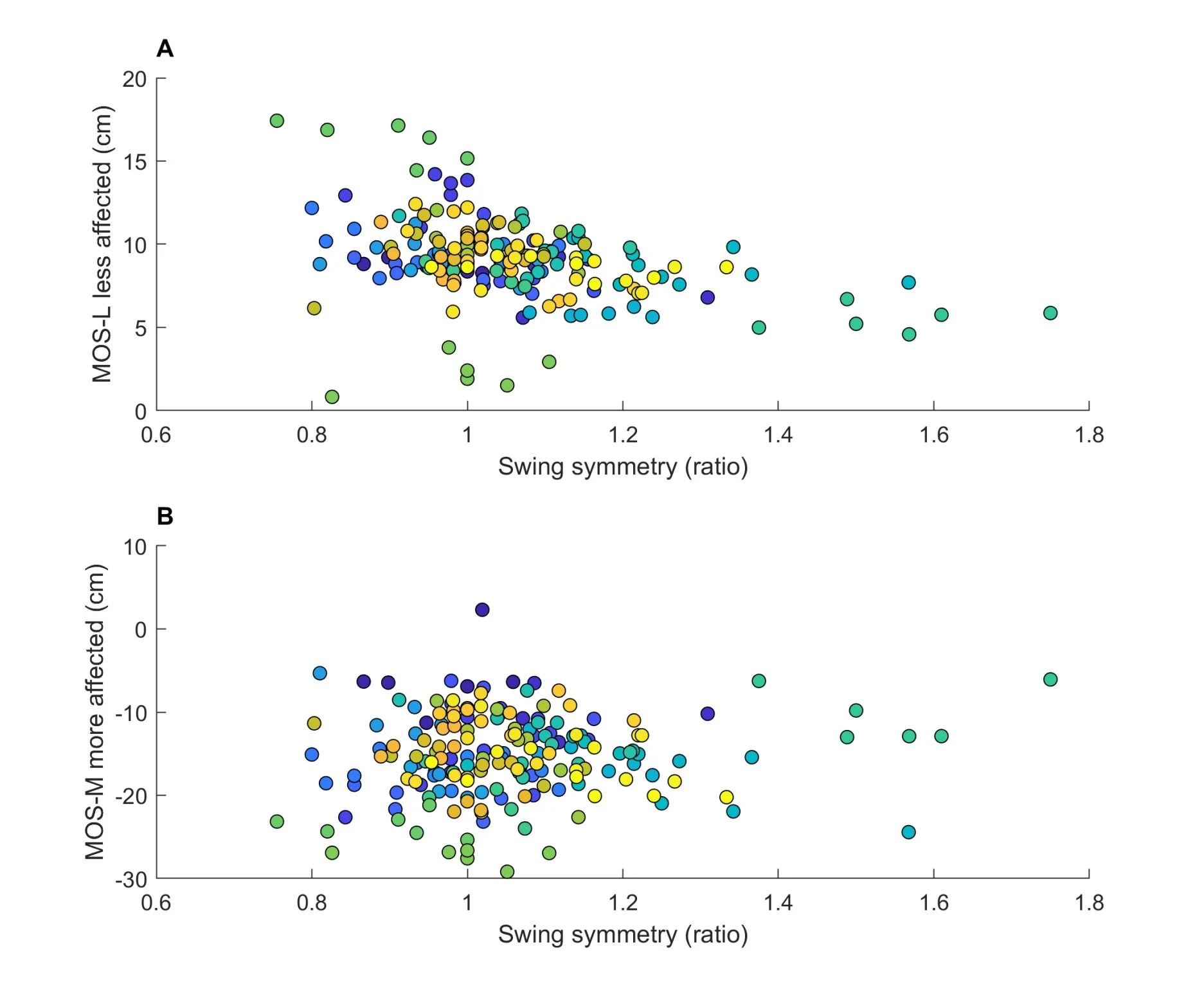
Rowan Staines looked at the relationship between gait asymmetry and lateral instability in people with sub-acute stroke.
She found that people who walked asymmetrically tended to be more unstable towards their less affected side, increasing the risk of losing balance and falling to that side.
Our previous research found that people who have had a stroke are also less able to take reactive steps with the more affected side, so falling toward the less affected side could be particularly challenging for recovering balance and avoiding falling.”
Title: The relationship between gait asymmetry and stability in people with sub-acute stroke
Authors: Rowan Staines, Kara Patterson, David Jagroop, Elizabeth Inness, Avril Mansfield
Read the Full Article on medRxiv
Stay updated on all scientific advances with Hemostasis Today.
-
Sep 30, 2026, 01:52Javed Anees: DADA2 – When a Young Stroke Is More Than a Stroke
-
Sep 30, 2026, 01:51How a Venous Thrombus Becomes Revascularized – ISTH
-
Sep 29, 2026, 22:45Victor Agunyego: Paracetamol – The Most Common Drug We Underestimate
-
Sep 29, 2026, 22:42Nova Sinclair: Advancing the Future of Hematology – Meet Our 2027 Organizing Committee
-
Sep 29, 2026, 22:41Lorenz Räber: Intracoronary Imaging in PCI – Why, When, How, and Which Modality?
-
Sep 29, 2026, 22:31Selma Turkovic: Pleased to Deliver the Opening Presentation at Kingston Hospital
-
Sep 29, 2026, 22:31Miguel Teran: Ultrasound and Simulation in Arterial Blood Sampling
-
Sep 29, 2026, 22:28Mohammad Refaei: Navigating Your Career in Hematology From Training to Practice
-
Sep 29, 2026, 22:27Matteo Foschi: 10 Clinical Pearls for Antithrombotic Therapy in Secondary Stroke Prevention