

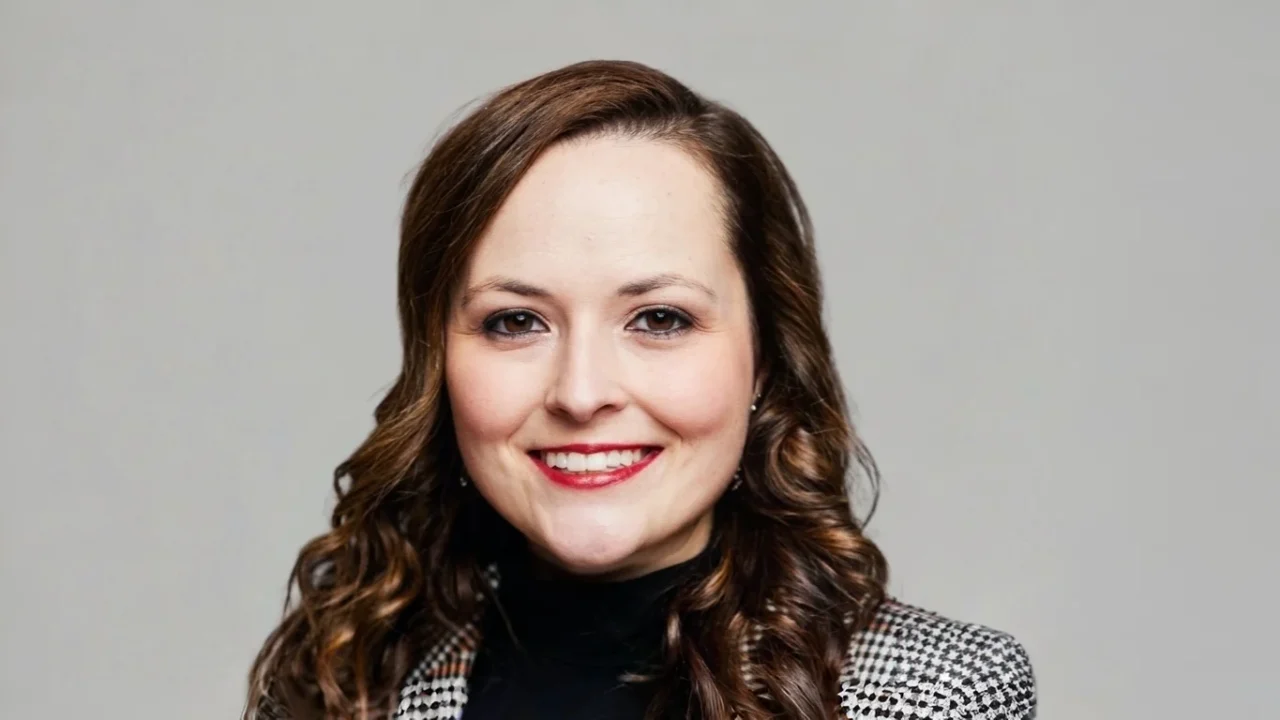
Caylynn Carls: Why Genetic Counseling Matters in Hemophilia Treatment
Caylynn Carls, Genetic Counselor at Baylor Genetics, shared a post on LinkedIn about a recent article she and her colleagues co-authored, published in Haemophilia, adding:
“I’m excited to share that our manuscript has been published in Haemophilia!
This project has been especially meaningful to me because it sits at the intersection of two things I care deeply about: genetic counseling and hereditary bleeding disorders.
As both a genetic counselor and someone living with a bleeding disorder, I’ve seen firsthand how genetics can impact diagnosis, treatment decisions, family planning, and access to care.
I am incredibly grateful to my co-authors, Sumedha Ghate, Stefanie Dugan, Radhika Sawh, and DeBran T., for their collaboration, expertise, and support throughout this project.
A special thank you to Erica Brock (Ropson) for her leadership and guidance during survey development; Michelle Alabek, whose vision and early contributions helped launch this research initiative; Dr. Lynn Malec, Dr. Ken Friedman (Versiti), Dr. Margaret Ragni, and Bruce Haas, for their valuable feedback; Elinor Langfelder Schwind, and Karen Siklosi Raraigh, whose work inspired this study; and Meg Bradbury, for sharing her research expertise and wisdom along the way.
We are also grateful to the National Society of Genetic Counselors Pediatric and Clinical Genetics Special Interest Group and the Hemophilia outreach of Wisconsin INC for supporting this work.
Our study examined genetic counseling services within U.S. Hemophilia Treatment Centers and found that while providers overwhelmingly recognize the value genetic counselors bring to patient care, many centers still lack access to genetic counseling expertise.
These findings highlight an important opportunity to improve consistency in care, increase access to genetic services, and advance healthcare equity for individuals and families affected by hereditary bleeding disorders.
Thank you to the editorial team and reviewers at Haemophilia Journal for the opportunity to contribute to this important conversation.
I’m proud to see this work published and hopeful that it will help support greater integration of genetic counselors within Hemophilia Treatment Centers and ultimately improve care for patients and families.
Author affiliations at the time research was conducted.”
Title: Utilisation and Perceived Value of Genetic Counsellors Within US Haemophilia Treatment Centres
Authors: Caylynn Carls, Sumedha Ghate, Stefanie N. Dugan, Radhika N. Sawh, DeBran A. Tarver

Stay updated on all scientific advances with Hemostasis Today.
-
Nov 8, 2026, 18:56Denis Oduor: Strengthening the Regulation and Delivery of Blood Transfusion and Transplantation Services
-
Nov 8, 2026, 18:28Raghavendra Rao: A Narrative Review on Chronic Venous Disease during Pregnancy
-
Nov 8, 2026, 17:57Dhiren Patel: PLD1-Derived Phospholipids Regulate NAD Kinase and ROS Production in Neutrophils
-
Nov 8, 2026, 17:48Andra T.: What Causes Antiphospholipid Syndrome? – Four Steps, not One Cause
-
Nov 8, 2026, 17:38Nasrin Samadi: Can a Normal Clotting Test Be Misleading?
-
Nov 8, 2026, 17:36Paschalis Evangelidis: The Multifactorial Nature of Cardiovascular Risk in People With Hemophilia
-
Nov 8, 2026, 17:32Evangelos Panagiotopoulos: Apixaban Reduces Stroke and Major Bleeding Risk in Secondary Stroke Prevention
-
Nov 8, 2026, 17:27Danny Gaskin: Applications Open for the BBTS Specialist Certificate in Clinical Transfusion Practice
-
Nov 8, 2026, 16:54James P. Crowley: DOAC Testing Under 50 ng/mL Safely Expedites Urgent Hip Fracture Surgery