

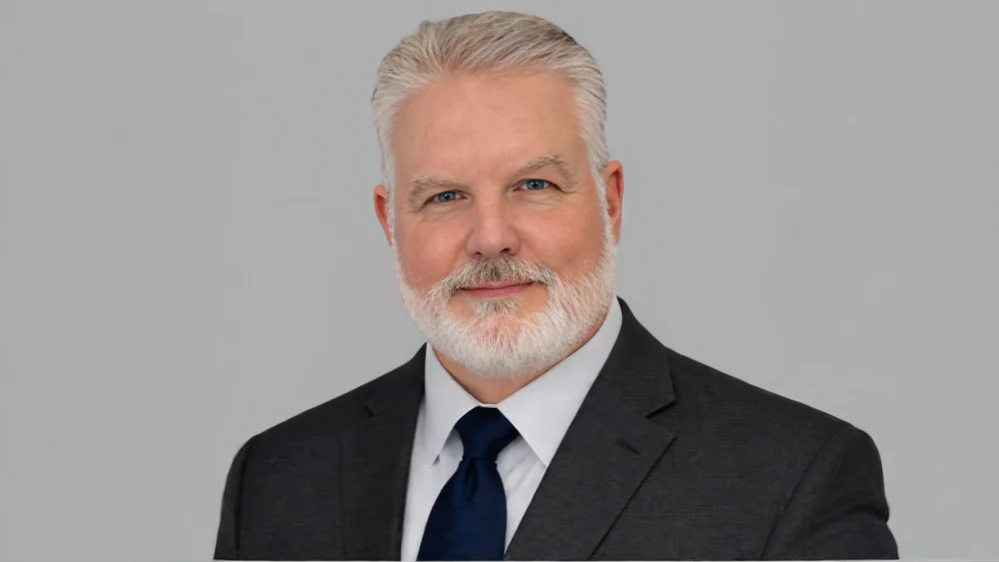
Edward Lee Carter։ Stroke Prevention Starts in the Emergency Department – but Doesn’t End There
Edward Lee Carter, Clinical Pharmacist Practitioner at U.S. Department of Veterans Affairs, shared Emergency Medicine News’s post on LinkedIn about a recent article by Baldwin, published in Emergency Medicine News, adding:
”One of the most important moments in stroke prevention may occur in the Emergency Department.
Atrial fibrillation is increasingly encountered during acute care encounters, but initiating anticoagulation is often only the beginning of the challenge.
In real-world practice, the long-term success of anticoagulation frequently depends on what happens after discharge:
- patient understanding
- renal function follow-up
- medication affordability/access
- transitions of care
- peri-procedural planning
- coordination between clinicians
Underdosing DOACs ‘for safety’ when criteria are not met is another important issue that deserves continued attention, as inappropriate dose reduction may reduce efficacy without meaningfully improving outcomes.
Anticoagulation management is rarely just about selecting a drug.
It is about building a safe, understandable, sustainable plan for the patient.
That is where interdisciplinary care—including physicians, pharmacists, nurses, and patients themselves—can make a tremendous difference.”
Quoting Emergency Medicine News’s post:
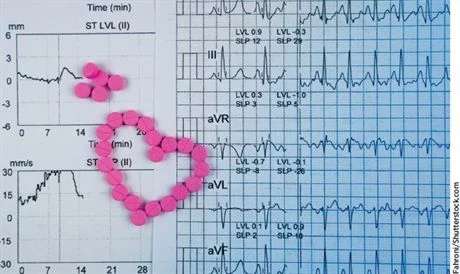
”Atrial fibrillation is rising in the ED and early anticoagulation is one of the most impactful ways to prevent stroke. Current guidelines emphasize CHA₂DS₂‑VASc–based decisions, DOACs over warfarin, and correcting bleeding risks rather than withholding therapy.
Avoid underdosing (it raises stroke risk nearly 5 times), ensure patients understand their regimen, and remember: all cardioversion patients need at least 4 weeks of anticoagulation, regardless of method or timing.
ED clinicians are uniquely positioned to start stroke prevention at the moment it matters most.”
Title: Anticoagulation Strategies for Stroke Prevention in Atrial Fibrillation
Authors: Baldwin, Kendall PharmD Candidate, Hile, Kaitlin PharmD, BCCP, Hile, Garrett PharmD, BCEMP, BCCCP, Howington, Gavin T. PharmD, BCCCP, BCEMP
Stay updated on all scientific advances with Hemostasis Today.
-
Oct 15, 2026, 07:39Sian James: Welsh Blood Service Research Showcases Innovation and International Collaboration in Transfusion Medicine
-
Oct 15, 2026, 07:16Ruhi Mehra: Advancing Modern Transfusion Medicine Through Collaboration and Continuing Medical Education
-
Oct 15, 2026, 07:08Muhammet Özbilen: Iron Deficiency Beyond Hemoglobin Exploring Mitochondrial and Metabolic Dysfunction
-
Oct 15, 2026, 06:44Ahlem Slama: World Thrombosis Day 2026 Lighting Up Heritage to Raise Awareness
-
Oct 15, 2026, 06:32Joshua Muia: World Thrombosis Day 2026 Highlights Research on Tissue Factor and Blood Coagulation
-
Oct 14, 2026, 20:36How Does Inflammation Reshape Red Blood Cell Production? – ASH
-
Oct 14, 2026, 20:30Marilena Vrana: Putting Faces to the Chain – Donors and Patients Connect in Milan for IPAW 2026
-
Oct 14, 2026, 20:25Asim Alam: Hillsborough County and Partners Demonstrate Drone-Based Emergency Blood Delivery
-
Oct 14, 2026, 20:19Zahid Khanzada: 3rd Position in the Hematology Quiz at PCUH