

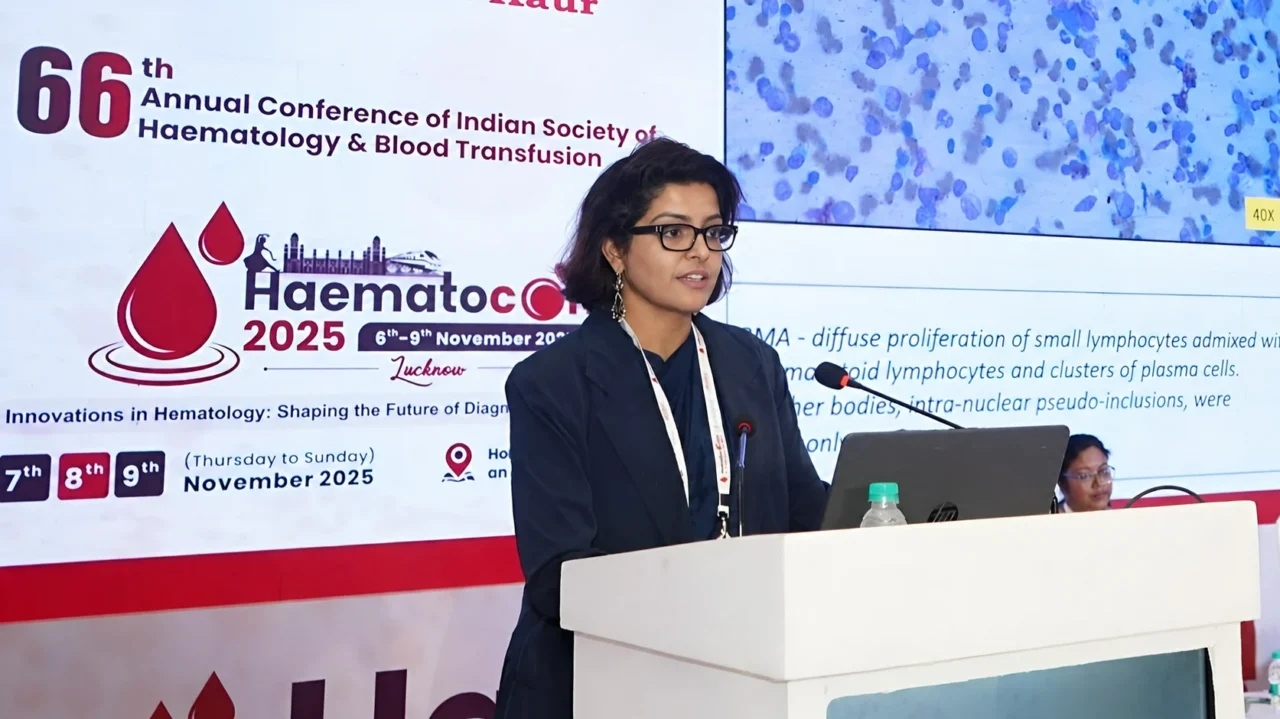
Gurpreet Kaur Sagoo: Why Thalassemia Is Hard to Diagnose
Gurpreet Kaur Sagoo, Professor at Armed Forces Medical College, shared a post on LinkedIn about a recent article she and her colleagues co-authored, published in Medical Journal Armed Forces India, adding:
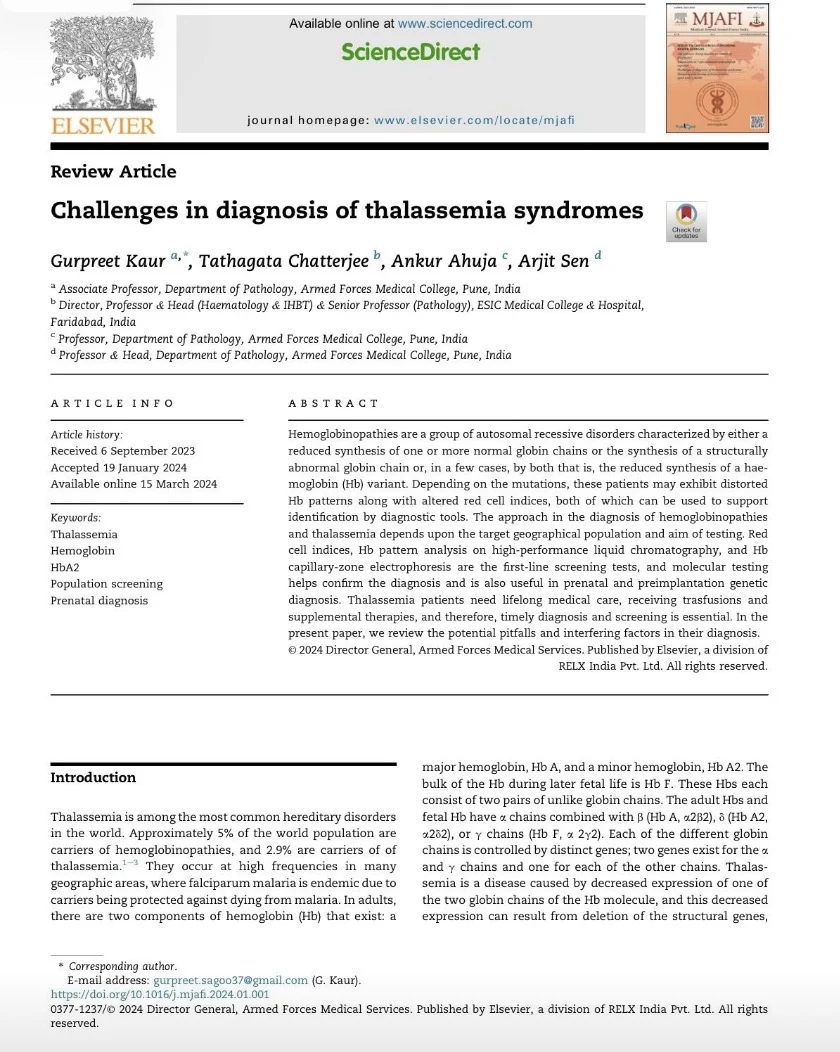
“Diagnosing thalassemia syndromes presents several key challenges due to overlapping symptoms, technical limitations in testing, and genetic complexities.
Screening Methods
Initial tests like red cell indices, high-performance liquid chromatography (HPLC), and capillary-zone electrophoresis (HbCZE) serve as first-line tools but often miss subtle cases.
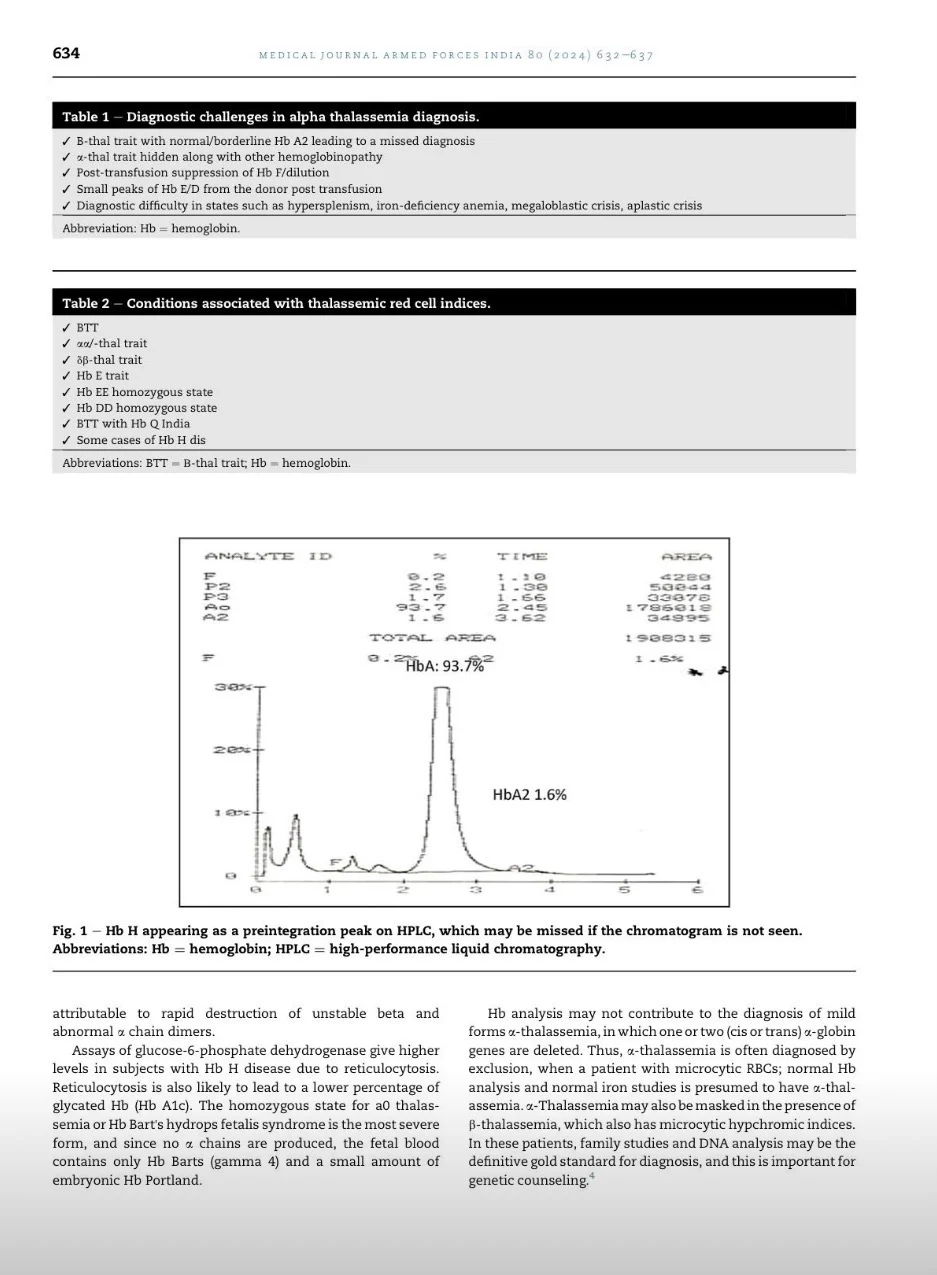
For instance, β-thalassemia trait may show normal or borderline Hb A2 levels, especially with co-inherited α-thalassemia or concurrent mutations.
Technical Pitfalls
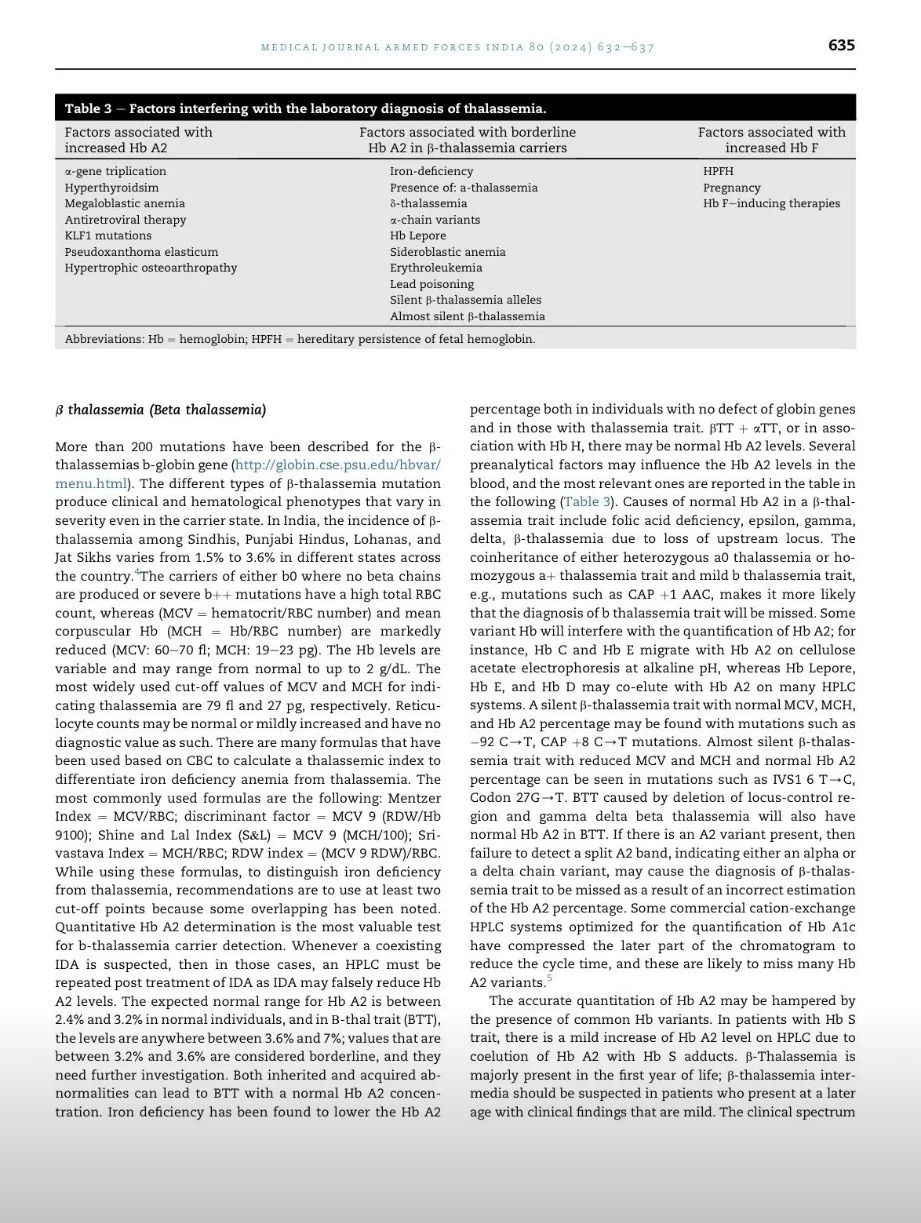
HPLC systems optimized for Hb A1c can overlook Hb H, Hb Barts, or Hb A2 variants due to compressed chromatograms or early elution peaks. Post-transfusion effects, such as suppressed Hb F or donor Hb peaks, further complicate patterns, while conditions like iron deficiency or hypersplenism alter indices.
Genetic Factors
Silent traits, such as α-thalassemia hidden in hemoglobinopathies or rare coinheritances (e.g., β-mutation with α-globin triplication), evade standard analysis.
Next-generation sequencing (NGS) addresses these but faces high costs and limited availability.
Clinical Implications
Timely diagnosis is critical for lifelong management, including transfusions, yet missed cases delay prenatal or preimplantation testing. Population-specific approaches and comprehensive testing reduce errors.”
Title: Challenges in diagnosis of thalassemia syndromes
Authors: Gurpreet Kaur, Tathagata Chatterjee, Ankur Ahuja, Arjit Sen
Stay updated on all scientific advances with Hemostasis Today.
-
Sep 25, 2026, 10:49Shefina S: From Presenting to Hosting at TRANSCON 2026
-
Sep 25, 2026, 10:37Michelle Leona Cecil: Hemophilia Advocacy and the Power of Community
-
Sep 25, 2026, 10:13Michael Baria: Platelet Concentration and PRP Outcomes in Partial Rotator Cuff Tears
-
Sep 25, 2026, 09:49Haley Coleman: Volunteering to Support Hemophilia Awareness
-
Sep 25, 2026, 08:55Hitarth Mehta: BHMS Students Gain Practical Exposure to Haemophilia Diagnosis
-
Sep 25, 2026, 07:25Varun Capoor: How Therapeutic Apheresis and Transfusion Medicine Can Complement Clinical Management in SCD
-
Sep 25, 2026, 07:14Manshi Kesharwani: SAK-GQDs Modulate Thrombus Burden and Endothelial Function in Deep Vein Thrombosis
-
Sep 25, 2026, 06:20Farjah Hassan Algahtani: How Can We Better Identify Patients at Risk of Blood Clots after Metabolic and Bariatric Surgery?
-
Sep 25, 2026, 05:59Carla Lewis: Kids Conquering Sickle Disease Joins Nemours Children’s Hospital for 2nd Annual Awareness Event