

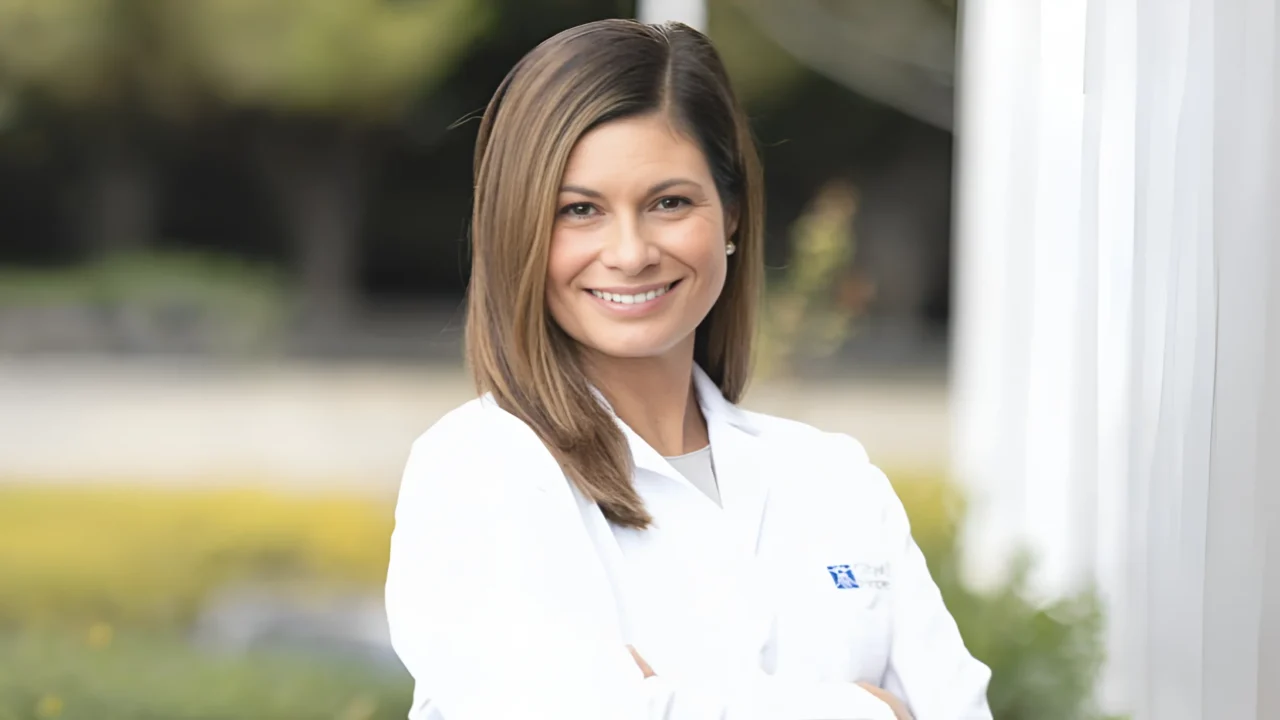
Krisstina Gowin: The Blood Tells a Story Long Before Diagnosis – Are We Listening Early Enough?
Krisstina Gowin, Clinical Associate Professor at City of Hope, shared a post on LinkedIn about a recent article by Abhishek A Mangaonkar et al, published in American Jounal of Hematology, adding:
“The blood tells a story long before diagnosis. Are we listening early enough?
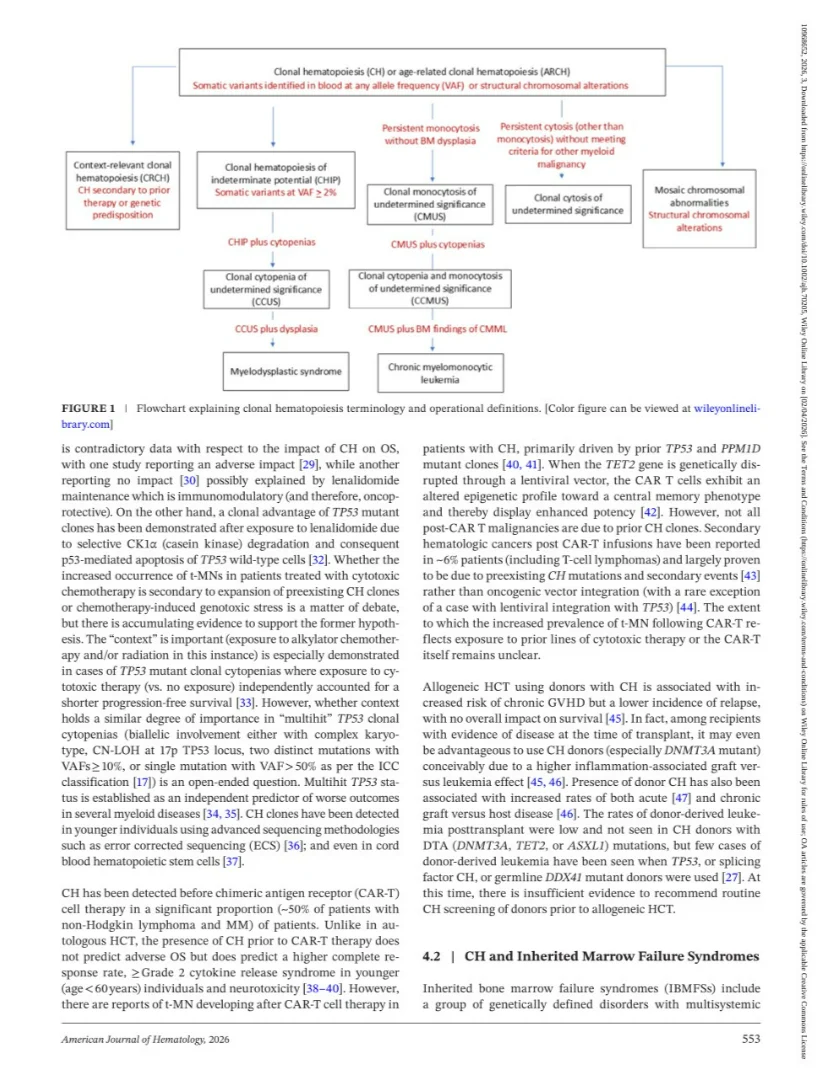
CHIP and CCUS represent one of the most compelling – and underutilized – frontiers in hematology, preventive oncology, and cardiovascular medicine.
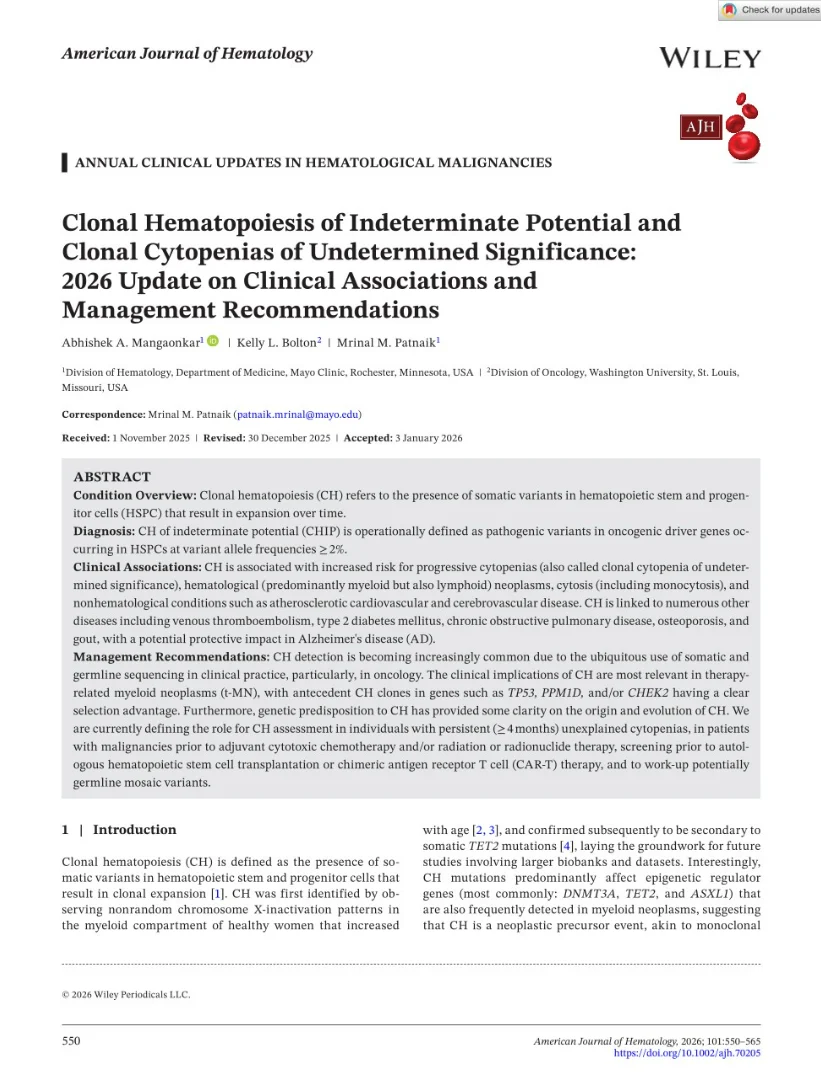
A 2026 update in the American Journal of Hematology reinforces both the science and the urgency:
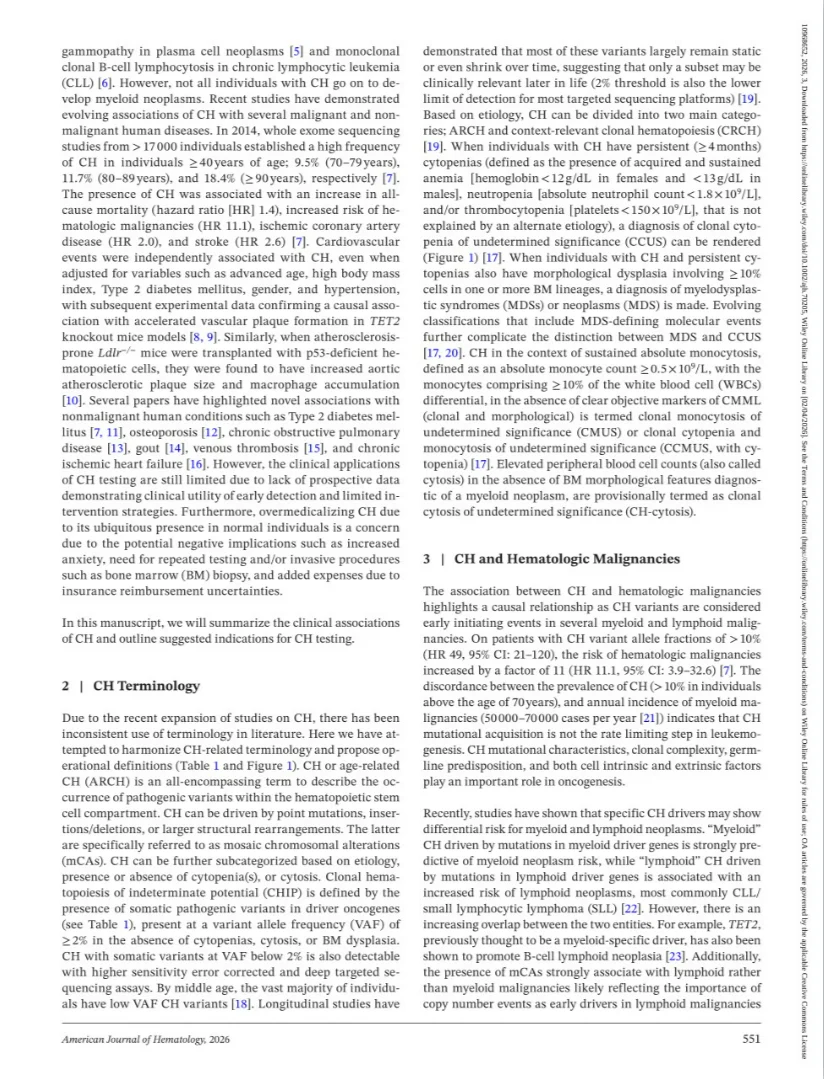
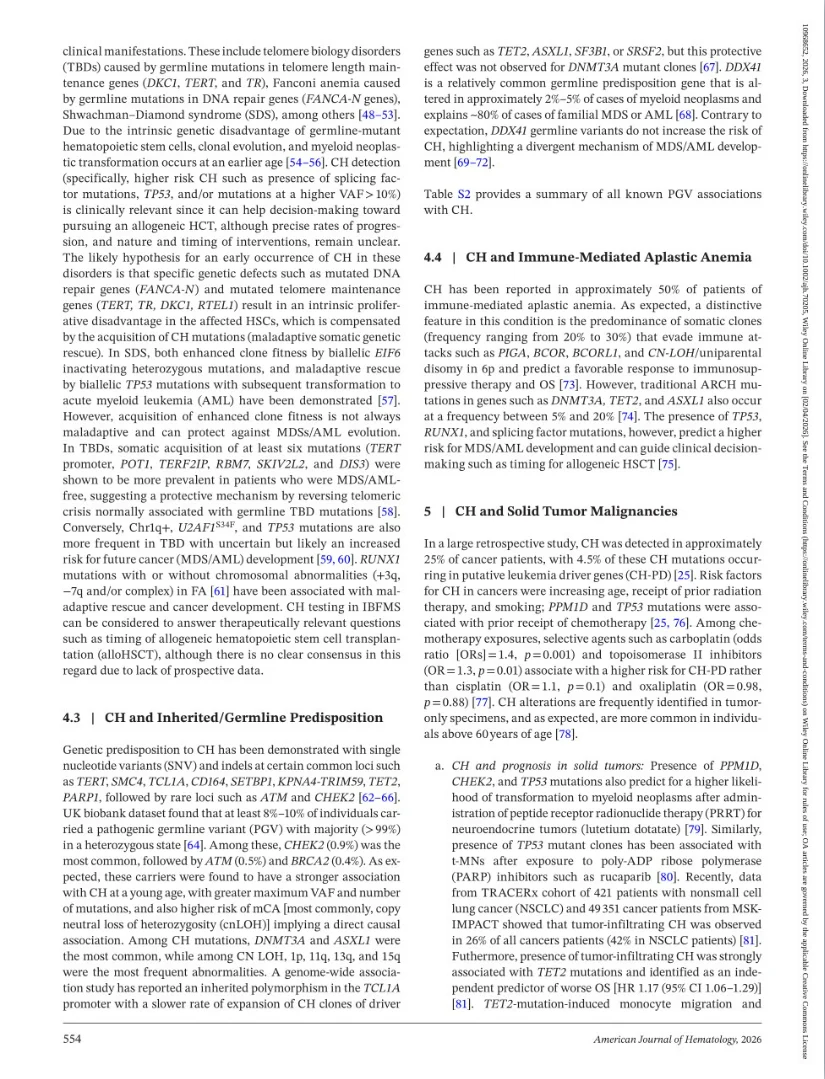
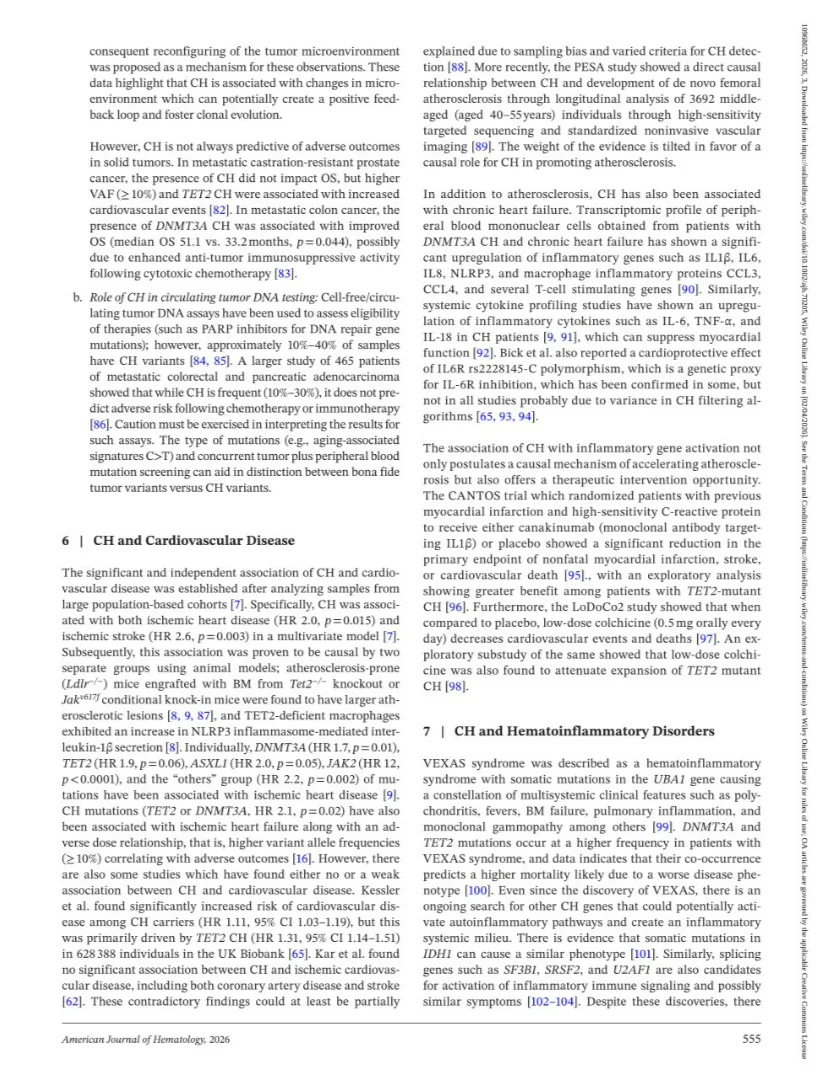
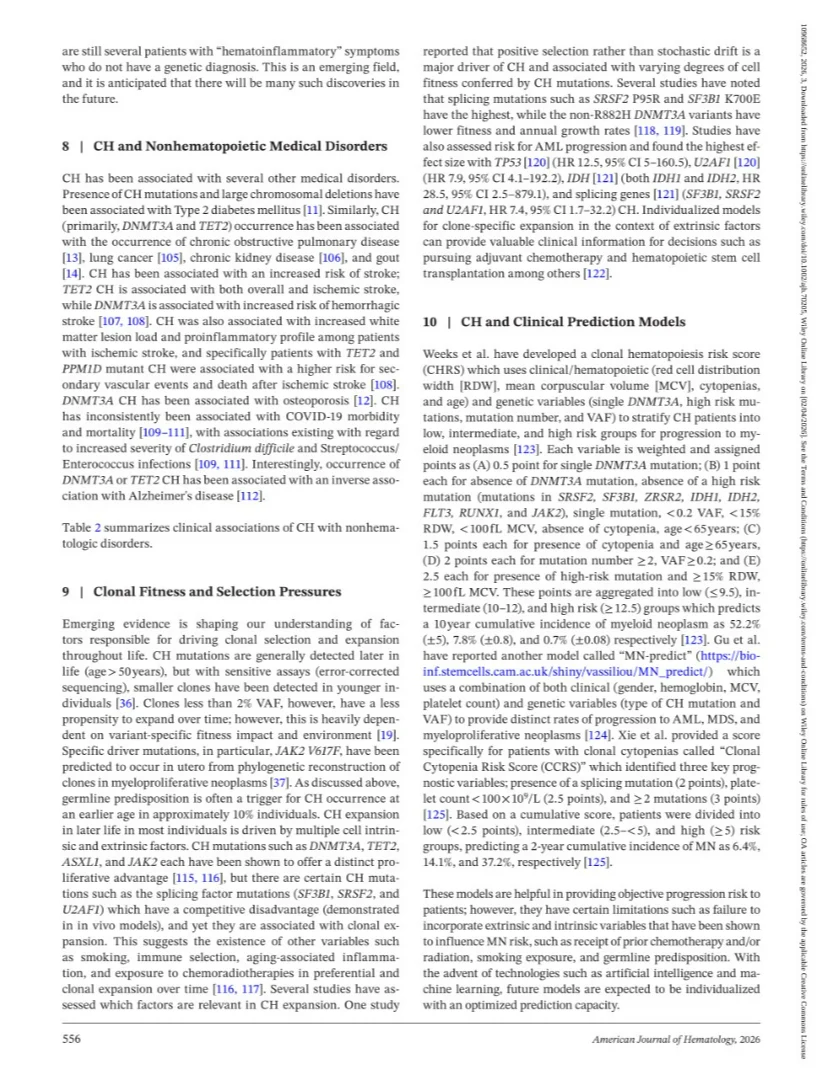
- CHIP affects nearly 10% by age 70
- VAF more than 10% – 11 times increased risk of hematologic malignancy
- High-risk CCUS – up to 37% 2-year progression
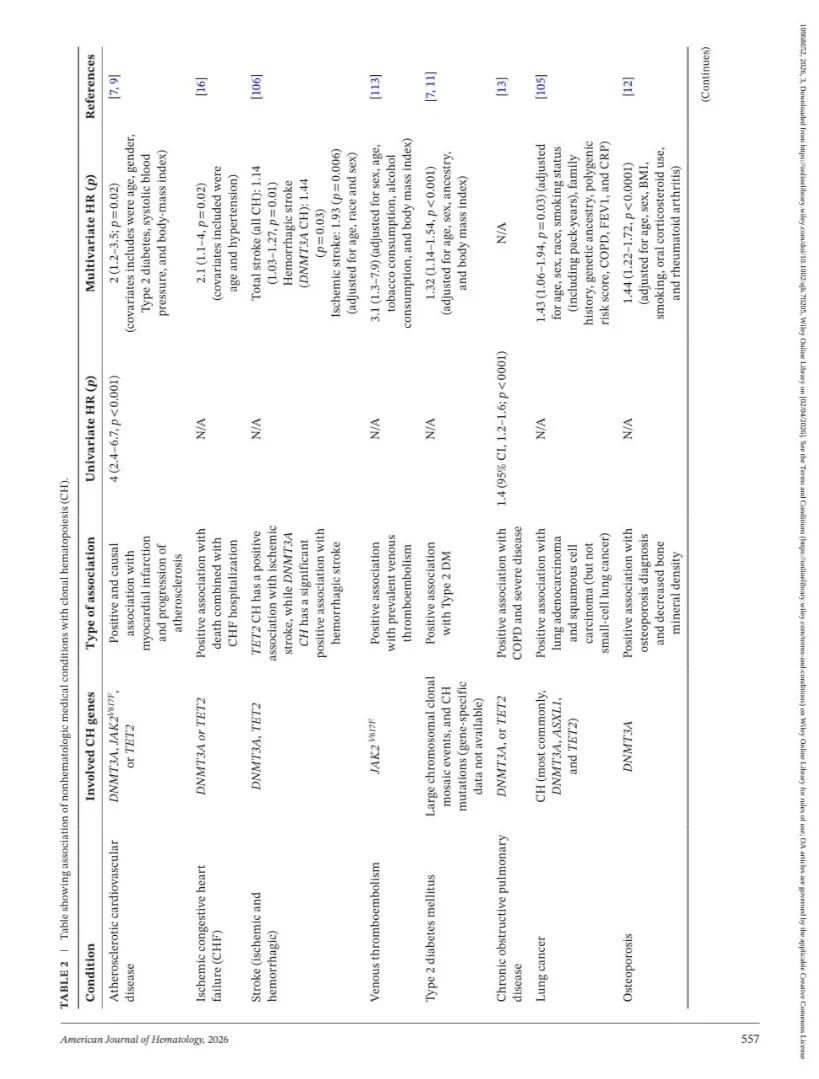
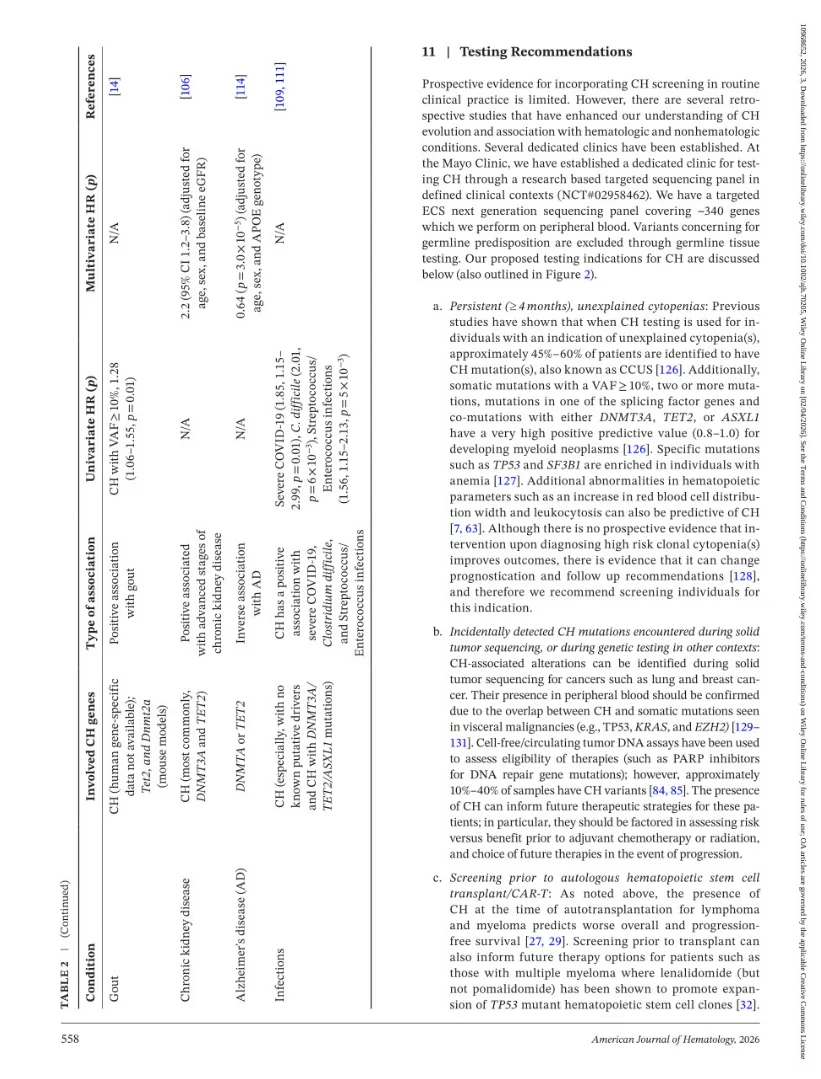
- Strong associations with atherosclerosis, stroke, heart failure, and metabolic disease
This is not a niche hematology issue – it is a systems biology challenge.
Pillar 1: Precursor Clinics
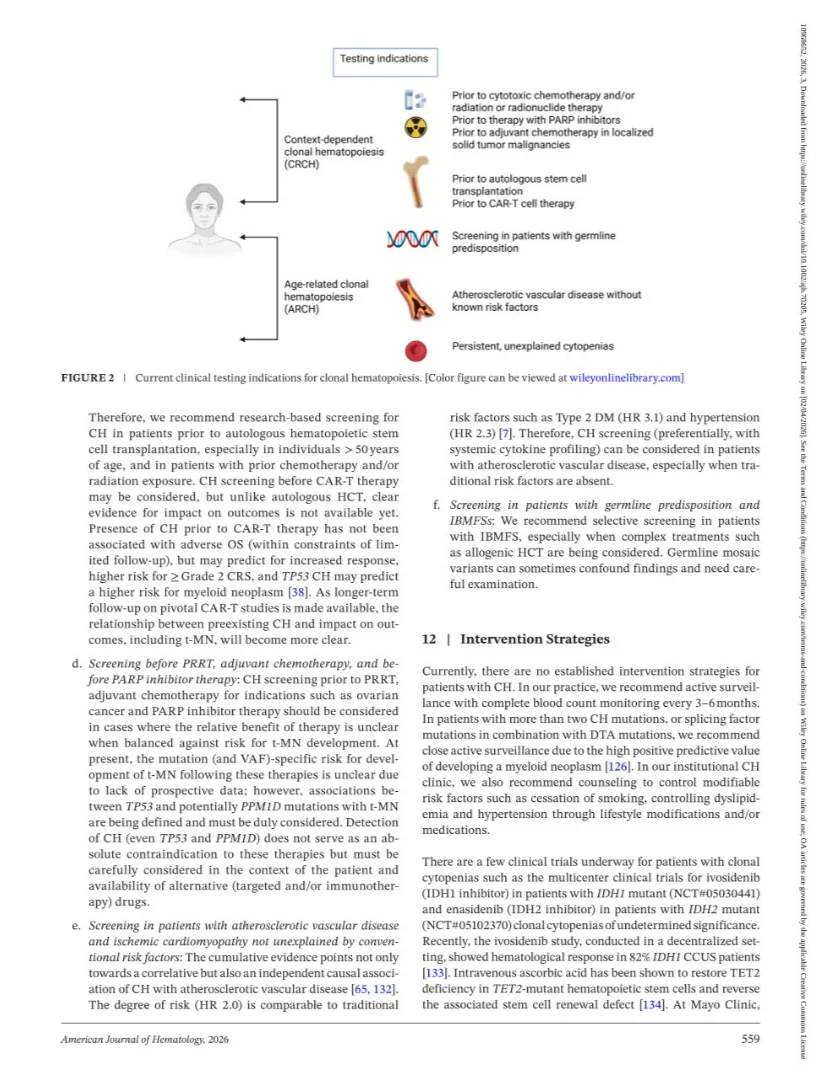
We need dedicated CH/CCUS clinics – now.
Structured programs allow for:
- Risk-stratified surveillance
- Germline evaluation
- Cardio-oncology co-management
- Early access to clinical trials – before transformation
The precursor state is the opportunity. We should be building infrastructure around it.
Pillar 2: Translational and Collaborative Science
We have risk tools – but they remain incomplete.
What we need:
- Prospective natural history studies
- Shared biobanks and datasets
- AI-driven risk prediction beyond mutation plus VAF
- Mechanistic insight into clonal expansion
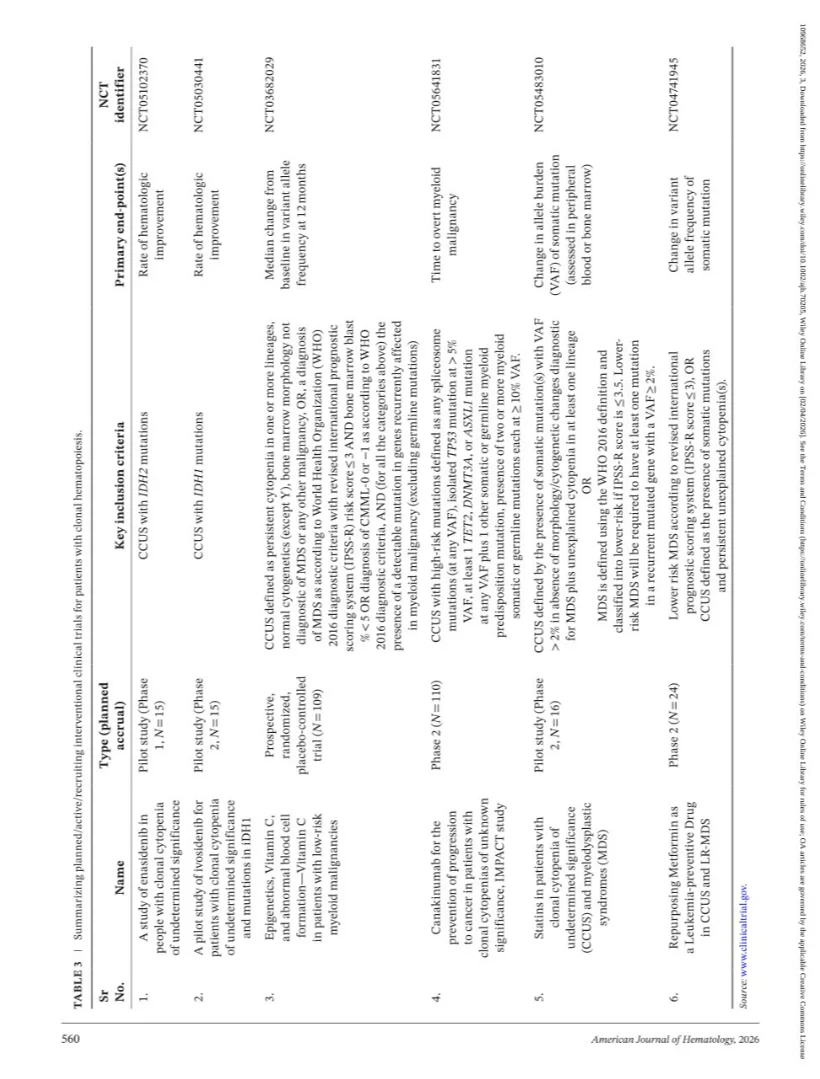
Six interventional trials are already underway. This is momentum worth accelerating.
Pillar 3: Lifestyle as Intervention
Perhaps the most actionable – and underappreciated – lever.
Smoking, dyslipidemia, hypertension, metabolic health – these are not peripheral.
They shape clonal fitness and disease trajectory.
We are already counseling patients. Now we need the trials to prove impact.
Bottom line
CHIP and CCUS are not incidental findings.
They are biological signals – and a window of opportunity.
The field now needs:
- Precursor clinics
- Collaborative science
- Intervention trials
The science is converging.
The time to act is now.”
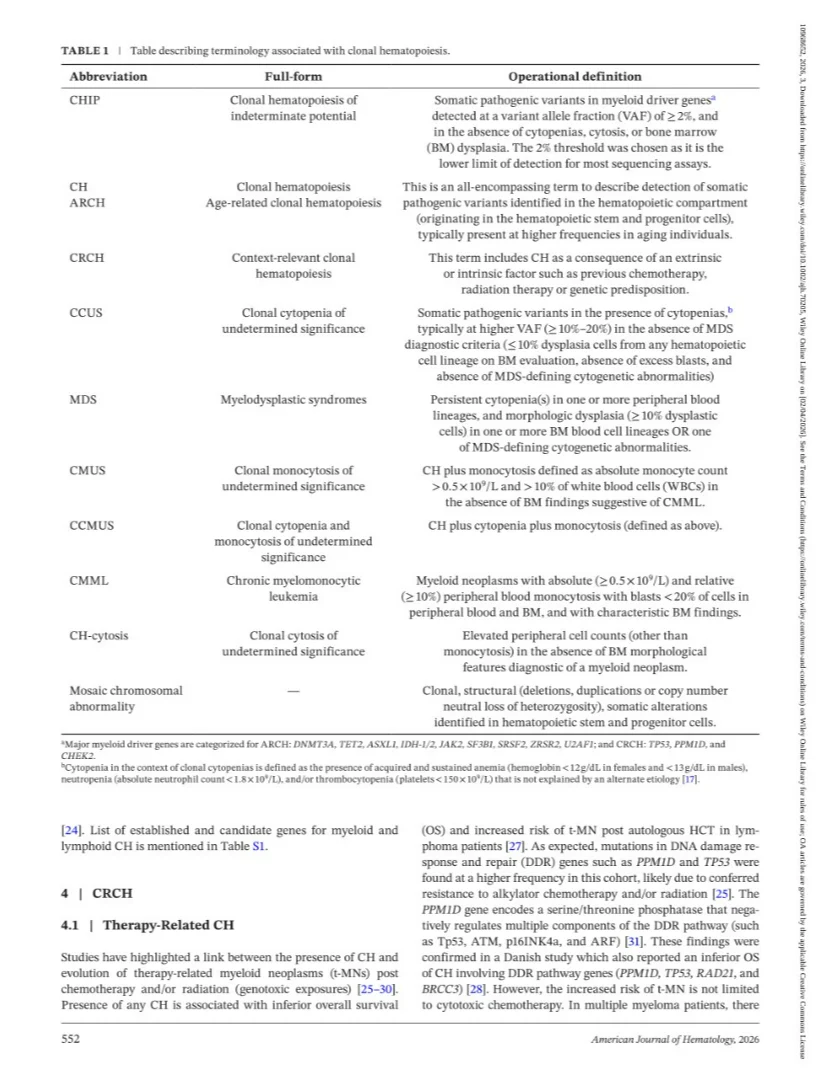
Title: Clonal Hematopoiesis of Indeterminate Potential and Clonal Cytopenias of Undetermined Significance: 2026 Update on Clinical Associations and Management Recommendations
Authors: Abhishek A Mangaonkar, Kelly L Bolton, Mrinal M Patnaik
Stay updated on all scientific advances with Hemostasis Today.
-
Sep 19, 2026, 14:17Abdul Mannan: What Exactly Is a Platelet?
-
Sep 19, 2026, 13:39Keisuke Goda: Decoding Platelet Phenotypes in COVID-19 With Optofluidic Imaging
-
Sep 19, 2026, 13:30Targeted Thrombolysis Beyond tPA
-
Sep 19, 2026, 13:21Paul Armstrong: From Summer Studentship to Young Researcher
-
Sep 19, 2026, 13:06Rabiya Masood: Breaking the Cycle of Thalassemia Through Screening
-
Sep 19, 2026, 10:52Consuela A. Albright: The Critical Role of Black Blood Donors in Sickle Cell Treatment
-
Sep 19, 2026, 10:47Amber Yates: Inside Agios’ Partnership with the Sickle Cell Community
-
Sep 19, 2026, 10:46Anton Farkas: Mechanical Thrombectomy for Acute PE in Early Pregnancy
-
Sep 19, 2026, 10:40Marjolein Smidt: ASH Raises Ferritin Thresholds for Iron Deficiency