

Paul Logan: Decoding the Words ‘He’s on blood thinners’
Paul Logan, Founder of Advanced Practice Ready, shared a post on LinkedIn:
“‘He’s on blood thinners.’
What does that even mean?
- Anticoagulants?
- Antiplatelet agents?
- Both?
It’s imprecise.
And imprecise language in clinical settings leads to imprecise thinking. And sometimes ‘precisely’ the wrong outcome.
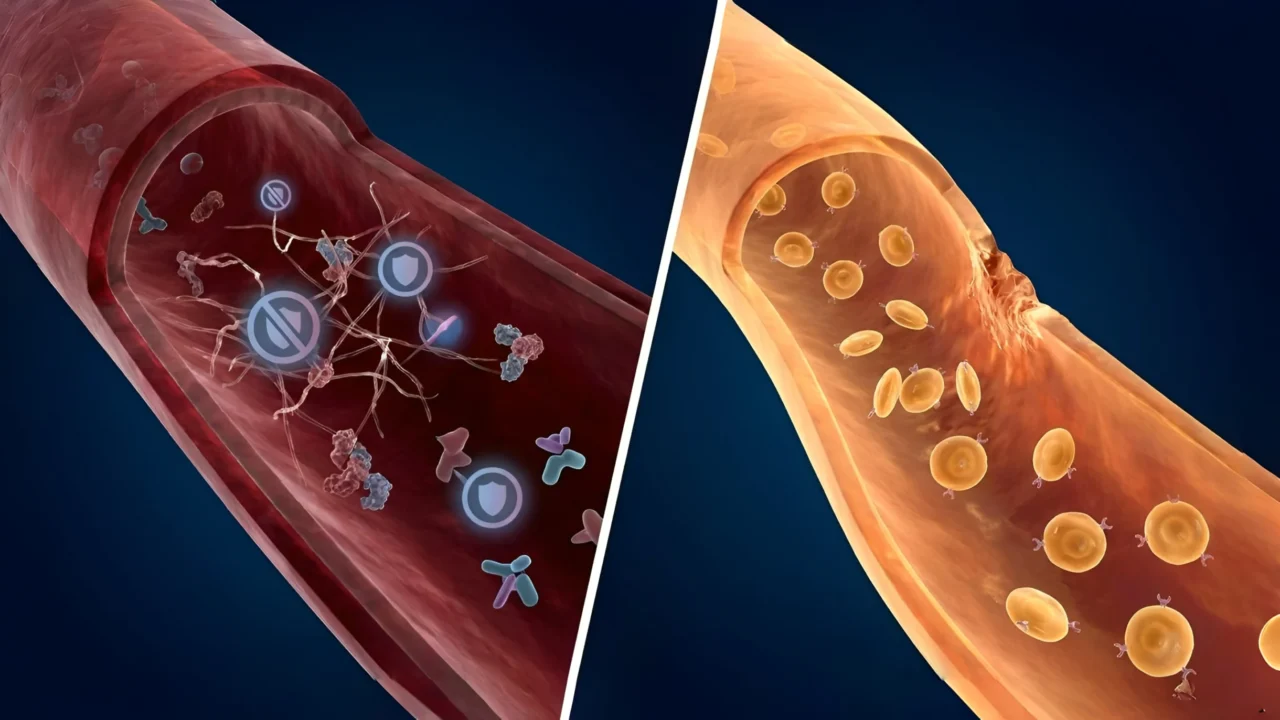
An anticoagulant (warfarin, apixaban, rivaroxaban, heparin) inhibits clotting factors in the coagulation cascade.
It prevents thrombus formation and propagation.
We use them for atrial fibrillation, DVT, PE, and mechanical valves, among others.
An antiplatelet agent (aspirin, clopidogrel, ticagrelor, prasugrel) inhibits platelet aggregation.
Different mechanism entirely.
We use them after PCI, in ACS, and for secondary prevention of atherosclerotic events.
And we keep going back and forth on their value for primary prevention.
- They are not interchangeable.
- They don’t do the same thing.
- They don’t protect against the same problems.
So let’s stop referring to them like they are the same.
A patient with a brand new drug-eluting stent who’s on apixaban for afib is not ‘covered’ for stent thrombosis.
The anticoagulant doesn’t replace the antiplatelet.
A patient on DAPT after a PCI is not ‘covered’ for their afib.
The antiplatelets don’t prevent cardioembolic stroke the way an anticoagulant does.
When you say ‘blood thinner,’ you’ve collapsed two entirely different pharmacologic strategies into one word.
And the patient hears it that way too. They think one pill handles everything.
Call the drug what it is.
Call the mechanism what it is. Your patient’s safety starts with your precision.
The APP Cardiology Academy launches May 1 with a full module on antithrombotic therapy for NPs and PAs.”
Stay updated with Hemostasis Today.
-
Sep 8, 2026, 02:49Jared Rice: High Platelets, Low Clot Risk? – What Makes Neonatal Platelets Different in Sepsis
-
Sep 8, 2026, 02:46Rasha E.: Exploring Polycythemia Vera: Beyond the Hematocrit
-
Sep 8, 2026, 02:35Ahmet Davut Aksu: Plasminogen Supplementation Enhances Alteplase Efficacy in Systemic Embolization Model
-
Sep 7, 2026, 23:56Abdel Gaffar Mohammed: Treatment Approaches for Different Types of TMA
-
Sep 7, 2026, 18:36Richard Kollen: Preventing Deep Vein Thrombosis During Long Flights
-
Sep 7, 2026, 18:34Mahmoud Hashem: Apixaban – Doses According to the Reason for Use
-
Sep 7, 2026, 18:31Julian P. Villacastin: LAAC as a Treatment Option When Long-Term Anticoagulation Is Problematic
-
Sep 7, 2026, 18:29Geoff Stooke: How Hemophilia Led the Massie Family to the Romanovs and Ronald Reagan
-
Sep 7, 2026, 18:27Sam Mbunya: September is Sickle Cell Awareness Month