

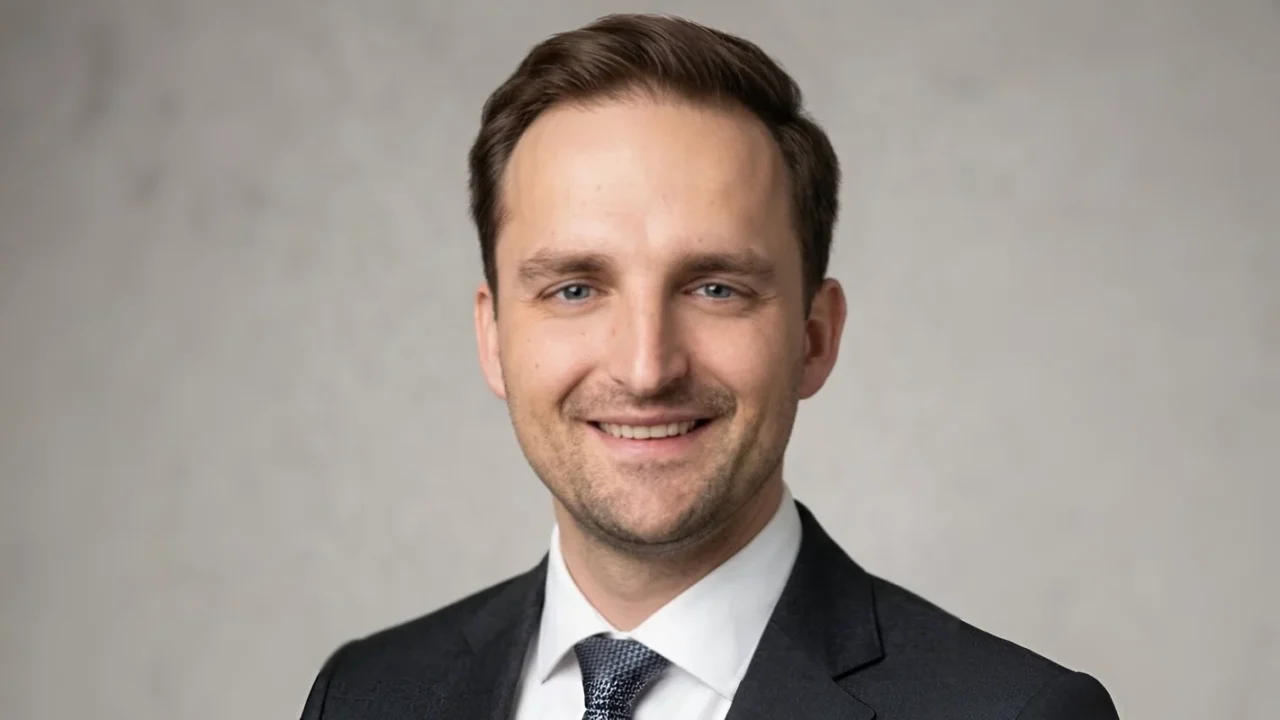
Mark Heyland: The Role of Thromboinflammation in Fracture Non-Union
Mark Heyland, Researcher at Berlin Metropolitan Area, shared a post on LinkedIn about recent articles, adding:
“Moving Beyond Mechanics:
The Thromboinflammatory Frontier in Fracture Healing
How do we predict and prevent atrophic fracture non union when mechanical fixation is clinically perfect?
The answer lies deep within biological cross talk, specifically at the intersection of the coagulation and complement cascades.
Two recent studies highlight an evolving perspective in orthopedic care and therapeutic design:
𝐓𝐡𝐞 𝐂𝐥𝐨𝐭𝐭𝐢𝐧𝐠 𝐋𝐢𝐧𝐤: 𝐄𝐥𝐞𝐯𝐚𝐭𝐞𝐝 𝐅𝐢𝐛𝐫𝐢𝐧𝐨𝐠𝐞𝐧
A study recently published in Frontiers in Surgery underscores a critical biological hurdle:
𝐅𝐢𝐧𝐝𝐢𝐧𝐠: High plasma fibrinogen levels independently drive non-union risk.
𝐌𝐞𝐜𝐡𝐚𝐧𝐢𝐬𝐦: Altered extracellular matrix deposition actively restricts local angiogenesis.
(Published as part of our Research Topic, ‘Innovations in Fracture Fixation and Rehabilitation: Bridging the Gap in Orthopedic Care’)
𝐓𝐡𝐞 𝐈𝐦𝐦𝐮𝐧𝐞 𝐋𝐢𝐧𝐤: 𝐒𝐮𝐬𝐭𝐚𝐢𝐧𝐞𝐝 𝐌𝐀𝐒𝐏1 𝐀𝐜𝐭𝐢𝐯𝐚𝐭𝐢𝐨𝐧
Parallel research in Frontiers in Immunology uncovers the innate immune side of the equation:
𝐅𝐢𝐧𝐝𝐢𝐧𝐠: Systemic MASP1 levels are significantly elevated in atrophic non-union.
𝐌𝐞𝐜𝐡𝐚𝐧𝐢𝐬𝐦: Chronic lectin pathway activation correlates directly with impaired tissue repair.
𝐓𝐡𝐞 𝐅𝐮𝐭𝐮𝐫𝐞 𝐨𝐟 𝐎𝐫𝐭𝐡𝐨𝐩𝐞𝐝𝐢𝐜 𝐓𝐡𝐞𝐫𝐚𝐩𝐢𝐞𝐬
These findings expose a dual threat environment of thromboinflammation, where persistent biochemical stress disrupts microvascular invasion and early osteogenesis. Moving forward, therapeutic design must address both axes:
𝐃𝐮𝐚𝐥 𝐒𝐞𝐫𝐢𝐧𝐞 𝐏𝐫𝐨𝐭𝐞𝐚𝐬𝐞 𝐌𝐨𝐝𝐮𝐥𝐚𝐭𝐢𝐨𝐧: Utilizing regulators like C1 esterase inhibitor (C1 INH) to simultaneously block complement activation (MASP1) and dampen upstream hypercoagulability.
𝐏𝐫𝐞𝐜𝐢𝐬𝐢𝐨𝐧 𝐀𝐧𝐭𝐢𝐭𝐡𝐫𝐨𝐦𝐛𝐨𝐭𝐢𝐜 𝐒𝐭𝐫𝐚𝐭𝐞𝐠𝐢𝐞𝐬: Exploring localized or dose titrated Low Molecular Weight Heparin (LMWH) delivery to mitigate microvascular thrombosis without disrupting early hematoma stability.
𝐈𝐦𝐦𝐮𝐧𝐨𝐦𝐨𝐝𝐮𝐥𝐚𝐭𝐨𝐫𝐲 𝐁𝐢𝐨𝐦𝐚𝐭𝐞𝐫𝐢𝐚𝐥𝐬: Designing smart, localized scaffolds that actively resolve chronic thromboinflammatory signals and restore a pro-regenerative niche.
True personalization in orthopedics requires bridging the gap between mechanical stability and systemic biology.
Explore the research”
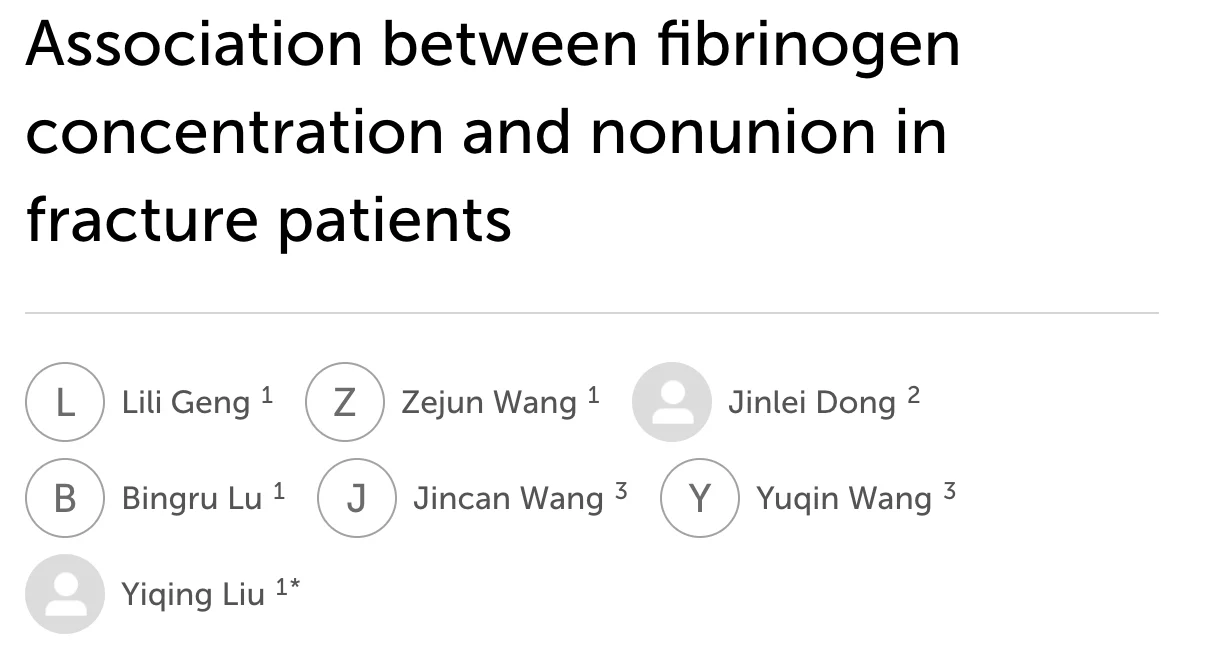
Title 1: Association between fibrinogen concentration and nonunion in fracture patients
Authors: Lili Geng, Zejun Wang, Jinlei Dong, Bingru Lu, Jincan Wang, Yuqin Wang, Yiqing Liu
Read the Full Article on Frontiers in Surgery, Orthopedic Surgery
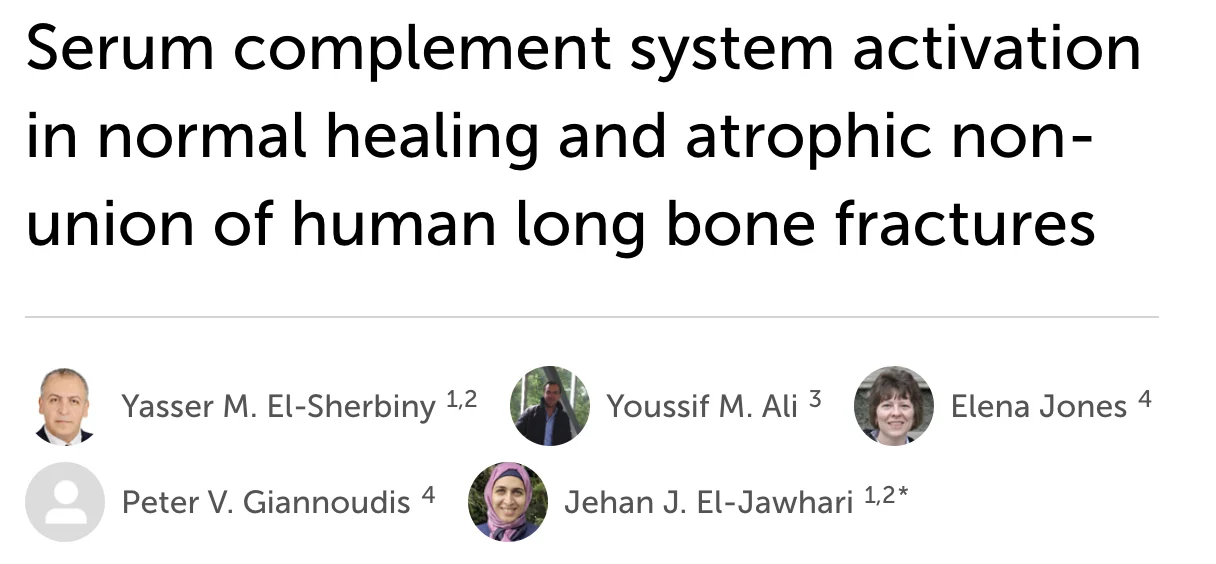
Title 2: Serum complement system activation in normal healing and atrophic non-union of human long bone fractures
Authors: Yasser M. El-Sherbiny, Youssif M. Ali, Elena Jones, Peter V. Giannoudis, Jehan J. El-Jawhari
Read the Full article on Frontiers in Immunology, Inflammation
Stay updated on all scientific advances with Hemostasis Today.
-
Oct 18, 2026, 16:04Emília Araújo։ New Insights Into the Genetics of Hemophilia B Leyden
-
Oct 18, 2026, 15:43André Marcel Harris: Award-Winning Research on Texas Sickle Cell Data Collection
-
Oct 18, 2026, 15:21Eleonora Gambineri: First Results of the IEI-Haem Consortium at ESID 2026
-
Oct 18, 2026, 15:17Alexey Kulikov: Could Platelets Reveal Frailty Before Physical Signs Appear?
-
Oct 18, 2026, 15:06Elisa Rossi: Advancing HHT Research at the 16th International Conference
-
Oct 18, 2026, 14:58Aishwarya Dash: Simplifying Bone Marrow Mesenchymal Stromal Cell Isolation
-
Oct 18, 2026, 14:54Caitlin Raymond: Could the Apheresis Circuit Itself Modulate Immunity?
-
Oct 18, 2026, 13:0810 Posts Not to Miss This Week
-
Oct 18, 2026, 12:58Pierpaolo Di Micco: DOACs vs Vitamin K Antagonists in Long-Term Anticoagulation