


Michael Baria: Key Findings on the Impact of Exercise on PRP
Michael Baria, Lead for The Early Osteoarthritis and Joint Health Program at The Ohio State University Wexner Medical Center, Head Team Physician for Ohio State Wrestling at The Ohio State University Department of Athletics, shared a post on LinkedIn about a recent article by Ian B. Stewart et al. published in Journal of Applied Physiology:
“The impact of exercise on PRP is profound
This beautiful paper (from 2002!) details how this works.
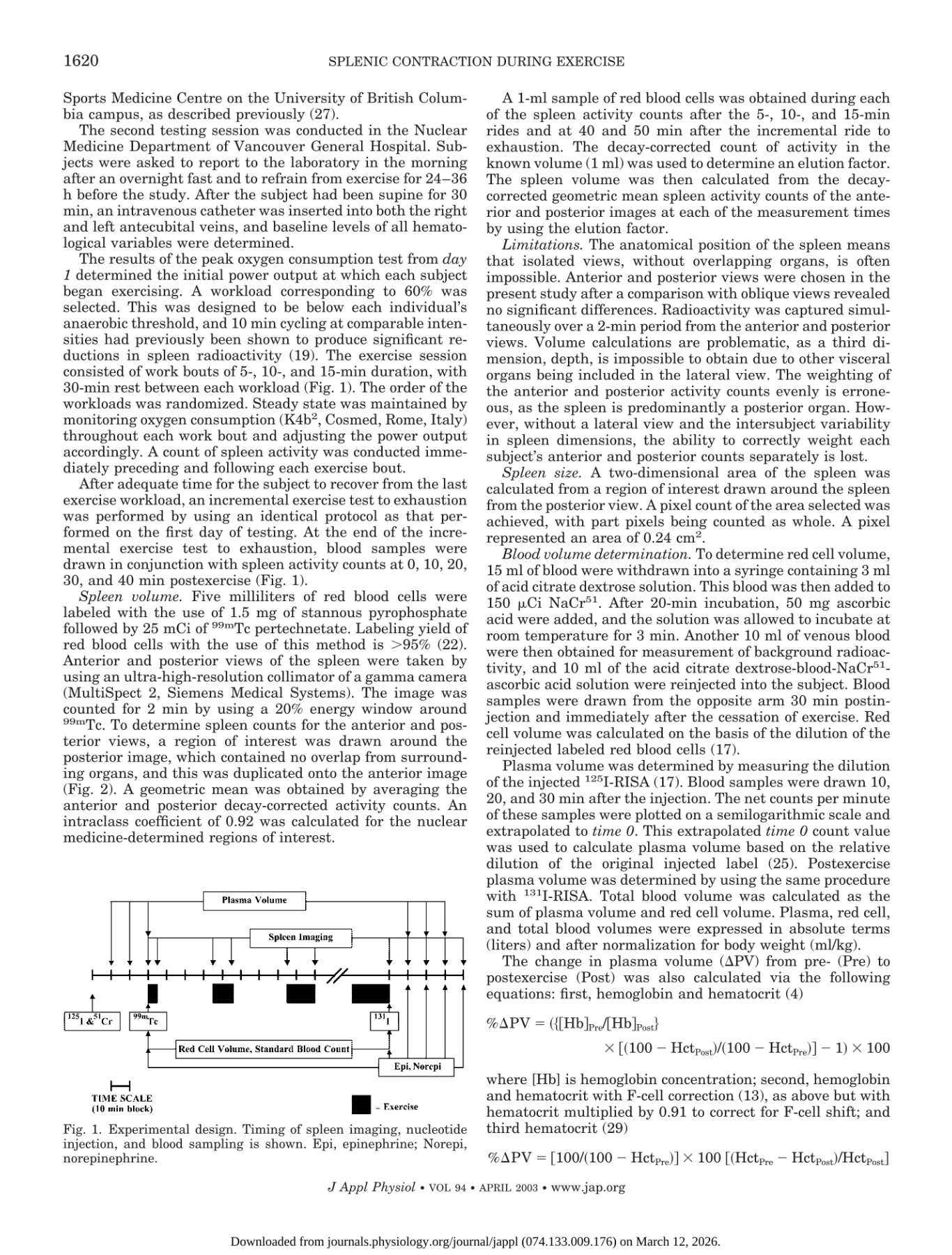
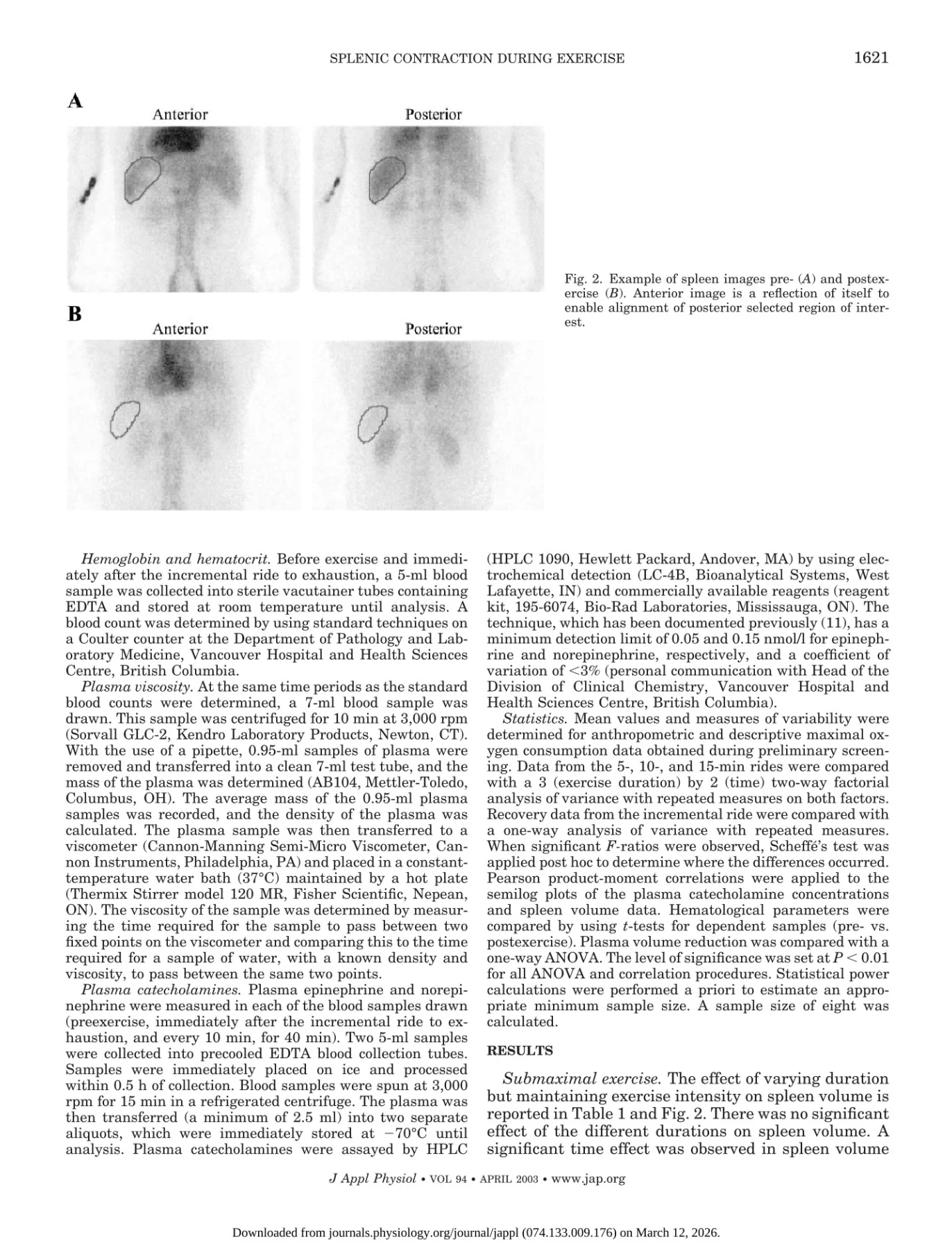
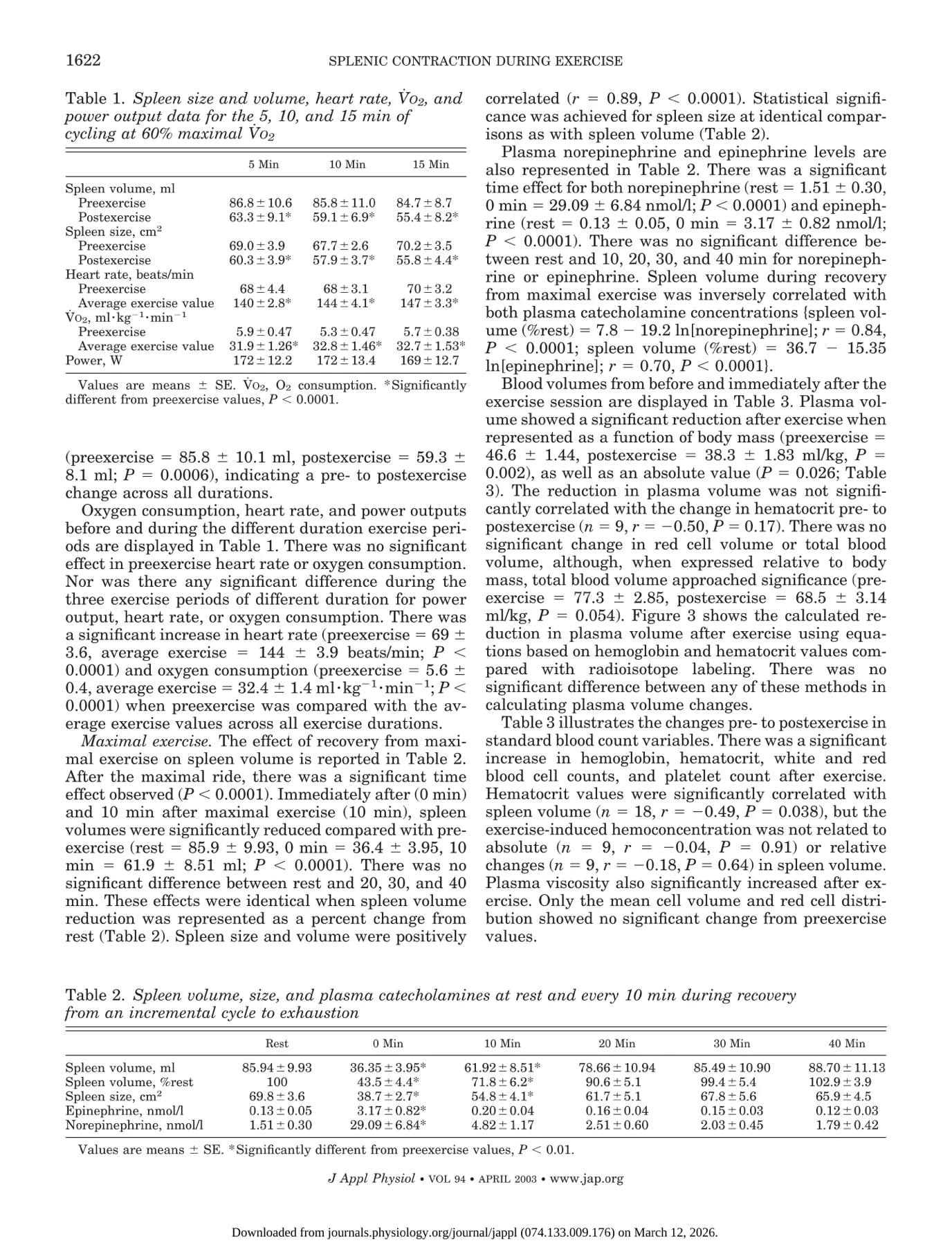
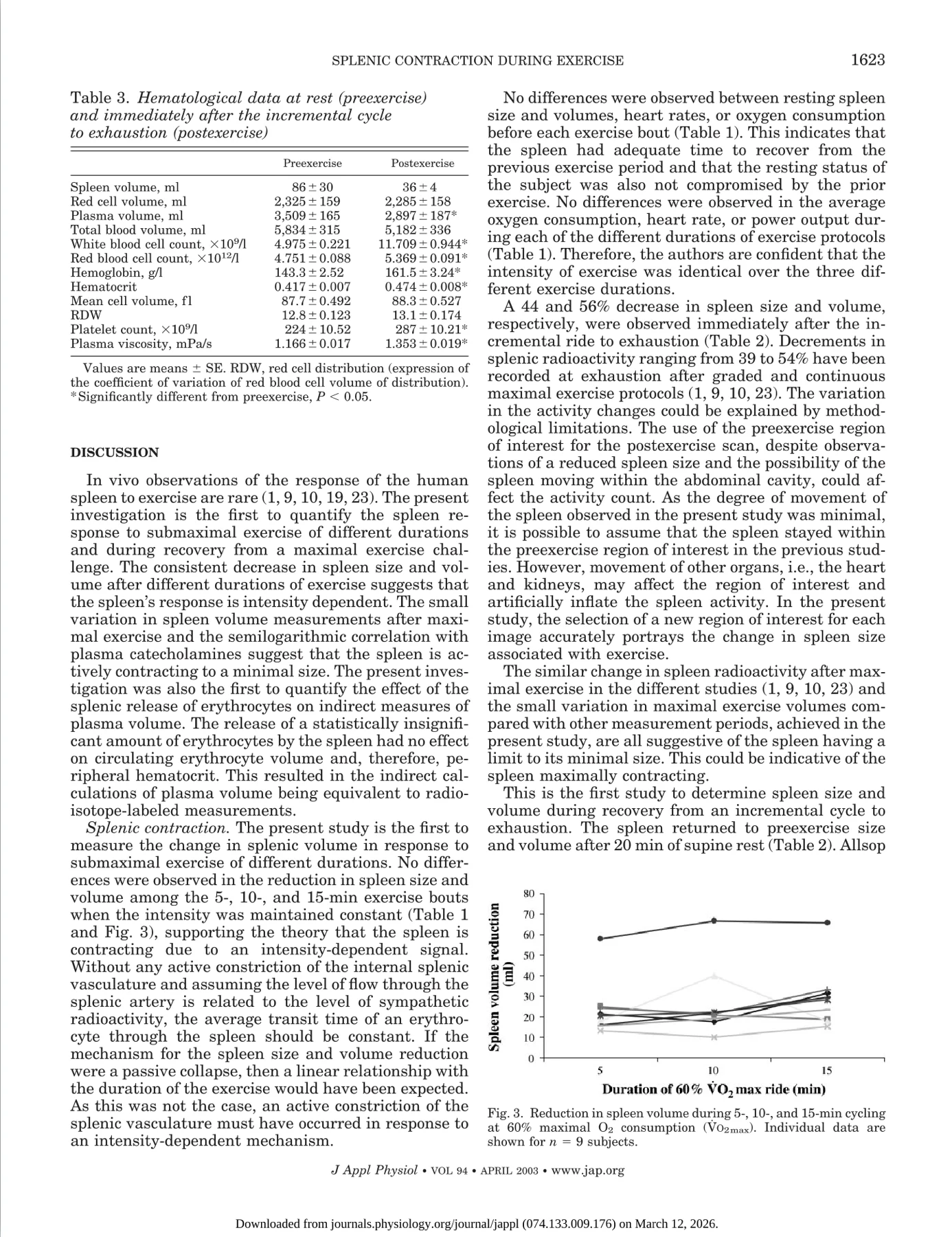
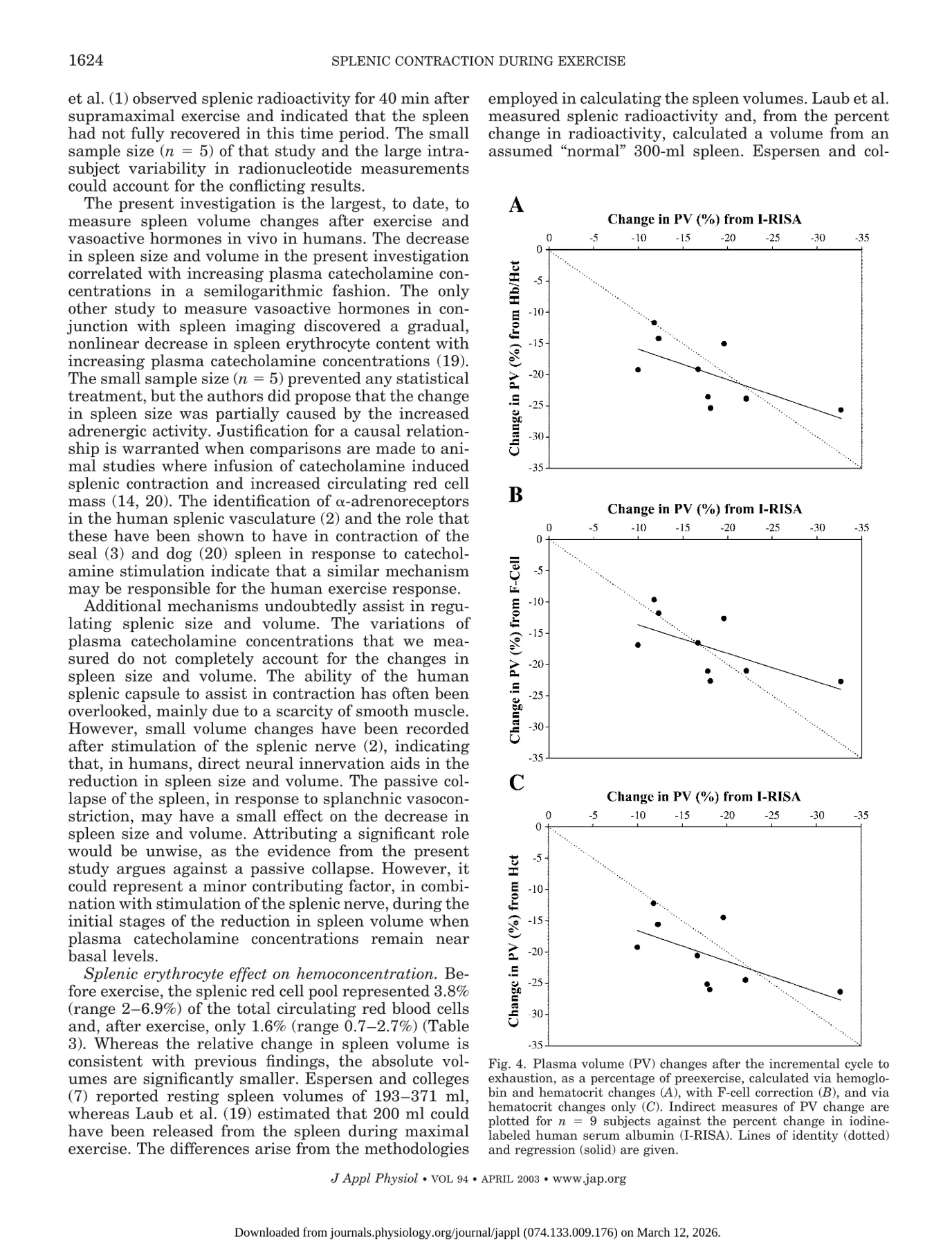
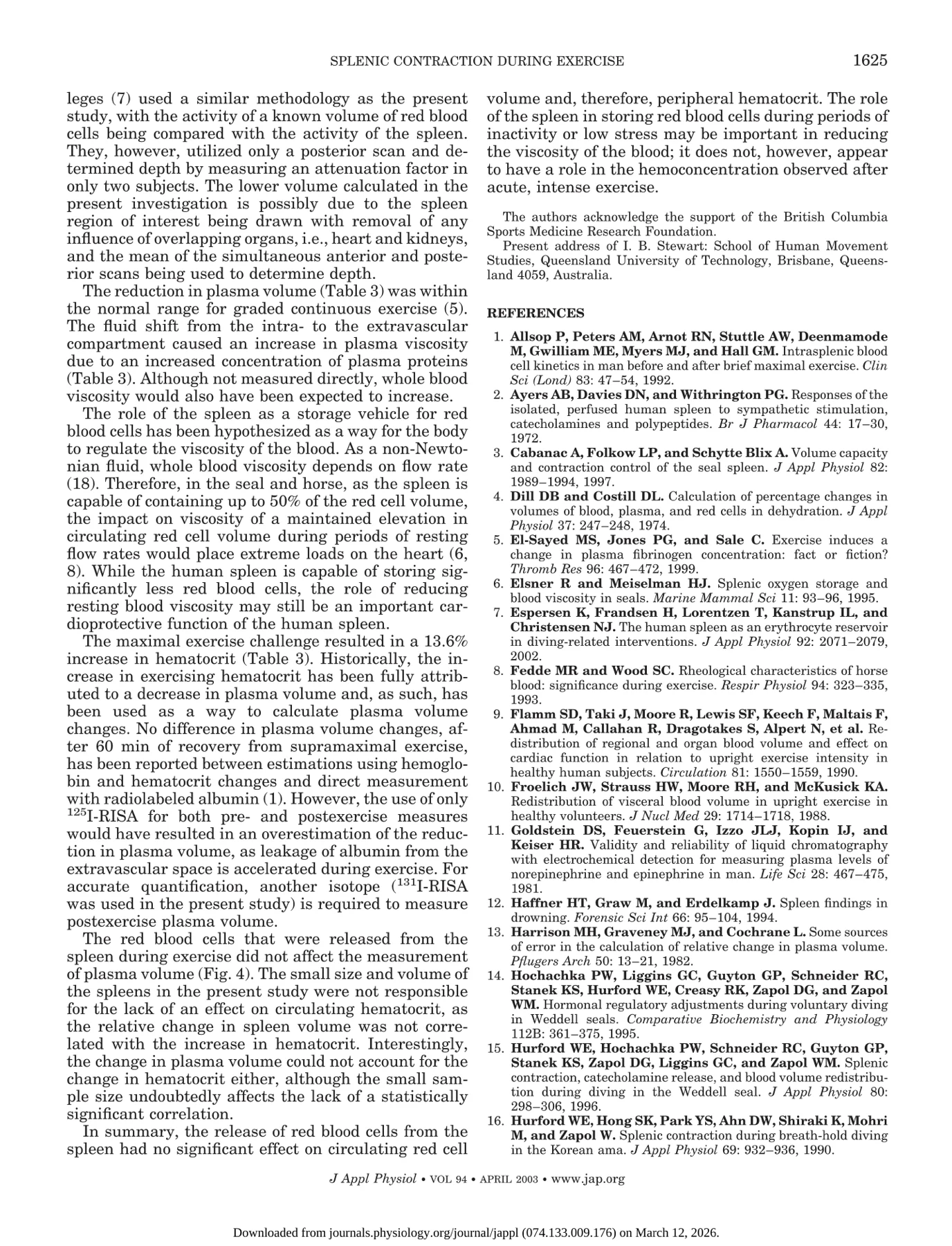
Stewart et al put patients through a sub-maximal and exhaustive cycle workout and measured peripheral blood counts and splenic activity.
Among their findings were:
- platelet counts increase nearly 30% with 15 minutes of exhaustive exercise
- the means behind this platelet increase is adrenergic induction of splenic contraction (by almost 60% of its total volume)
- the platelet increase is intensity, not time, dependent.
What does this mean for us?
PRP can be enhanced, fairly easily, by a brief bout of exercise
Exercise should be sufficiently intense, but not long.
60% of the VO2 max was used in this study.
5 minutes is enough.
How do you tap into the benefits of exercise for your bio practice?”
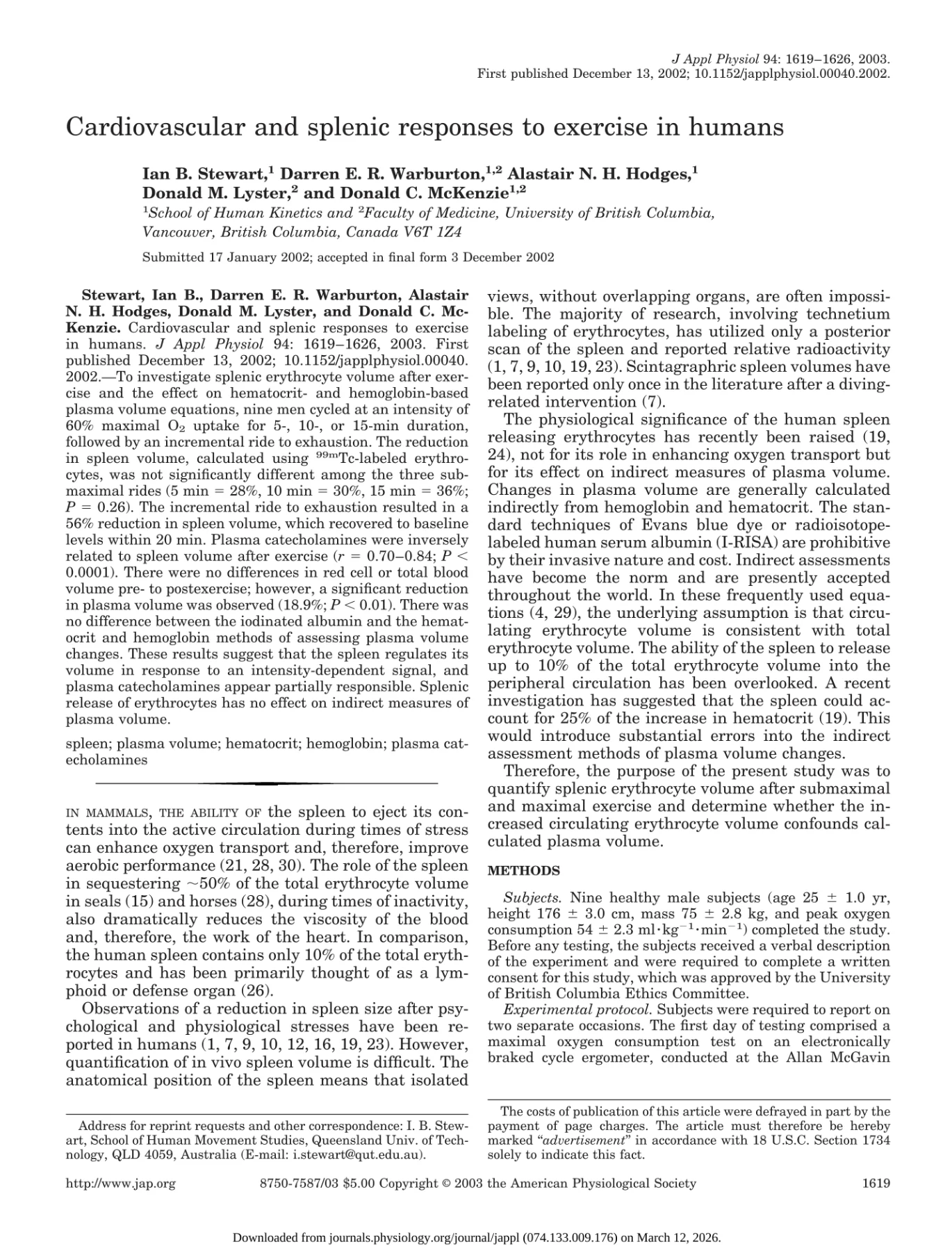
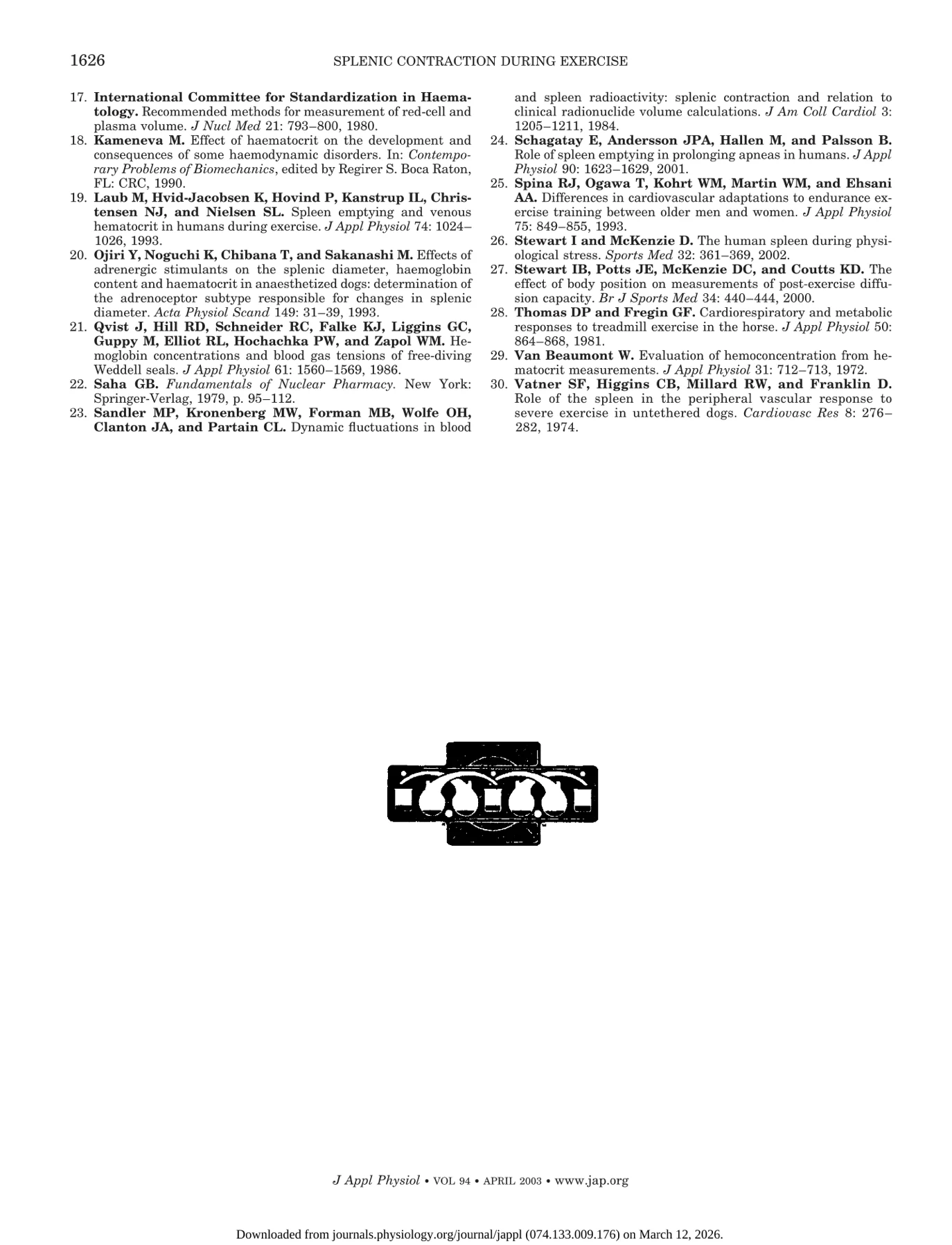
Title: Cardiovascular and splenic responses to exercise in humans
Authors: Ian B. Stewart, Darren E. R. Warburton, Alastair N. H. Hodges, Donald M. Lyster, Donald C. McKenzie
Read the Full Article on Journal of Applied Physiology

See more in the gallery.
Stay updated on all scientific advances with Hemostasis Today.
-
Oct 19, 2026, 19:44Where You Live Should not Determine Whether You Receive Care – World Federation of Hemophilia
-
Oct 19, 2026, 19:42Belen Bianco: Prevention, Early Suspicion and an Interdisciplinary Approach Save Lives
-
Oct 19, 2026, 19:40Christina Chrysohoou: Catheter-Based LAAC vs OAC for Stroke Prevention in Atrial Fibrillation
-
Oct 19, 2026, 19:38Matthew Flick: A Two-Day Research Meeting on Fibrinogen, Hemostasis and Thrombosis
-
Oct 19, 2026, 19:37Hayat Saeed: Excited to Share Our Publication on the FGL1–Hepcidin Axis in Iron Homeostasis and Disease
-
Oct 19, 2026, 19:08IPAW 2026 Comes to a Close, but the Work Continues – PPTA
-
Oct 19, 2026, 17:44Paul Riley: Moderating a Webinar on Anticoagulation Monitoring
-
Oct 19, 2026, 16:36Christopher Pittman: Blood Clot Prevention Cannot End at Hospital Discharge
-
Oct 19, 2026, 16:13Javier M. Floren: When Immune Cells Move With Their Environment