

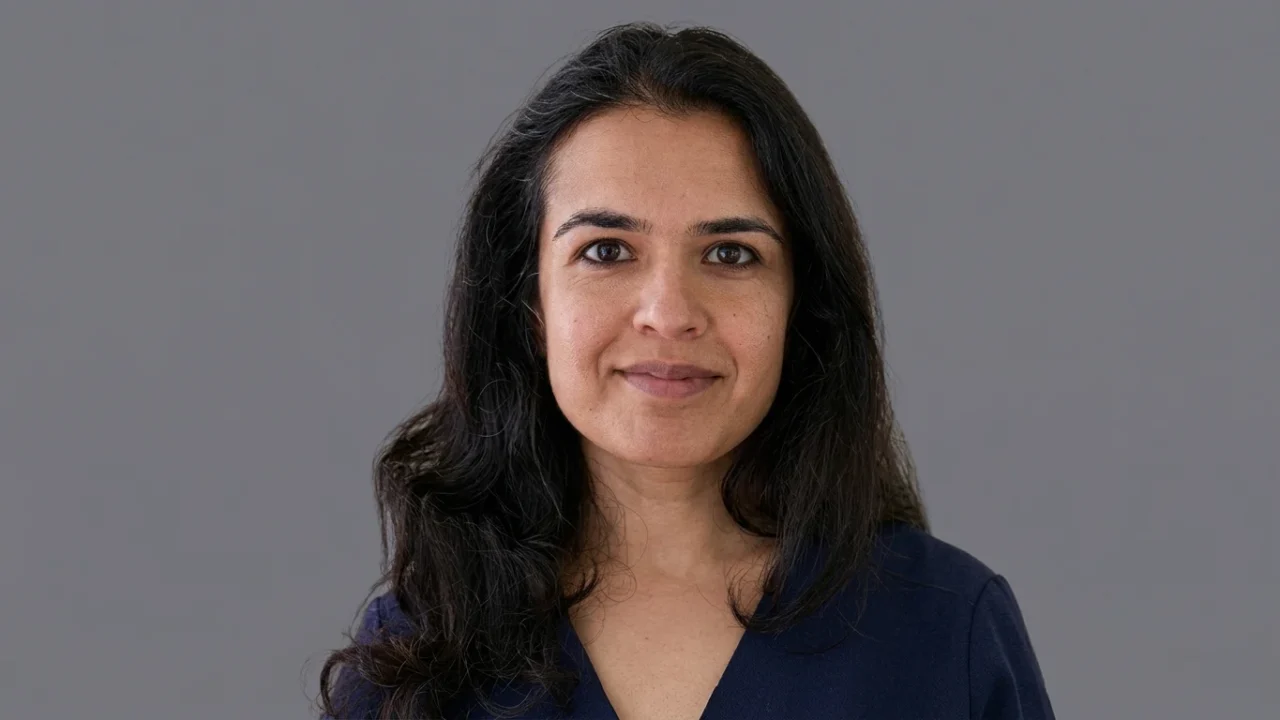
Mili Doshi: The Role of Oral Health Teams in Supporting Stroke Rehabilitation and Recovery
Mili Doshi, Consultant in Special Care Dentistry at Royal Hospital for Neuro-Disability and Surrey and Sussex Healthcare NHS Trust, reposted from British Society of Gerodontology on LinkedIn:
”Really pleased to have contributed to this Dental Update article.
With the incidence of stroke rising across all age groups, we should be increasingly aware of the important role oral health teams play in supporting this patient group.
From my experience working at Royal Hospital for Neuro-Disability, we see first the difference good oral health can make to rehabilitation.
It is essential that primary care dental teams feel confident to:
- Offer prevention advice tailored to people who have had a stroke
- Make reasonable adjustments to ensure care is accessible
- Support and empower both patients and their carers
Improving understanding in this area can make a meaningful difference to outcomes and quality of life.”
Quoting British Society of Gerodontology‘s post about a recent article by Kiran Singh and Mili Doshi, published in Dental Update, adding:
”Our next article in our Dental Update BSG collaboration series focuses on stroke – a condition that is increasing in prevalence across the UK and remains a leading cause of long-term disability.
Written by Kiran Singh and Mili Doshi, this piece explores an often-overlooked area: the significant impact of stroke on oral health and access to dental care.
Post-stroke people frequently face complex physical, cognitive and emotional challenges.
Impairments such as hemiparesis, dysphagia, aphasia and cognitive decline can make even oral hygiene more difficult.
Changes in diet, communication barriers and reduced independence further compound the problem, increasing the risk of complications such as aspiration pneumonia.
The article highlights the importance of early oral health prevention as part of stroke rehabilitation and outlines practical strategies for adapting dental care delivery, including:
- Use of communication aids
- Improving accessibility
- Minimally invasive, patient-centred treatment planning
Poor oral health can also contribute to the risk of further strokes – oral health matters.”
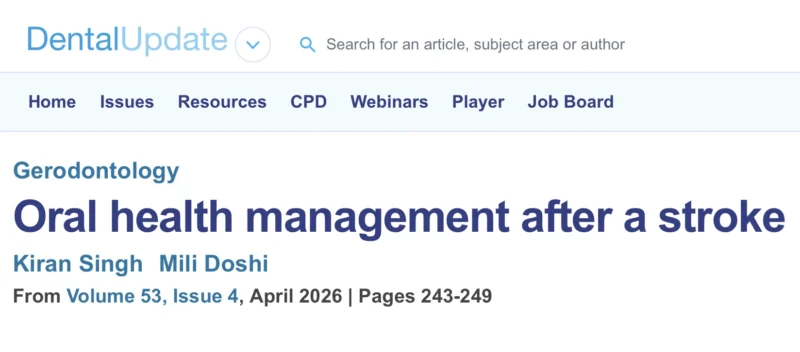
Title: Oral health management after a stroke
Authors: Kiran Singh, Mili Doshi
Stay updated on all scientific advances with Hemostasis Today.
-
Oct 20, 2026, 16:51Suzan Nakasendwa: A Growing Stroke Challenge in Uganda
-
Oct 20, 2026, 16:38Steve Moon: How Does Smoking Cessation Duration Affect Ischemic Stroke Risk
-
Oct 20, 2026, 16:25Cedrice Mentor: Reducing Platelet Wastage Through Cold Storage
-
Oct 20, 2026, 16:09Thirunavukkarasu Angappan: Can a Purified Fibrinogen Concentrate Replace Cryoprecipitate
-
Oct 20, 2026, 16:01Kalyan Roy: Platelet Conservation Through Evidence-Based Transfusion Practice
-
Oct 20, 2026, 15:28Stacy E. Croteau: 33 Countries, One Mission – Better Bleeding Disorder Care
-
Oct 20, 2026, 15:19Teresa Barnes: What Does a Pulmonary Embolism Mean for Jalen Hurts?
-
Oct 20, 2026, 15:04Laura S.: Could Speaking Up Prevent Maternal Deaths from Thrombosis?
-
Oct 20, 2026, 14:44Pete Stibbs: VTE in Professional Athletes – When Fitness Is Not Enough