

Biofilms, NETosis, and Microclots: Jim Hoffman Reflects on New Scientific Advances
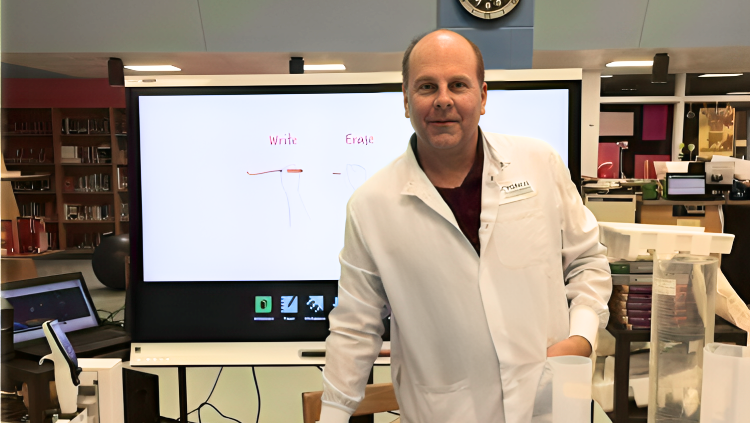
Jim Hoffman, Former Technical Advisor at Cygnus Technologies, LLC, posted on LinkedIn:
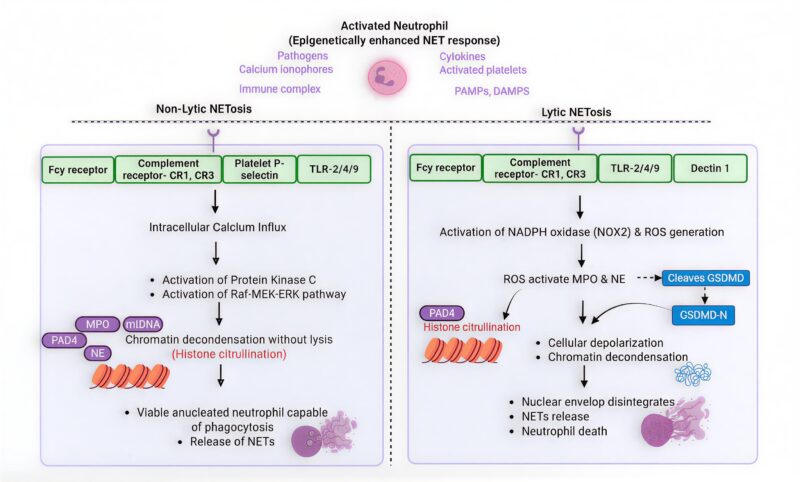
” ‘Two key processes sustaining chronic infections are biofilm formation and NETosis. While NETs can immobilize and kill (planktonic) microbes, the extracellular DNA and associated proteins often contribute to biofilm stability, immune evasion, (antibiotic resistance), and chronic infection persistence. This review explores the bidirectional interactions between NETosis and biofilm formation, with a focus on their synergistic roles in the pathogenesis of chronic infections such as cystic fibrosis lung disease, diabetic foot ulcers, periodontitis, and implant-associated infections. Emerging therapeutic strategies aimed at disrupting this pathogenic interplay, including DNase-based treatments, PAD4 inhibitors, and combination therapies, are critically evaluated. By illuminating the pathogenic synergy between NETs and biofilms, this review underscores the need for integrated immunomodulatory and anti-biofilm interventions to effectively manage chronic infectious diseases and improve patient outcomes.’ (Tyagi et al 2025)
What is the potential relationship of biofilms to amyloid-like fibrinolytic-resistant microclots, recently reported on by Pretorius and Thierry et al 2025?
More importantly, can helping sick patients remove persistently elevated circulating NETs from their blood supply minimize immunothrombotic vasculitis injury and unwanted intravascular ischemic thrombi formation, which are characteristic of progressive severe life-threatening disseminated intravascular coagulation (Toh et al), regardless of the NETosis-triggering event, be it infectious or non-infectious in origin? Also, will removing chronically elevated NETs from the blood enhance the innate immune system’s ability to phagocytically target, clear, and digest NETotic biofilms from the tissues, and avert the potentially catastrophic consequences of septic shock and intravascular thrombi formation?
In addition, primary tumor cells and CTCs, like pathogens, have been observed to be similarly protected by extracellular NETosis-generated scaffolds, facilitating tumorigenesis, cancer-associated thrombosis, metastasis, and NETs are credited with greater resistance to existing anti-tumor therapies.”
Read more here.
Title: The Relationship Between NETosis and Biofilm Formation in Chronic Infections
Authors: Wafa Aziz, Hina Sultana, Vinay Kumar, Anuradha Tyagi
Stay updated with Hemostasis Today.
-
Sep 30, 2026, 01:52Javed Anees: DADA2 – When a Young Stroke Is More Than a Stroke
-
Sep 30, 2026, 01:51How a Venous Thrombus Becomes Revascularized – ISTH
-
Sep 29, 2026, 22:45Victor Agunyego: Paracetamol – The Most Common Drug We Underestimate
-
Sep 29, 2026, 22:42Nova Sinclair: Advancing the Future of Hematology – Meet Our 2027 Organizing Committee
-
Sep 29, 2026, 22:41Lorenz Räber: Intracoronary Imaging in PCI – Why, When, How, and Which Modality?
-
Sep 29, 2026, 22:31Selma Turkovic: Pleased to Deliver the Opening Presentation at Kingston Hospital
-
Sep 29, 2026, 22:31Miguel Teran: Ultrasound and Simulation in Arterial Blood Sampling
-
Sep 29, 2026, 22:28Mohammad Refaei: Navigating Your Career in Hematology From Training to Practice
-
Sep 29, 2026, 22:27Matteo Foschi: 10 Clinical Pearls for Antithrombotic Therapy in Secondary Stroke Prevention