

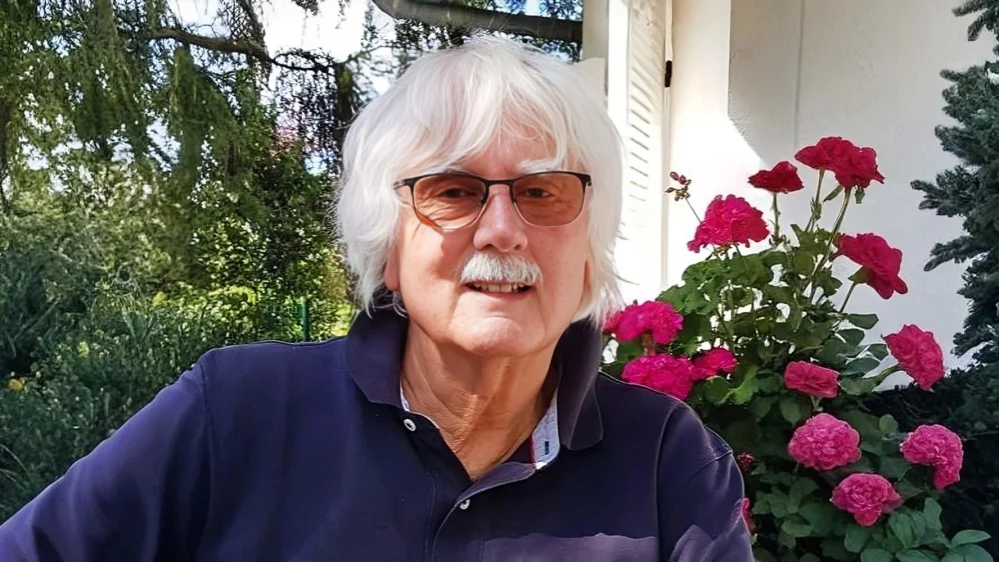
Alan Nurden: Genome-Wide Analyses Unravel the Genetic Architecture of Coagulation and Fibrinolysis
Alan Nurden, Emeritus Research Director at CNRS, Co-Founder of the French National Reference Centre for Inherited Platelet Disorders (CRPP), shared a post on LinkedIn about a recent article by Maria Sabater-Lleal et al, published in JTH:
“This is a very complete review of a very important field, explaining how genome-wide analyses are unraveling the genetic architecture responsible for the levels of the main cellular and plasma factors that regulate coagulation and fibrinolysis.
The authors combine this with a brief look at global coagulation tests, all this in the context of how multiple gene variants influence venous and arterial thrombosis.
Step by step we are approaching the day when whole genome sequencing will become the norm and a prerequisite for personalized medicine.
In my own field of inherited platelet disorders and in particular Glanzmann thrombasthenia, the polygenic scores of gene variants either favoring or protecting from excessive and frequent mucocutaneous bleeding should help select patients most apt for gene therapy or to receive new generation long-term prophylaxis designed to upgrade fibrin formation at sites of bleeding.
For the latter, determining the therapy dose will be crucial in assuring safety.
This review is highly recommended for all in the coagulation and hemostasis fields.”
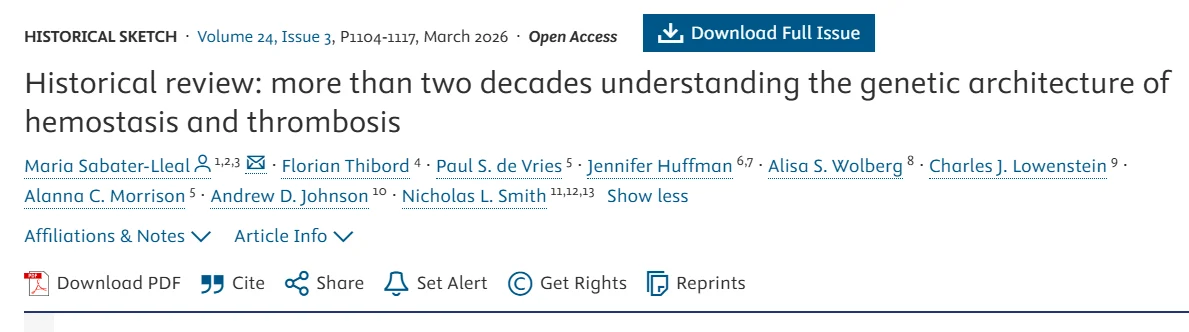
Title: Historical review: more than two decades understanding the genetic architecture of hemostasis and thrombosis
Authors: Maria Sabater-Lleal, Florian Thibord, Paul S de Vries, Jennifer Huffman, Alisa S Wolberg, Charles J Lowenstein, Alanna C Morrison, Andrew D Johnson, Nicholas L Smith
Read the Full Article on JTH
Other articles featuring Alan Nurden on Hemostasis Today.
-
Sep 30, 2026, 01:52Javed Anees: DADA2 – When a Young Stroke Is More Than a Stroke
-
Sep 30, 2026, 01:51How a Venous Thrombus Becomes Revascularized – ISTH
-
Sep 29, 2026, 22:45Victor Agunyego: Paracetamol – The Most Common Drug We Underestimate
-
Sep 29, 2026, 22:42Nova Sinclair: Advancing the Future of Hematology – Meet Our 2027 Organizing Committee
-
Sep 29, 2026, 22:41Lorenz Räber: Intracoronary Imaging in PCI – Why, When, How, and Which Modality?
-
Sep 29, 2026, 22:31Selma Turkovic: Pleased to Deliver the Opening Presentation at Kingston Hospital
-
Sep 29, 2026, 22:31Miguel Teran: Ultrasound and Simulation in Arterial Blood Sampling
-
Sep 29, 2026, 22:28Mohammad Refaei: Navigating Your Career in Hematology From Training to Practice
-
Sep 29, 2026, 22:27Matteo Foschi: 10 Clinical Pearls for Antithrombotic Therapy in Secondary Stroke Prevention