

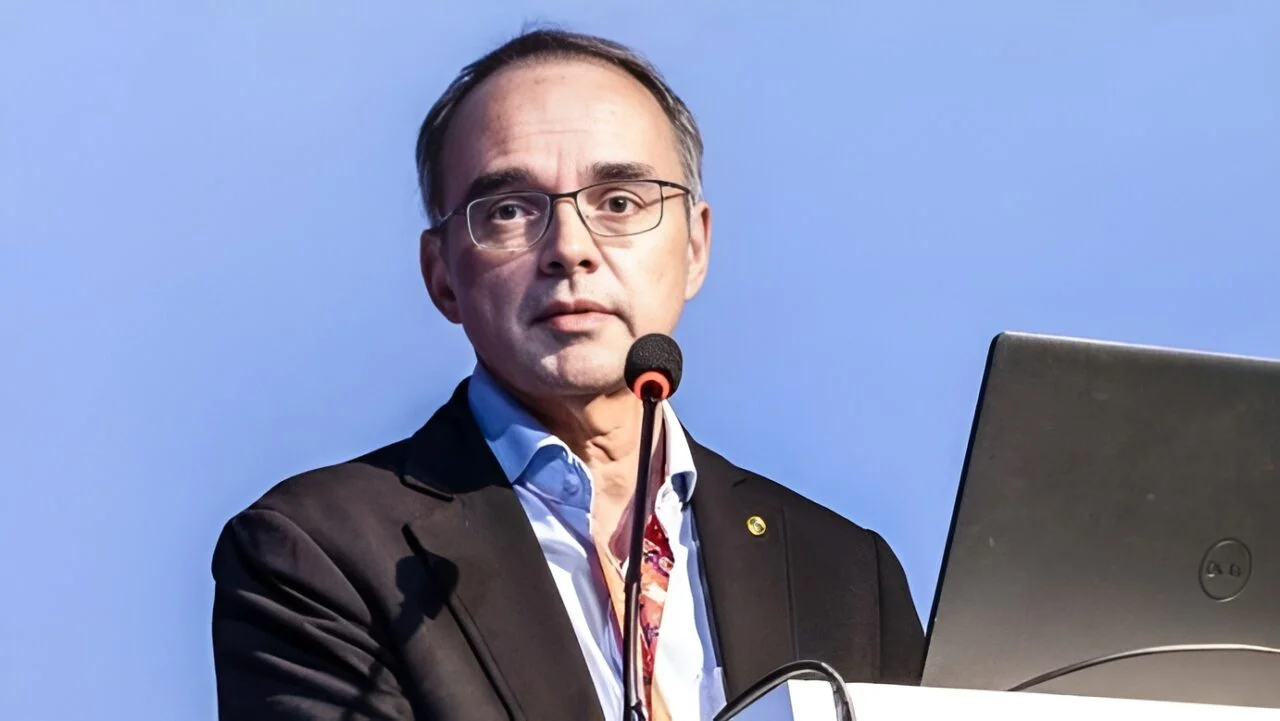
Raul Santos on Sex-Specific Biology and Plasma Fructose Levels in Cardiovascular Risk
Raul Santos, Researcher at ARO Hospital Israelita Albert Einstein, shared on LinkedIn:
”Happy to share a study I co-authored, led by Dr. Ribanna Braga and Prof. Nagila Damasceno looking at sex differences in cardiovascular risk and whether fasting plasma fructose tracks with cardiometabolic health.
Using baseline data from 597 adults (20–79 years; 2014–2018) from the SHIP-Brazil study, we found that men had more cardiovascular risk factors and also higher plasma fructose levels than women (~63.6 vs 55.3 mg/dL; p<0.001), even though reported dietary fructose intake was similar.
In adjusted analyses, higher plasma fructose in men was associated with a cluster of adverse findings: Excess weight and higher waist circumference; atherogenic dyslipidemia (high total cholesterol, high non-HDL-C, high triglycerides, low HDL-C); dysglycemia and higher estimated CVD risk (ACC/AHA), with a stronger association in men.
Fructose a cause per se, or may it reflect underlying metabolic risk beyond what diet alone captures?
Of importance, sex-specific biology matters when interpreting biomarkers and risk.”
Read the full article here.
Article: Plasma fructose explains sex differences in multiple cardiovascular risk factors
Authors: Ribanna A.M. Braga, Tatiana A. Zappa, Rosana A.M. Soares, Ernani T. de Santa Helena, Marcello R.P. Markus, Marcus Dörre, Henry Völzke, Raul Santos, Flávia C. Cartolano, Nágila R.T. Damasceno

Stay updated on all scientific advances with Hemostasis Today.
-
Sep 20, 2026, 16:42Kate Grushetzkaya: The Essential Flow Cytometry Checklist – 6 Steps to Better Data
-
Sep 20, 2026, 16:32New Episode of The Hematologist Podcast – ASH
-
Sep 20, 2026, 16:26Thomas Schinecker: A New Era for Health Innovation – Inside the Roche Genentech Innovation Center
-
Sep 20, 2026, 16:19Astha Srivastava: The Missing Megakaryocytes in Amegakaryocytic Thrombocytopenia
-
Sep 20, 2026, 16:19Heghine Khachatryan: An Elegant Example of Precision Thrombolysis – Targeting the Scaffold of Microvascular Thrombosis
-
Sep 20, 2026, 16:01Mohamed Ismail: Managing Extensive Iliofemoral and Inferior Vena Cava DVT
-
Sep 20, 2026, 15:58Can αIIbβ3 Receptor Play a Role in Platelet Production – Glanzmann’s Research Foundation
-
Sep 20, 2026, 15:46Alexsander Santiago: Evaluating Clinical Harm from Missing versus Overdiagnosing HIT
-
Sep 20, 2026, 15:28Nico Gagelmann: iMTSS to Dissect the Drivers of Post-Transplant Outcomes