

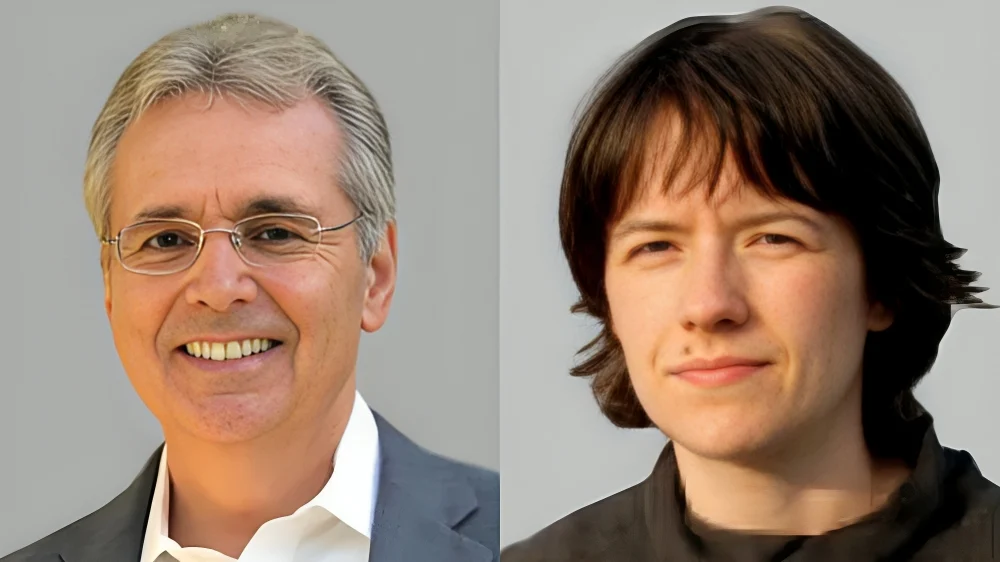
Ron DePinho: CRISPR Progress in Cellular Immunotherapy
Ron DePinho, Professor and Past President of MD Anderson Cancer Center, shared a post on LinkedIn about a recent article by Heidi Ledford, adding:
”CRISPR progress in cellular immunotherapy …
Researchers used a combination of engineered viruses and virus-like particles to target T cells. The particles carried RNA and protein machinery needed for CRISPR–Cas9 gene editing, and the viruses contained the DNA encoding the CAR protein. T cells had to receive both payloads to become a CAR T cell.
In mice with leukaemia and multiple myeloma, tumors were completely wiped out in the treated mice, and more than half of the treated group with sarcomas entered full remission. A biotechnology company, Azalea Therapeutics is now testing the approach in monkeys and hopes to have clinical trials in people by the end of next year. While encouraging, it remains to be seen how long the effects of the treatment last, or whether CRISPR–Cas9 might be introducing any unwanted changes to the genome.”
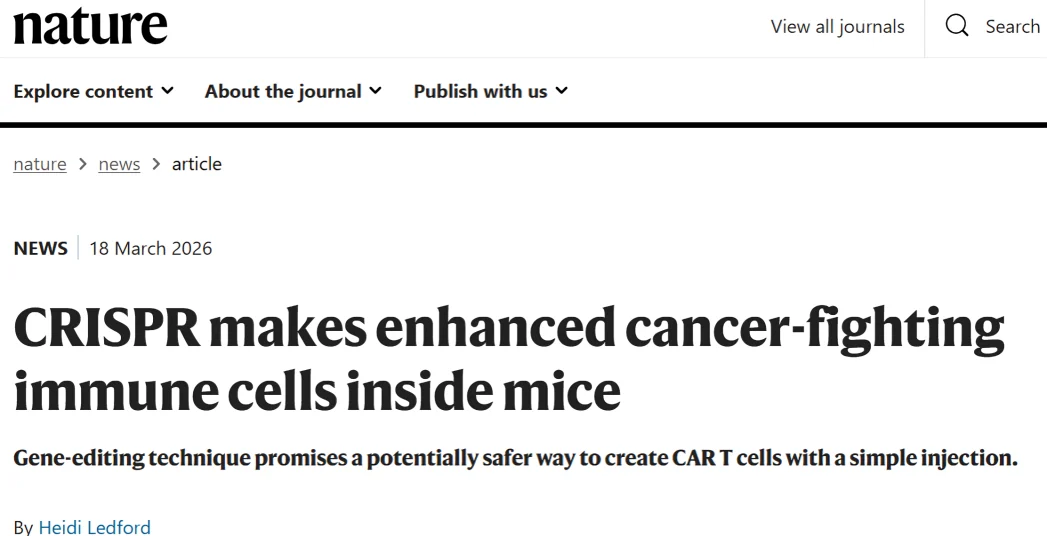
Title: CRISPR makes enhanced cancer-fighting immune cells inside mice
Author: Heidi Ledford
Read the Full Article on Nature
Stay updated on all scientific advances with Hemostasis Today.
-
Sep 20, 2026, 16:42Kate Grushetzkaya: The Essential Flow Cytometry Checklist – 6 Steps to Better Data
-
Sep 20, 2026, 16:32New Episode of The Hematologist Podcast – ASH
-
Sep 20, 2026, 16:26Thomas Schinecker: A New Era for Health Innovation – Inside the Roche Genentech Innovation Center
-
Sep 20, 2026, 16:19Astha Srivastava: The Missing Megakaryocytes in Amegakaryocytic Thrombocytopenia
-
Sep 20, 2026, 16:19Heghine Khachatryan: An Elegant Example of Precision Thrombolysis – Targeting the Scaffold of Microvascular Thrombosis
-
Sep 20, 2026, 16:01Mohamed Ismail: Managing Extensive Iliofemoral and Inferior Vena Cava DVT
-
Sep 20, 2026, 15:58Can αIIbβ3 Receptor Play a Role in Platelet Production – Glanzmann’s Research Foundation
-
Sep 20, 2026, 15:46Alexsander Santiago: Evaluating Clinical Harm from Missing versus Overdiagnosing HIT
-
Sep 20, 2026, 15:28Nico Gagelmann: iMTSS to Dissect the Drivers of Post-Transplant Outcomes