

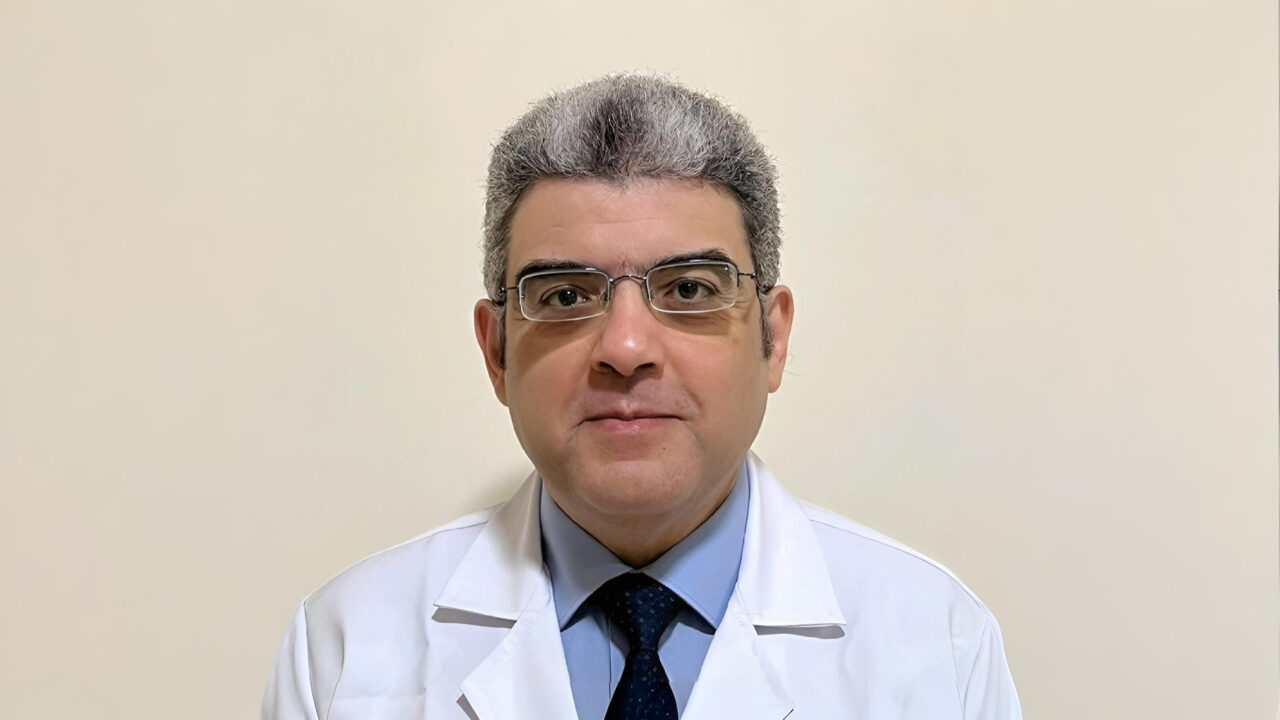
Tarek Abbas: Patients With Advanced Cardiovascular Kidney Metabolic Syndrome Have High Risk of Cardiovascular Complications
Tarek Abbas, Senior Consultant of Nephrology and Renal Transplantation at Mansoura University School of Medicine, shared a post on LinkedIn:
“What to do with key cardiovascular drugs when kidney function worsens?
Title: What to do with key cardiovascular drugs when kidney function worsens?
Authors: Karin Bergen, Jonas Spaak
Read full study here.
Clinical Kidney Journal, sfaf354,
Published: 21 November 2025
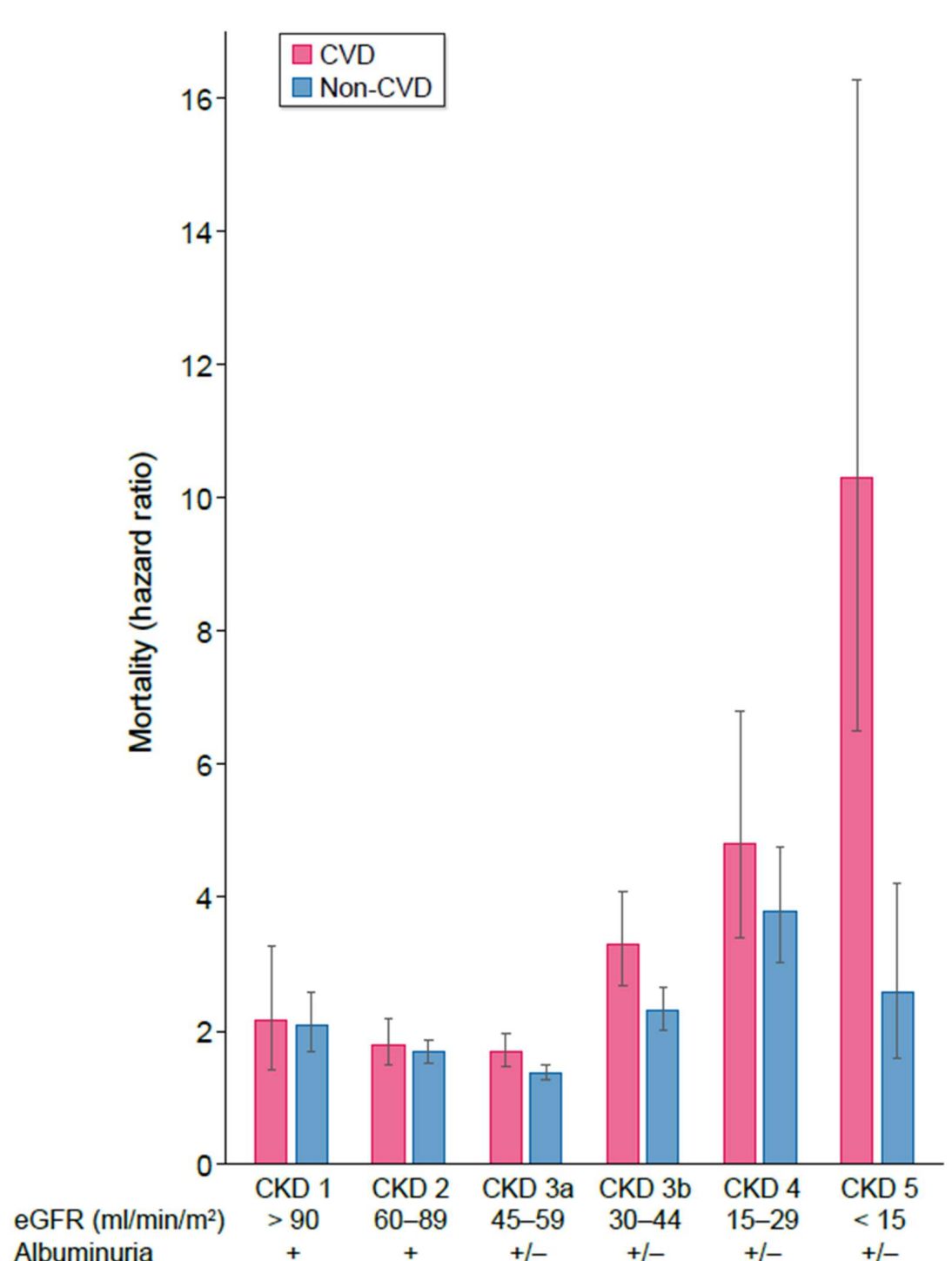
Patients with advanced cardiovascular kidney metabolic syndrome have high risk of cardiovascular complications.
Guideline-directed medical therapies (GDMT) are critical for mitigating cardiovascular risk and improving prognosis.
Patients with more advanced kidney disease have frequently been excluded from the foundational cardiovascular outcome trials, leaving clinicians with a paucity of evidence with regards to the cardiovascular benefits and potential risks involved in initiating or maintaining GDMT for cardiovascular diseases in patients with chronic kidney disease stages 4 and 5.
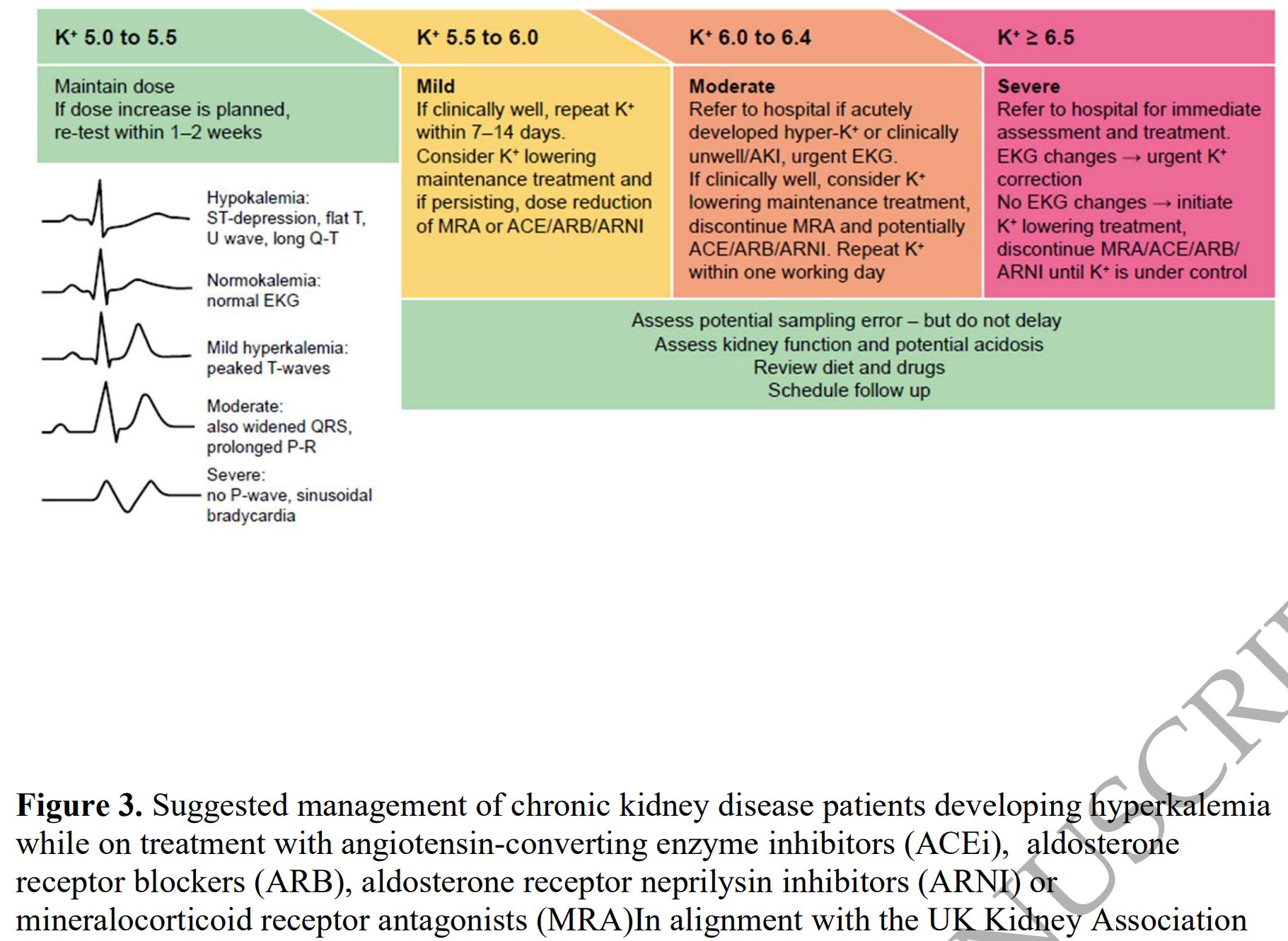
Systematic underutilization of GDMT among patients with advanced chronic kidney disease (CKD) is caused by a combination of clinical inertia and a legitimate fear of potential side-effects such as hyperkalemia and rises in creatinine, which necessitate repeat lab monitoring, dose adjustment and additional potassium lowering treatment.
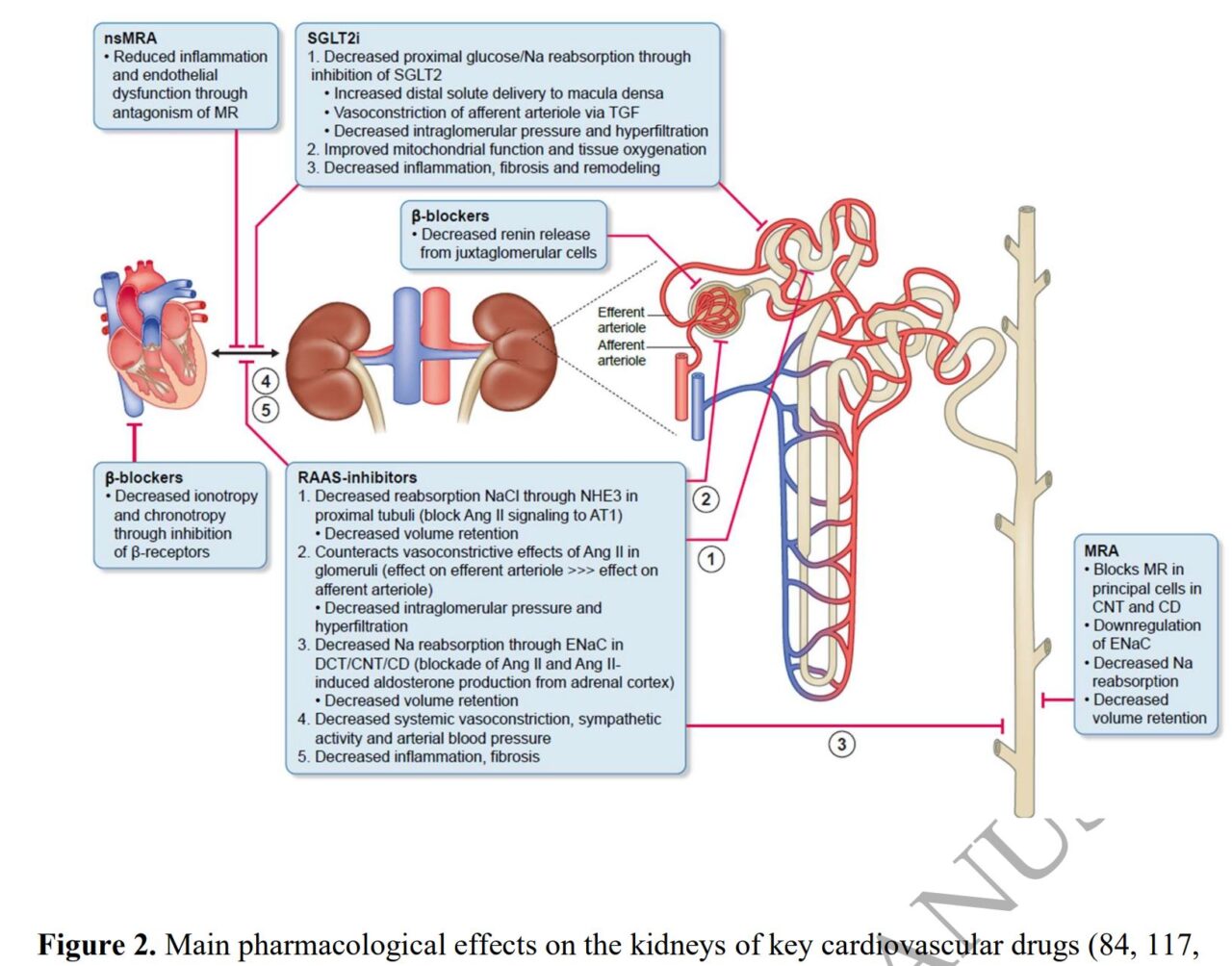
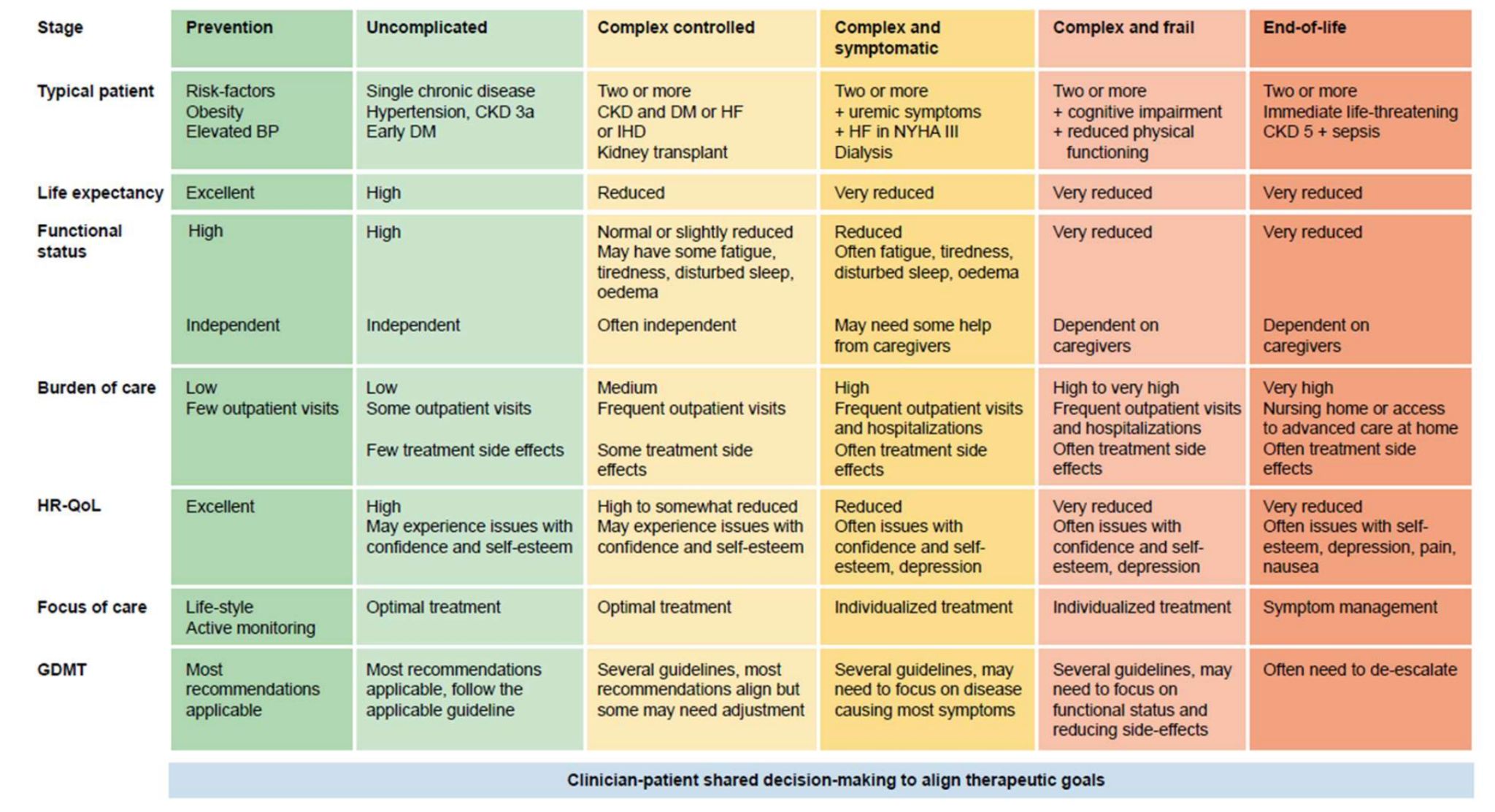
In this clinical review, the authors summarized the accumulating evidence of using key cardiovascular drugs among patients with advanced CKD, (with an emphasis on GDMT in patients with heart failure), and outlined the treatment approach used in integrated heart-nephrology-diabetes clinic.
Since the evidence is not clear and patients are older, frailer and have more multimorbidity than those included in clinical trials, sound clinical judgment, individual patient tolerability as well as shared decision making are key.
Continuous alignment treatment goals with patient preferences across different phases of life and adjusting GDMT in the face of increasing frailty.”
Stay updated with Hemostasis Today.
-
Oct 15, 2026, 19:41Looking Beyond Platelet Counts to Quality of Life in ITP – American Society of Hematology
-
Oct 15, 2026, 19:32Markus Gregorio Barbosa: Hepatic VPS35 and Cholesterol Homeostasis
-
Oct 15, 2026, 19:18Emerging Novel Therapies for Hereditary Hemorrhagic Telangiectasia – The Lancet Haematology
-
Oct 15, 2026, 19:04Umberto Pensato: EVT Treatment Effects Across Perfusion Profiles in MeVO Stroke
-
Oct 15, 2026, 18:26Chanakya Nayudu: Presenting My Research at ISTH Congress 2026 in Paris
-
Oct 15, 2026, 18:09Maha Othman: Students Lead World Thrombosis Day 2026 Awareness Events
-
Oct 15, 2026, 17:52Jill de Mol։ Rapamycin Modulates Immune Responses in Aged Atherosclerosis
-
Oct 15, 2026, 17:41Victor Aboyans։ Think About Lipids in VTE
-
Oct 15, 2026, 17:08Babu Mia։ Targeting PPM1D to Eliminate Malignant Stem Cells in Myeloproliferative Neoplasms