

Von Willebrand Disease: Bridging the Evidence Gap with a Call to Action for Equitable Care
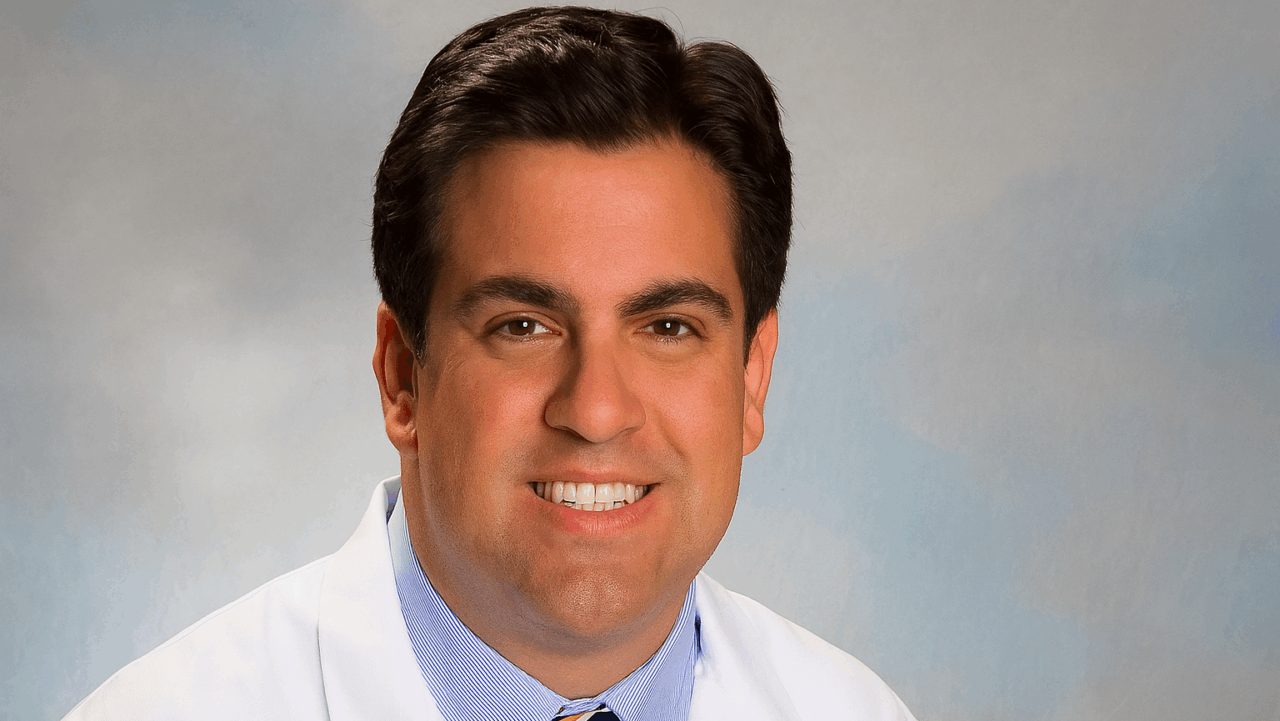
Nathan Connell, Hematologist at Harvard Medical School, shared a post on LinkedIn:
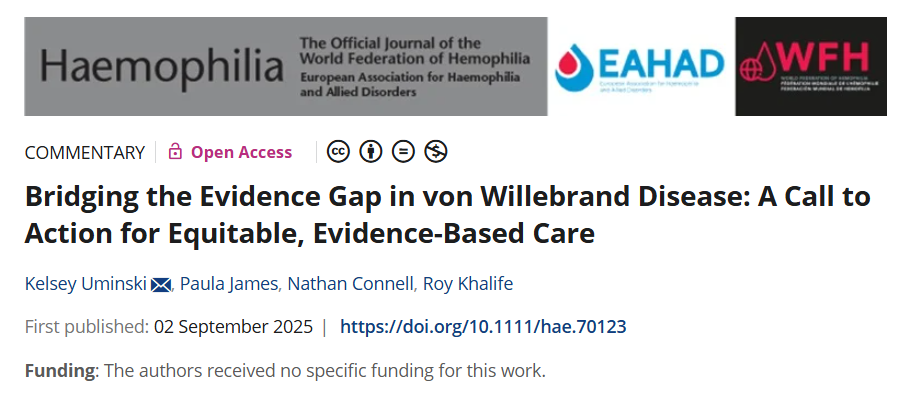
“Thank you to Drs. Kelsey Uminski, Paula James, and Roy Khalife for asking me to join them in preparing this commentary in Haemophilia Journal, “Bridging the Evidence Gap in von Willebrand Disease: A Call to Action for Equitable, Evidence-Based Care.”
For decades, von Willebrand disease (VWD), the most common inherited bleeding disorder, has been under-researched compared to hemophilia. This evidence gap has led to significant challenges in patient care, including clinical uncertainties and wide variability in practice. This paper outlines why this gap exists and presents a coordinated, five-point research agenda to help close it:
▪️Patient-Centered Trial Design: Shifting away from endpoints that don’t capture the full impact of VWD and focusing on what matters most to patients, like the effect on quality of life.
▪️Adoption of Core Outcome Sets: Standardizing key outcomes to make research more comparable and clinically applicable.
▪️PK-Guided Therapy: Developing accessible tools for individualized, precise dosing, similar to what has revolutionized hemophilia care.
▪️Network Research and Real-World Data: Expanding registries and networks to gather data and better understand long-term outcomes for patients.
▪️Embedded Patient and Clinician Partnerships: Meaningfully engaging with patients and providers to ensure research questions are relevant to real-world needs.
This call to action is about more than just science; it’s about equity. VWD has suffered from historical underinvestment and under recognition, especially for conditions that disproportionately affect women. We believe equitable care requires equitable evidence, and VWD is too important to overlook.
Read the full commentary here.”
More posts featured in Hemostasis Today.
-
Sep 22, 2026, 15:27Zia Ullah: RBC-Derived Extracellular Vesicles as Potential Biomarkers of Thrombotic Risk in Dengue
-
Sep 22, 2026, 15:01Lesley Van Wyk: What Each Iron Markers Actually Mean
-
Sep 22, 2026, 14:37Chokri Ben Lamine։ Saudi Arabia Leads A New Milestone In Hemophilia A Care
-
Sep 22, 2026, 13:58Giulia Passaniti: Dual Inferior Vena Cava Anatomy in Tetralogy of Fallot
-
Sep 22, 2026, 13:35Michael Miyamoto: Scaling Guideline Based Lipid Management in Community Practice
-
Sep 22, 2026, 13:15Suvro Sankha Datta: Developing Blood Group Genotyping Platform Using a Gold-Oligo
-
Sep 22, 2026, 13:07Caitlin Raymond: The Plasma Chaser in Therapeutic Plasma Exchange
-
Sep 22, 2026, 09:18Shamee Shastry: How Transfusion Medicine Research Is Evolving in India
-
Sep 22, 2026, 09:11Tarique Shahzad Chachar: Why Warfarin Remains the Gold Standard for Mechanical Heart Valves