

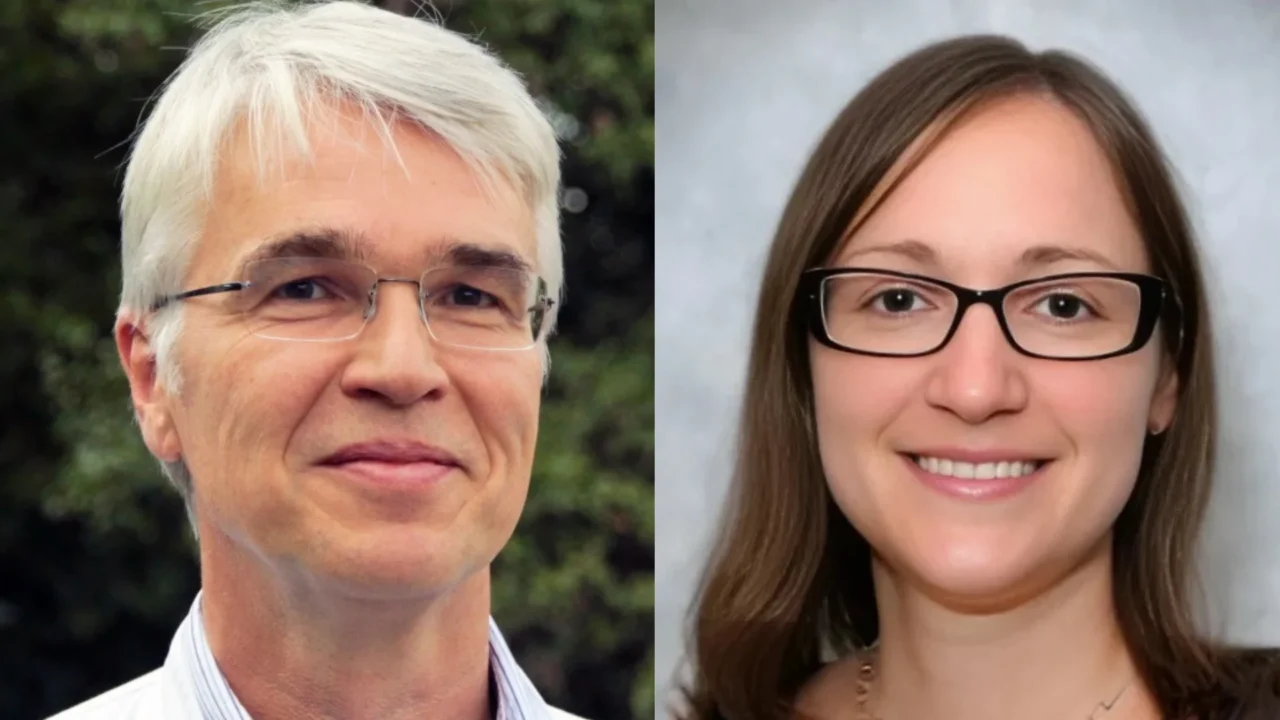
Wolfgang Miesbach: New Real-World Data Reveal Ongoing Burden in Moderate-to-Severe Haemophilia A
Wolfgang Miesbach, Professor of Medicine at Frankfurt University Hospital, shared a post on LinkedIn about a recent article by Allison Wheeler et al, published in Haemophilia Journal:
”Even with modern prophylaxis, people with moderate‑to‑severe haemophilia A continue to live with a meaningful burden of bleeding, pain and impaired quality of life.
New real‑world data in haemophilia A.
211 people with moderate‑to‑severe haemophilia A from the US
Prophylaxis with:
- SHL FVIII in 58% of participants
- EHL FVIII in 38% of participants
- Emicizumab in 39% of participants
(many individuals received more than one class over time)
Longitudinal medical records plus PROMIS‑29 and pain surveys
Some observations from this study
- Most participants still had ≥1 bleed/year, regardless of prophylaxis class – ‘low’ ABR does not equal no disease burden.
- On‑demand factor use remained frequent, signalling persistent breakthrough bleeding.
- Pain medication use was high across all treatment groups, reflecting substantial chronic pain and pain flares.
- PROMIS‑29 scores showed not only pain interference, but also pronounced sleep disturbance, fatigue, anxiety and restrictions in social roles and activities – impacting work, family life and participation in daily routines.
Why this matters
These data underline that controlling bleed numbers alone is not enough.
We still need to better individualise therapy, proactively manage chronic and breakthrough pain, and systematically capture patient‑reported outcomes to understand the real physical, emotional and social burden of haemophilia A in clinical practice.
Congratulations to the Allison Wheeler and co-authors for highlighting these important unmet needs in haemophilia A.”
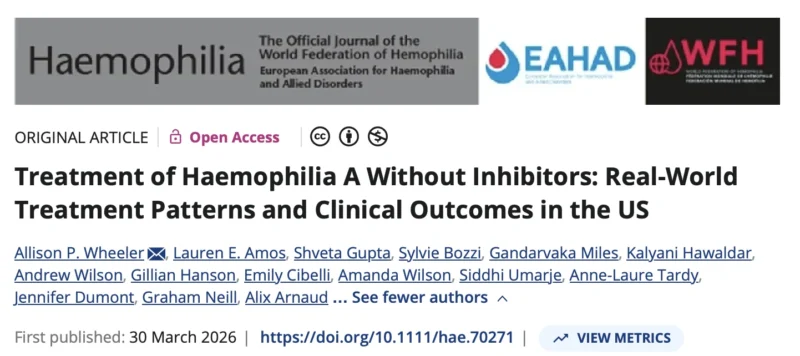
Title: Treatment of Haemophilia A Without Inhibitors: Real-World Treatment Patterns and Clinical Outcomes in the US
Authors: Allison P. Wheeler, Lauren E. Amos, Shveta Gupta, Sylvie Bozzi, Gandarvaka Miles, Kalyani Hawaldar, Andrew Wilson, Gillian Hanson, Emily Cibelli, Amanda Wilson, Siddhi Umarje, Anne-Laure Tardy, Jennifer Dumont, Graham Neill, Alix Arnaud
Read the Full Article on Haemophilia Journal
Stay updated on all scientific advances with Hemostasis Today.
-
Nov 15, 2026, 23:44Pablo César Spada: Prevention of Venous Thromboembolism After Total Hip or Knee Replacement
-
Nov 15, 2026, 23:30Eshal Amir: Factor XI Inhibitors in AFib and Aortic Mortality Trends
-
Nov 15, 2026, 23:19Hamza Bashir: Adding Endovascular Therapy to Anticoagulation Cuts Moderate-to-Severe PTS in Half
-
Nov 15, 2026, 23:06Lanre Tunji-Ajayi: 2 Days of Deliberative Dialogue Hosted by the Network of Rare Blood Disorder Organizations
-
Nov 15, 2026, 23:00Fanny Delettre: Looking Back at Volunteer Blood Donor Friends Day
-
Nov 15, 2026, 20:56Victoria Adedoyin Adisa-Thomas: What I Learned About SCD During My Genetic Counselling Rotation
-
Nov 15, 2026, 20:55Martin Holst Lange: One Step Closer to a Potential New Treatment for Sickle Cell Disease
-
Nov 15, 2026, 20:53Bontha Babu: Health-Related Quality of Life Among Adults with Sickle Cell Disease in India
-
Nov 15, 2026, 20:52Miguel Ángel Herrera Rojas: A First-Line ITP Approach Presented at ASH in 2013 Now Reflected in the 2026 Guidelines