

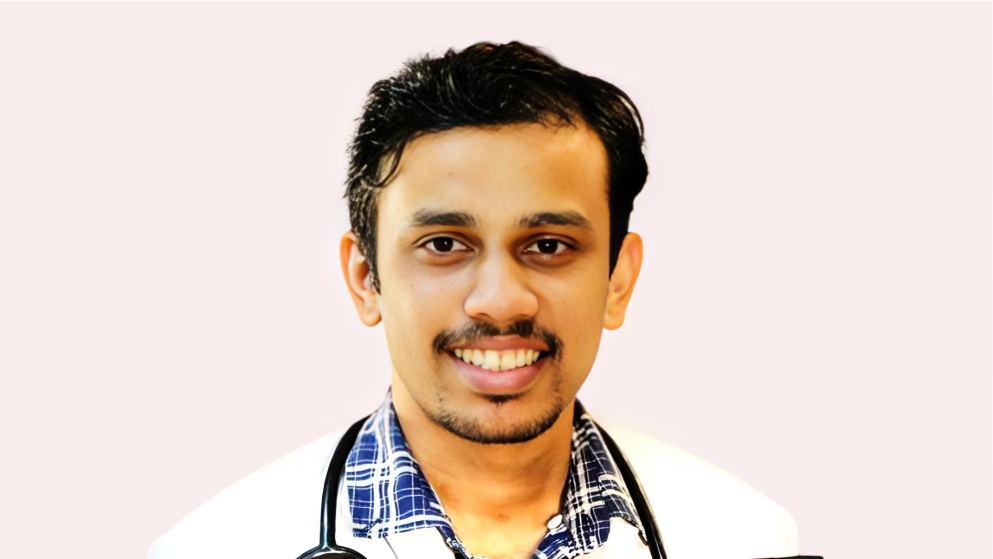
Adithya Hande: India’s Silent Killer and a Scientific Breakthrough
Adithya Hande, Head of Clinical Projects at DERBI Foundation, shared a post on LinkedIn:
”India’s Silent Killer — and a Scientific Breakthrough You Need to Know About
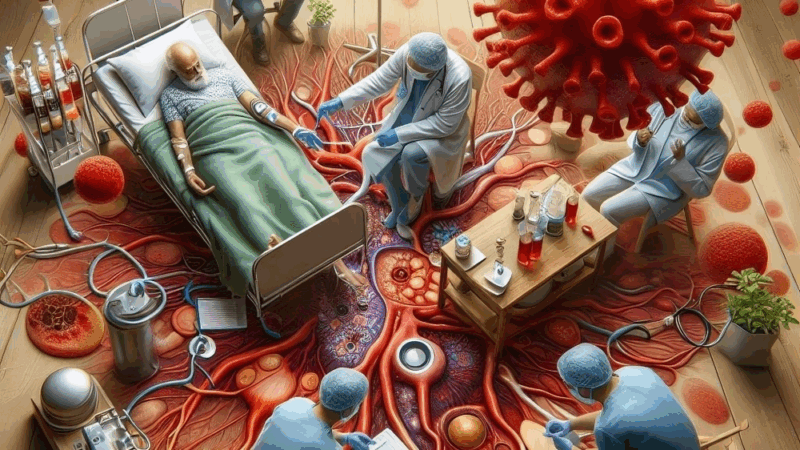
Thrombosis-related diseases (like pulmonary embolism, stroke, and DVT) are quietly responsible for millions of hospitalizations and deaths in India each year — especially post-COVID.
Yet, we’re still relying on decades-old anticoagulants with dangerous side effects like internal bleeding and poor patient adherence.
But what if we could prevent clots safely, without disrupting the body’s natural healing?
Scientists at IISc have developed a game-changing nanozyme that mimics antioxidant enzymes — a first-of-its-kind, bleeding-free clot therapy.
This article dives into:
- What makes this science revolutionary
- The current treatment challenges for thrombosis in India
- Market gaps ripe for startup innovation
- Why this could be a deeptech goldmine for healthcare entrepreneurs
Click below to read the full breakdown — from a healthcare innovation lens.”
Stay updated with Hemostasis Today.
-
Oct 10, 2026, 17:58Archo Farzana Batool: Exploring Medical Writing Through an Article on Iron Deficiency Anemia
-
Oct 10, 2026, 17:53Assessing Frailty in Adults With Hemophilia – JTH
-
Oct 10, 2026, 17:52Fatma Sadeghi: Reducing Maternal Health Inequalities Through Nursing Advocacy
-
Oct 10, 2026, 17:50Grzegorz Hensler: How Apheresis Transformed Blood Cell Separation and Collection
-
Oct 10, 2026, 17:47Hemant K Sharma: Japan’s Universal Artificial Blood Research – A Potential Breakthrough in Transfusion Medicine
-
Oct 10, 2026, 17:40John Strouse: Learning About Bleeding Disorders and Sickle Cell Disease at FWGBD
-
Oct 10, 2026, 17:34Mae Caime: Speaking at the Annual Women’s Retreat for the Hemophilia Community in Florida
-
Oct 10, 2026, 17:30Chokri Ben Lamine: PNH beyond the Textbook Triad
-
Oct 10, 2026, 17:29Ruah Alyamany: Thrombosis and Anticoagulation in Hematological Malignancies at SOHO KSA 2026