

Péter Pál Böjti on CREST-2 Trial: Does Carotid Revascularisation Still Matter?
Péter Pál Böjti, Neurointerventionist at Semmelweis University Department of Neurosurgery and Neurointervention, shared on LinkedIn:
”When absolute stroke risks are already low with modern pharmacotherapy, does carotid revascularisation still matter?
CREST‑2 suggests yes—in the right hands, for the right patients.
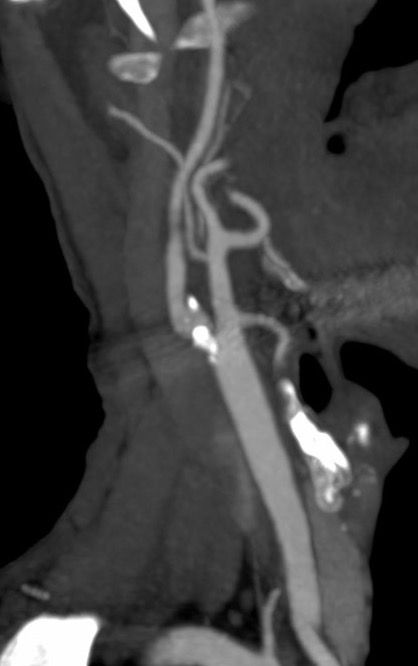
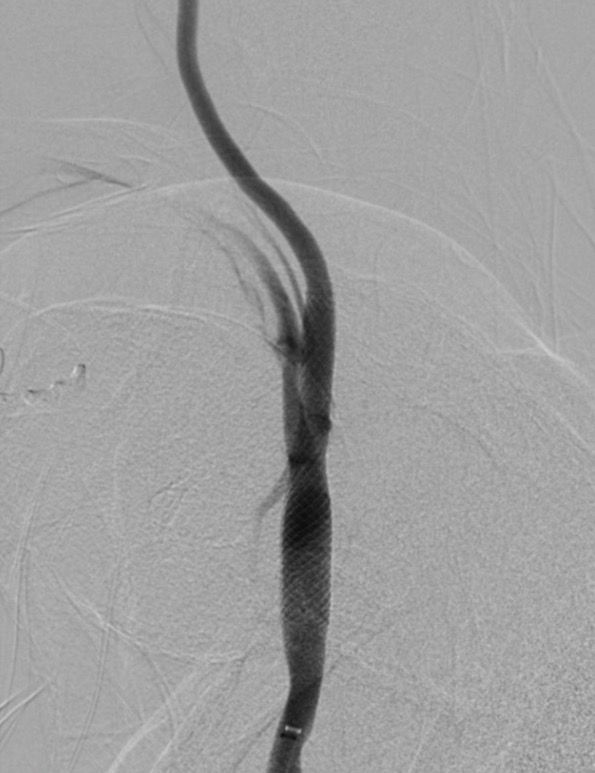
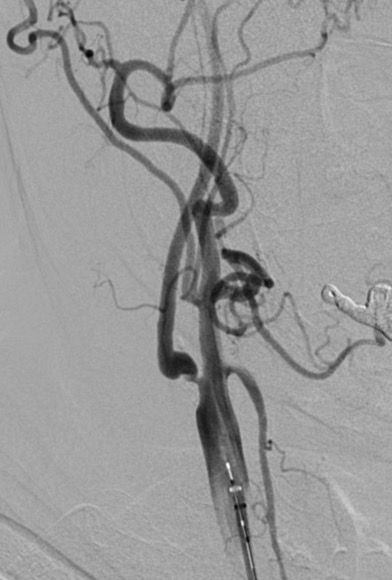
CREST‑2 is a strong reminder that even in the era of intensive, guideline‑driven pharmacotherapy, carotid revascularisation still has meaningful added value for selected asymptomatic patients.
In >2,400 patients with ≥70% asymptomatic carotid stenosis on optimised modern medical therapy, adding carotid stenting almost halved the 4‑year risk of stroke/death vs. medical therapy alone (≈6.0% → 2.8%), with a number needed to treat of ~31 to prevent one primary outcome event over 4 years.
At the same time, absolute stroke risks were low in all arms, underlining how far intensive risk‑factor control and lifestyle management have already brought us.
In the endarterectomy trial, intensive medical therapy alone performed so well that CEA did not reach a statistically significant additional benefit: 4‑year primary‑outcome rates were ≈5.3% with medical therapy vs. ≈3.7% with CEA, with a small absolute difference and overlapping confidence intervals.
Key practical points:
– Revascularisation provides significant additional clinical benefit on top of advanced pharmacological treatment in carefully selected asymptomatic patients.
– The clearest incremental benefit in CREST‑2 was seen with stenting plus best medical therapy, while CEA showed only a modest, statistically non‑significant numerical advantage over medical therapy alone.
– All of this was achieved in expert, high‑volume centres with rigorously credentialed operators and very low peri‑procedural complication rates.
So if we talk about “revascularisation vs. no revascularisation”, CREST‑2 is really saying:
‘Yes—but with the right patient, the right operator, and the right centre.”’
Stay updated with Hemostasis Today.
-
Nov 14, 2026, 00:23Saji Kumar: The Role of Agentic AI in Blood Bank Inventory Coordination
-
Nov 14, 2026, 00:04Carlos A. Metidieri Menegozzo: The First Priority in Trauma Transfusion May Be Time to First Blood Product
-
Nov 13, 2026, 23:43Alamgir Hosen Ronit: Corrected Platelet Count in EDTA Induced Platelet Aggregation
-
Nov 13, 2026, 23:32Evi Loos: Can PRP Improve Pain in Thumb Base Osteoarthritis?
-
Nov 13, 2026, 23:10Cesar de Almeida Neto: Digital Connectivity Can Transform Plateletpheresis Practice
-
Nov 13, 2026, 23:10Chien-Wen Liew: Where PRP Actually Sits in the Evidence
-
Nov 13, 2026, 23:08Erika Koppers: Continuing the Collaborative Journey Towards Equitable Haemophilia Care in South Africa
-
Nov 13, 2026, 23:06Büşra Ece Günaydın: A New Approach to Factor VIII Gene Insertion for Hemophilia A
-
Nov 13, 2026, 22:57Rolf Bekendam: Moderating a Conversation With Experts on Rare Bleeding Disorders