

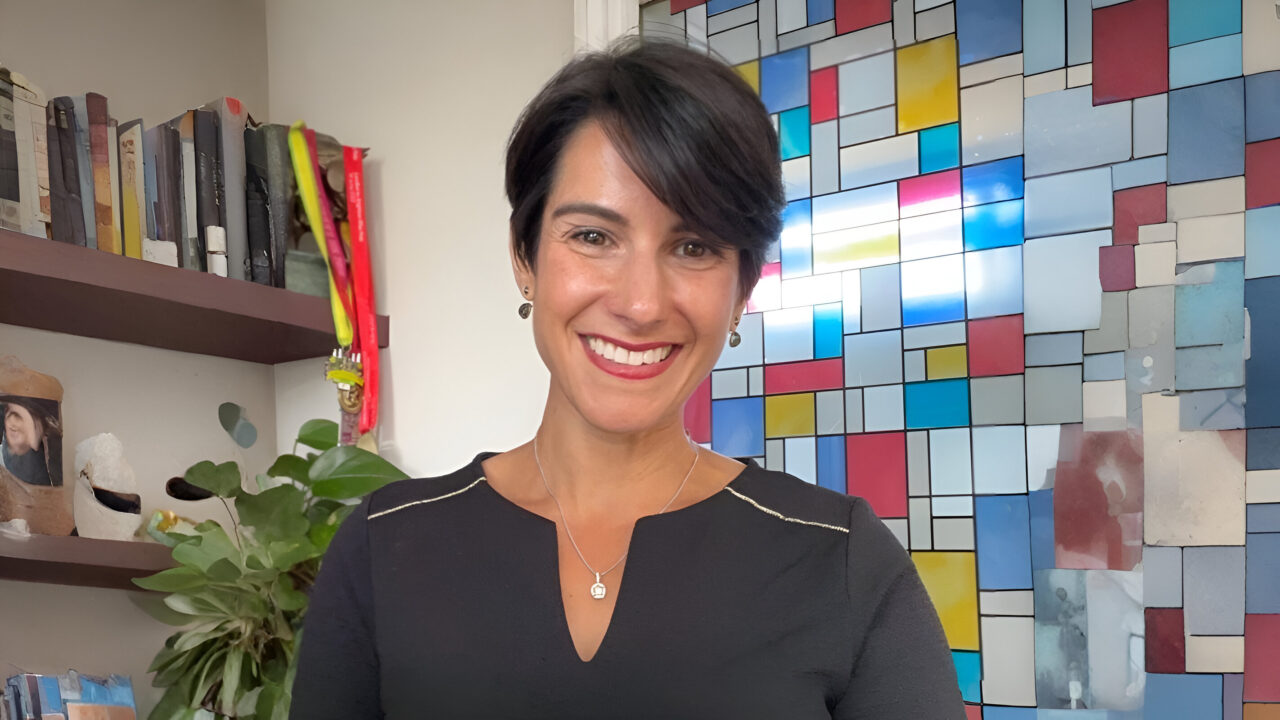
Maeva May Shares Stroke Association’s New Research Strategy that Launched at UKSF2025
Maeva May, Associate Director of Systems Engagement at Stroke Association, shared on LinkedIn:
”I’m really proud to share the Stroke Association’s new research strategy, which launched yesterday at UKSF2025.
It reflects months of listening to researchers, healthcare professionals, funders and people affected by stroke, alongside a clear-eyed look at the realities of UK stroke research.
Stroke research remains chronically underfunded, and too many promising ideas still take far too long to reach practice.
Yet what has struck me throughout this process is the strength, insight and determination across the stroke community.
This strategy tries to honour that by setting out a practical, ambitious plan to grow research capacity, embed lived experience, and accelerate the journey from discovery to delivery.
For me, this is about more than funding.
It’s about fairness, momentum and making sure that advances in science translate into better outcomes for people whose lives have been upended by stroke.
I’m excited about what we can achieve together.
You can read the strategy and accessible version here.”
Stay updated with Hemostasis Today.
-
Sep 11, 2026, 17:41Khaled Musallam: Earlier Recognition, Better Outcomes in NTDT
-
Sep 11, 2026, 17:29Reyhan Kose Cobanoglu: APS ACTION Registry Study Published in Lupus
-
Sep 11, 2026, 17:14Obi Light Ogbonnia: From Kenya to Global Sickle Cell Advocacy
-
Sep 11, 2026, 17:01EAHAD 2027 Marks 20 Years
-
Sep 11, 2026, 16:54Denise Braendgaard: Reimagining Health Systems Through Collective Action
-
Sep 11, 2026, 16:47Jehad Khamaysa: Budd-Chiari Syndrome as the Initial Presentation of Behçet’s Disease in a 16-Year-Old
-
Sep 11, 2026, 16:44Mostafa Faisal Mohammed Saleh: From HLA Biology to Curative Therapy
-
Sep 11, 2026, 16:38Jim Kaveney: Class I, Level A – Lifestyle is Now the Official Standard in AFib Care
-
Sep 11, 2026, 16:31George Touma: Do We Really Need to Implant Metal in Every High-Bleeding-Risk Patient?