

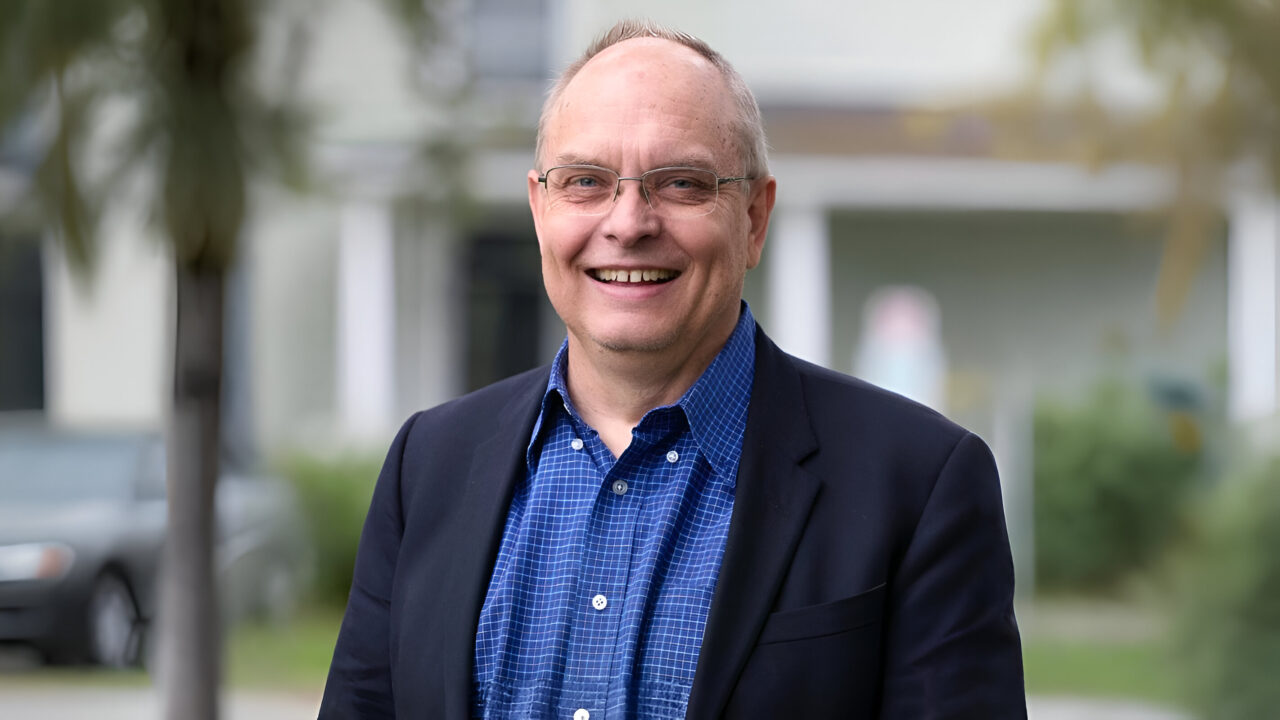
Mark Crowther: How Artificial Intelligence Is Entering The Field of Hematology
Mark Crowther, Distinguished University Professor and Chair, Department of Medicine at McMaster University, shared on LinkedIn:
”Fair Warning: This One Is for the Hematologists… Mostly.
If your day does not typically involve peripheral smears, coagulation assays, or bone marrow biopsies, this may feel a bit niche.
But stay with me.
A recent article in The Hematologist from the American Society of Hematology examines how artificial intelligence is entering the field of hematology — and while the examples are specialty-specific, the implications are much broader.
AI is already influencing how we:
- Interpret laboratory data and digital morphology
- Analyze large-scale genomic and clinical datasets
- Synthesize literature and draft documentation
- Predict outcomes and support risk stratification
Hematology is a useful case study.
It is data-rich, image-heavy, and highly quantitative — an ideal testing ground for algorithmic tools.
But the core questions apply across medicine, engineering, education, and health systems:
- How do we validate these tools before adoption?
- How do we recognize and mitigate embedded bias?
- How do we train professionals to use AI critically rather than passively?
- Where does accountability sit when machines assist decision-making?
At institutions like McMaster University, these are not abstract issues.
They are central to our broader AI agenda — integrating innovation while preserving rigor, transparency, and professional judgment.
So yes — this post may disproportionately excite hematologists.
But the conversation is much larger than one specialty.
AI will not replace expertise. It will reshape how expertise is exercised.”
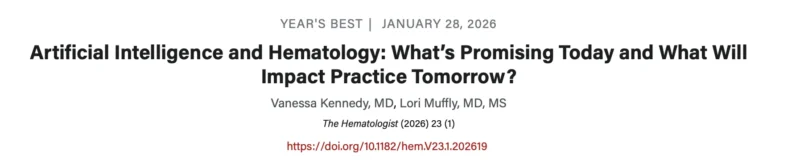
Title: Artificial Intelligence and Hematology: What’s Promising Today and What Will Impact Practice Tomorrow?
Authors: Vanessa Kennedy, Lori Muffly
Read the Full Article on The Hematologist
Stay updated on all scientific advances with Hemostasis Today.
-
Oct 19, 2026, 19:44Where You Live Should not Determine Whether You Receive Care – World Federation of Hemophilia
-
Oct 19, 2026, 19:42Belen Bianco: Prevention, Early Suspicion and an Interdisciplinary Approach Save Lives
-
Oct 19, 2026, 19:40Christina Chrysohoou: Catheter-Based LAAC vs OAC for Stroke Prevention in Atrial Fibrillation
-
Oct 19, 2026, 19:38Matthew Flick: A Two-Day Research Meeting on Fibrinogen, Hemostasis and Thrombosis
-
Oct 19, 2026, 19:37Hayat Saeed: Excited to Share Our Publication on the FGL1–Hepcidin Axis in Iron Homeostasis and Disease
-
Oct 19, 2026, 19:08IPAW 2026 Comes to a Close, but the Work Continues – PPTA
-
Oct 19, 2026, 17:44Paul Riley: Moderating a Webinar on Anticoagulation Monitoring
-
Oct 19, 2026, 16:36Christopher Pittman: Blood Clot Prevention Cannot End at Hospital Discharge
-
Oct 19, 2026, 16:13Javier M. Floren: When Immune Cells Move With Their Environment