

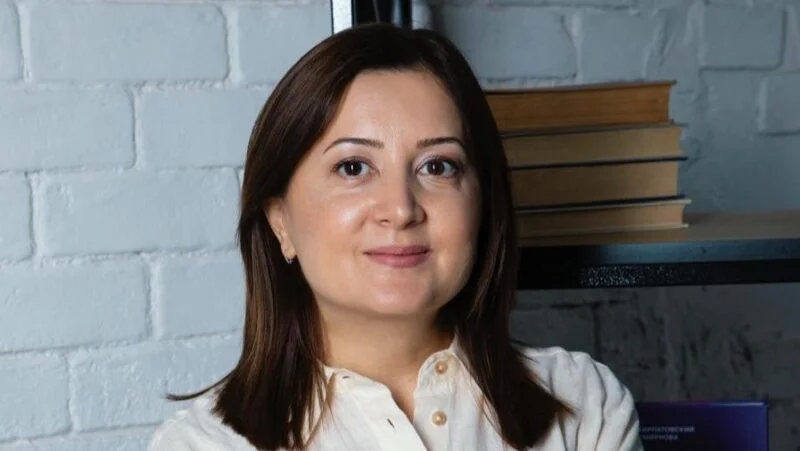
Heghine Khachatryan on the Lifeline of Blood: Why Every Donor is a Hero Behind the Science
Heghine Khachatryan, Editor-in-Chief of Hemostasis Today, Head of Hemophilia and Thrombosis Center at Yeolyan Hematology and Oncology Center, posted on LinkedIn:
“Blood transfusion saves lives – but only if there is a donor behind every unit of blood.
Every day, patients with cancer, blood diseases, trauma, massive bleeding, complicated pregnancies and major surgeries depend on safe blood transfusions. For them, donated blood is not just a product – it is a lifeline.
Modern transfusion medicine is highly regulated and evidence-based. Each unit of blood passes through strict testing, separation into components, and careful matching to the recipient. Behind every successful transfusion stands an invisible team: the voluntary donor, the laboratory specialists, the nurses and physicians who ensure that the right product reaches the right patient at the right time.
Yet in many hospitals we still experience critical shortages. This means postponed surgeries, limited treatment options, and sometimes the difference between life and death. Voluntary, regular, non-remunerated blood donation is the most sustainable way to guarantee safe blood for all who need it.
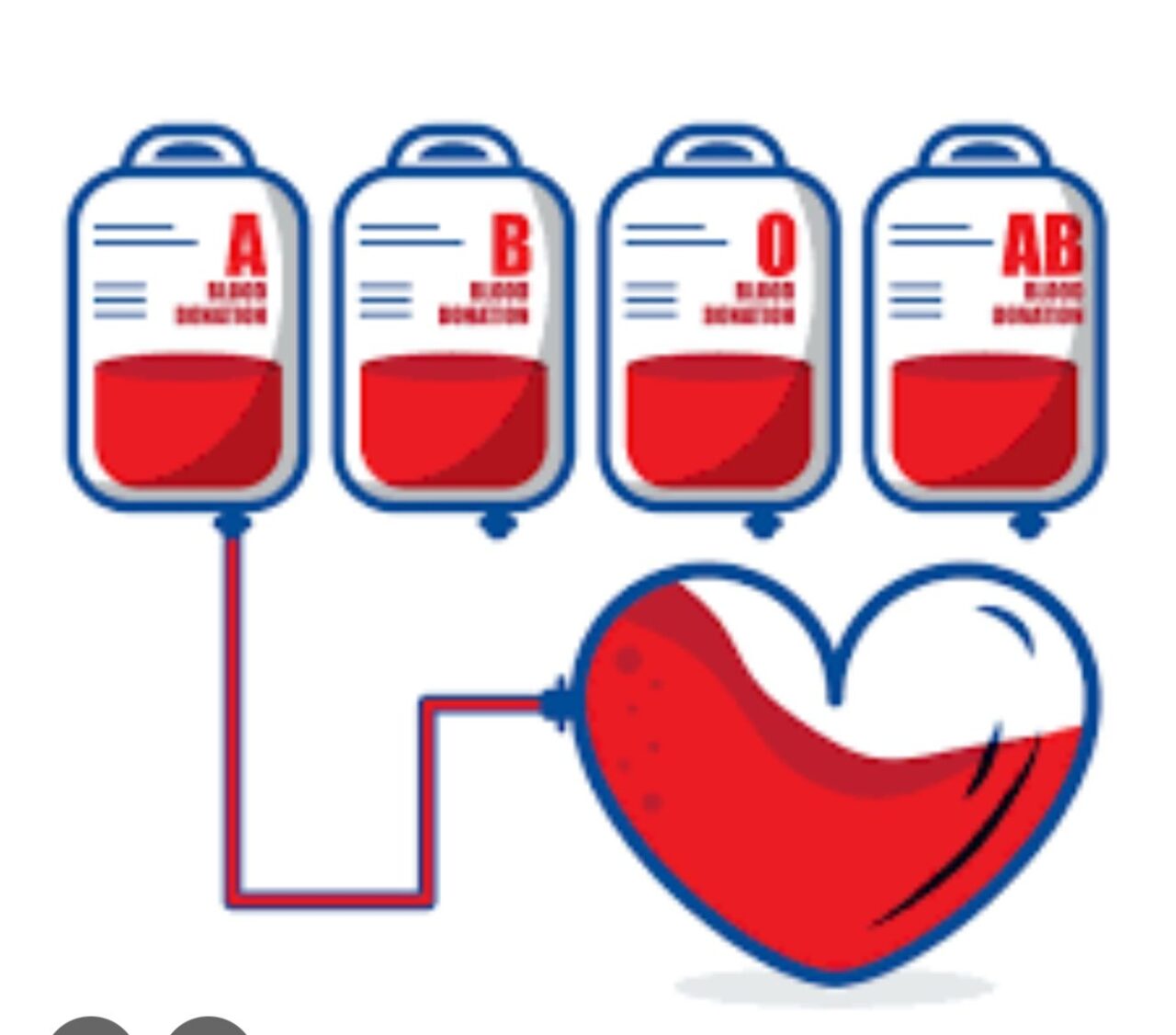
If you are healthy and eligible to donate, your contribution can:
• support patients with leukemia, lymphoma and aplastic anemia
• help women with severe obstetric bleeding
• stabilise patients after accidents and major surgery
• give children with hereditary blood disorders a chance to live full lives
Becoming a blood donor is one of the simplest and most powerful acts of solidarity.
It costs you around 20–30 minutes of your day, but it may add years to someone else’s life.
If you would like to support patients and our work in transfusion medicine, consider becoming a regular blood donor and invite your colleagues and friends to join you. Together we can build a culture where giving blood is a normal part of caring for our community.”
Get insights from Hemostasis Today.
-
Sep 24, 2026, 16:02Leonardo Roever: Understanding Peripheral Artery Disease in the Modern Era
-
Sep 24, 2026, 15:49Sthanu Subramanian: When HbA1c Does Not Reflect True Glycemia
-
Sep 24, 2026, 15:09Caroline Voltz-Girolt: Accelerating the Development of Innovative Therapies for Rare Blood Disorders
-
Sep 24, 2026, 15:00Gambo Ramatu: Anemia as a Preventable Pregnancy Challenge
-
Sep 24, 2026, 14:56Holly John: Sickle Cell Disease Beyond Pain and Clinical Outcomes
-
Sep 24, 2026, 14:45Bruce Holland: Ex Vivo Assessment of ActiGraft Clot Formation Under Anticoagulation
-
Sep 24, 2026, 14:33Mohamed El Belghiti Alaoui: Thrombin as a Therapeutic Target in Coagulation
-
Sep 24, 2026, 14:22Integrating Thrombosis Risk Into Menopause Care – World Thrombosis Day
-
Sep 24, 2026, 13:41Mahmoud Samir Bayomi: Raise ITP Awareness and Improve Patient Care