

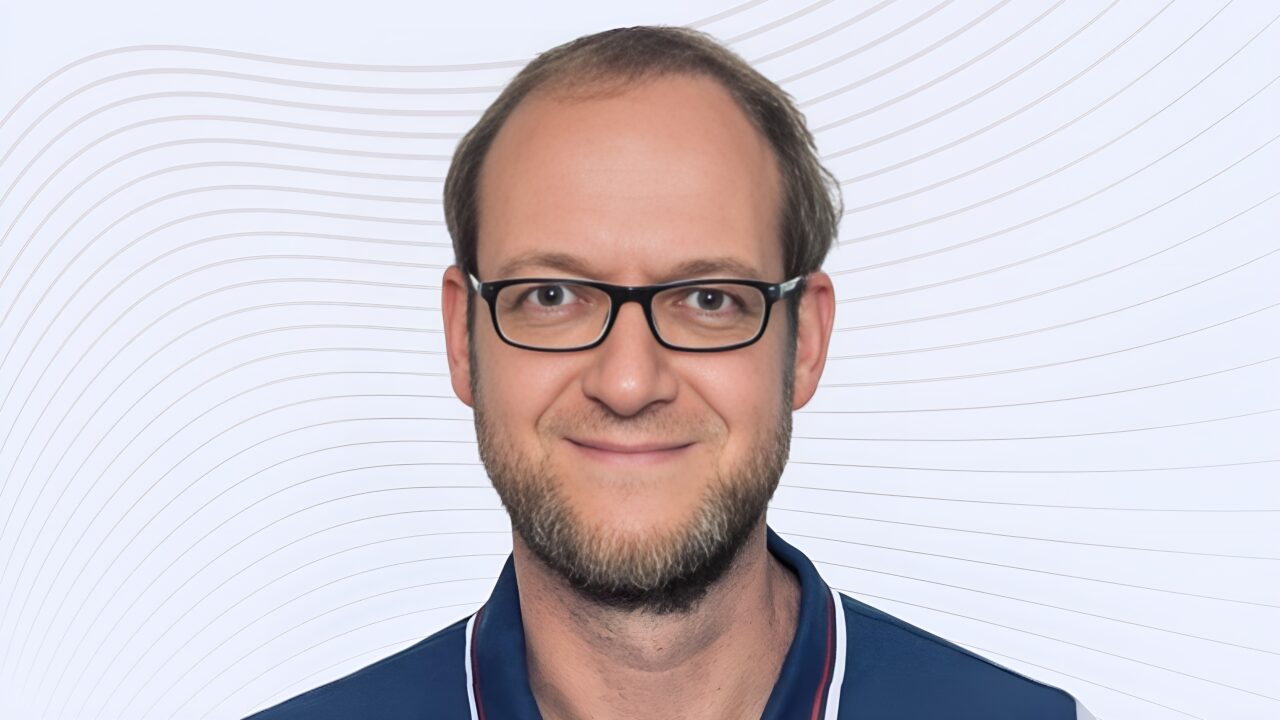
Dirk Sibbing on Antithrombotic Drugs for ACS in Women
Dirk Sibbing, Professor, Cardiologist and Angiologist at Lauterbacher Mill Private Clinic and LMU Munich, reposted from Women As One on LinkedIn:
”Important contribution to the field of tailored treatment in cardiovascular disease…
Gender matters when it comes to antithrombotic treatment in ACS patients”
Qutoing Women As One‘s post:
”Analysis highlights how women with acute coronary syndromes (ACS) experience distinct benefits and risks from antithrombotic therapy, signaling an urgent need for sex-specific treatment strategies.
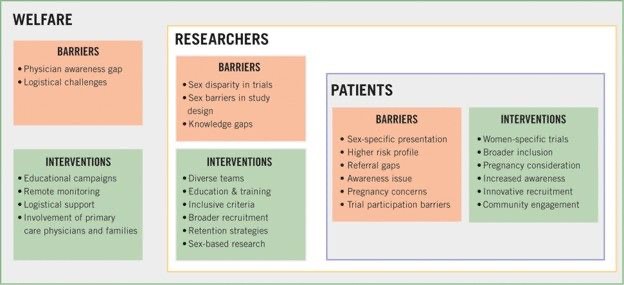
Published in the European Heart Journal, the paper led by Dr. Valeria Paradies and Jolanta Siller-Matula, explores the current barriers and potential interventions to improve the recruitment of women in cardiovascular trials.
Key Insights:
- Women show different bleeding and thrombotic risk profiles compared to men.
- Standard ACS guidelines, historically based on male-dominant data, may misestimate risks in women.
- The study reinforces the importance of representative clinical trials designed to capture these sex-related nuances.
This study underscores why clinical trials must include adequate numbers of women to uncover critical sex-based treatment effects, and findings should feed into female-specific clinical guidance and decision-making in daily practice.
We need continued advocacy for awareness, funding, and research that reflects real-world diversity.”
Read the full article here.
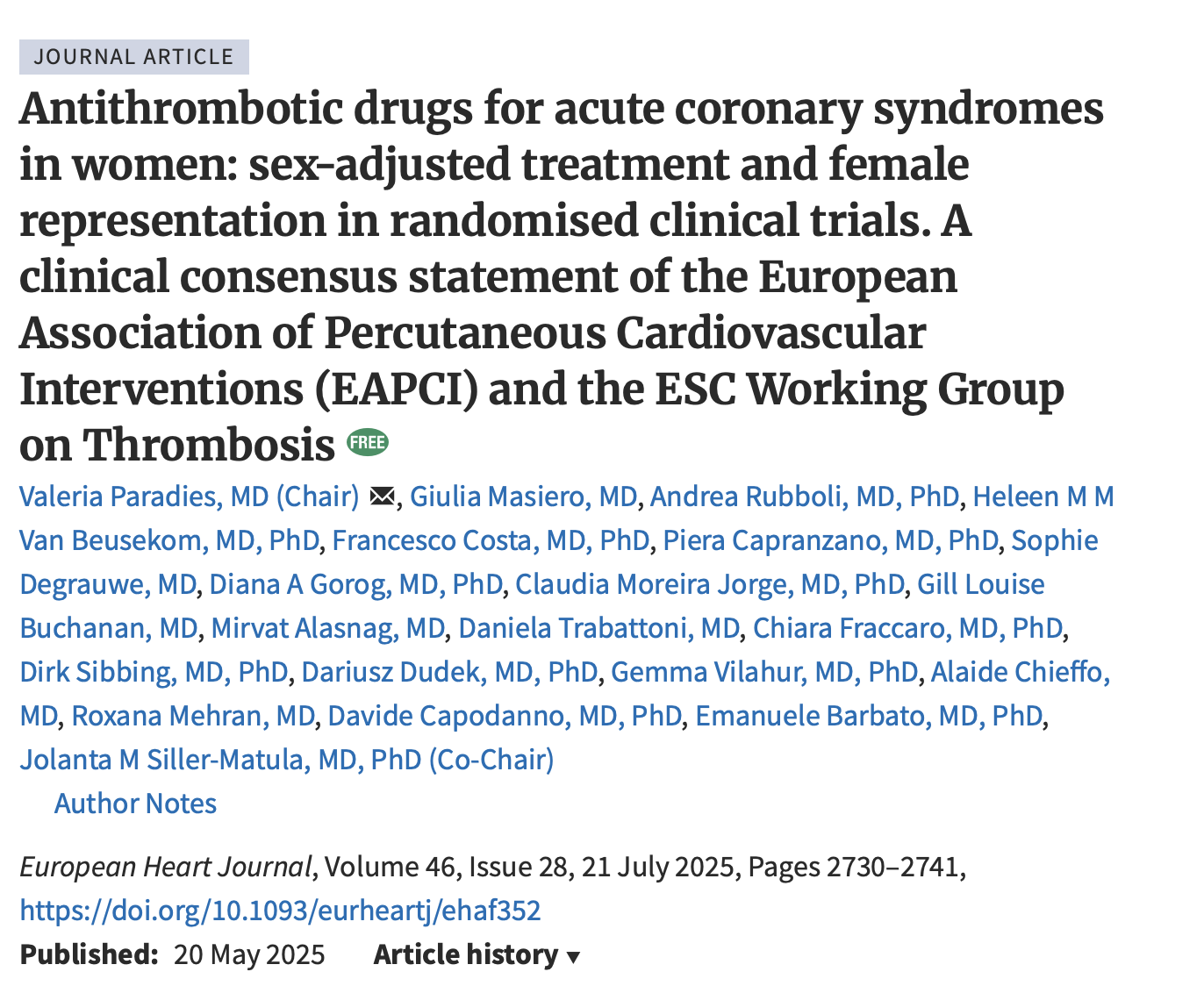
Article: Antithrombotic drugs for acute coronary syndromes in women: sex-adjusted treatment and female representation in randomised clinical trials. A clinical consensus statement of the European Association of Percutaneous Cardiovascular Interventions (EAPCI) and the ESC Working Group on Thrombosi
Authors: Valeria Paradies, Giulia Masiero, Andrea Rubboli, Heleen M M Van Beusekom, Francesco Costa, Piera Capranzano, Sophie Degrauwe, Diana A Gorog, Claudia Moreira Jorge, Gill Louise Buchanan, Mirvat Alasnag, Daniela Trabattoni, Chiara Fraccaro, Dirk Sibbing, Dariusz Dudek, Gemma Vilahur, Alaide Chieffo, Roxana Mehran, Davide Capodanno, Emanuele Barbato, Jolanta M Siller-Matula
Stay updated on all scientific advances with Hemostasis Today.
-
Oct 5, 2026, 22:55Steve Humphreys: A Big Thank You to BSHT for Providing Me With a Recent Skills Exchange Award
-
Oct 5, 2026, 22:52William McKeown: Great to Be in Istanbul for the Opening of the EHC 2026
-
Oct 5, 2026, 22:48Laura Quintas Lorenzo: A New Approach to Healthcare for von Willebrand Disease at EHC 2026
-
Oct 5, 2026, 22:46Anas Zayad: Pleased to Share Our New Review on Thrombosis in SCD and Beta Thalassemia
-
Oct 5, 2026, 22:44Cihan Ay: Honouring Eric Kandel and Eugene Braunwald at the Medical University of Vienna
-
Oct 5, 2026, 22:42Heather L. Gornik: Testing for Aortic and Arterial Thrombosis at VSS 2026
-
Oct 5, 2026, 22:34Hasan Abbas Zaheer: Honoured to Have Co-Authored One of the Four Reviews in The Lancet Thalassemia Series
-
Oct 5, 2026, 22:34Kamyar Shameli: Understanding the Coagulation Cascade – How Anticoagulants Prevent Blood Clots
-
Oct 5, 2026, 22:31Risika Samanta: Pediatric ITP in a 12-year-old – An Atypical Presentation without a Viral Prodrome