

Jose Ricardo Soares: Genomic Testing for All Patients Considered for Clopidogrel in UK
Jose Ricardo Soares, Relief Pharmacist at Uniphar Group, reposted from University of Liverpool on LinkedIn:
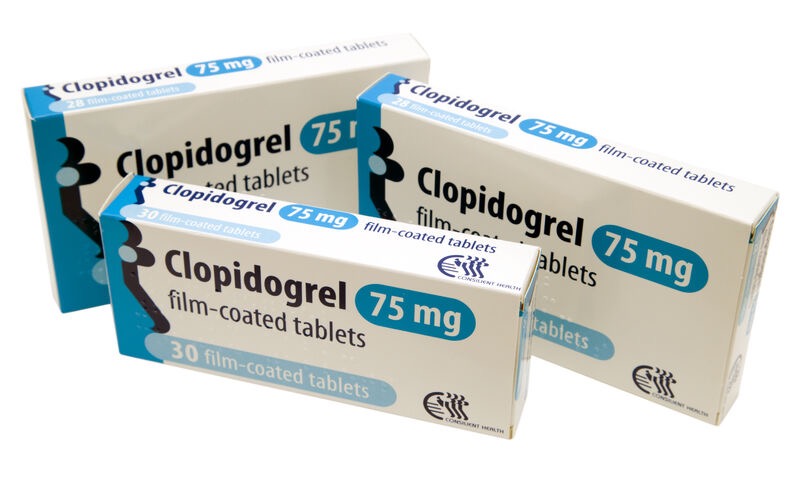
”Genomic testing for all patients considered for clopidogrel (before therapy starts). UK.
Clopidogrel empirically prescribed by doctors is not working in a staggering 29% of patients – being in those ineffective in prevention of stroke or MI.
Why: being a prodrug it must be activated via CYP 2C19 — patients with loss‑of‑function these CYP variants (intermediate/poor metabolisers) get much less antiplatelet effect and more thrombotic events.
So: the UK Centre of Excellence in Regulatory Science and Innovation in Pharmacogenomics issued a guideline that recommends CYP2C19 genotyping for all patients in whom clopidogrel is being considered, “where testing is available”.
My opinion, this means that testing will soonly be available in secondary care units across the UK.
Moreover: the PGx (pharmacogenomics) data is stored as structured data into the shared electronic health record, information readily available to the prescribers (hospital, GP/community systems).
This way it will be a once in a lifetime test.
Looks quite futuristic for a patent-expired medicine.”
Quoting University of Liverpool‘s post:
”NEWS I: New UK guideline for clopidogrel recommends pharmacogenetic testing for all patients before prescription
The UK Centre of Excellence in Regulatory Science and Innovation in Pharmacogenomics, led by the University of Liverpool, has published its first clinical guideline focused on the use of the antiplatelet medication clopidogrel, widely prescribed in the UK to prevent blood clots. Pharmacogenomics looks at how differences in our genes can change the way medicines affect each person.
Find out more here.”
Read the full article here.
Stay updated with Hemostasis Today.
-
Oct 3, 2026, 17:26Karel Kostev։ When First Anticoagulant Prescriptions Are Not Dispensed
-
Oct 3, 2026, 17:11Nabila Hasan: Thalassemia Awareness And Prevention
-
Oct 3, 2026, 17:03Pasinee Sangsiwarit: Neutrophil Dysfunction In β-Thalassemia
-
Oct 3, 2026, 16:18Mira Kassouf: Reactivating An Embryonic Gene To Treat α-Thalassemia
-
Oct 3, 2026, 15:49Behnood Bikdeli: COATED_AIR Trial Design Published as Enrollment Reaches 3,000 Patients
-
Oct 3, 2026, 15:25Vanrose Panashe Nyamangodo: A Multi-Task Deep Learning Model For Malaria And Anemia
-
Oct 3, 2026, 14:52Benny Sorensen: Glanzmann’s Thrombasthenia Finally Assigned Dedicated ICD-10 Code
-
Oct 3, 2026, 14:52The Real-World Burden Of DVT In Traumatic Fractures – ISTH
-
Oct 3, 2026, 14:41How Much Do We Really Know About The Global Burden Of Venous Thromboembolism? – World Thrombosis Day