

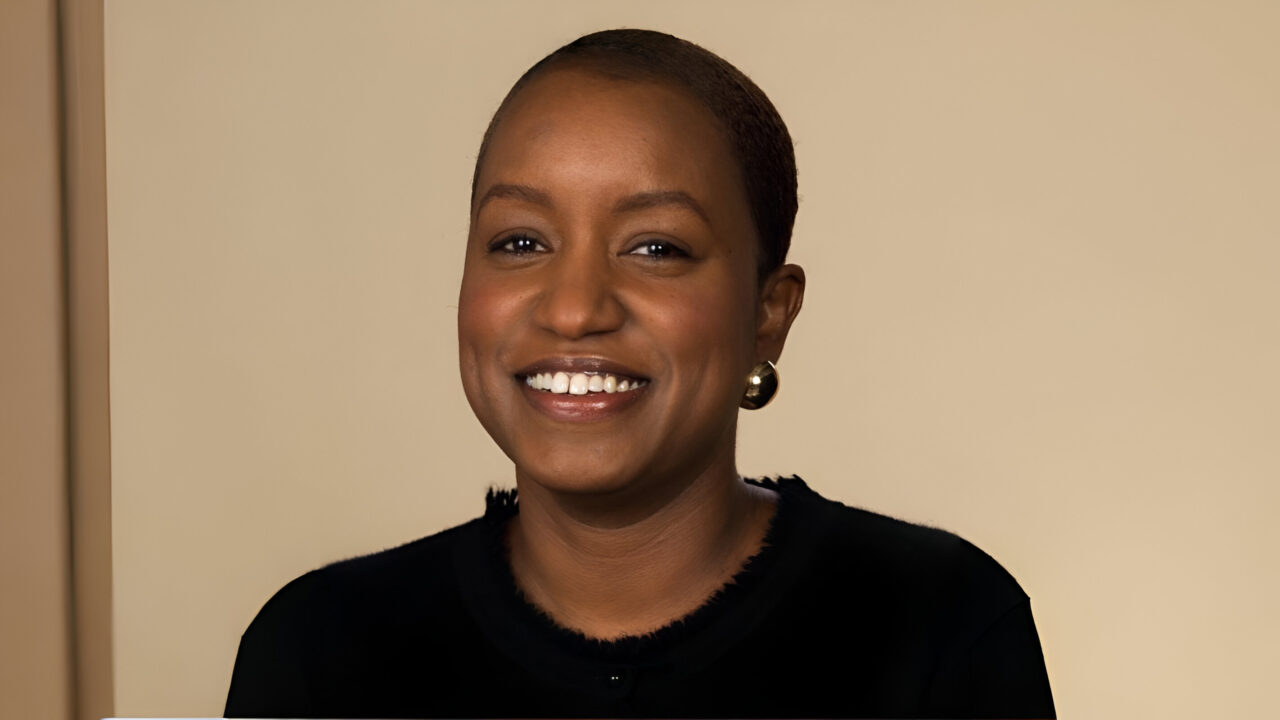
Christine Ngaruiya: Noncommunicable Diseases Kill 43 Million People Every Year
Christine Ngaruiya, Associate Professor at Stanford University School of Medicine, shared on LinkedIn:
”Noncommunicable diseases kill 43 million people every year.
Over 14 million die prematurely in low- and middle-income countries—often without access to basic care.
In Kenya today:
- A man arrives at the ER unsure if an EKG is available
- A woman with stroke symptoms has no imaging, no guidance
- A motorcycle driver breathes toxic air daily
The NCD RIGHTS Lab is responding with three scalable solutions:
• An AI-supported EKG interpretation for rapid heart-attack diagnosis
• A biomarker-driven, AI-enabled stroke prognosticating tool
• A community-led climate and health intervention for motorcycle drivers
These solutions exist—but need seed funding to scale.
We are raising $50,000 in a year-end campaign, with a $10,000 match by an anonymous donor.
Your contribution today doubles its impact and helps save lives.
To donate, text NCDRIGHTS to 707070 or visit.
Learn more at the NCD RIGHTS Lab website.
Join us in building equitable, life-saving solutions—now.”
Watch the full video here.
Stay updated with Hemostasis Today.
-
Oct 19, 2026, 19:44Where You Live Should not Determine Whether You Receive Care – World Federation of Hemophilia
-
Oct 19, 2026, 19:42Belen Bianco: Prevention, Early Suspicion and an Interdisciplinary Approach Save Lives
-
Oct 19, 2026, 19:40Christina Chrysohoou: Catheter-Based LAAC vs OAC for Stroke Prevention in Atrial Fibrillation
-
Oct 19, 2026, 19:38Matthew Flick: A Two-Day Research Meeting on Fibrinogen, Hemostasis and Thrombosis
-
Oct 19, 2026, 19:37Hayat Saeed: Excited to Share Our Publication on the FGL1–Hepcidin Axis in Iron Homeostasis and Disease
-
Oct 19, 2026, 19:08IPAW 2026 Comes to a Close, but the Work Continues – PPTA
-
Oct 19, 2026, 17:44Paul Riley: Moderating a Webinar on Anticoagulation Monitoring
-
Oct 19, 2026, 16:36Christopher Pittman: Blood Clot Prevention Cannot End at Hospital Discharge
-
Oct 19, 2026, 16:13Javier M. Floren: When Immune Cells Move With Their Environment