

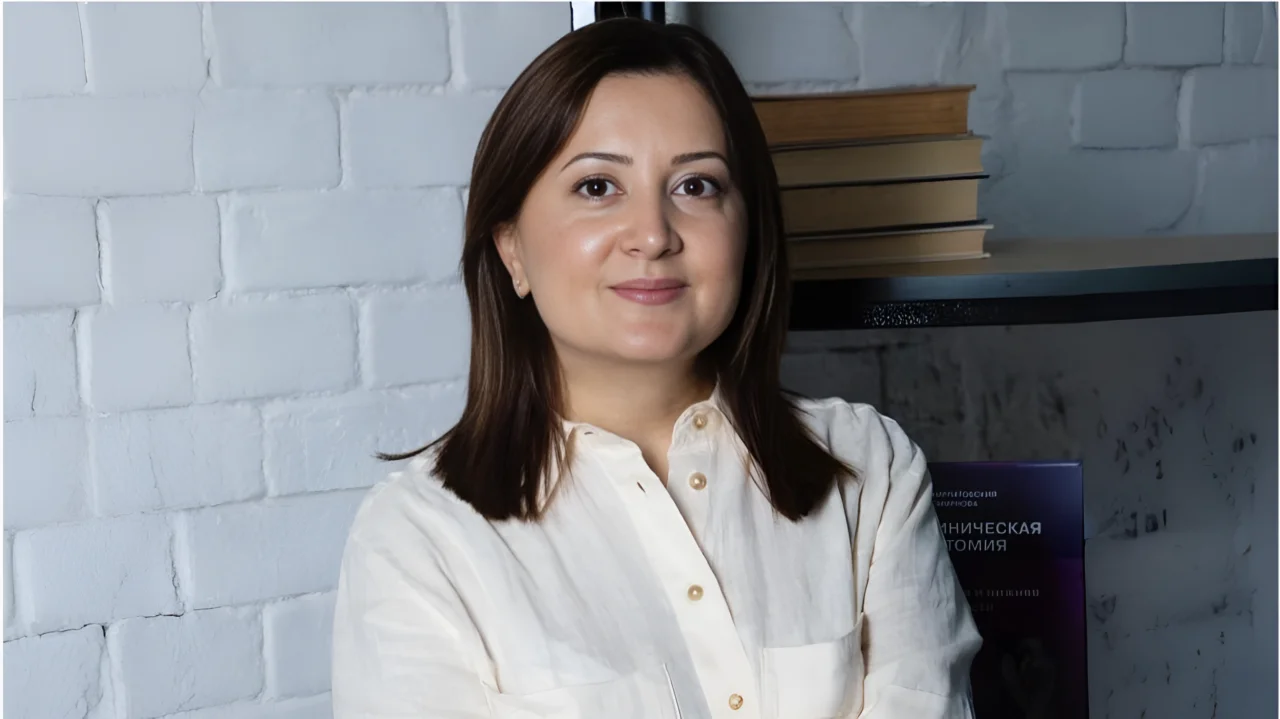
Heghine Khachatryan – Outcomes Improve When Care is Planned, Coordinated, and Patient-Centered: New RPTH Study
Heghine Khachatryan, Editor-in-Chief of Hemostasis Today, Head of Hemophilia and Thrombosis Center at Yeolyan Hematology and Oncology Center, shared a post by RPTH Journal on LinkedIn:
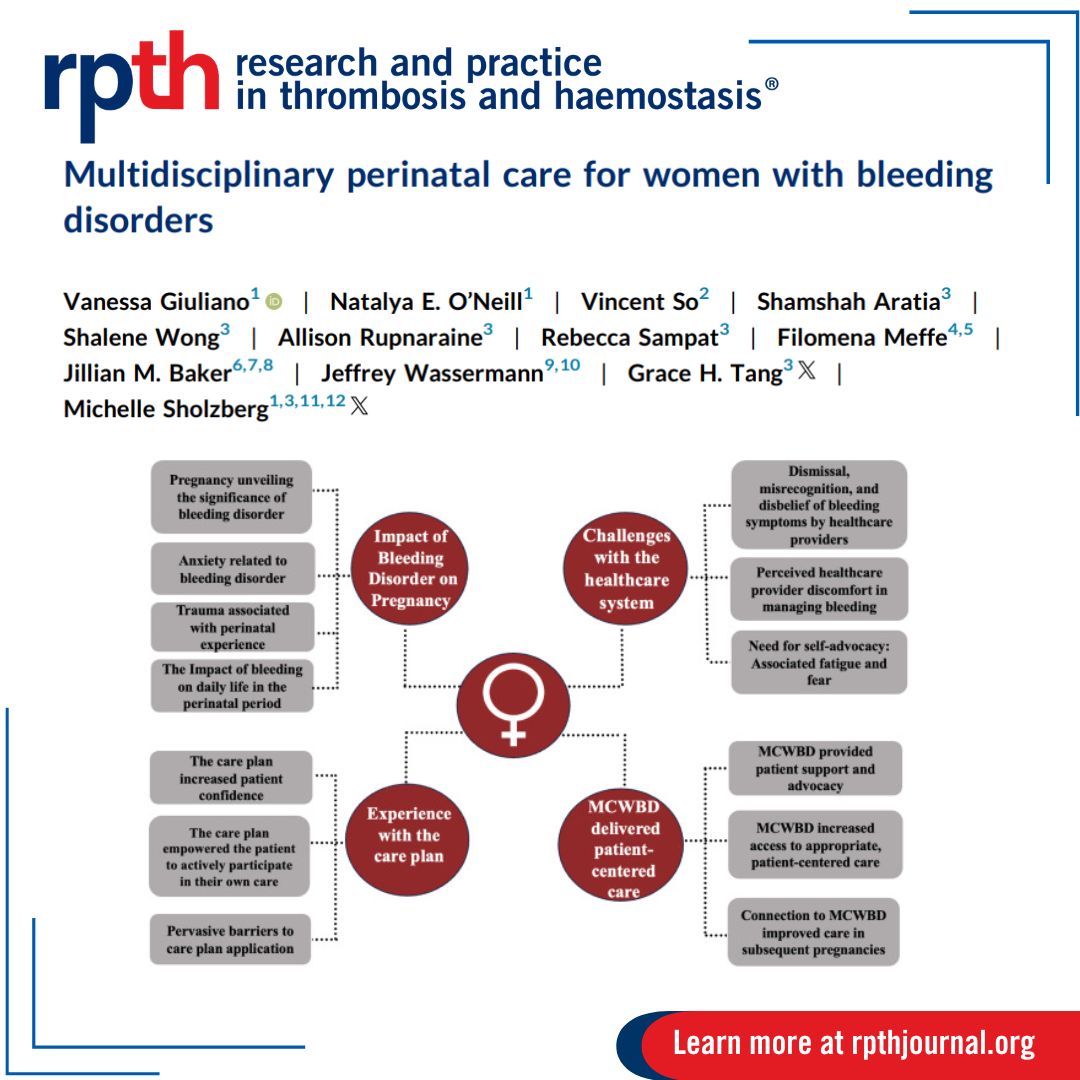
“Multidisciplinary perinatal care for women with bleeding disorders — a clinical imperative
Women with inherited and acquired bleeding disorders remain at increased risk of hemorrhagic complications throughout pregnancy, delivery, and the postpartum period. A recent publication in Research and Practice in Thrombosis and Haemostasis (RPTH) underscores a crucial message: outcomes improve when care is planned, coordinated, and patient-centered.
Key takeaways for clinical practice:
- Early identification and pregnancy-specific risk stratification
- Structured, individualized care plans spanning antenatal, intrapartum, and postpartum phases
- Close collaboration between hematology, obstetrics, anesthesia, neonatology, and nursing
- Validation of patients’ lived experiences, reducing anxiety and improving adherence
- Continuity of care to optimize outcomes in subsequent pregnancies
This framework resonates strongly with daily practice in specialized hemostasis centers and highlights the value of multidisciplinary teams in translating evidence into safer maternal care.
Investing in coordinated perinatal pathways is not optional—it is fundamental to equity, safety, and quality in women’s health.”
Quoting RPTH Journal’s post:
“Women with bleeding disorders are at increased risk of bleeding during the perinatal period – how can clinicians help?
This study from Vanessa Giuliano and team show that multidisciplinary care and individualized care plans improve confidence and empowerment and support advocacy-based, patient-centered care.
Read more about it here.”
Title: Multidisciplinary perinatal care for women with bleeding disorders
Authors: Vanessa Giuliano, Natalya E. O’Neill, Vincent So, Shamshah Aratia, Shalene Wong, Allison Rupnaraine, Rebecca Sampat, Filomena Meffe, Jillian M. Baker, Jeffrey Wassermann, Grace H. Tang, Michelle Sholzberg
Stay updated and find more posts featuring Heghine Khachatryan on Hemostasis Today.
-
Oct 9, 2026, 16:23David Boone: Distinguishing Stroke Prevention from Rhythm Control in Atrial Fibrillation
-
Oct 9, 2026, 15:27Mohamed Hegazi: Geostatistical Modelling Maps Global β-Thalassaemia Carrier Prevalence
-
Oct 9, 2026, 15:15Maha Othman: Uncovering the Consensus on TXA in TBI – Call for Collaboration on a Landmark Umbrella Review
-
Oct 9, 2026, 15:07Daniel D. Han: How Inhalation Product Exposure Impairs Cardiac and Platelet Recovery After MI
-
Oct 9, 2026, 14:58William Toole: How Ultrasound-Guided PRP Therapy Relieves Joint and Tendon Pain
-
Oct 9, 2026, 14:50Shayan Mohammadmoradi: In Corpus Christi for the 20th Midwest Platelet Conference
-
Oct 9, 2026, 14:37Tariq Tramboo: High Platelet Concentrate for Osteoarthritis Knee – Recent Meta-Analyses
-
Oct 9, 2026, 14:26Yousma Khan: Hematology Series – Beyond RBCs, WBCs and Platelets
-
Oct 9, 2026, 14:13Jesus Ardila Novoa: Why the WHO’s Historic Essential Medicines List Decision Is Just the Beginning