

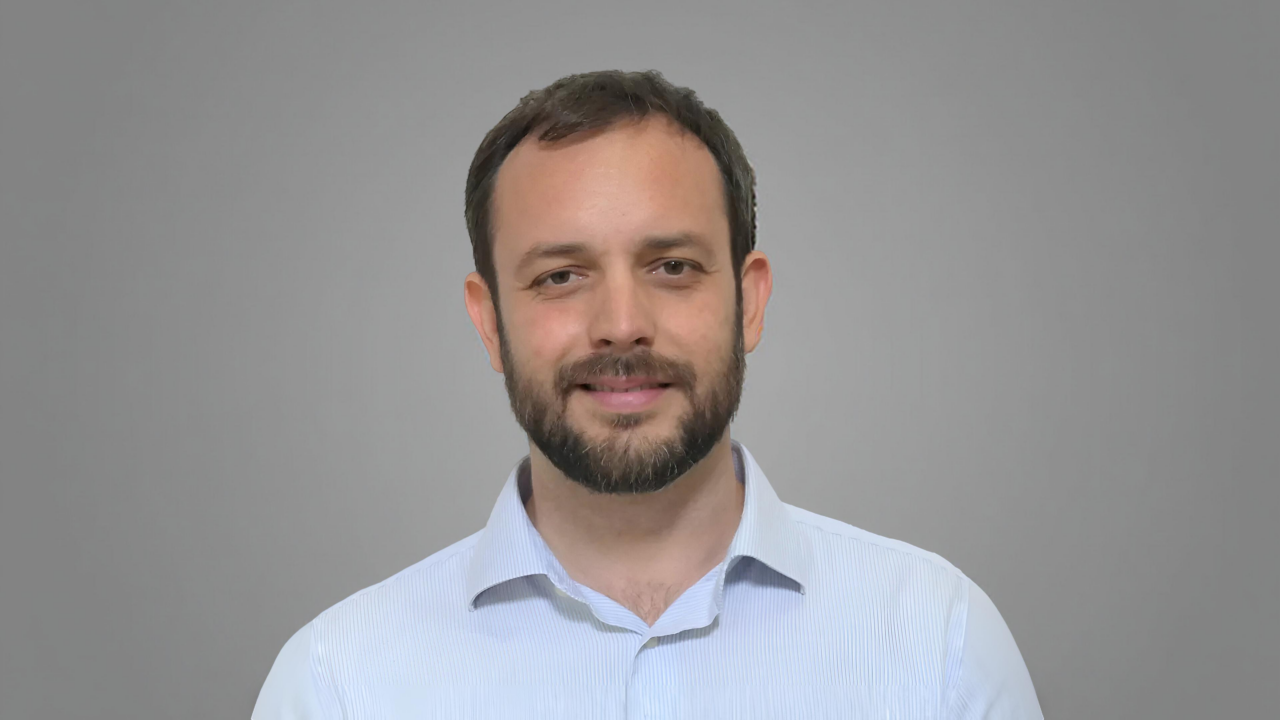
Davide Liborio Vetrano: Metabolic Dysregulation as the Core Signature of Multimorbidity
Davide Liborio Vetrano, Associate Professor of Geriatric Research at Karolinska Institutet, posted on LinkedIn:
“Finally out our last study published in Nature Medicine.
Have a look here.
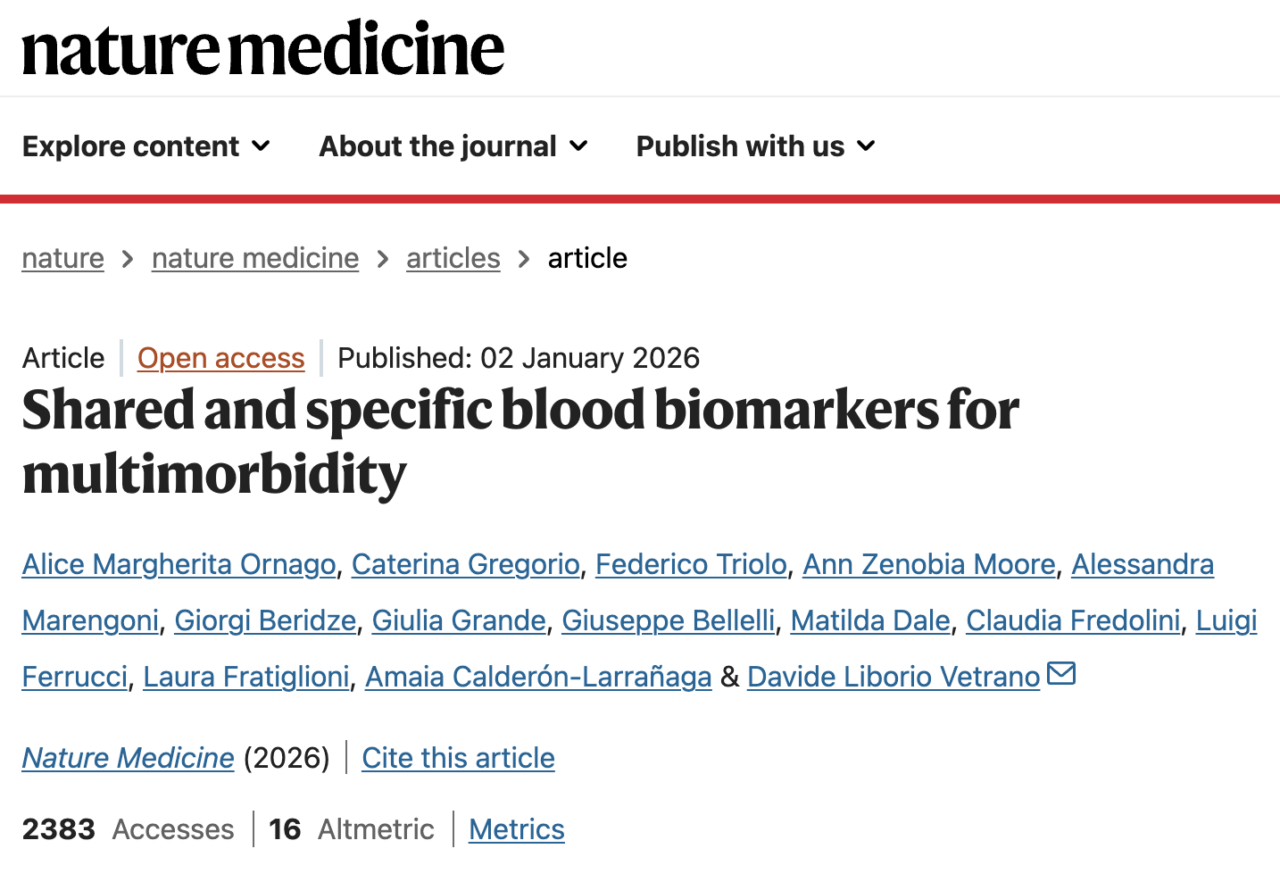
Title: Shared and specific blood biomarkers for multimorbidity
Authors: Alice Margherita Ornago, Caterina Gregorio, Federico Triolo, Ann Zenobia Moore, Alessandra Marengoni, Giorgi Beridze, Giulia Grande, Giuseppe Bellelli, Matilda Dale, Claudia Fredolini, Luigi Ferrucci, Laura Fratiglioni, Amaia Calderón-Larrañaga, Davide Liborio Vetrano
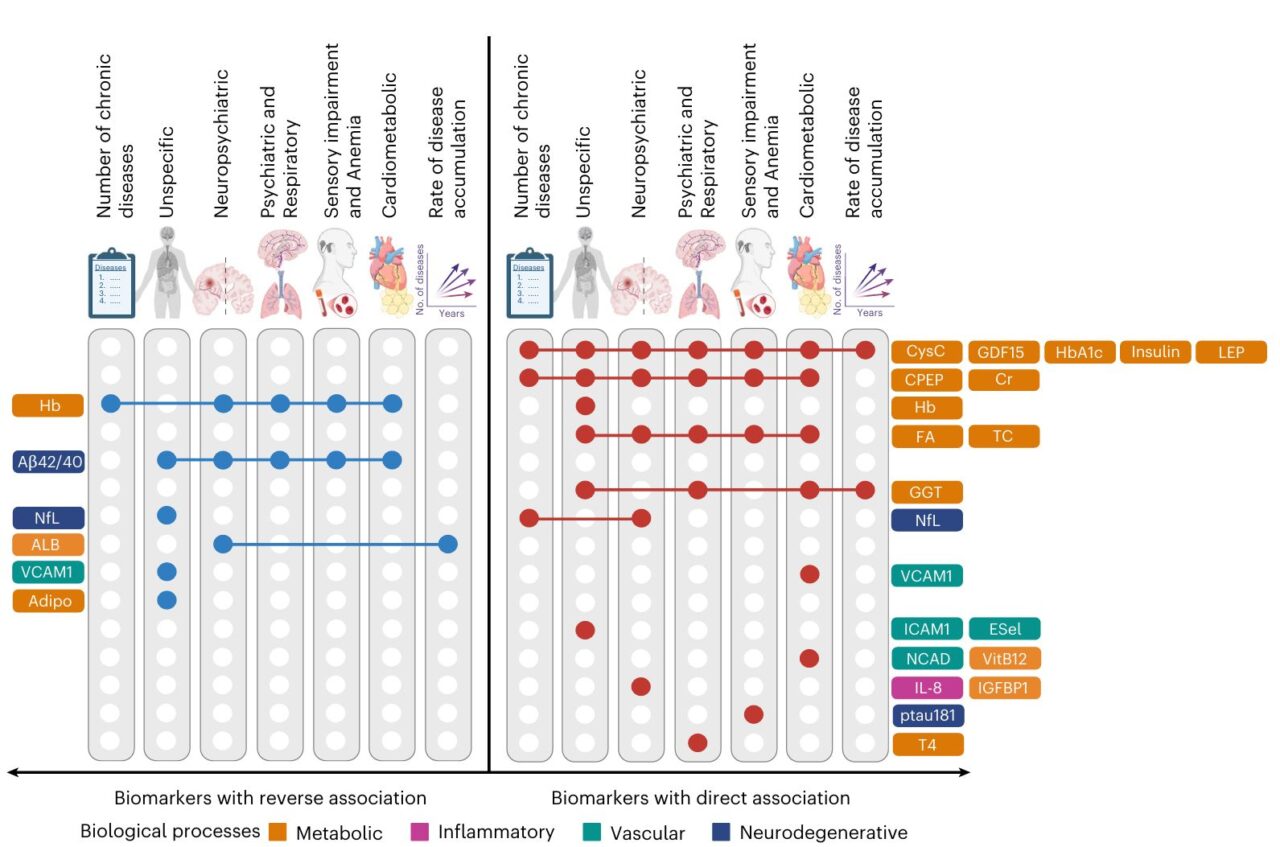
We investigated how a broad panel of blood biomarkers reflecting metabolic, inflammatory, vascular, renal and neurodegenerative processes relates to multimorbidity. Across multiple definitions and longitudinal analyses, metabolic dysregulation consistently emerged as the central biological signature of multimorbidity development and progression. Biomarkers such as GDF15, HbA1c, insulin, leptin and cystatin C showed robust and shared associations across multimorbidity measures, with findings validated in an independent cohort. Advanced multivariate analyses identified distinct biological subprofiles, linking shared and pattern-specific pathways to disease accumulation. Overall, our results support the geroscience hypothesis, highlighting immunometabolic stress as a key, potentially actionable mechanism underlying complex multimorbidity.
A rewarding collaboration among Karolinska Institutet, KTH Royal Institute of Technology, SciLifeLab, Università degli Studi di Milano-Bicocca, Università degli Studi di Brescia, National Institute Of Aging. My biggest acknowledgment goes to Alice Margherita Ornago and Caterina Gregorio for leading the study. Big thanks to all the collaborators for their exceptional input and work: Federico Triolo, Ann Zenobia Moore, Alessandra Marengoni, Giorgi Beridze, Giuseppe Bellelli, Giulia Grande, Matilda Dale, Claudia Fredolini, Luigi Ferrucci, Laura Fratiglioni, Amaia Calderón-Larrañaga.”
Explore more posts for deeper insights into hemostasis with Hemostasis Today.
-
Oct 10, 2026, 17:58Archo Farzana Batool: Exploring Medical Writing Through an Article on Iron Deficiency Anemia
-
Oct 10, 2026, 17:53Assessing Frailty in Adults With Hemophilia – JTH
-
Oct 10, 2026, 17:52Fatma Sadeghi: Reducing Maternal Health Inequalities Through Nursing Advocacy
-
Oct 10, 2026, 17:50Grzegorz Hensler: How Apheresis Transformed Blood Cell Separation and Collection
-
Oct 10, 2026, 17:47Hemant K Sharma: Japan’s Universal Artificial Blood Research – A Potential Breakthrough in Transfusion Medicine
-
Oct 10, 2026, 17:40John Strouse: Learning About Bleeding Disorders and Sickle Cell Disease at FWGBD
-
Oct 10, 2026, 17:34Mae Caime: Speaking at the Annual Women’s Retreat for the Hemophilia Community in Florida
-
Oct 10, 2026, 17:30Chokri Ben Lamine: PNH beyond the Textbook Triad
-
Oct 10, 2026, 17:29Ruah Alyamany: Thrombosis and Anticoagulation in Hematological Malignancies at SOHO KSA 2026