

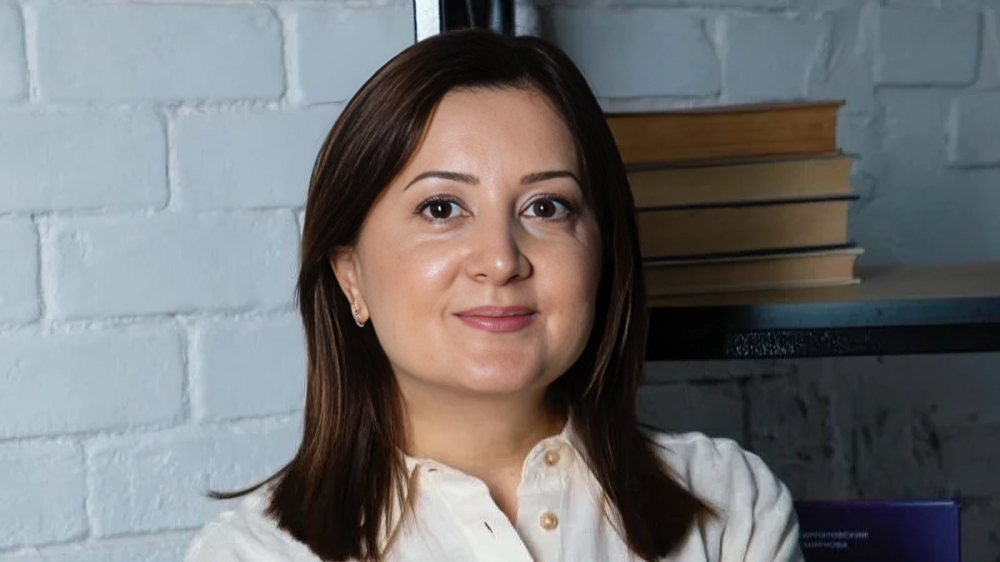
Heghine Khachatryan: We Already Have The Knowledge Not to Overlook Rare Diseases
Heghine Khachatryan, Editor-in-Chief of Hemostasis Today, Head of Hemophilia and Thrombosis Center at Yeolyan Hematology and Oncology Center, reposted from The Marfan Foundation on LinkedIn, adding:
”This story once again reminds us of a very important truth: rare and inherited conditions are often overlooked in everyday clinical practice—not because they are absent, but because we do not actively and systematically look for them.
Conditions such as Marfan syndrome have
- clearly defined clinical and genetic diagnostic criteria,
- real opportunities for early detection,
- and evidence-based approaches to monitoring and management.
Yet, in real life, children are frequently diagnosed late, already after complications have developed—visual impairment, chronic pain, fatigue, and repeated medical interventions.
This is not an individual failure; it is a systemic one.
– We must:
- integrate these conditions into routine clinical assessment and medical thinking,
- strengthen physician awareness,
- and implement standardized diagnostic algorithms across pediatrics, ophthalmology, cardiology, and genetics.
– Early diagnosis is not merely a medical act.
It is a matter of quality of life, education, and social inclusion.
These children need us.
And we already have the knowledge not to overlook them.”
Quoting The Marfan Foundation‘s post:
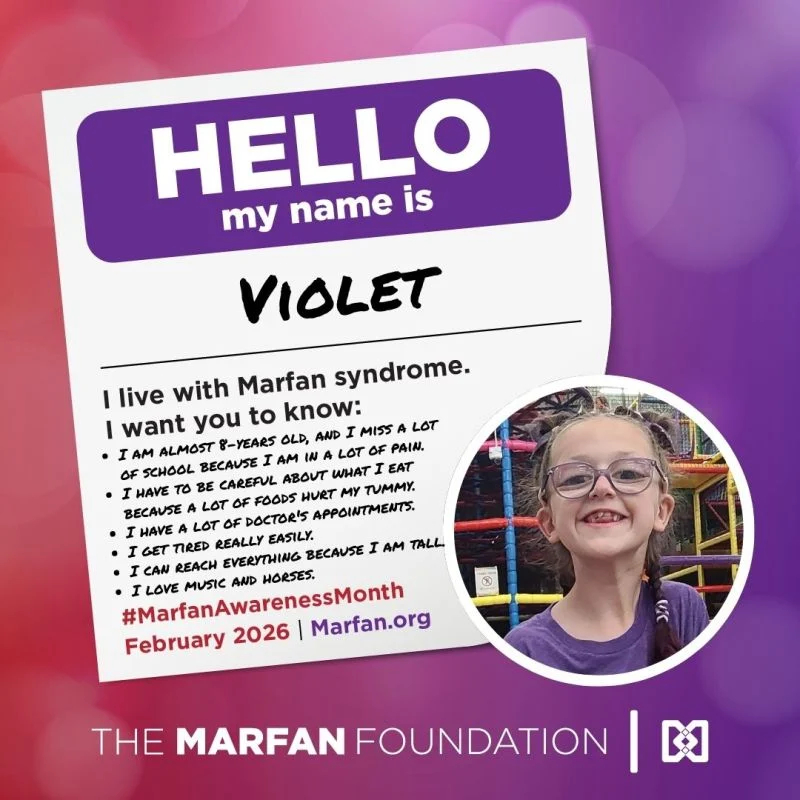
”From Crystal, Violet’s Mom:
‘I asked my daughter, Violet, what she would want another kid her age to know if they just found out that they had Marfan Syndrome like her, and this is what she said.
- I am almost 8-years old, and I miss a lot of school because I am in a lot of pain.
- I have to be careful about what I eat because a lot of foods hurt my tummy.
- I have a lot of doctor’s appointments.
- I get tired really easily.
- I can reach everything because I am tall.
- I love music and horses.
Violet was diagnosed when she failed her Kindergarten eye test at 5 years old, and she very quickly had two eye surgeries to remove the lenses from both of her eyes.
She no longer remembers the surgeries.
Managing all of her Marfan symptoms is an ongoing process, and while Violet is in pain often, she is still the sweetest, kindest, most positive and loving little girl ever.’
Learn more and get resources at marfan.org/marfan2026”
Stay updated with Hemostasis Today.
-
Oct 10, 2026, 17:58Archo Farzana Batool: Exploring Medical Writing Through an Article on Iron Deficiency Anemia
-
Oct 10, 2026, 17:53Assessing Frailty in Adults With Hemophilia – JTH
-
Oct 10, 2026, 17:52Fatma Sadeghi: Reducing Maternal Health Inequalities Through Nursing Advocacy
-
Oct 10, 2026, 17:50Grzegorz Hensler: How Apheresis Transformed Blood Cell Separation and Collection
-
Oct 10, 2026, 17:47Hemant K Sharma: Japan’s Universal Artificial Blood Research – A Potential Breakthrough in Transfusion Medicine
-
Oct 10, 2026, 17:40John Strouse: Learning About Bleeding Disorders and Sickle Cell Disease at FWGBD
-
Oct 10, 2026, 17:34Mae Caime: Speaking at the Annual Women’s Retreat for the Hemophilia Community in Florida
-
Oct 10, 2026, 17:30Chokri Ben Lamine: PNH beyond the Textbook Triad
-
Oct 10, 2026, 17:29Ruah Alyamany: Thrombosis and Anticoagulation in Hematological Malignancies at SOHO KSA 2026