

Tagreed Alkaltham: Fibrinogen Concentrate Is a Deliberate Clinical Choice in Acute Bleeding
Tagreed Alkaltham, Transfusion Medicine Lab Supervisor at KSMC, shared a post on LinkedIn:
“Fibrinogen concentrate is not a shortcut.
It’s a deliberate clinical choice.
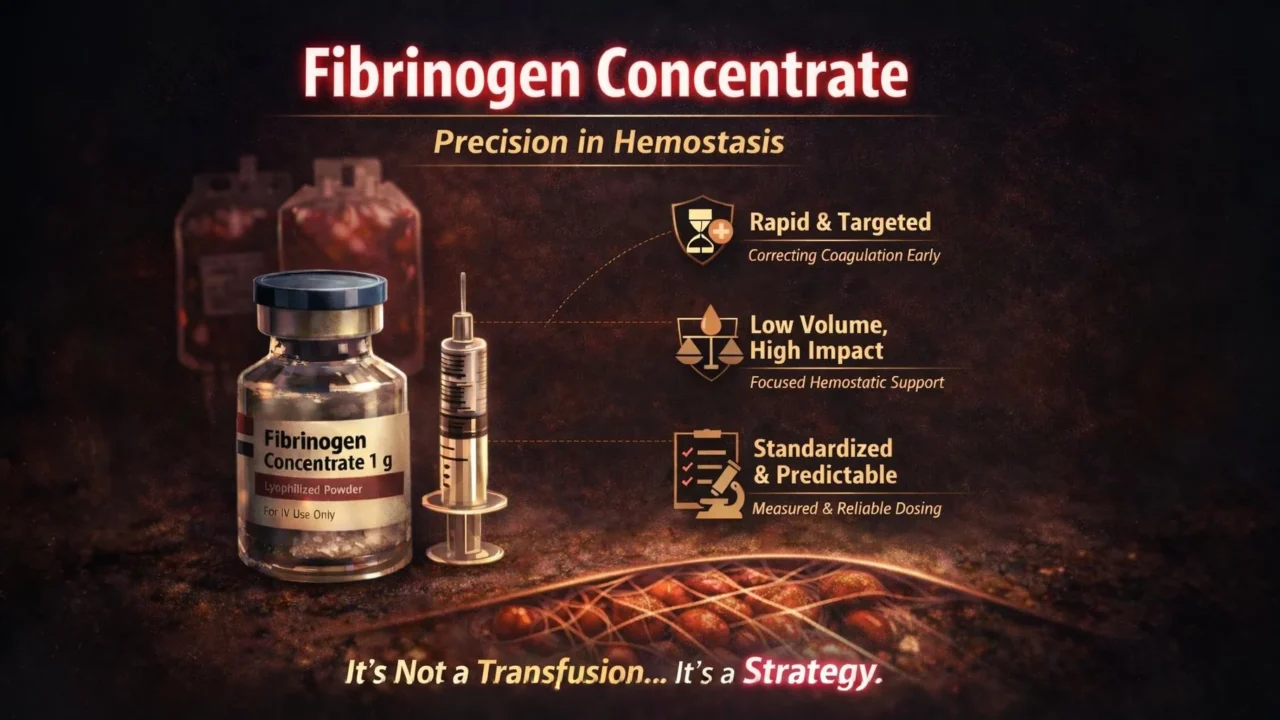
In acute bleeding, fibrinogen concentrate is often discussed in terms of speed and convenience. But its real value is not how fast it can be given – it’s when and why it is given. It’s when fibrinogen deficiency is addressed, and why supporting clot stability early matters.
Fibrinogen concentrate provides a known, standardized dose, without the volume burden or preparation time associated with cryoprecipitate. In critical bleeding, knowing what to expect makes the decision safer.
It’s not that fibrinogen’s role in coagulation is unknown; the difference lies in how early it is addressed, before bleeding escalates into loss of control.
When used appropriately, it allows teams to:
- correct hypofibrinogenemia promptly
- avoid unnecessary volume overload
- and target the hemostatic deficit more precisely
From a blood bank perspective, fibrinogen concentrate represents a shift in thinking: from reactive transfusion
to intentional hemostatic management.
From a blood bank perspective, fibrinogen concentrate also offers operational clarity. It reduces pressure on cryoprecipitate stock, which is often limited, variable in availability, and time sensitive once thawed. Its longer shelf life allows for better inventory stability, without compromising readiness for true bleeding emergencies.
It requires clear protocols, shared clinical understanding, and respect for timing.
- Used thoughtfully, it strengthens care.
- Used casually, it becomes just another product.
In bleeding patients, precision is not a luxury – it is part of patient safety.Its value lies in judgment, not availability.”
Other posts featuring Tagreed Alkaltham on Hemostasis Today.
-
Oct 21, 2026, 09:13Jarod Horobin: Blood 2026 – Connecting Science and People
-
Oct 21, 2026, 08:35Raeeda Gheewala: VTE in Athletes – Risks Beyond the Playing Field
-
Oct 21, 2026, 08:29Andreas Kronbichler: The Changing Landscape of CV Risk in ANCA-Associated Vasculitis
-
Oct 21, 2026, 08:21Pham Quy: Taking Stroke Awareness Beyond Hospitals and Into the Community
-
Oct 21, 2026, 07:15Mahmoud Saad: Successful Mechanical Thrombectomy for Right Atrial Thrombosis
-
Oct 21, 2026, 06:55Hunain Shahbaz: Extended Dual Antiplatelet Therapy Beyond 12 Months After Drug-Eluting Stent Implantation
-
Oct 21, 2026, 06:19Dawood Findakly: When Should Anticoagulation Be Held or Resumed?
-
Oct 21, 2026, 03:36Steve Watson: Ligand Epitope Ratios Influence Antagonist Inhibition
-
Oct 21, 2026, 03:18Stephen D. Coombs: Superficial Venous Thrombosis in Athletes and Importance of Early Recognition and Referral