


Can Hormonal Birth Control Cause Blood Clots? – ASH
American Society of Hematology shared a post on LinkedIn:
“True or False: Can hormonal birth control cause blood clots?
True – but the risk is very low for most people.
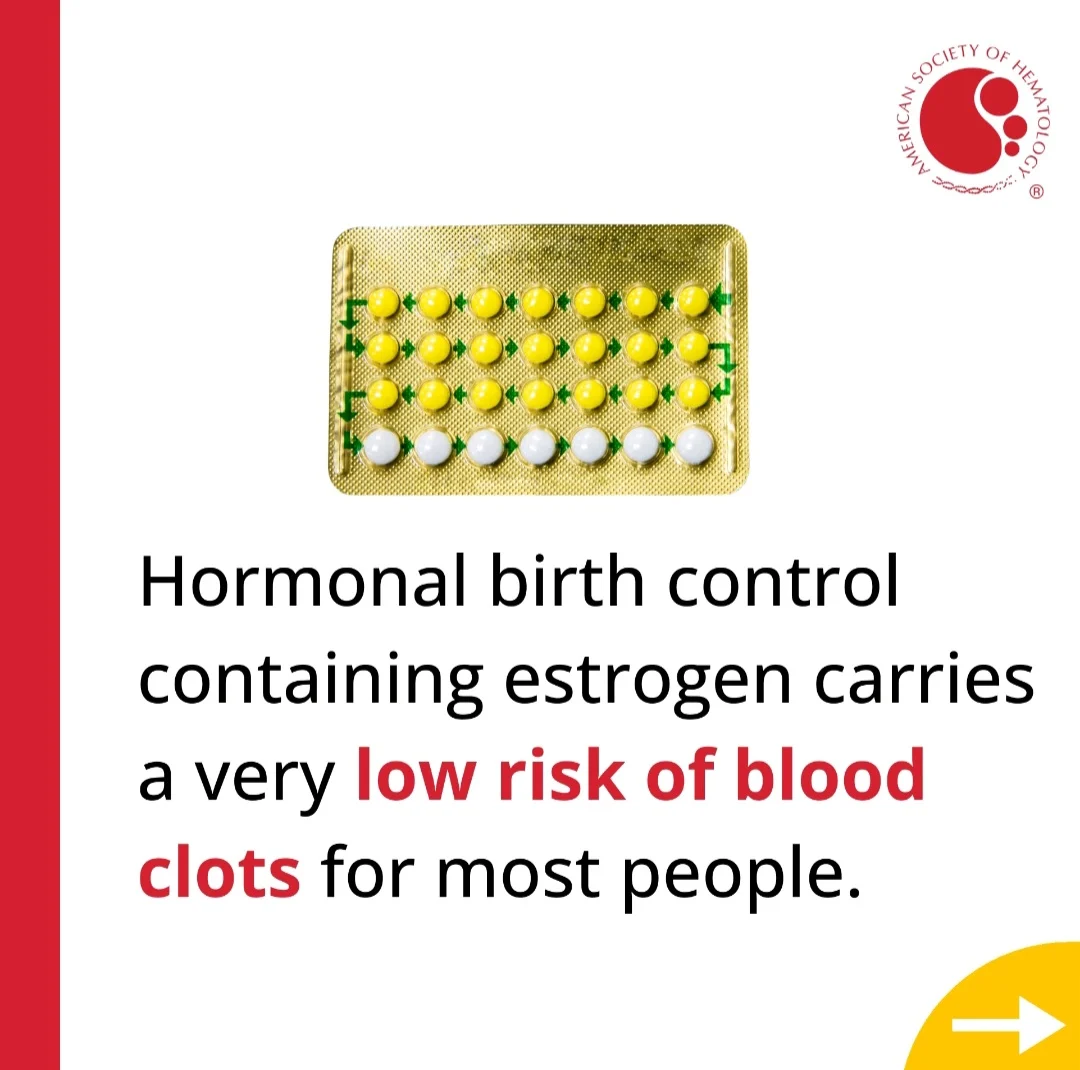
Hormonal birth control containing estrogen can increase the risk of blood clots, but the overall risk is low.
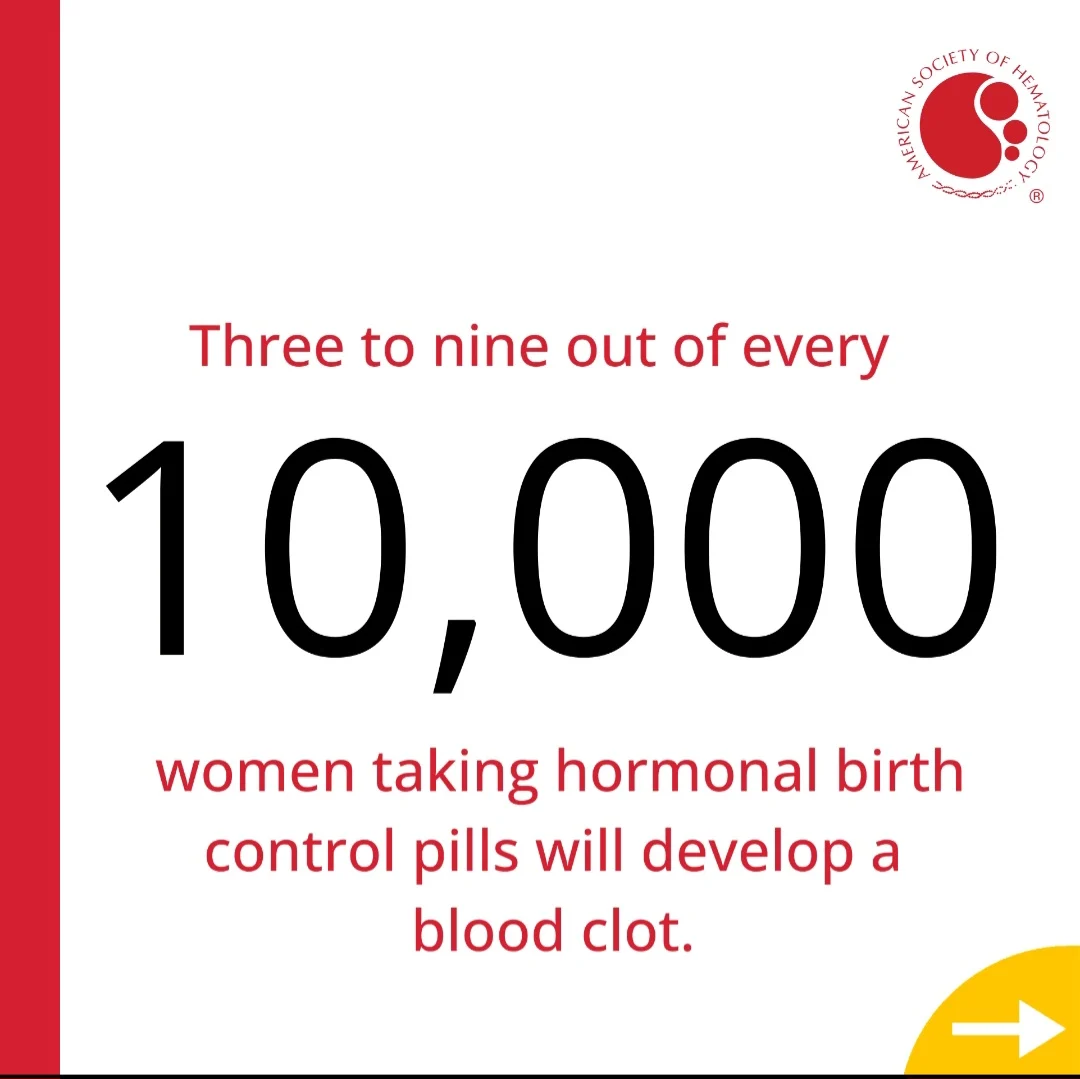
On average, only 3–9 out of every 10,000 women taking birth control pills will develop a clot.
This risk is lower than that of developing a clot during pregnancy or after giving birth, and it typically returns to normal within 2–4 weeks after stopping the pill.
Progestin-only methods, like hormonal IUDs and mini-pills, do not increase blood clot risk because they don’t contain estrogen.
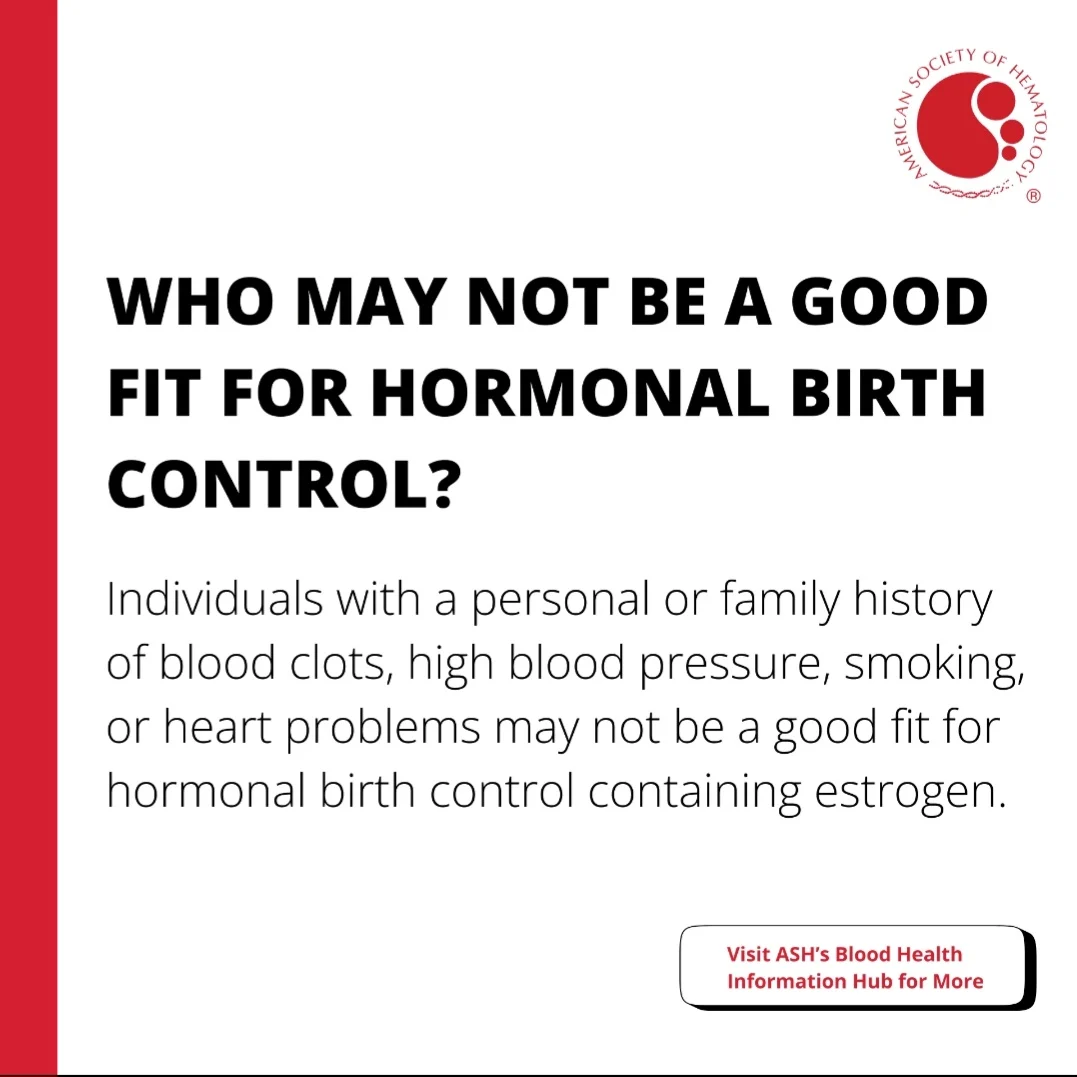
Some people, including those with a history of blood clots, high blood pressure, smoking, or heart conditions, may need estrogen-free options.
Always talk with your doctor about personal and family health history.
Learn more at the ASH Blood Health Information Hub.”
Other posts about American Society of Hematology on Hemostasis Today.
-
Oct 19, 2026, 19:44Where You Live Should not Determine Whether You Receive Care – World Federation of Hemophilia
-
Oct 19, 2026, 19:42Belen Bianco: Prevention, Early Suspicion and an Interdisciplinary Approach Save Lives
-
Oct 19, 2026, 19:40Christina Chrysohoou: Catheter-Based LAAC vs OAC for Stroke Prevention in Atrial Fibrillation
-
Oct 19, 2026, 19:38Matthew Flick: A Two-Day Research Meeting on Fibrinogen, Hemostasis and Thrombosis
-
Oct 19, 2026, 19:37Hayat Saeed: Excited to Share Our Publication on the FGL1–Hepcidin Axis in Iron Homeostasis and Disease
-
Oct 19, 2026, 19:08IPAW 2026 Comes to a Close, but the Work Continues – PPTA
-
Oct 19, 2026, 17:44Paul Riley: Moderating a Webinar on Anticoagulation Monitoring
-
Oct 19, 2026, 16:36Christopher Pittman: Blood Clot Prevention Cannot End at Hospital Discharge
-
Oct 19, 2026, 16:13Javier M. Floren: When Immune Cells Move With Their Environment