


Wathsala Manindrani: Managing Severe Hypertriglyceridemia in Resource-Limited Settings
Wathsala Manindrani, Transfusion Medicine Senior Registrar at National Cancer Institute, Sri Lanka, shared a post on LinkedIn:
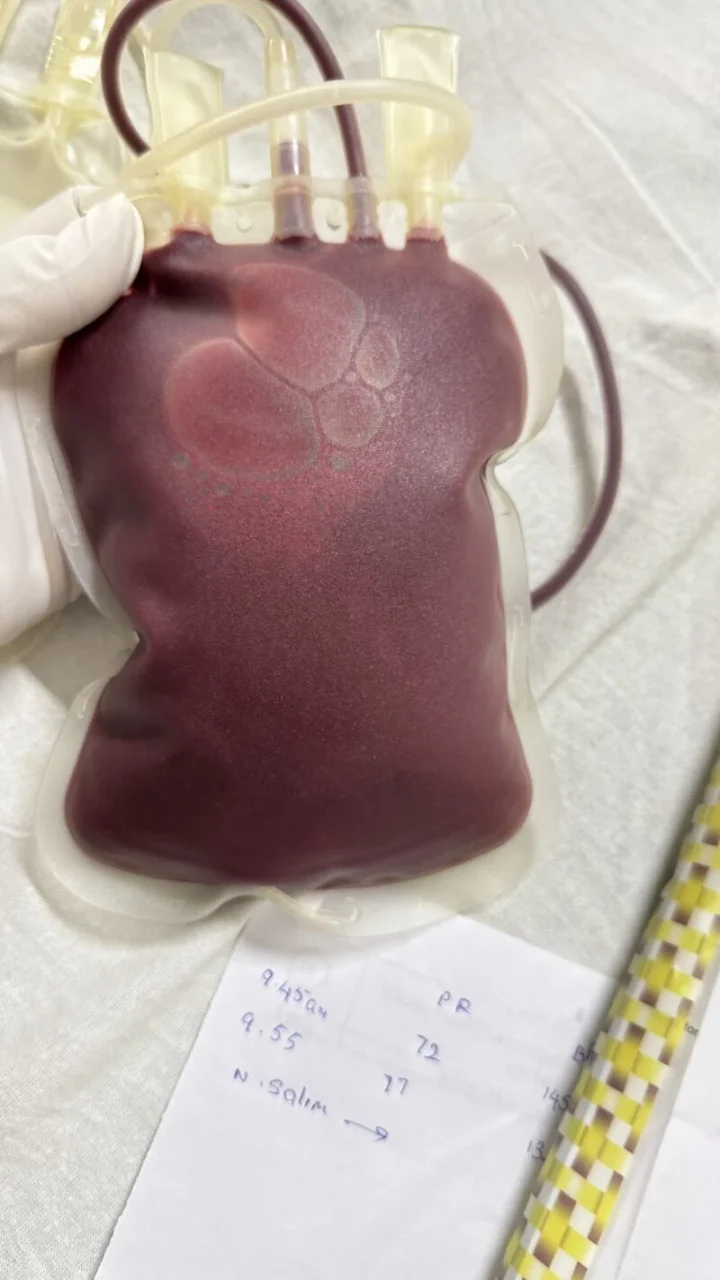
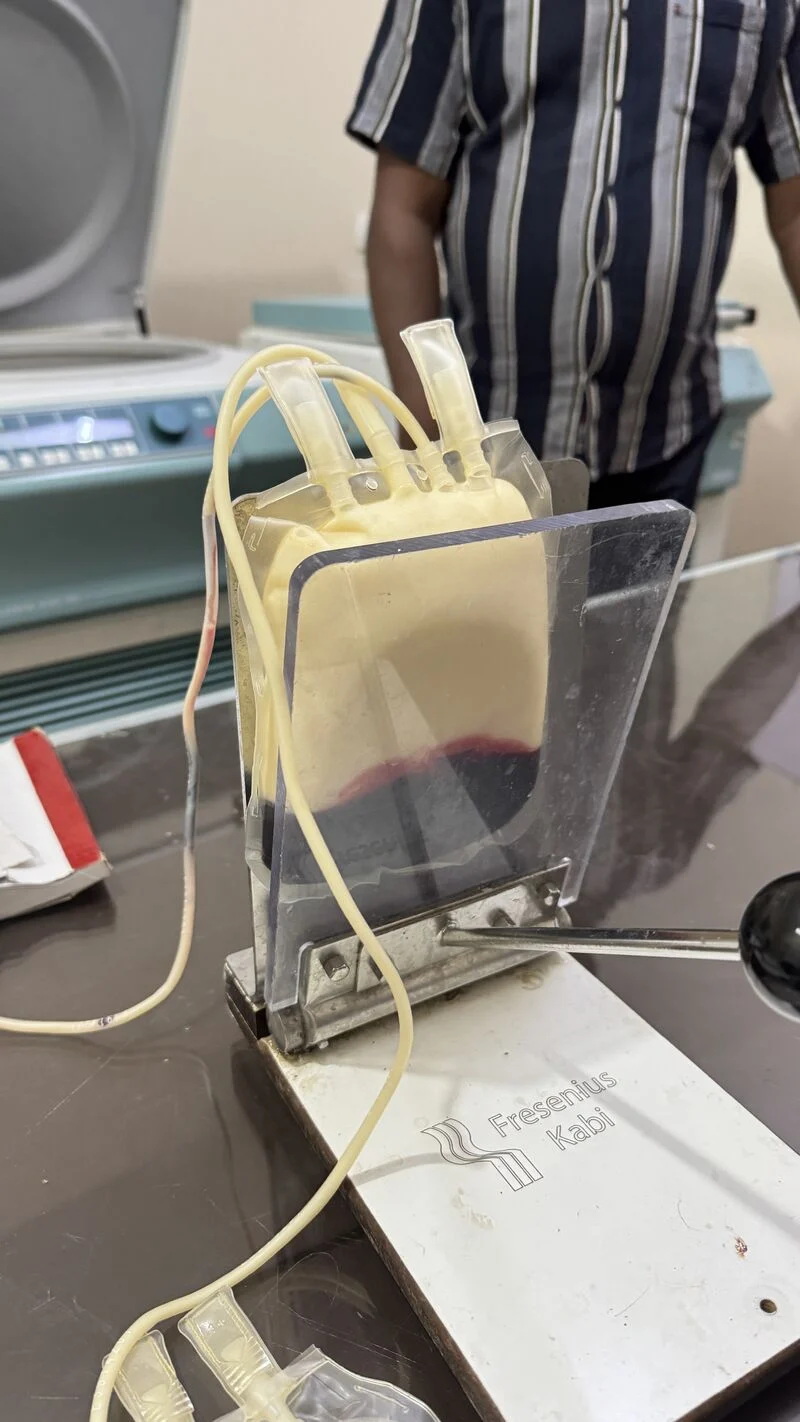
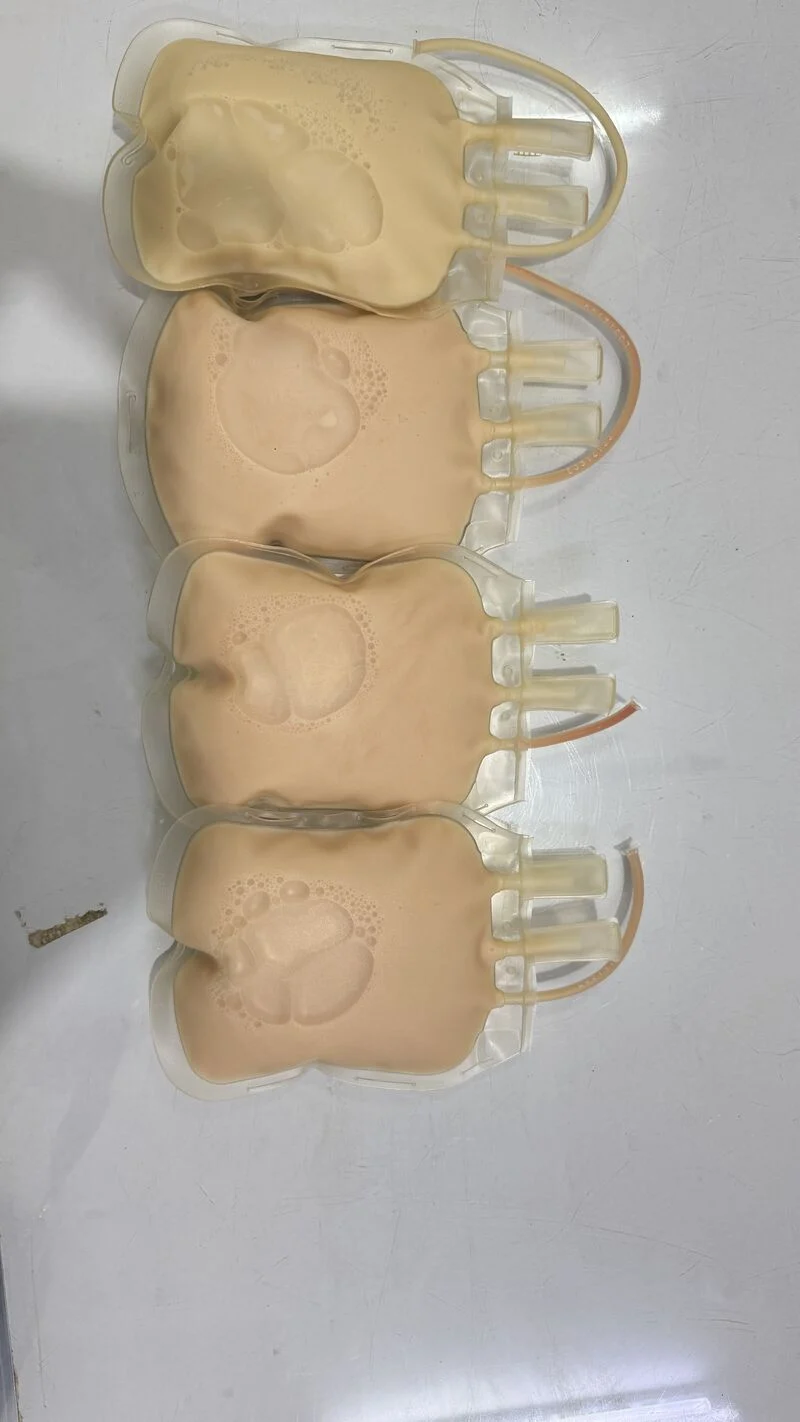
“Managing severe hypertriglyceridaemia can be challenging, specially in resource-limited settings.
Recently, we managed a patient with familial hypertriglyceridaemia requiring urgent lipid reduction.
An automated Therapeutic Plasma Exchange (TPE) was initially attempted.
However, due to the extremely high triglyceride levels, the procedure could not be continued as the machine generated persistent alarms related to the lipemic plasma.
In Sri Lanka, Lipoprotein Apheresis (LA) using lipoadsorption columns is not currently available.
Therefore, our team proceeded with a manual plasma exchange, which allowed us to successfully remove the lipemic plasma and continue the therapeutic intervention.
This case highlights how clinical adaptability and teamwork are essential in transfusion medicine, particularly in settings where advanced apheresis technologies are limited.
Even with resource constraints, effective patient care can be achieved through thoughtful modification of available techniques.”
Stay updated with Hemostasis Today.
-
Sep 25, 2026, 09:49Haley Coleman: Volunteering to Support Hemophilia Awareness
-
Sep 25, 2026, 08:55Hitarth Mehta: BHMS Students Gain Practical Exposure to Haemophilia Diagnosis
-
Sep 25, 2026, 07:25Varun Capoor: How Therapeutic Apheresis and Transfusion Medicine Can Complement Clinical Management in SCD
-
Sep 25, 2026, 07:14Manshi Kesharwani: SAK-GQDs Modulate Thrombus Burden and Endothelial Function in Deep Vein Thrombosis
-
Sep 25, 2026, 06:20Farjah Hassan Algahtani: How Can We Better Identify Patients at Risk of Blood Clots after Metabolic and Bariatric Surgery?
-
Sep 25, 2026, 05:59Carla Lewis: Kids Conquering Sickle Disease Joins Nemours Children’s Hospital for 2nd Annual Awareness Event
-
Sep 25, 2026, 05:47Omid Seidizadeh: Evolutionary Constraint and Population Variation Across Coagulation Genes
-
Sep 25, 2026, 05:40Gerald Bertrand: Presenting UMi-NGS Non-Invasive Foetal HPA Genotyping at DGTI 2026
-
Sep 25, 2026, 05:33Urge Congress to support the Sickle Cell Disease Comprehensive Care Act – ASH