


Mahesan Subramaniam: Why Messy Spaces Impact Women’s Stress Levels More Than Men’s
Mahesan Subramaniam, Co-Founder of United Health Tourism, shared a post on LinkedIn:
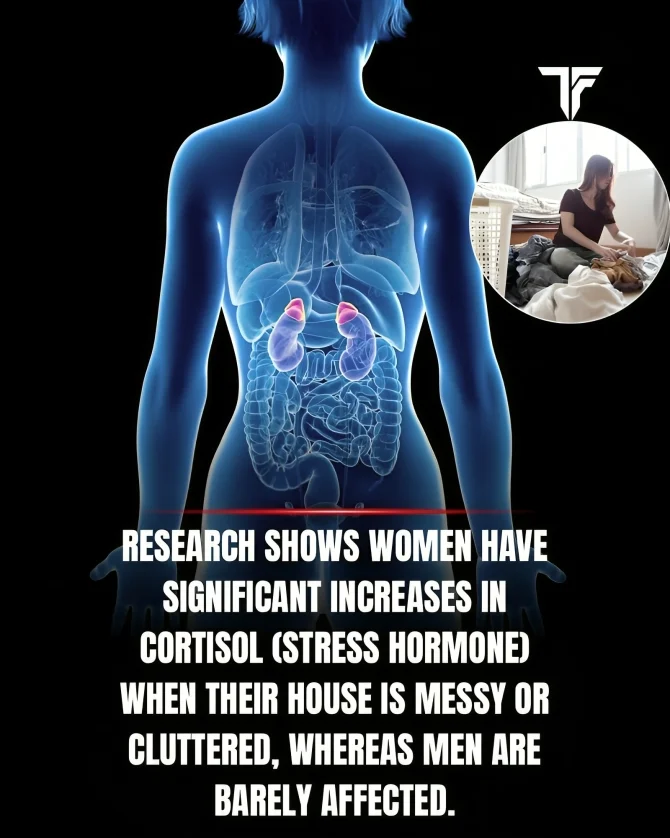
”The primary psychological reason for this stronger response amongst women is the mental load-the invisible labor of noticing, planning, and managing household tasks. For many women, a pile of laundry or dirty dishes in the sink is not just ‘clutter’, the brain interprets it as a ‘silent to-do list’ of unfinished work. This concept also suggests women view objects in terms of the actions they require (e.g. seeing a table and thinking ‘it needs to be wiped’), whereas men may perceive the object more neutrally.
Additionally, societal norms place a higher burden on women to maintain a clean home, leading to a fear of judgment. Research shows that visitors often judge a messy room more harshly if they believe a woman lives there compared to a man. While messy men may even be stereotyped as ‘lazy’, they often face fewer social consequences. Women, conversely, are socialized to feel a messy home is a personal failure or reflection of their moral worth.
Regardless of the true mechanism, the fact that clutter can actually increase cortisol is alarming.
Chronic elevated cortisol is one of the ‘easiest’ ways to disrupt hormones, cause anxiety, depression, weight gain, insatiable cravings, low libido, headaches, brain fog, chronic pain and, if left unchecked long enough, can even cause an autoimmune condition.”
Stay updated with Hemostasis Today.
-
Sep 30, 2026, 10:55Rana Al Hrout: Diagnostic Approach to Hypochromic Microcytic Anemia
-
Sep 30, 2026, 01:52Javed Anees: DADA2 – When a Young Stroke Is More Than a Stroke
-
Sep 30, 2026, 01:51How a Venous Thrombus Becomes Revascularized – ISTH
-
Sep 29, 2026, 22:45Victor Agunyego: Paracetamol – The Most Common Drug We Underestimate
-
Sep 29, 2026, 22:42Nova Sinclair: Advancing the Future of Hematology – Meet Our 2027 Organizing Committee
-
Sep 29, 2026, 22:41Lorenz Räber: Intracoronary Imaging in PCI – Why, When, How, and Which Modality?
-
Sep 29, 2026, 22:31Selma Turkovic: Pleased to Deliver the Opening Presentation at Kingston Hospital
-
Sep 29, 2026, 22:31Miguel Teran: Ultrasound and Simulation in Arterial Blood Sampling
-
Sep 29, 2026, 22:28Mohammad Refaei: Navigating Your Career in Hematology From Training to Practice