

Khadijah Adunife: Recognizing and Preventing Stroke in the Postpartum Period
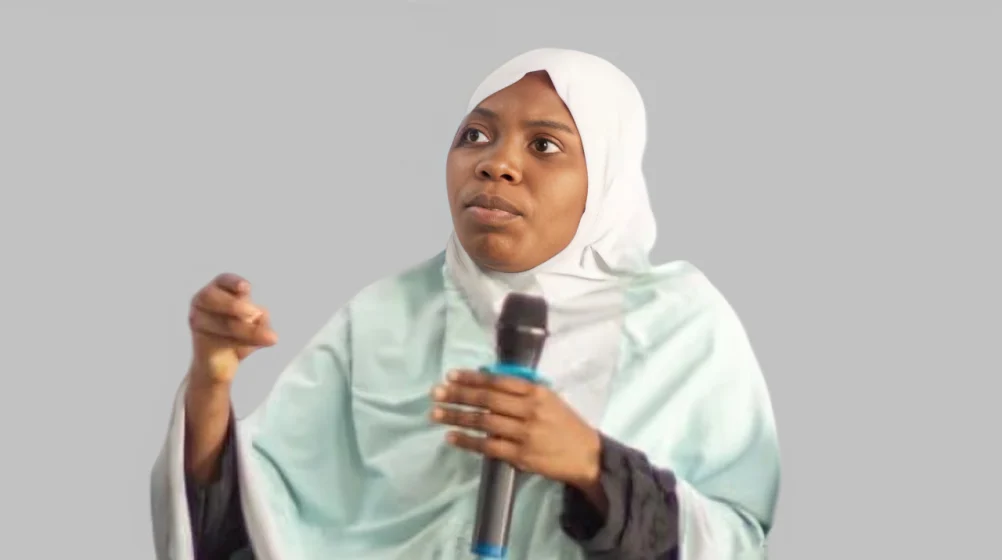
Khadijah Adunife, Holistic Health Healer, Founder of The Healthvocate NGO, shared a post on LinkedIn:
“A woman gives birth.
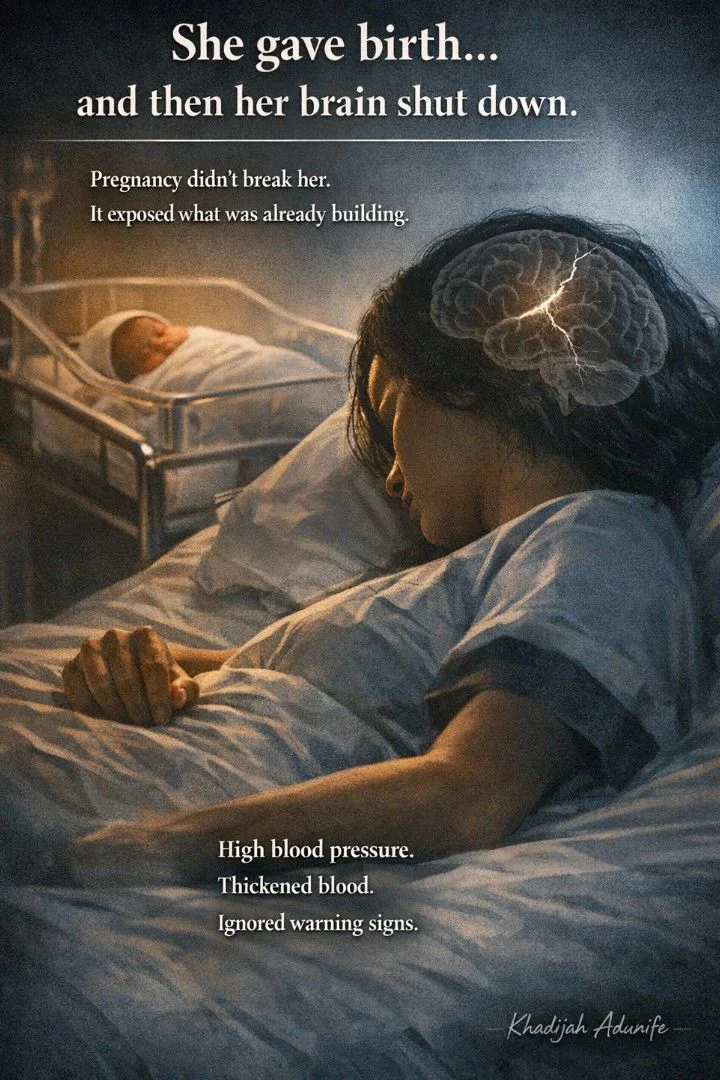
Then suddenly She had stroke.
Yes real stroke.
I know it scary but it does happen.
It simply means blood flow to part of her brain was interrupted.
There are Two main ways this happens:
- Clot (Ischemic stroke)
A blood clot blocks a vessel in the brain.
- Bleed (Hemorrhagic stroke)
A blood vessel bursts inside the brain.
Either way:
- Brain cells start dying within minutes, Oxygen supply is cut off and Damage can become permanent fast
- Pregnancy and childbirth are not ‘gentle natural events.’
- They are high risk biological states.
- They are simply underrated.
Blood becomes thicker (hypercoagulable state).
The body prepares to prevent bleeding during delivery.
Good idea? Yes
Side effect? Higher risk of dangerous clots.
Now add:
- Dehydration
- Low movement after delivery
- Inflammation
You’ve created the perfect environment for a clot to form and travel.
Blood pressure can spike hard because
- The blood vessels are under attack
- The brain is under pressure and The system is losing control of regulation
This is how vessels rupture.
This is how strokes happen.
Physical trauma of delivery
Labor is intense:
- Blood loss
- Hormonal chaos
- Pressure changes
The body goes from:
- sustaining two lives
to:
- trying to prevent collapse all within hours.
If something is already unstable , everything else crashes.
Undetected underlying issues
Many women walk into pregnancy with:
- Poor metabolic health
- Chronic inflammation
- Nutrient deficiencies
- Silent hypertension
And nobody slows down enough to correct it.
Pregnancy doesn’t create problems .
It exposes them violently.
It forces the body to reveal:
- what it has been compensating for.
Stroke didn’t ‘just happen.’
Something was building.
- The body was already under strain
- Systems were already imbalanced
The pregnancy just amplified everything
People rarely asks:
‘What state was this body in before pregnancy even started?’
How to prevent a stroke after child birth
Control blood pressure
- Track it consistently.
Anti inflammatory nutrition
- Whole foods
- Mineral rich meals (iron, magnesium, potassium)
- No ultra processed intake
Because blood vessels respond to what you feed them.
Blood health monitoring
- Clotting tendencies
- Iron levels
- Hemoglobin
Nervous system
Chronic stress is not just emotional.
It is:
- Hormonal disruption
- Vascular strain
- Immune imbalance
High Cortisol over time damage the system .
Postpartum care is dangerously neglected and underrated.
The risk doesn’t end after delivery.
The first 6 weeks postpartum are high risk:
- Hormones crash
- Blood pressure fluctuates
- Clot risk remains elevated
And the woman is expected to:
- Heal
- Breastfeed
- Function
- Stay mentally stable
With almost no structured support.
So please support your woman. make sure she walk into pregnancy prepared not hopeful.”
Stay updated with Hemostasis Today.
-
Sep 27, 2026, 15:49Rana Al-Hrout: Iron Deficency – Is Ferritin 15ng/mL or Less Still the Cutoff?
-
Sep 27, 2026, 15:49Ayushi Sharma: What I Thought Transfusion Medicine Would Be vs What It Actually Is
-
Sep 27, 2026, 15:48William Wallace: How Much Human Research Is Behind the Supplements We Take?
-
Sep 27, 2026, 15:46Franck Perraudin: Lp(a) Lowering Alone May Not Be Enough
-
Sep 27, 2026, 15:41Ahmed Hamandi: Sharing Real-World HSCT Experience at the Iraqi Society of Haematology Conference
-
Sep 27, 2026, 15:39Co-creating Digital Support With Young Stroke Survivors – European Stroke Organisation
-
Sep 27, 2026, 15:39Eleri Schiavone: Celebrating 80 Years of the Welsh Blood Service
-
Sep 27, 2026, 15:38Jessica Garcia: Standing Where VWD Was First Recognized 100 Years Later
-
Sep 27, 2026, 15:37Heghine Khachatryan: A Meaningful Step Forward for Inherited Blood Disorders in Africa