


Omar Adwan: Understanding Clinical Significance and Diagnostic Implications of Acanthocytes
Omar Adwan, Medical Laboratory Technologist at Modawah Lab Center, shared a post on LinkedIn:
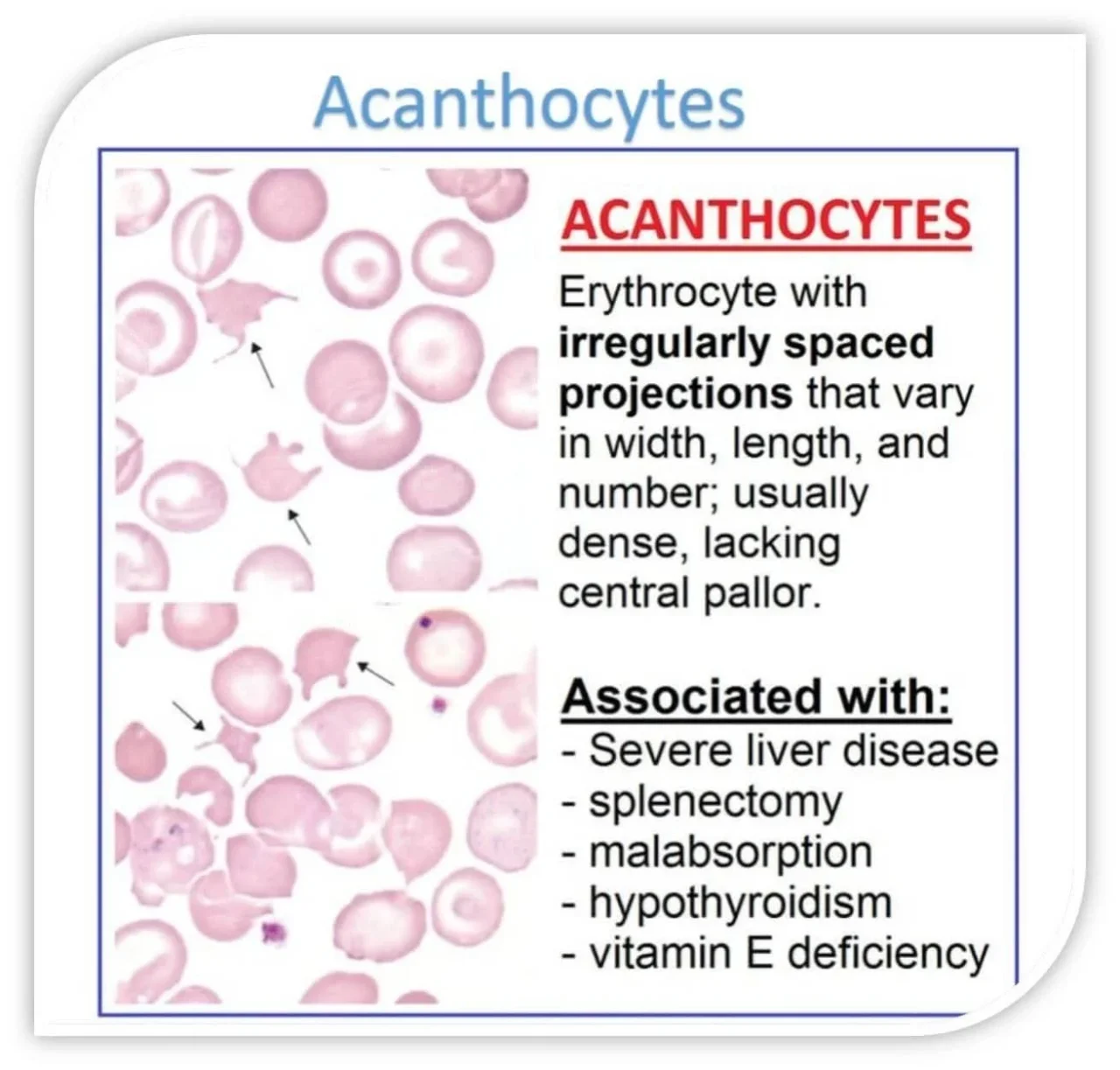
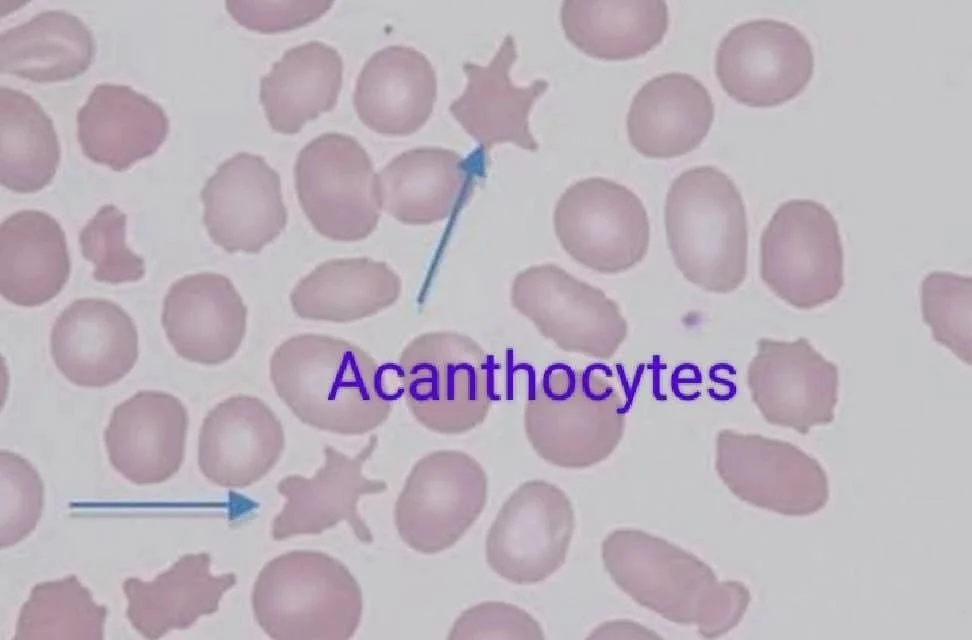
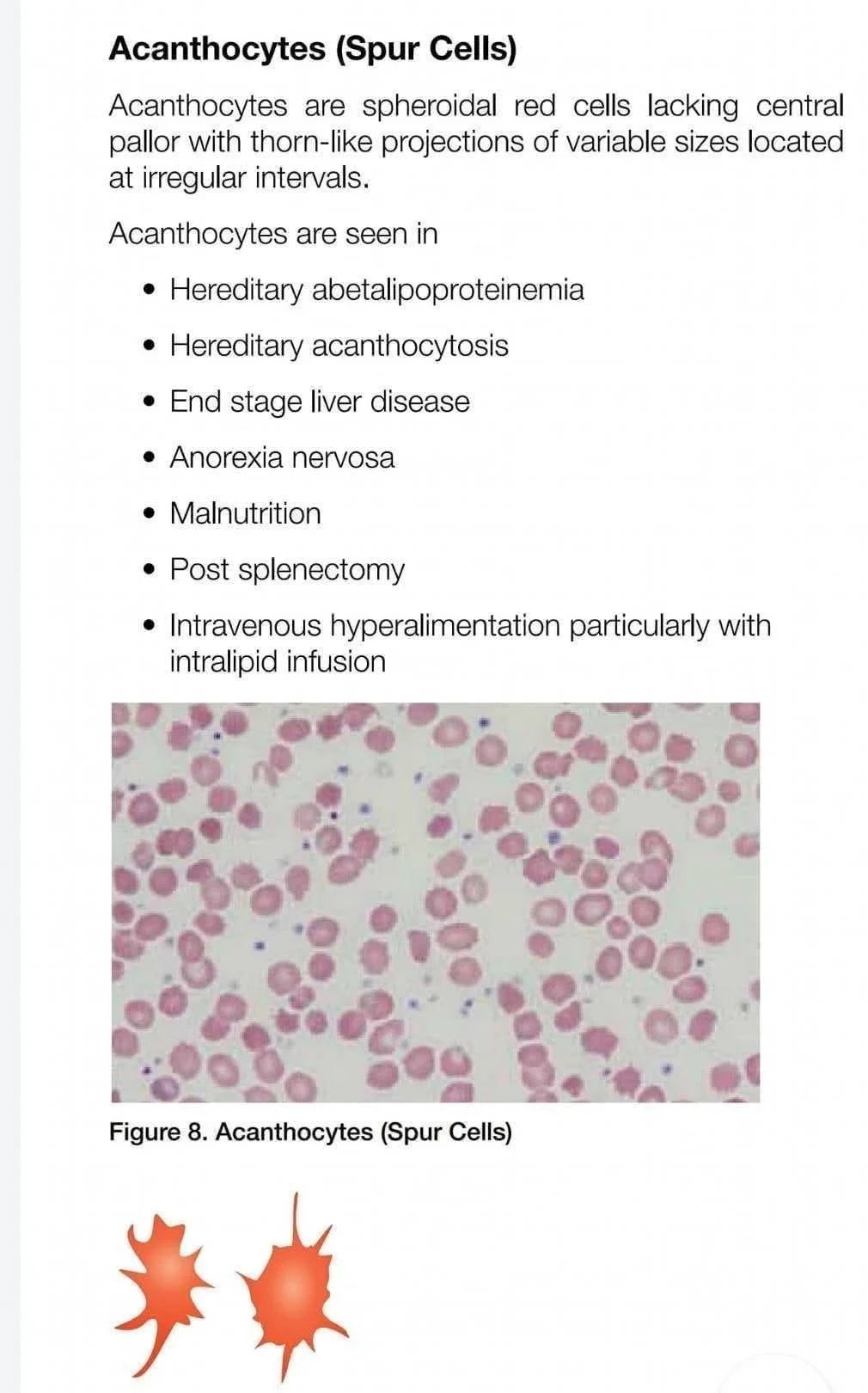
“Acanthocyte
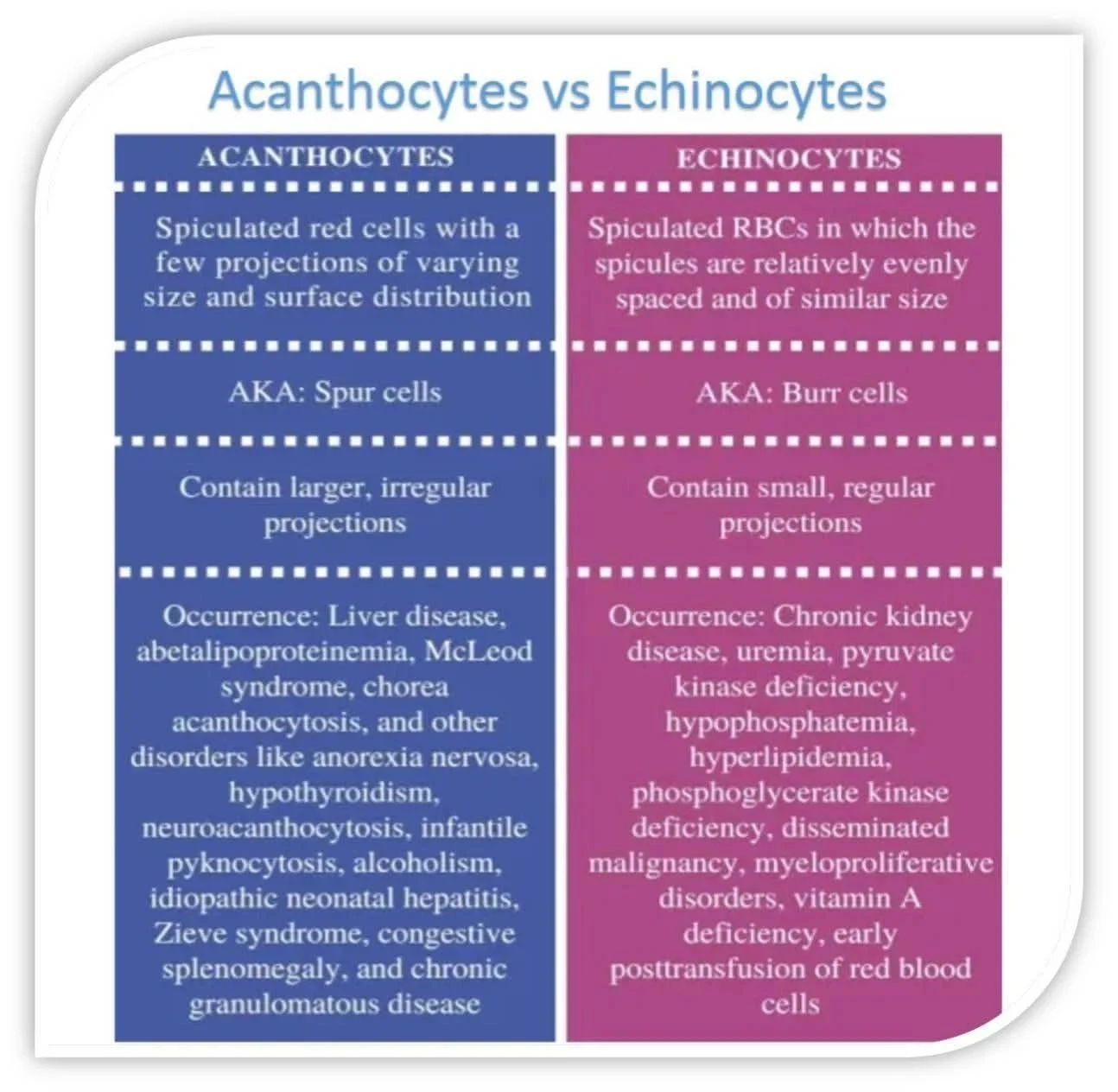
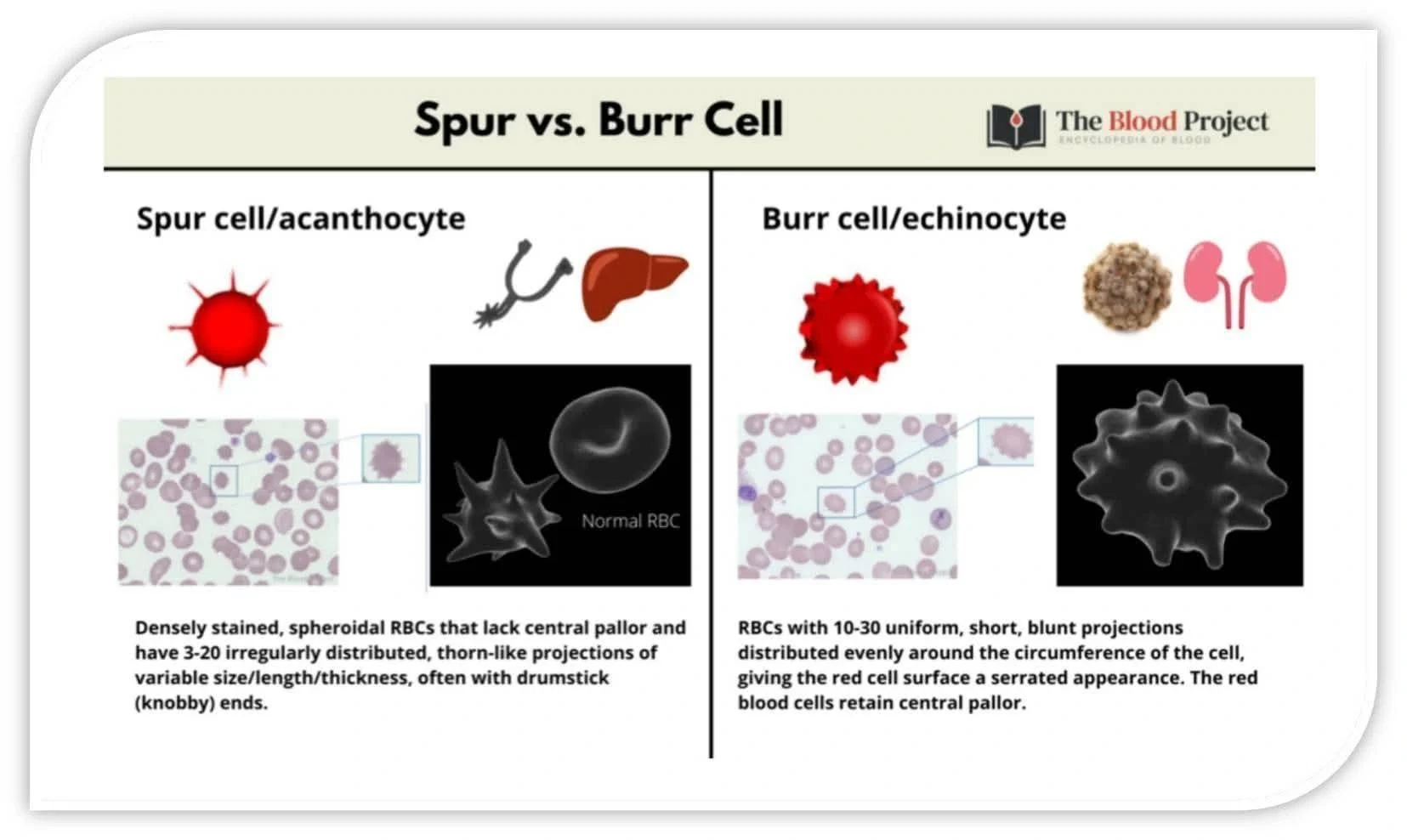
Red Blood Cells with spiky projections of varying size, length, and distribution, giving it an irregular shape.
This differs from echinocyte, which has short, evenly spaced projections around the cell surface.
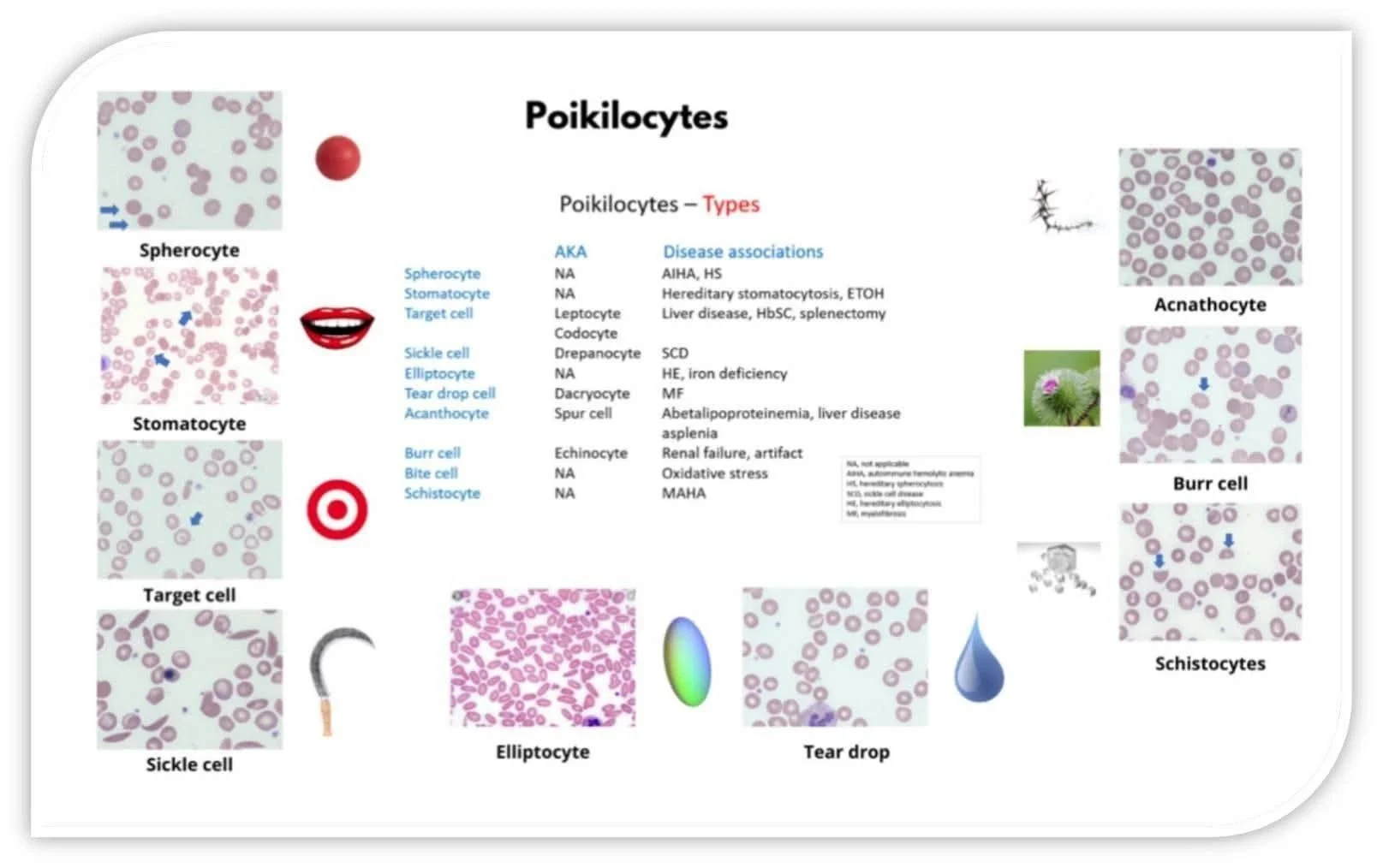
Conditions commonly associated with Acanthocytes
- Severe liver disease / Spur-cell anemia
Seen in advanced cirrhosis, where plasma lipid alterations lead to acanthocyte formation and severe hemolytic anemia.
- Abetalipoproteinemia (hereditary)
A genetic lipid disorder caused by defective MTP, leading to absence of apolipoprotein-B–containing lipoproteins, acanthocytosis, and fat-soluble vitamin deficiencies (e.g., vitamin E) with neurological manifestations.
- Neuroacanthocytosis syndromes
A group of neurological disorders associated with acanthocytosis, such as chorea- acanthocytosis (VPS13A) and McLeod syndrome (XK gene), often presenting with chorea, dystonia, neuropathy, etc.
- Others:
Post- splenectomy, malnutrition/anorexia, certain renal or metabolic disorders (clinical relevance varies).
Clinical significance
- Numerous acanthocytes – suggest severe disease, especially spur-cell anemia due to cirrhosis.
- Neurological symptoms – consider neuroacanthocytosis.
- Children with malabsorption – consider abetalipoproteinemia.”
See more in the gallery.
Stay updated with Hemostasis Today.
-
Oct 7, 2026, 16:44Amor Salah: 2026 NCS/SCCM Guidelines for Managing Antithrombotic-Associated ICH
-
Oct 7, 2026, 16:04NETs in Thrombosis: From Mechanism to Therapeutic Target
-
Oct 7, 2026, 15:28Amir Samimi: Prognostic Value of Platelet Count in Resected HNSCC
-
Oct 7, 2026, 15:21Eloïse Laouenan: Bridging Immunity and Thrombosis in MVTE
-
Oct 7, 2026, 15:10Uthra Sundaram: Honouring Donors During International Plasma Awareness Week
-
Oct 7, 2026, 15:04Daniel Victor Ortigoza: Should Frail Older Patients With AF Switch From VKA to DOACs?
-
Oct 7, 2026, 14:53Susan Noone: Donor Turned Recipient Shares Lifesaving Transfusion Story
-
Oct 7, 2026, 14:49Aimee Burtenshaw: The Impact of the Infected Blood Inquiry on Hospital Transfusion Laboratories
-
Oct 7, 2026, 14:41Vikash Jaiswal: Does Timing Matter for Calcium in Pre-Eclampsia Prevention?