


Brad McEwen: Dark Chocolate and Cardiometabolic Health
Brad McEwen, Head of Products and Innovation at Complementary Medicines Group, Director at Australian Traditional Medicine Society, shared a post on LinkedIn:
“Chocolate!
For those seeking scientific reasons to eat chocolate regularly, or an excuse, here we go…
Chocolate is an abundant source of flavanols such as epicatechin, catechin, procyanidins, theobromine, and numerous minerals, including magnesium, potassium and zinc, among other ingredients.
Studies indicate that chocolate has various properties:
- anti-inflammatory
- antioxidant
- anti-platelet
- antithrombotic
- anti-atherogenic
- vasodilatory
- among others
Chocolate has been found to modulate glucose metabolism and can reduce endothelial dysfunction, blood pressure (both systolic and diastolic), inflammation, C-reactive protein, oxidative stress, insulin resistance, and atherogenesis.
It can also improve lipid profile by decreasing low-density lipoprotein (LDL) and oxidised LDL cholesterol, and increasing high-density lipoprotein (HDL) cholesterol.
Additionally, chocolate can improve flow-mediated dilatation, insulin sensitivity, and chronic fatigue syndrome.
Chocolate has also been associated with overall better health, optimism, feeling happier and less lonely, and having better psychological wellbeing
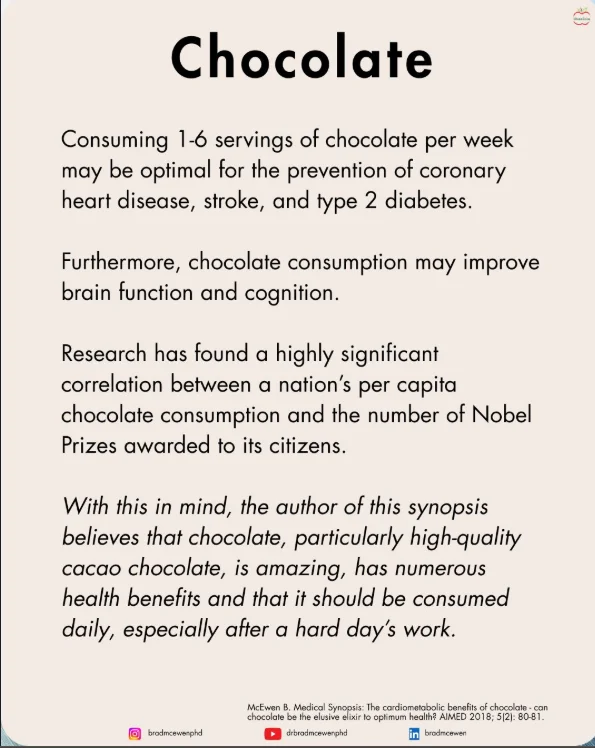
Consuming 1-6 servings of chocolate per week may be optimal for the prevention of coronary heart disease, stroke, and type 2 diabetes.
Furthermore, chocolate consumption may improve brain function and cognition.
Research has found a highly significant correlation between a nation’s per capita chocolate consumption and the number of Nobel Prizes awarded to its citizens.
With this in mind, the author of this synopsis believes that chocolate, particularly high-quality cacao chocolate, is amazing, has numerous health benefits and that it should be consumed daily, especially after a hard day’s work.
McEwen B. Medical Synopsis: The cardiometabolic benefits of chocolate – can chocolate be the elusive elixir to optimum health?
For information purposes only.
Not a substitute for medical advice.
If symptoms persist, talk to a health professional.”
Stay updated with Hemostasis Today.
-
Oct 7, 2026, 16:44Amor Salah: 2026 NCS/SCCM Guidelines for Managing Antithrombotic-Associated ICH
-
Oct 7, 2026, 16:04NETs in Thrombosis: From Mechanism to Therapeutic Target
-
Oct 7, 2026, 15:28Amir Samimi: Prognostic Value of Platelet Count in Resected HNSCC
-
Oct 7, 2026, 15:21Eloïse Laouenan: Bridging Immunity and Thrombosis in MVTE
-
Oct 7, 2026, 15:10Uthra Sundaram: Honouring Donors During International Plasma Awareness Week
-
Oct 7, 2026, 15:04Daniel Victor Ortigoza: Should Frail Older Patients With AF Switch From VKA to DOACs?
-
Oct 7, 2026, 14:53Susan Noone: Donor Turned Recipient Shares Lifesaving Transfusion Story
-
Oct 7, 2026, 14:49Aimee Burtenshaw: The Impact of the Infected Blood Inquiry on Hospital Transfusion Laboratories
-
Oct 7, 2026, 14:41Vikash Jaiswal: Does Timing Matter for Calcium in Pre-Eclampsia Prevention?