


Noor Ahmed Mirwani/LinkedIn
Apr 20, 2026, 14:42
Noor Ahmed Mirwani: Infectious Mononucleosis Through the Lens of Atypical Lymphocytes
Noor Ahmed Mirwani, Master Trainer in Blood Transfusion at The Indus Hospital, shared a post on LinkedIn:
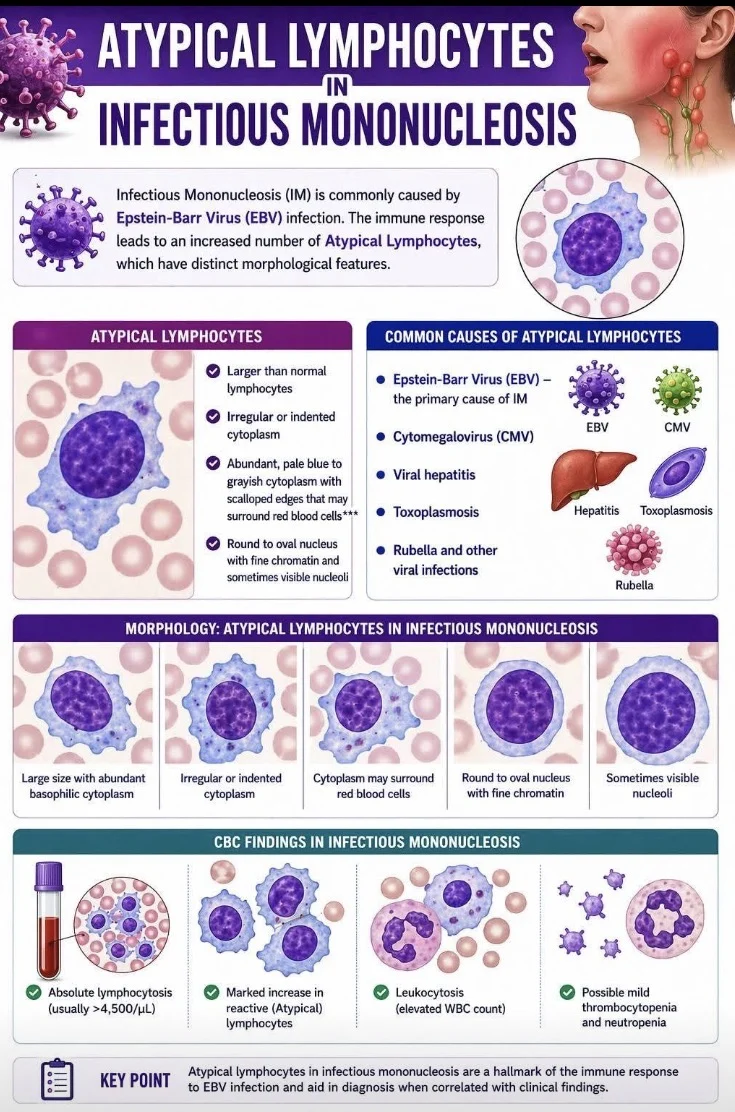
“Atypical Lymphocytes in Infectious Mononucleosis
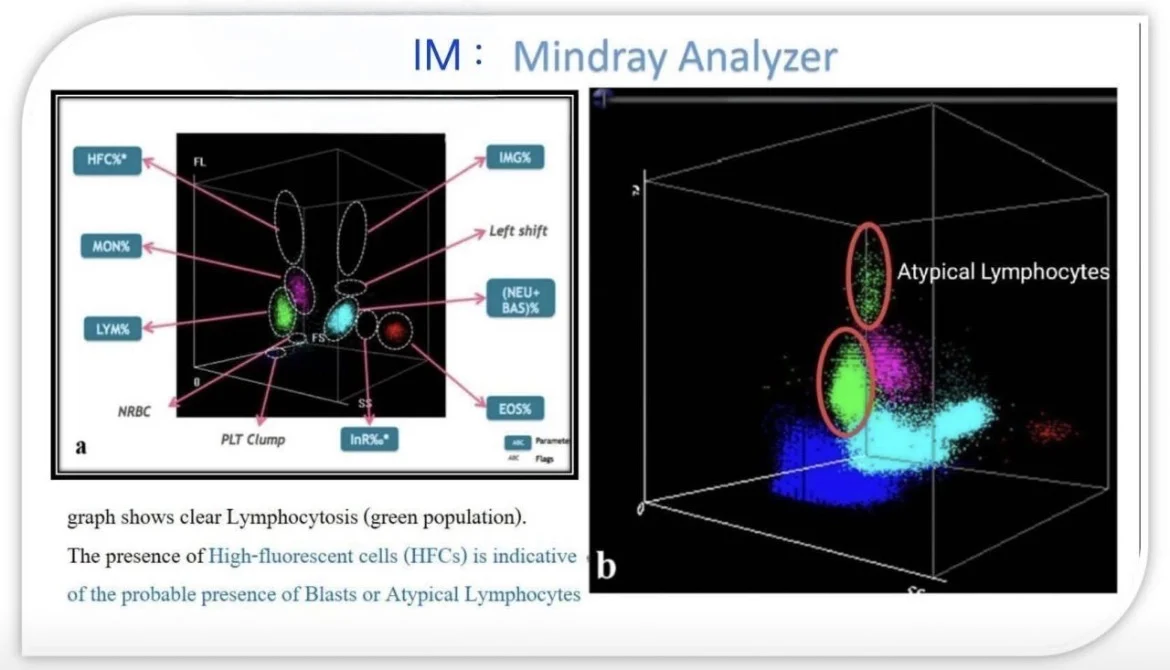
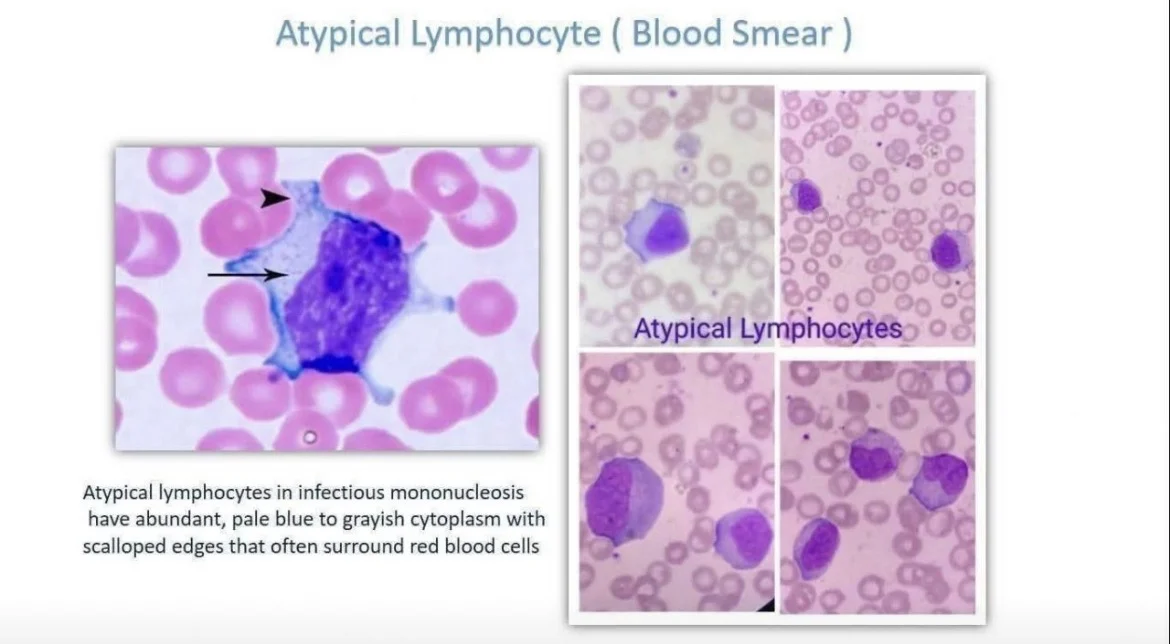
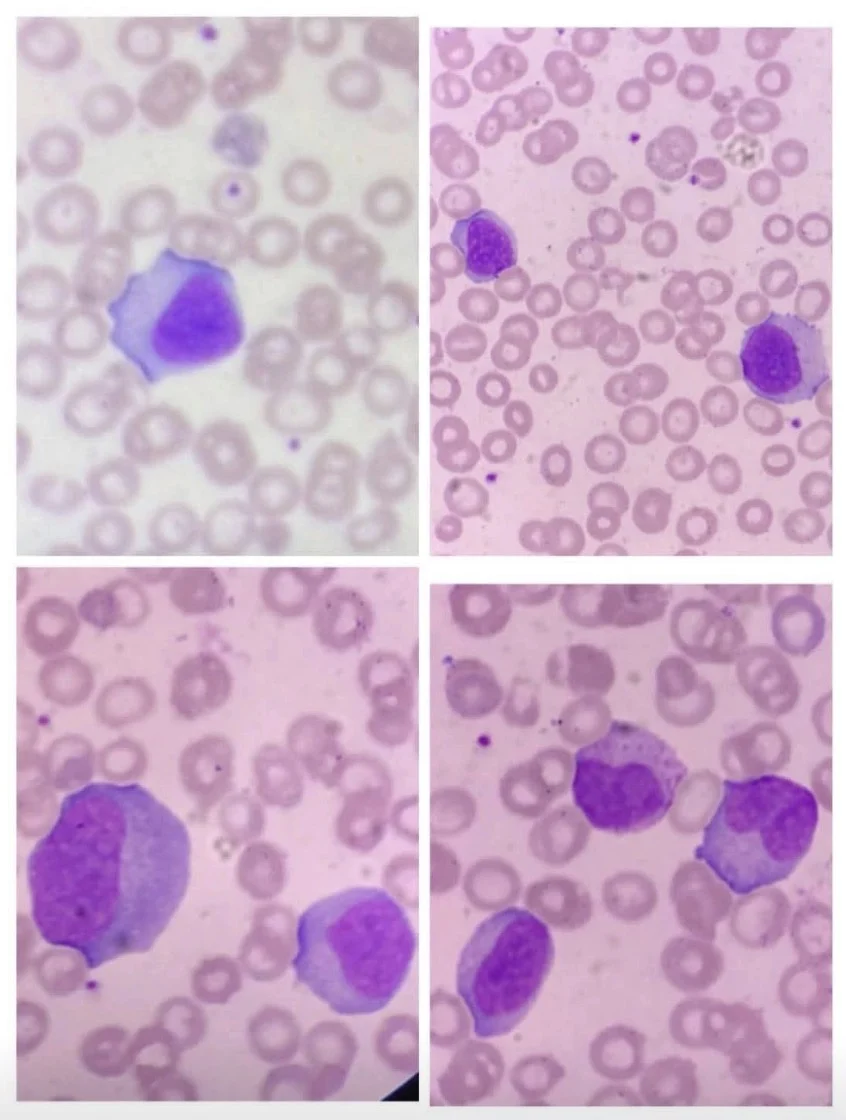
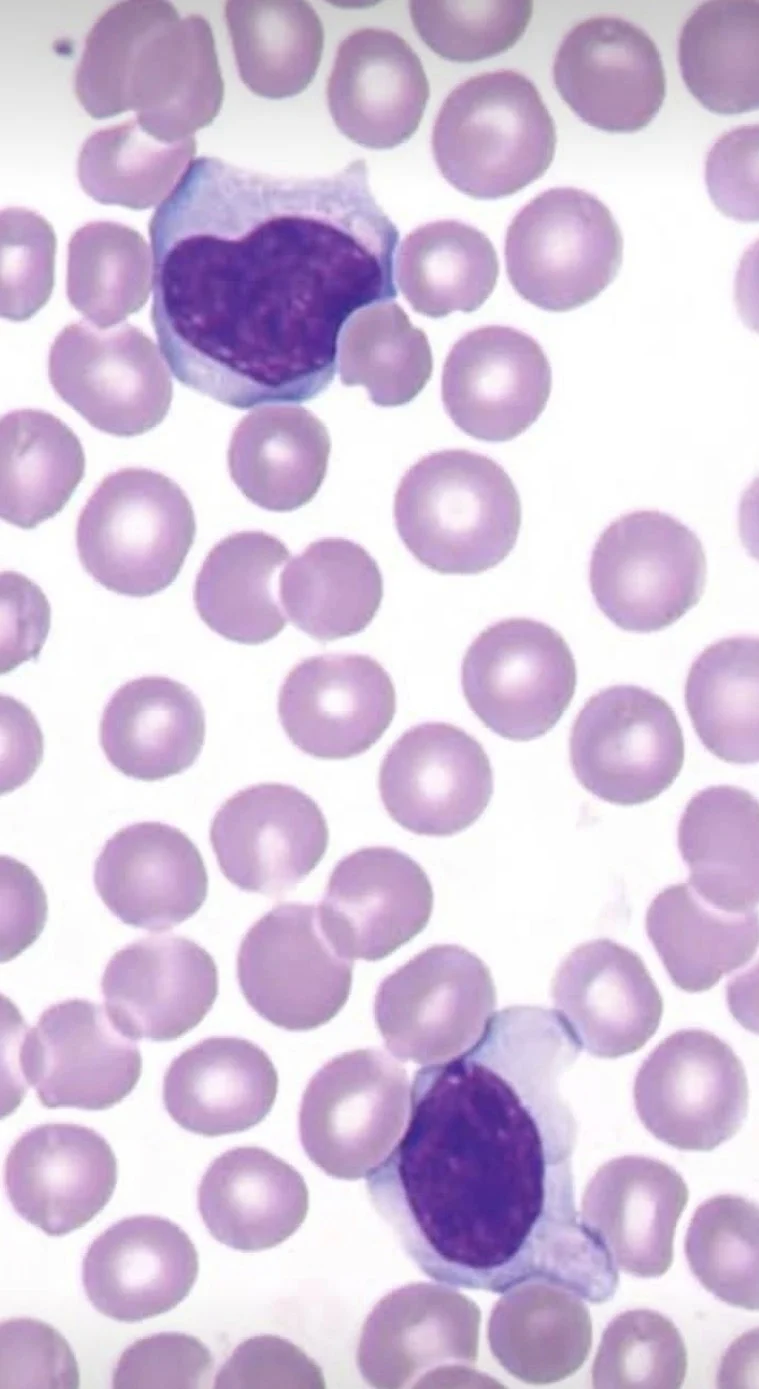
Infectious Mononucleosis (IM) is commonly caused by Epstein-Barr Virus (EBV) infection. The immune response leads to an increased number of Atypical Lymphocytes, which have distinct morphological features.
Atypical Lymphocytes:
- Larger than normal Lymphocytes
- Irregular or indented cytoplasm
- Abundant, pale blue to grayish cytoplasm with scalloped edges that may surround red blood cells
- Round to oval nucleus with fine chromatin and sometimes visible nucleoli
Common Causes of Atypical Lymphocytes:
- Epstein-Barr Virus (EBV) – the primary cause of IM
- Cytomegalovirus (CMV)
- Viral hepatitis
- Toxoplasmosis
- Rubella and other viral infections
CBC Findings in Infectious Mononucleosis:
- Absolute lymphocytosis (usually >4,500/μL)
- Marked increase in reactive (Atypical) Lymphocytes)
- Leukocytosis (elevated WBC count)
- Possible mild thrombocytopenia and neutropenia”
Stay updated with Hemostasis Today.
-
Oct 27, 2026, 16:28Rose Agor: Celebrating Two New Publications in Haematology Research
-
Oct 27, 2026, 16:21Pregnancy and Thrombosis-What Clinicians Need to Know – World Thrombosis Day
-
Oct 27, 2026, 16:13Lesley Van Wyk: DIC vs TTP vs HUS – The Key Diagnostic Clues
-
Oct 27, 2026, 16:02Ahmad G. Alzahrani: AF and Vascular Risk Factors – Should We Add Antiplatelet Therapy?
-
Oct 27, 2026, 16:02Iron Deficiency and Thrombocytosis: How Iron Availability Shapes Hematopoietic Lineage Decisions
-
Oct 27, 2026, 15:46Christiane Berger-Schaffitzel: New PhD Project Explores Snake Venom and Haemostasis
-
Oct 27, 2026, 13:51Muhammed Hajmusa: ESMO 2026 Highlights the Challenge of Anticoagulation in ROS1-Positive Lung Cancer
-
Oct 27, 2026, 13:39Luca Galassi: Retrieved Venous Thrombi as a Tool for Predicting Post-Thrombotic Syndrome
-
Oct 27, 2026, 11:43Tareq Abadl: Hidden Interferences Behind Unexpected Laboratory Results