

Alejandro González Veliz: Angina with Normal Coronary Arteries?
Alejandro González Veliz, Interventional Cardiologist of Institute of Cardiology and Cardiovascular Surgery, shared a post on LinkedIn about a recent article by Kevin K.W. et al., published in JACC Interventions:
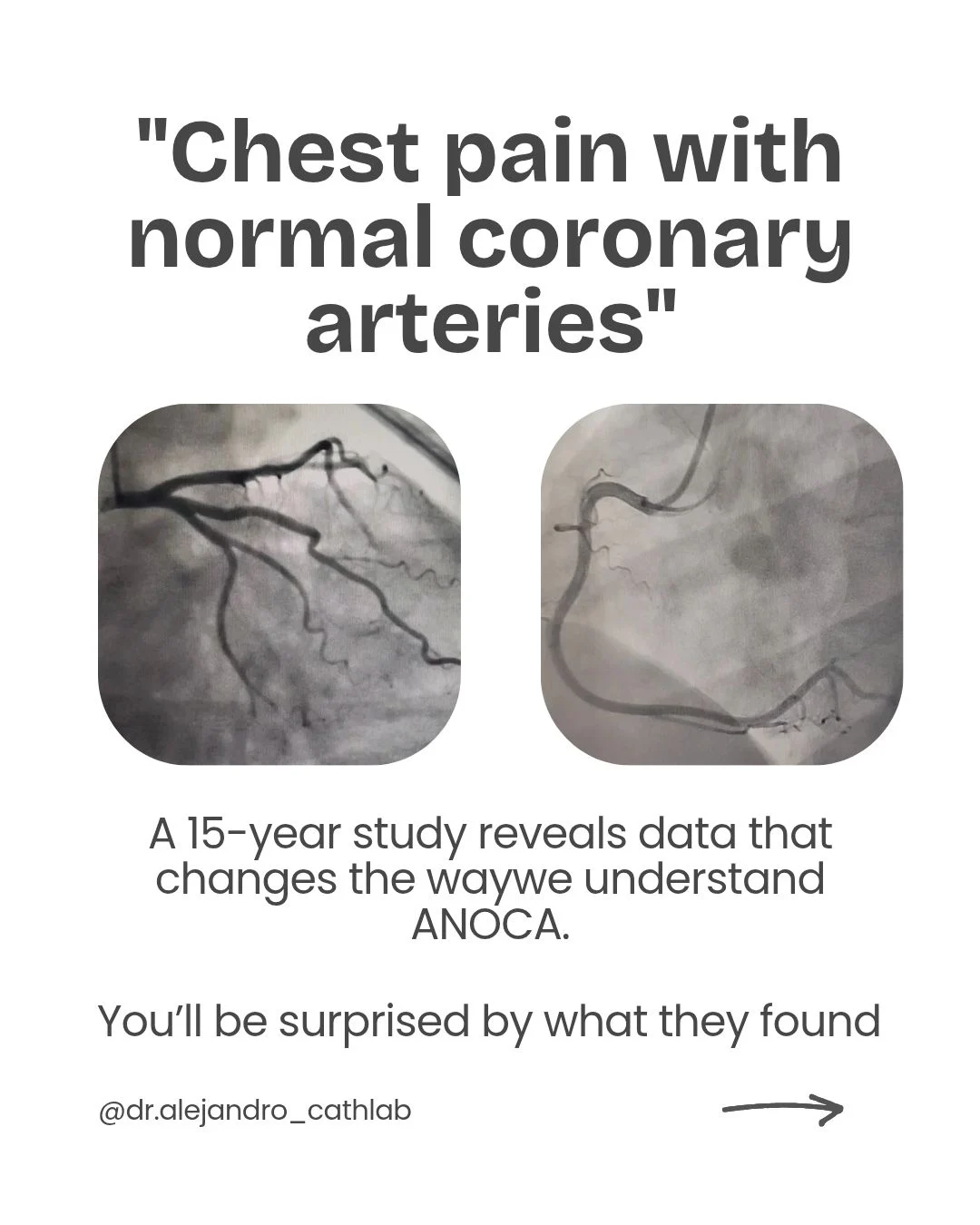
“Angina with normal coronary arteries?
A 15-year study reveals data that change the way we understand ANOCA.
You’ll be surprised by what they found.
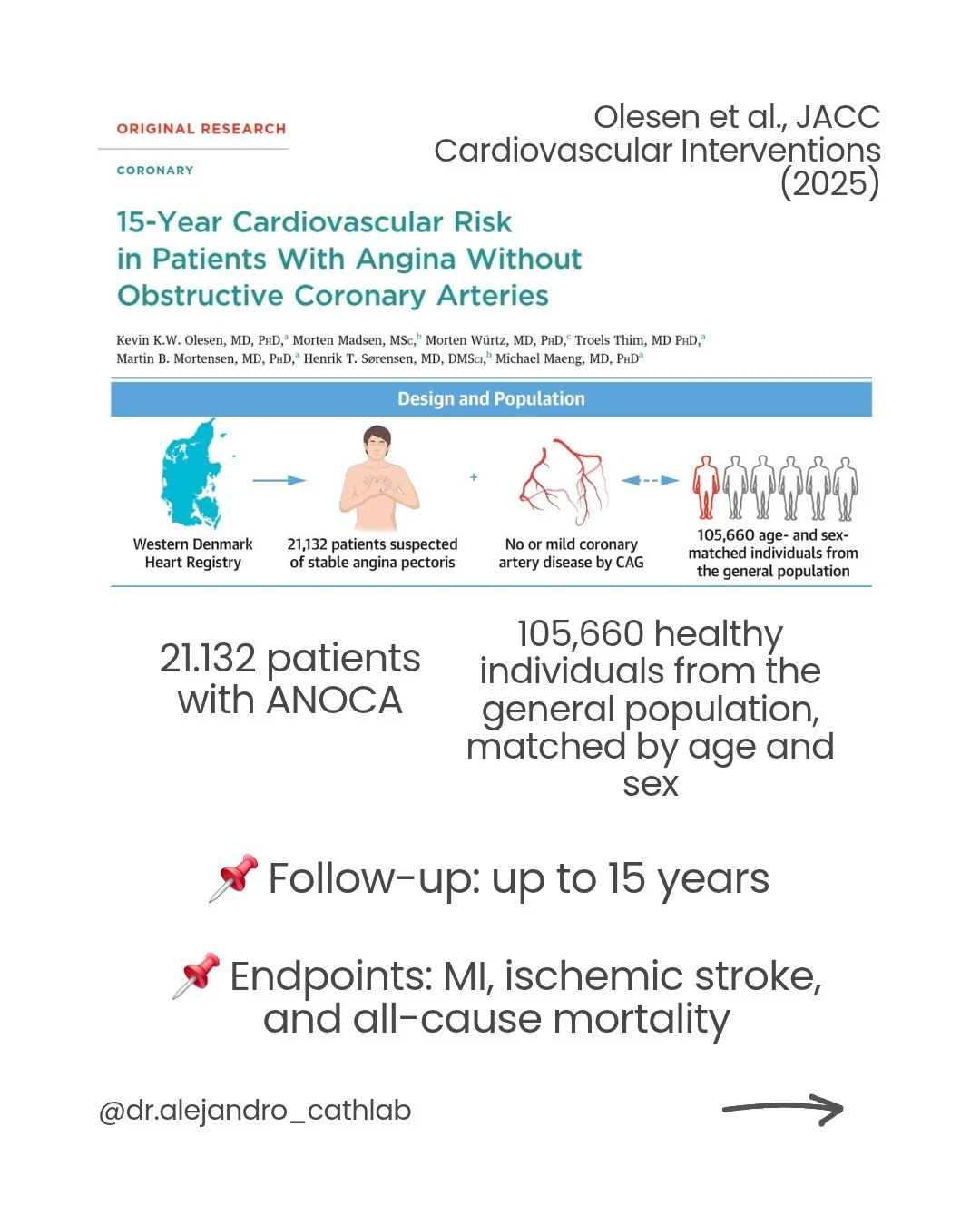
The largest long-term study
- Olesen et al., JACC Interventions (2025)
- 21,132 ANOCA patients
- 105,660 general population controls
- Up to 15 years of follow-up
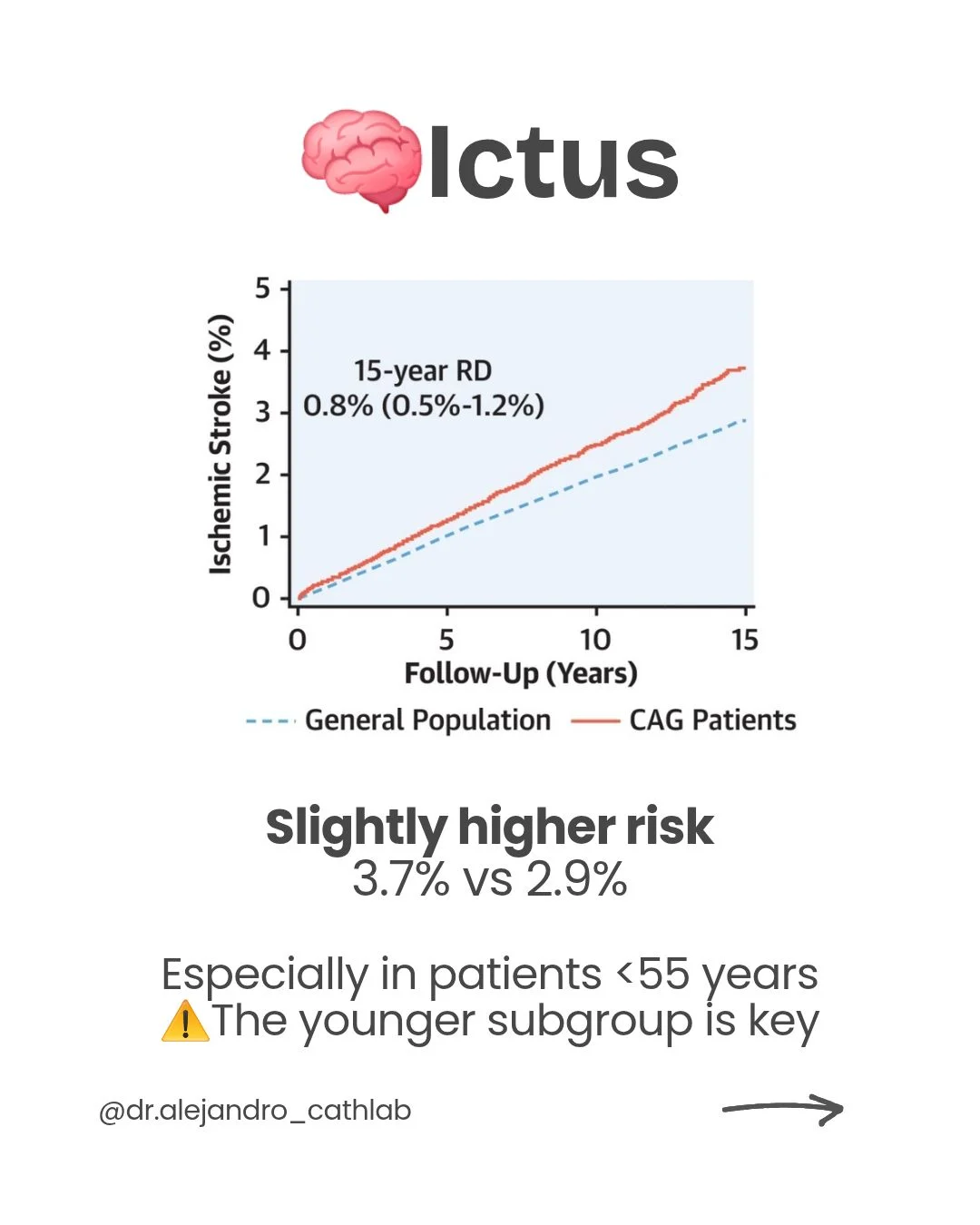
- Endpoints: myocardial infarction, stroke, and mortality.
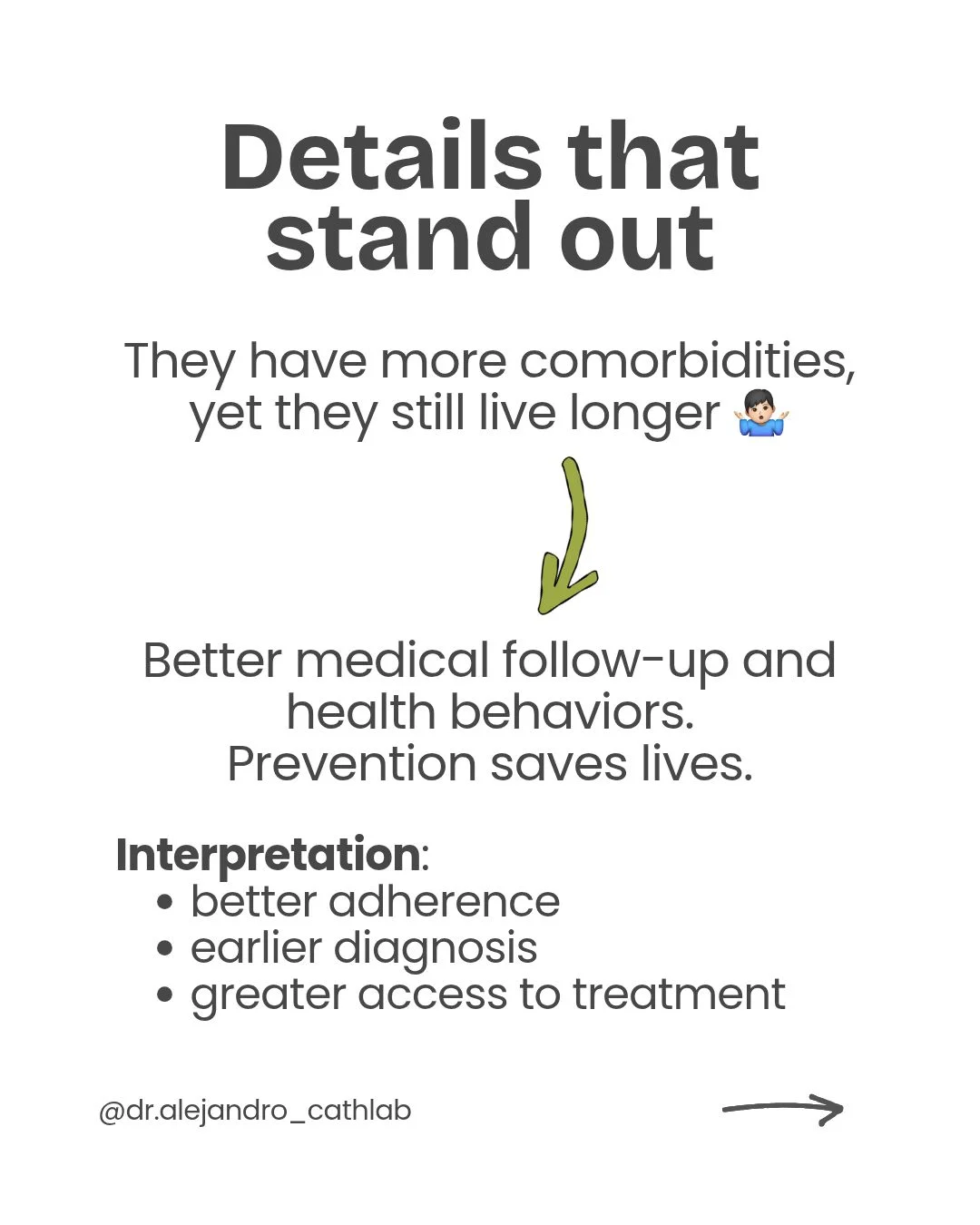
Details that stand out
Surprising findings:
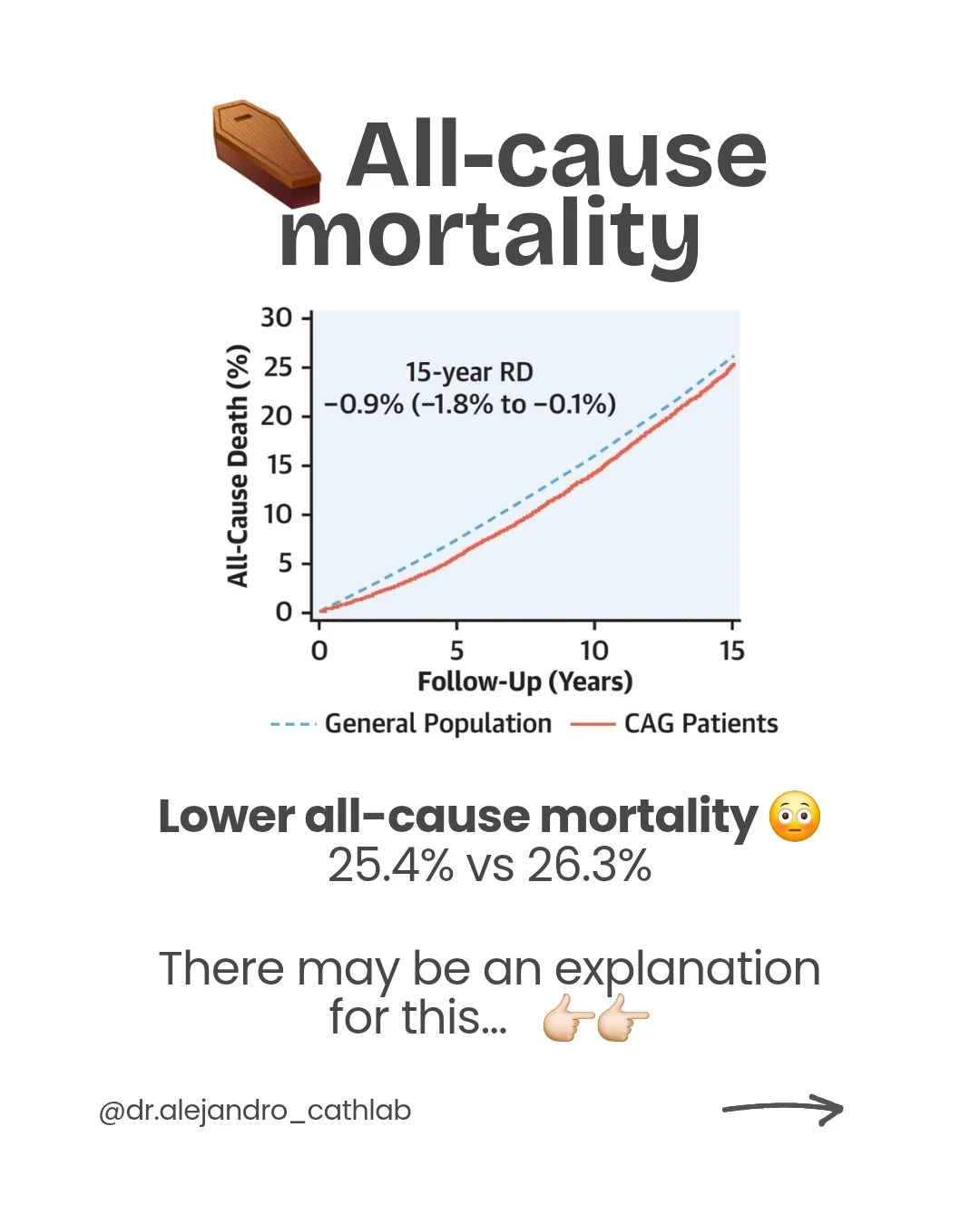
- They have more comorbidities, yet they still live longer.
- They use more statins, antihypertensives, and antiplatelets.
- Better medical follow-up and health behaviors.
Prevention saves lives.
If they do have a myocardial infarction or stroke…
They have lower subsequent mortality than the general population.
Interpretation:
- better adherence
- earlier diagnosis
- greater access to treatment
What does this mean in clinical practice?
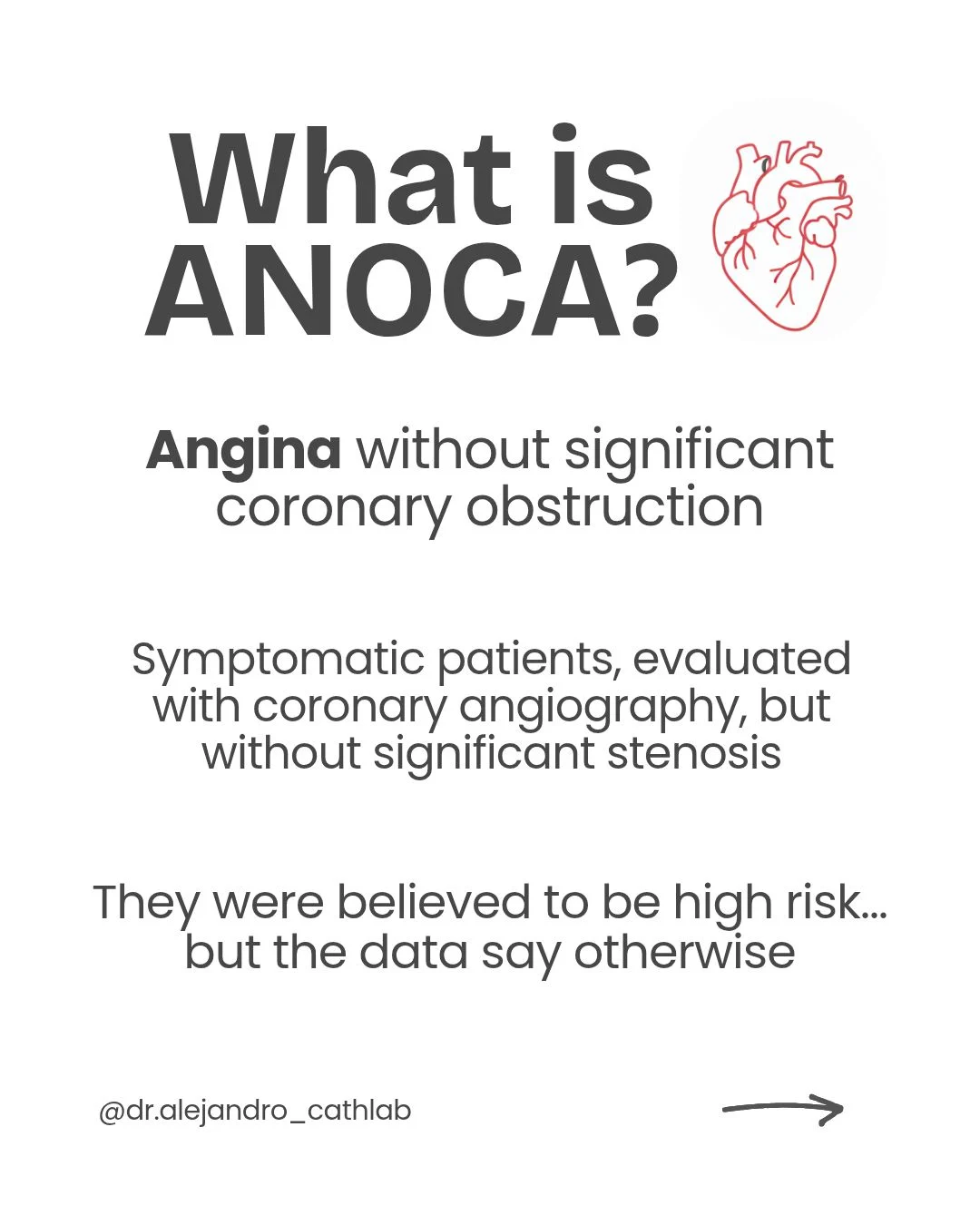
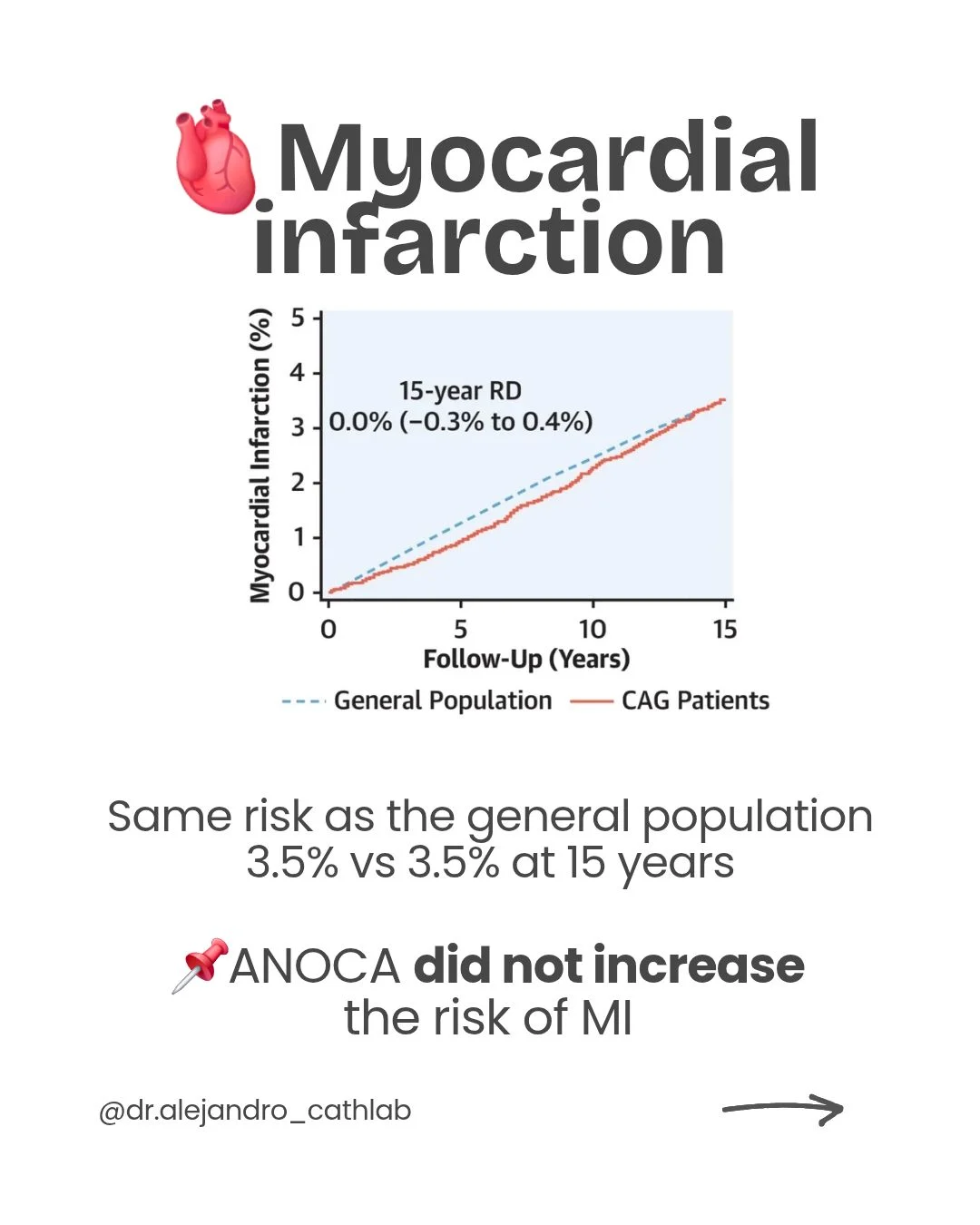
- ANOCA isn’t universally high risk
- Personalized evaluation
- Optimize cardiovascular risk factors
- Identify phenotypes of ischemia without obstruction
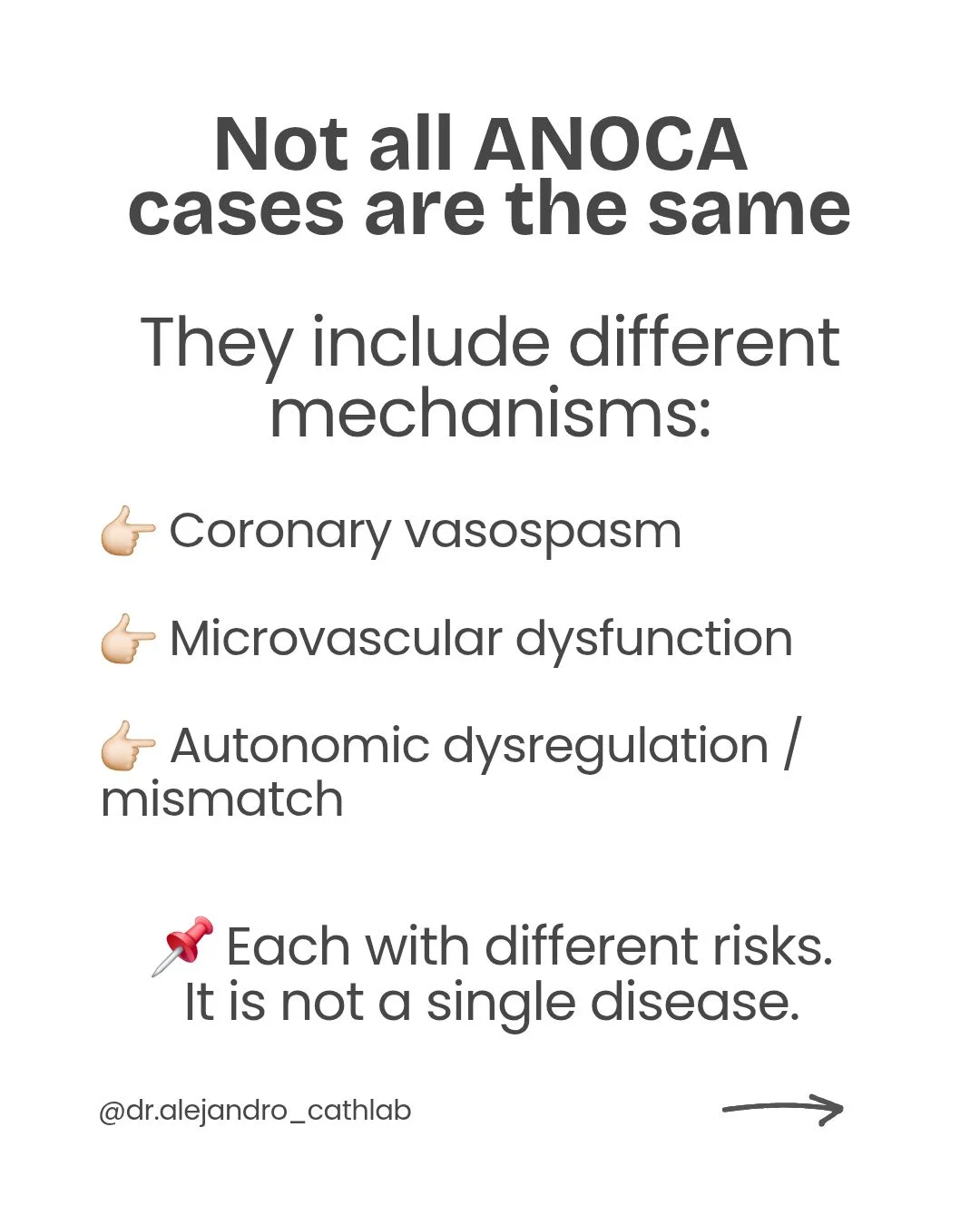
Not all ANOCA cases are the same
The study does not distinguish mechanisms such as:
- disfunción microvascular
- vasoespasmo
- CMD detected by CMR
Each has different risks according to previous studies.
Clinical conclusions
- ANOCA does not imply higher 15-year risk of myocardial infarction.
- Slight increase in stroke risk, especially in younger patients.
- Slightly lower mortality, possibly due to better follow-up and treatment.
- Risk depends on age, sex, and underlying pathophysiology.
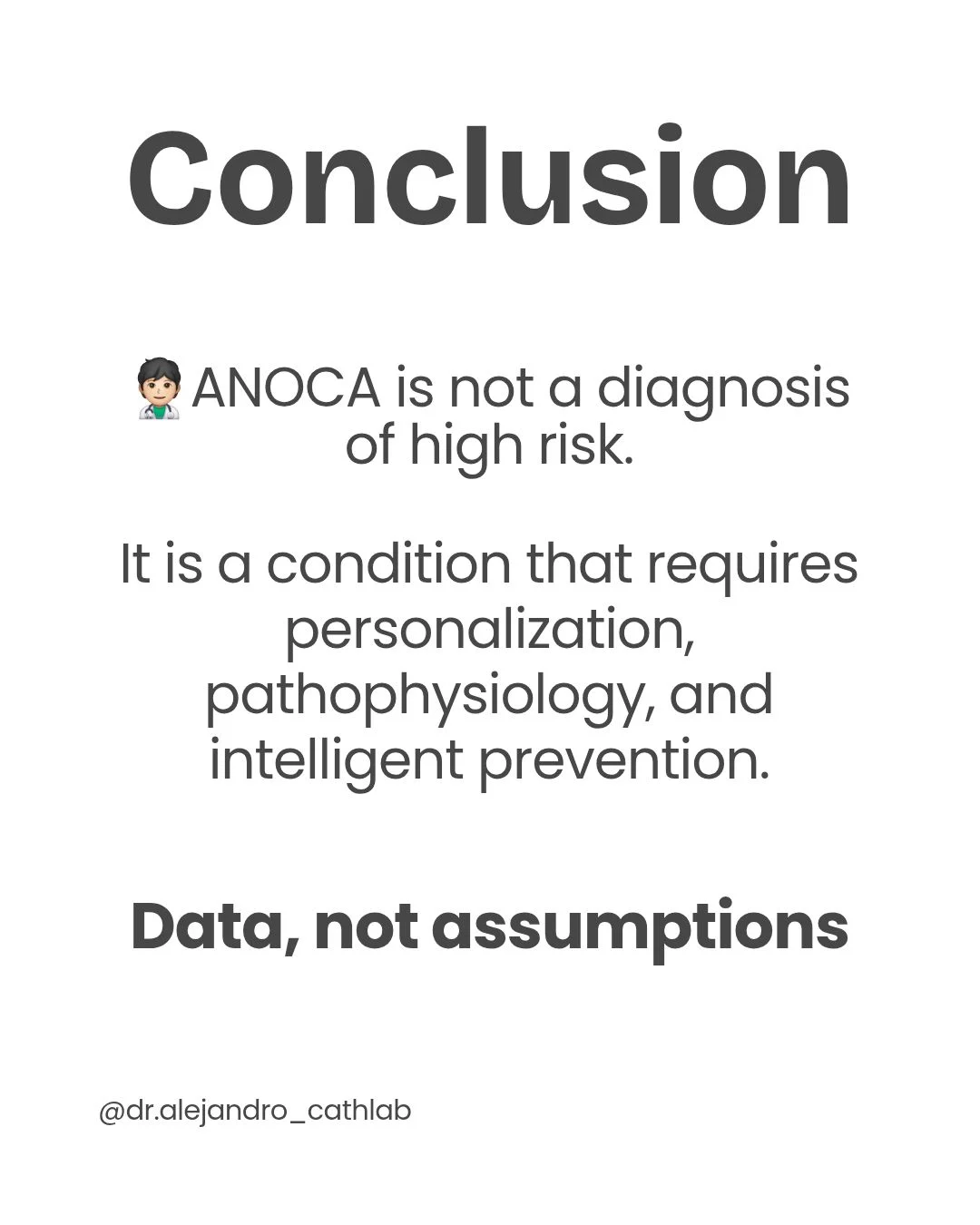
- ANOCA should not automatically be considered high risk.
- Management should be based on individualized prevention, not the ANOCA”
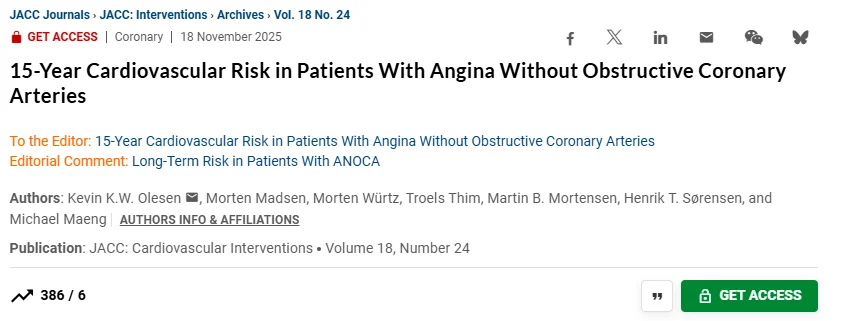
Title: 15-Year Cardiovascular Risk in Patients With Angina Without Obstructive Coronary Arteries
Authors: Kevin K.W., Morten Madsen, Morten Würtz, Troels Thim, Martin B. Mortensen, Henrik T. Sørensen, Michael Maeng
See more in the gallery.
Stay updated with Hemostasis Today.
-
Sep 25, 2026, 15:23Bringing Hope and Treatment Access to Morocco’s Hemophilia Community – World Federation of Hemophilia
-
Sep 25, 2026, 15:22Alejandro González Veliz: Targeting Atherosclerosis Before the First Event
-
Sep 25, 2026, 15:00Sarah Richardson: Finding Strength Through Bleeding Disorders Advocacy
-
Sep 25, 2026, 14:54James Fildes: Modeling Device Related Thrombosis in Multi Organ Systems
-
Sep 25, 2026, 14:51Platelet Metabolic Reprogramming: How Cellular Energy Drives Thrombosis
-
Sep 25, 2026, 14:46Thomas Maxwell: From Hemophilia Shame to Strength – Walking for Bleeding Disorders
-
Sep 25, 2026, 14:35Sarita Rani Jaiswal: Sharing Basic Science Insights at EBMT HWP 2026
-
Sep 25, 2026, 14:12Managing Breakthrough Bleeds in Hemophilia – National Bleeding Disorders Foundation
-
Sep 25, 2026, 13:50Alejandro González Veliz: Beyond the Golden Hour in Stroke Care