

Wolfgang Miesbach: Roctavian Experience in Modern Hemophilia Gene Therapy
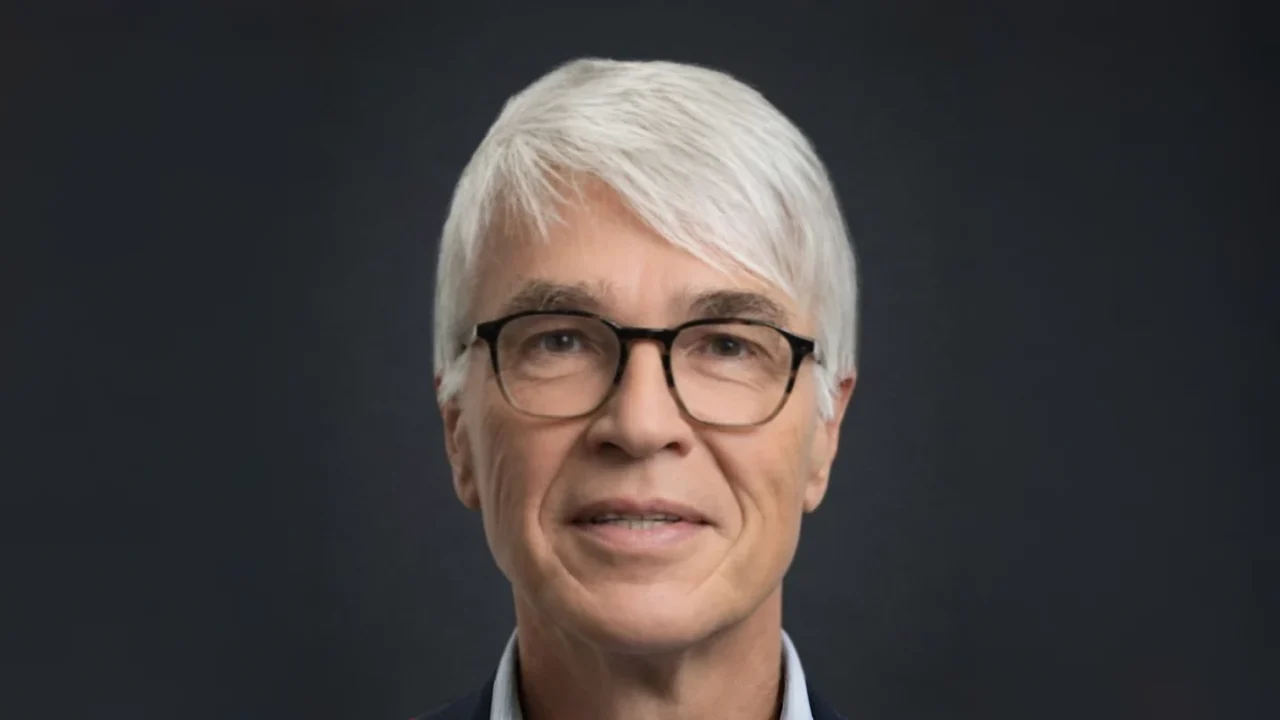
Wolfgang Miesbach, Professor of Medicine at Frankfurt University Hospital, shared a post on LinkedIn about a recent article by Flora Peyvandi et al., published in RPTH, adding:
“From a ‘haemophilia‑free mind’ to future‑ready care: why gene therapy treaters’ Roctavian experience still matters.
10 haemophilia gene therapy treaters from Germany, Italy and the United States share their real‑world experience with more than 25 adults with severe haemophilia A who received valoctocogene roxaparvovec (Roctavian):
- How they identify and prepare candidates (AAV5 testing, liver assessment, shared decision‑making)
- How centres and multidisciplinary teams are set up (including hub‑and‑spoke models, telemedicine and social work support)
- What actually happens on ‘infusion day’ and in the weeks afterwards
- How long‑term FVIII and liver monitoring is organised and how ALT rises are managed with steroids.
Why is this still important, even though Roctavian will no longer be available?
- The infrastructure they have built – hub‑and‑spoke networks, remote monitoring and close collaboration with hepatology and psychology – will underpin future programmes.
- Patients’ experiences (freedom from prophylaxis, fewer injections, greater independence, easier travel) and their concerns (FVIII durability, liver health, monitoring burden) offer valuable insights for future gene therapy discussions.
- Their collective message: many perceived barriers (approvals, logistics, training) proved manageable once clear pathways and communication structures were in place.”
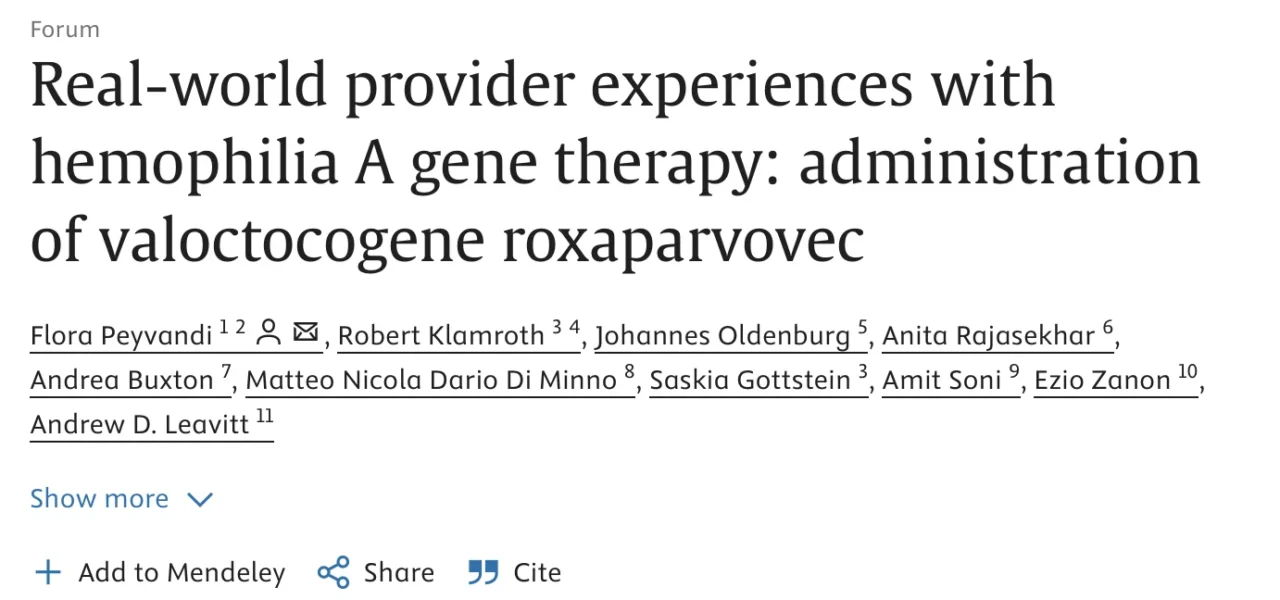
Title: Real-world provider experiences with hemophilia A gene therapy: administration of valoctocogene roxaparvovec
Authors: Flora Peyvandi, Robert Klamroth, Johannes Oldenburg, Anita Rajasekhar, Andrea Buxton, Matteo Nicola Dario Di Minno, Saskia Gottstein, Amit Soni, Ezio Zanon, Andrew D. Leavitt
Other posts featuring Wolfgang Miesbach on Hemostasis Today.
-
Sep 25, 2026, 10:49Shefina S: From Presenting to Hosting at TRANSCON 2026
-
Sep 25, 2026, 10:37Michelle Leona Cecil: Hemophilia Advocacy and the Power of Community
-
Sep 25, 2026, 10:13Michael Baria: Platelet Concentration and PRP Outcomes in Partial Rotator Cuff Tears
-
Sep 25, 2026, 09:49Haley Coleman: Volunteering to Support Hemophilia Awareness
-
Sep 25, 2026, 08:55Hitarth Mehta: BHMS Students Gain Practical Exposure to Haemophilia Diagnosis
-
Sep 25, 2026, 07:25Varun Capoor: How Therapeutic Apheresis and Transfusion Medicine Can Complement Clinical Management in SCD
-
Sep 25, 2026, 07:14Manshi Kesharwani: SAK-GQDs Modulate Thrombus Burden and Endothelial Function in Deep Vein Thrombosis
-
Sep 25, 2026, 06:20Farjah Hassan Algahtani: How Can We Better Identify Patients at Risk of Blood Clots after Metabolic and Bariatric Surgery?
-
Sep 25, 2026, 05:59Carla Lewis: Kids Conquering Sickle Disease Joins Nemours Children’s Hospital for 2nd Annual Awareness Event