

Changing the Future of PNH Care Through Global Collaboration – The Max Foundation
The Max Foundation shared a post on LinkedIn:
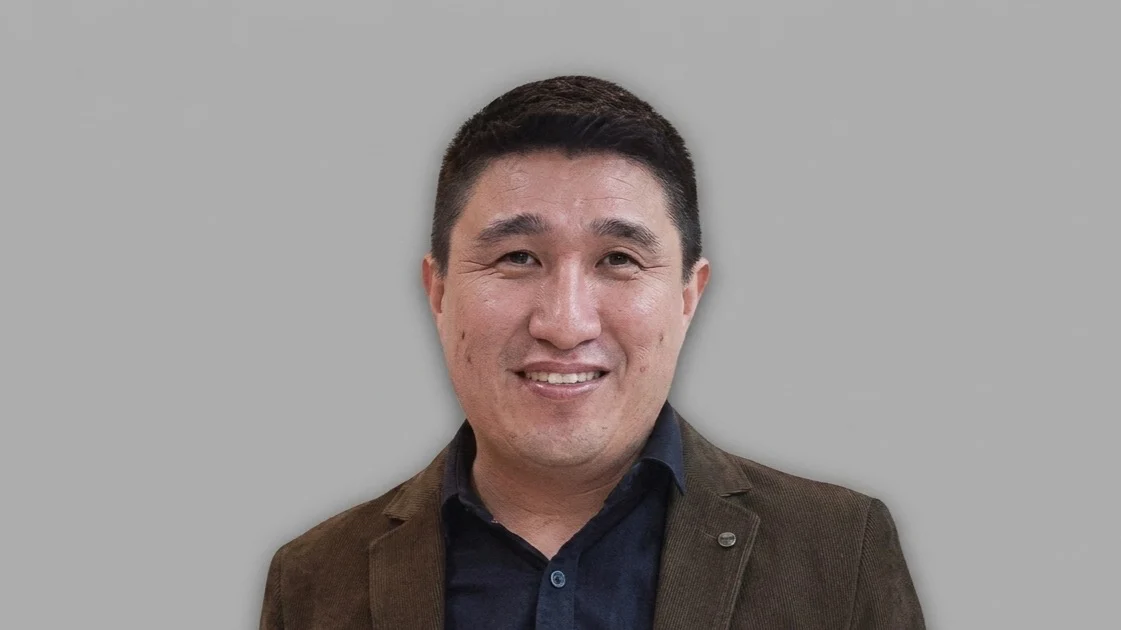
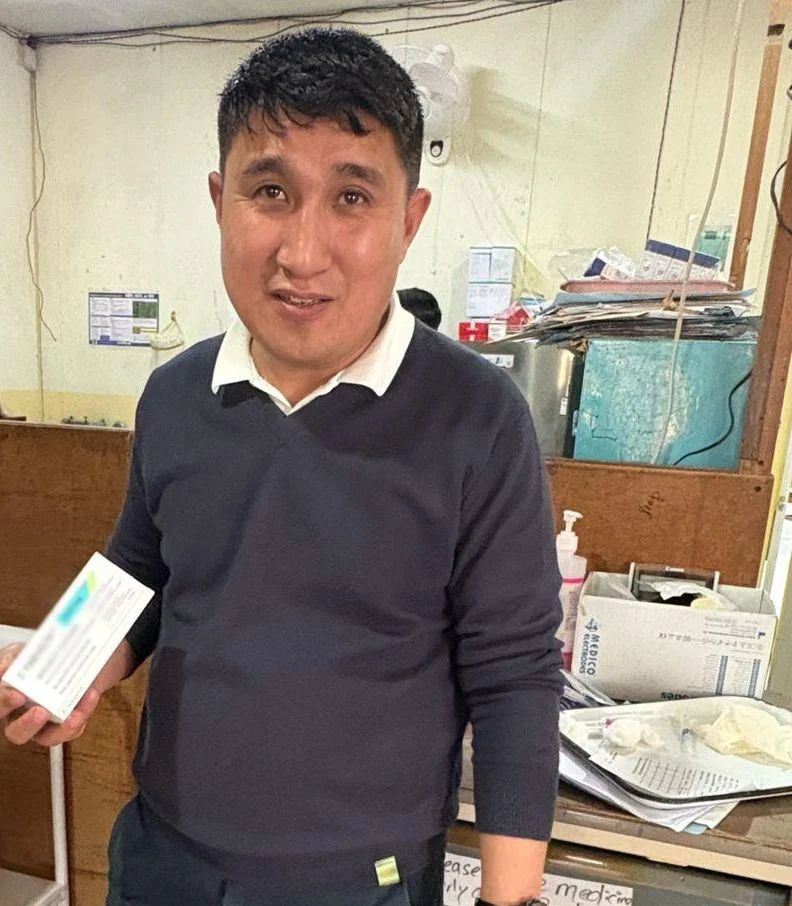
“For physicians like Dr. Mipsang Lama in Nepal, there was a time when the rare and devastating blood disorder of Paroxysmal Nocturnal Hemoglobinuria (PNH) could be identified but not truly treated.
Care meant repeated transfusions, temporary stabilization, and watching patients live with constant uncertainty.
Then, thanks to our partnership with Novartis Global Health and the International PNH Interest Group, access to treatment and training changed that!
Within weeks, patients began regaining strength. Conversations shifted from survival to possibility.
For Dr. Lama, it was more than a clinical change. It was the ability to finally offer hope alongside care.
He shared, ‘To those working in global health and rare disease access, your work has a deeply human impact. PNH may be rare, but the suffering it causes is real and significant. Today, for the first time, we can say with confidence that ‘it is treatable.’ ”
Stay updated with Hemostasis Today.
-
Oct 9, 2026, 00:39Rodrigo Arreola Diaz: The Rise of Concizumab for Hemophilia A and B
-
Oct 8, 2026, 23:27Shayan Mohammadmoradi: Happy to Be Back at the Midwest Platelet Conference for Its 20th Meeting
-
Oct 8, 2026, 23:18Lorena Arranz: Honoured to Contribute to the 6th Global MPN Symposium
-
Oct 8, 2026, 23:06Denis Oduor: Serving Citizens and Saving Lives Through Blood Donation During National Customer Service Week 2026
-
Oct 8, 2026, 22:51Jan Hartmann: Speaking on Global Trends in Plasma Collection at the 50th Meeting of the Japanese Society of Blood Services
-
Oct 8, 2026, 22:49Akshat Jain: Proud to Announce the Publication of Advances in Sickle Cell Disease
-
Oct 8, 2026, 22:49Ed Shovelin: Extending the Platelet Aggregation Testing Window to 72 Hours
-
Oct 8, 2026, 22:48Abdulla A. Damluji: Anticancer Drugs and Thrombosis Mechanisms, Risk Factors, and Prevention
-
Oct 8, 2026, 22:46Miguel Escobar: My Research on Oral Health and Hemophilia