

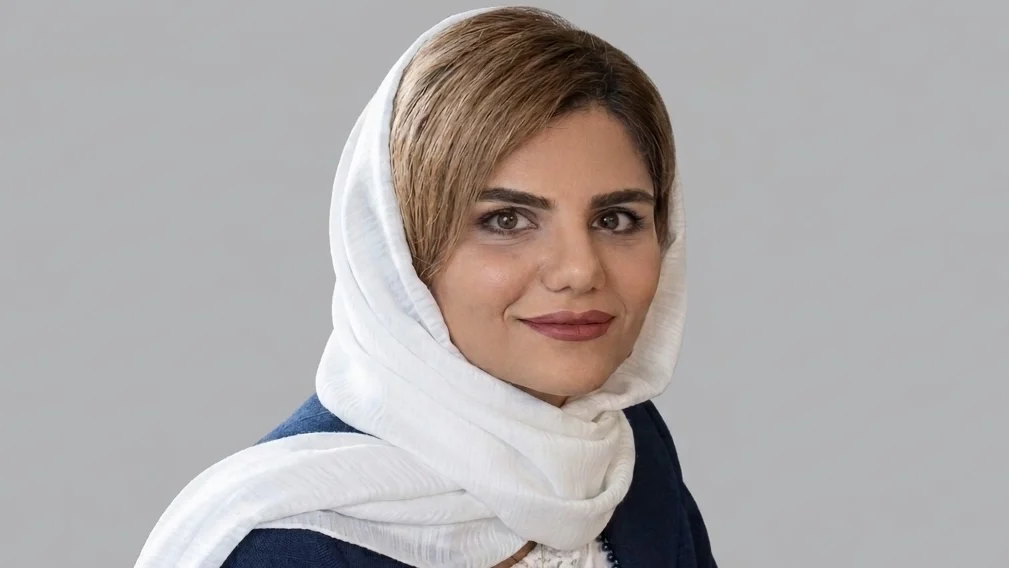
Ramina Fazeli: Highlighting the Emerging Role of Neutrophil Extracellular Traps in Ovarian Cancer
Ramina Fazeli, Medical Doctor at Alborz University of Medical sciences, shared a post on LinkedIn about a recent article she and her collegues co-authored, published in adding:
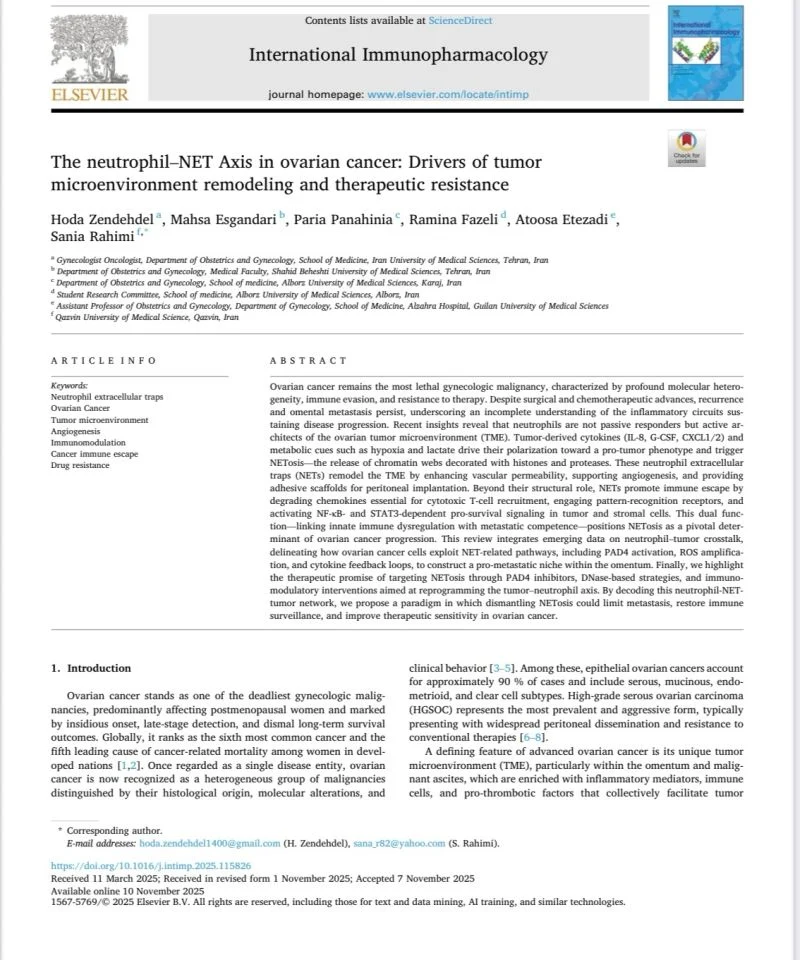
“This review highlights the emerging role of neutrophil extracellular traps (NETs) in ovarian cancer progression, tumor microenvironment remodeling, immune evasion, angiogenesis, and therapeutic resistance.
We also discussed the molecular pathways involved in NETosis and explored the potential of NET-targeted therapies as promising strategies to improve treatment response and patient outcomes in ovarian cancer.
I am grateful to all co-authors and collaborators for their valuable contributions to this work.
I hope this article adds to the growing understanding of the complex interactions between inflammation, immunity, and cancer biology.”
Title: The neutrophil–NET Axis in ovarian cancer: Drivers of tumor microenvironment remodeling and therapeutic resistance
Authors: Hoda Zendehdel, Mahsa Esgandari, Paria Panahinia, Ramina Fazeli, Atoosa Etezadi, Sania Rahimi
Stay updated on all scientific advances with Hemostasis Today.
-
Oct 8, 2026, 17:00Sally Mandour: Platelet Size And Shape Can Reveal The Diagnosis
-
Oct 8, 2026, 16:49Neil Morgan: Advancing Understanding Of Bleeding Disorders Of Unknown Cause
-
Oct 8, 2026, 16:38Beverley Hunt: Advancing Pulmonary Embolism Care Through Collaboration And Learning
-
Oct 8, 2026, 16:19Cedric Hermans: Six Webinars Advancing Haemophilia Care And Beyond
-
Oct 8, 2026, 16:09Luana Banu: Every Donation Connects A Human Chain
-
Oct 8, 2026, 15:51Khaled Musallam: A New Era In Thalassemia Care
-
Oct 8, 2026, 15:40Juan J. Ortiz։ Catheter Directed Therapy In Pulmonary Embolism
-
Oct 8, 2026, 15:34Petros Kountouris: Geostatistical Modelling Maps Global β-Thalassaemia Carrier Prevalence
-
Oct 8, 2026, 15:14Renzo Mancuso: Human Stem Cell Model Reveals Progenitor Fate in Tissue Macrophages