


Gestur Vidarsson: Could Antibody Fucosylation Help Predict FNAIT Severity
Gestur Vidarsson, Professor, PI and head of Immunoglobulin Research at Sanquin Research at the Utrecht University, shared a post on LinkedIn about a recent articles, adding:
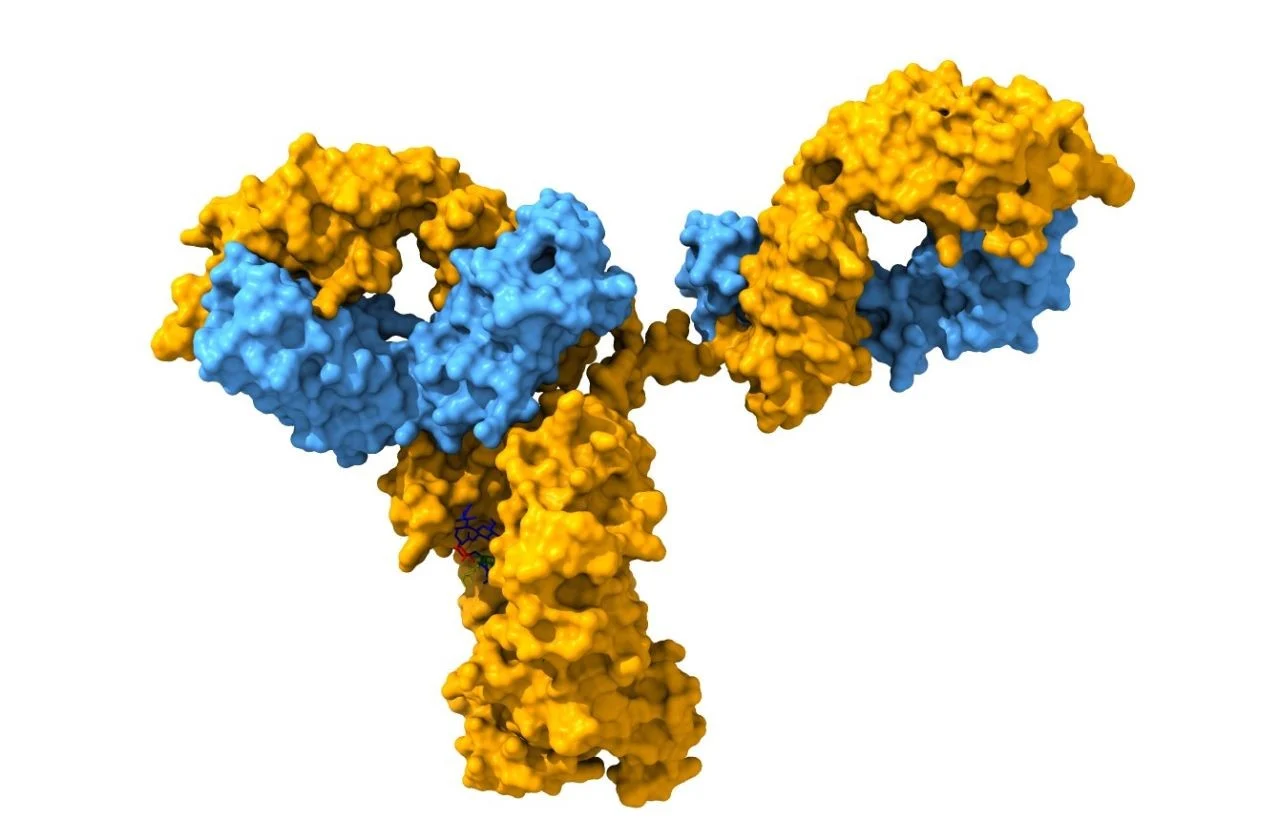
“The maternal immune system transports IgG its unborn babies via the placenta to provide protection against infectious agents.
However, sometimes these also contain alloantibodies to unborn babies’ cells, which can sometimes cause foetal and neonatal alloimmune thrombocytopenia (or FNAIT) – a condition leading to dangerous bleeding.
Alloantibodies lacking fucose are especially damaging.
Most potential FNAIT cases go unnoticed because symptoms do not appear.
What do these antibodies look like, and do they have fucose?
Our recent publication in Haematologica Journal found that undiagnosed HPA-1a antibody cases, where mothers never had a diagnosed FNAIT child, contain more fucose than cases with prior FNAIT.
This highlights the potential of analysing antibody fucose levels to help prevent FNAIT since effective treatments exist.
We also compared HPA-1a antibodies recognising the β3-restricted HPA-1a epitope on either platelets (αIIbβ3 integrin) or endothelial cells (αvβ3 integrin).
These showed identical glycosylation profiles, supporting our findings that HPA-1a antibodies form one pool and do not discriminate between target antigens.
Big thanks to Janita Oosterhoff, the team of Manfred Wuhrer, whose collaboration was and is indispensable for these types of studies.
Also thanks to Arthur Bentlage, David Falck, Wenjun Wang, Jan Nouta, Steinar Gijze, Thijs de Vos, Dian Winkelhorst and Ellen van der Schoot for decades of invaluable collaboration on these studies.”
Title: HPA-1a antibodies in FNAIT do not distinguish αvβ3 from αIIbβ3, and bind inactive integrins more strongly than active integrins
Authors: Janita J. Oosterhoff, Wendy Stam, Suze R. van Brummelen, Arthur E. H. Bentlage, Thijs de Vos, José María de Pereda, Leendert Porcelijn, Rick Kapur, Masja de Haas, C. Ellen van der Schoot, Gestur Vidarsson, Coert Margadant
Title: Maternal anti-HPA-1a antibodies block αIIbβ3 and αvβ3 integrin activation which correlates with FNAIT disease severity
Authors: Wendy Stam, Jeremy D. Broekhuis, Femke W.T. van der Meer, Raoul Petrus Piree, Janita Oosterhoff, Jose Maria de Pereda, Ellen van der Schoot, Gestur Vidarsson, Coert Margadant
Title: Altered glycosylation profile of anti-HPA-1a-specific antibodies: insights from a prospective fetal and neonatal alloimmune thrombocytopenia cohort
Authors: Janita J. Oosterhoff Arthur E.H. Bentlage David Falck Wenjun Wang Jan Nouta Manfred Wuhrer Steinar Gijze Thijs de Vos Dian Winkelhorst Ellen C. van der Schoot Gestur Vidarsson
Stay updated with Hemostasis Today.
-
Oct 10, 2026, 17:58Archo Farzana Batool: Exploring Medical Writing Through an Article on Iron Deficiency Anemia
-
Oct 10, 2026, 17:53Assessing Frailty in Adults With Hemophilia – JTH
-
Oct 10, 2026, 17:52Fatma Sadeghi: Reducing Maternal Health Inequalities Through Nursing Advocacy
-
Oct 10, 2026, 17:50Grzegorz Hensler: How Apheresis Transformed Blood Cell Separation and Collection
-
Oct 10, 2026, 17:47Hemant K Sharma: Japan’s Universal Artificial Blood Research – A Potential Breakthrough in Transfusion Medicine
-
Oct 10, 2026, 17:40John Strouse: Learning About Bleeding Disorders and Sickle Cell Disease at FWGBD
-
Oct 10, 2026, 17:34Mae Caime: Speaking at the Annual Women’s Retreat for the Hemophilia Community in Florida
-
Oct 10, 2026, 17:30Chokri Ben Lamine: PNH beyond the Textbook Triad
-
Oct 10, 2026, 17:29Ruah Alyamany: Thrombosis and Anticoagulation in Hematological Malignancies at SOHO KSA 2026