

Ziad Omar/LinkedIn
May 26, 2026, 11:34
Ziad Omar: PTT and aPTT Testing – Reading the Intristic Pathway of Coagulation
Ziad Omar, Medical Laboratory Technician at Palestine Red Crescent Society, shared a post on LinkedIn:
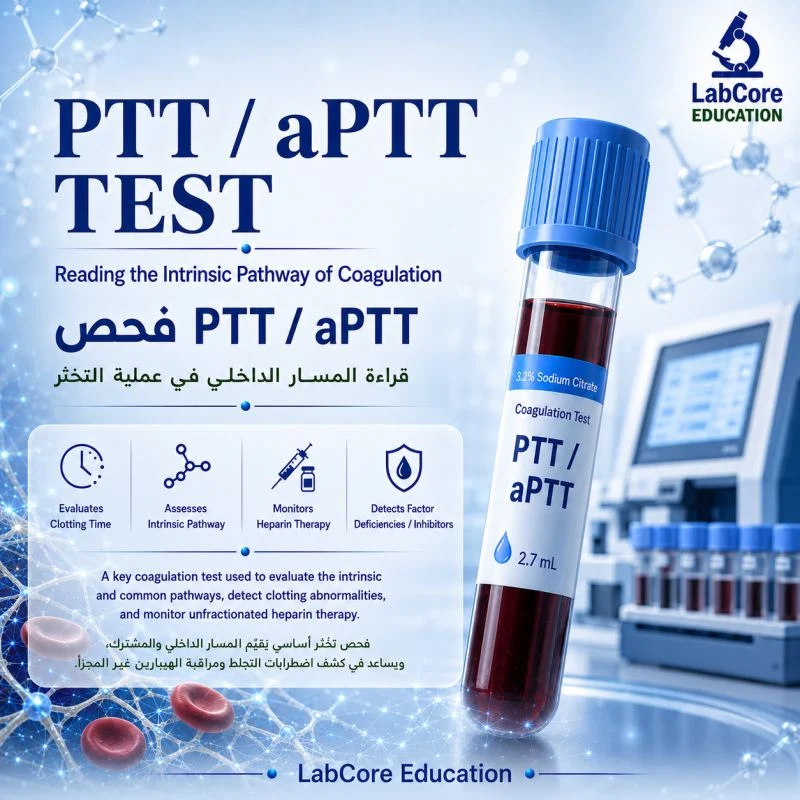
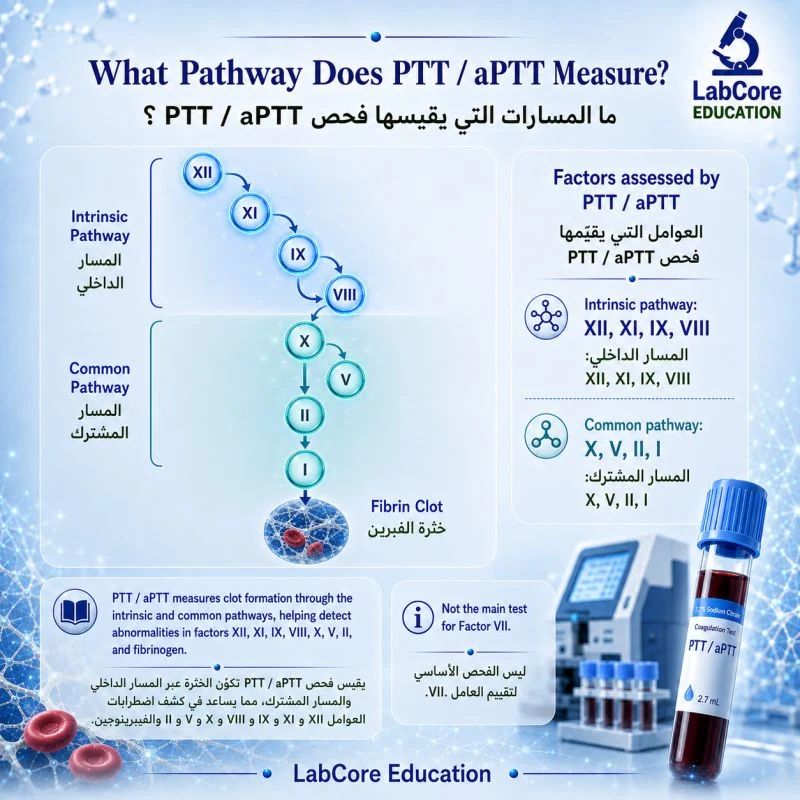
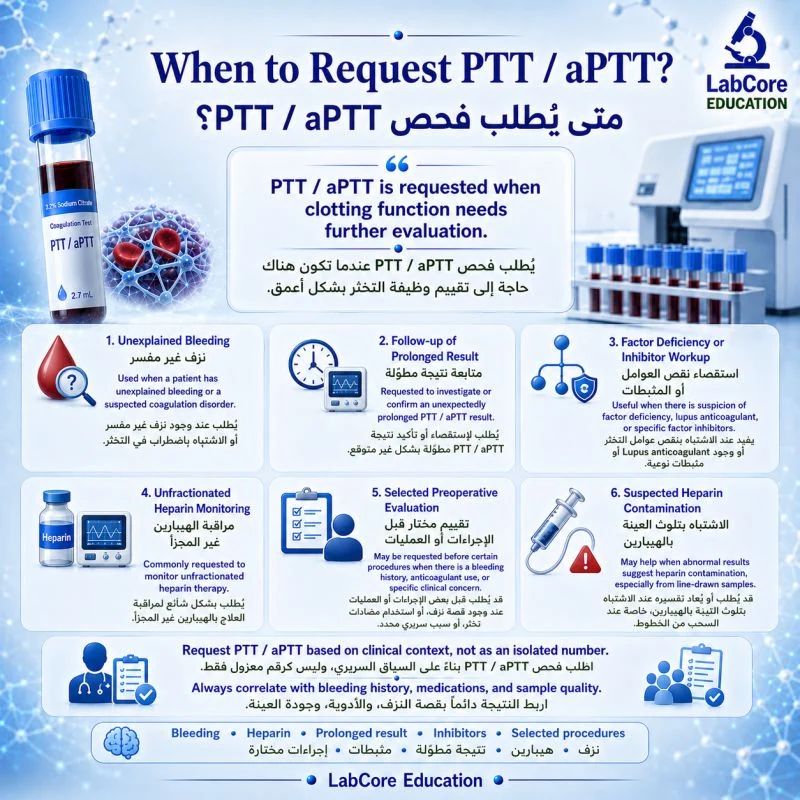
“PTT / aPTT is one of the most important screening tests in coagulation, but its interpretation requires more than reading a number.
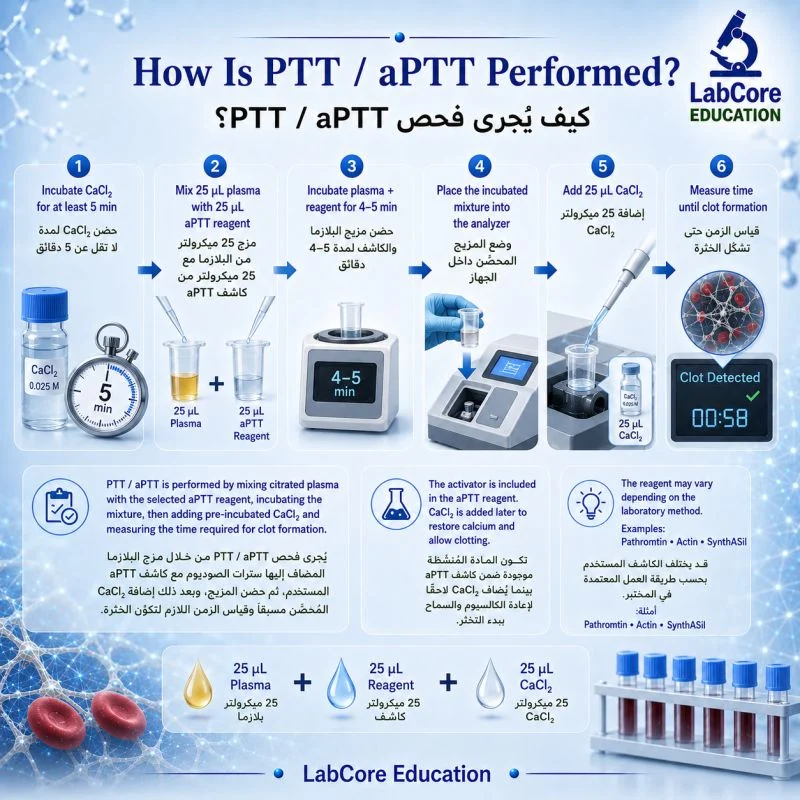
In this LabCore Education series, we explored the practical and scientific foundation of PTT / aPTT testing:
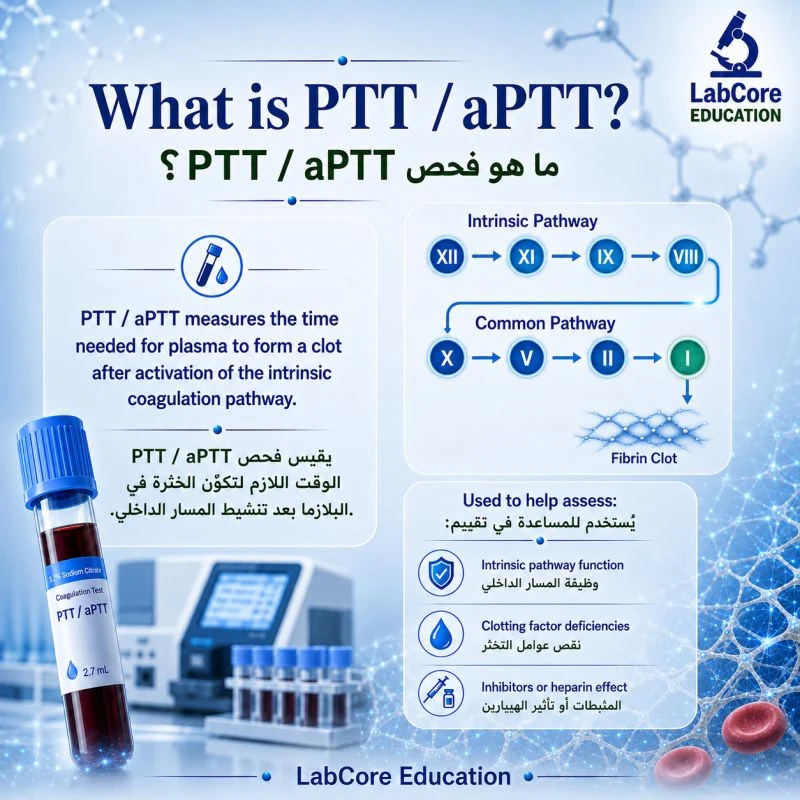
- Intrinsic and common pathway assessment
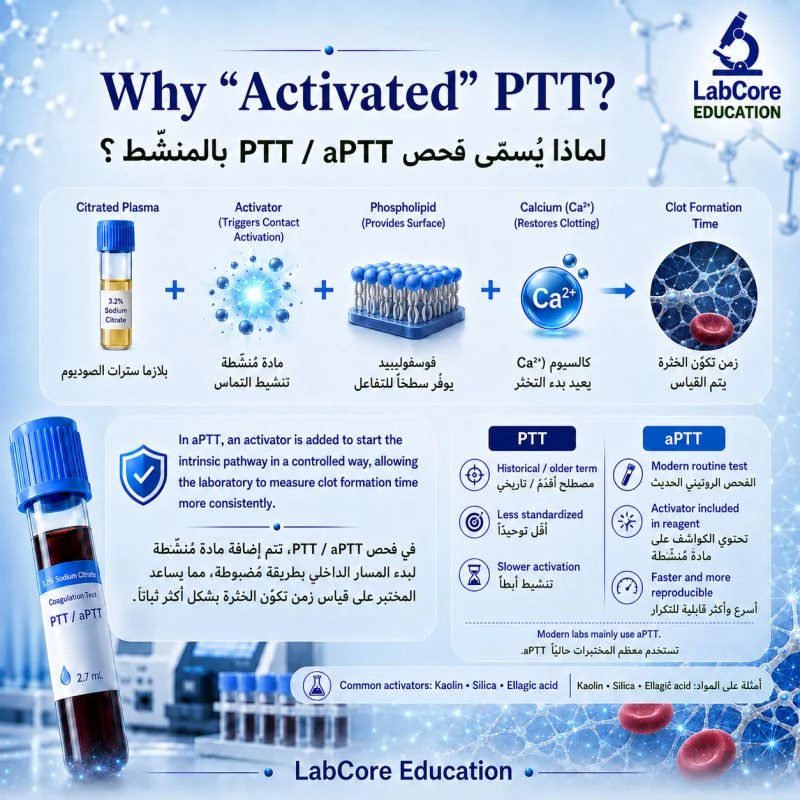
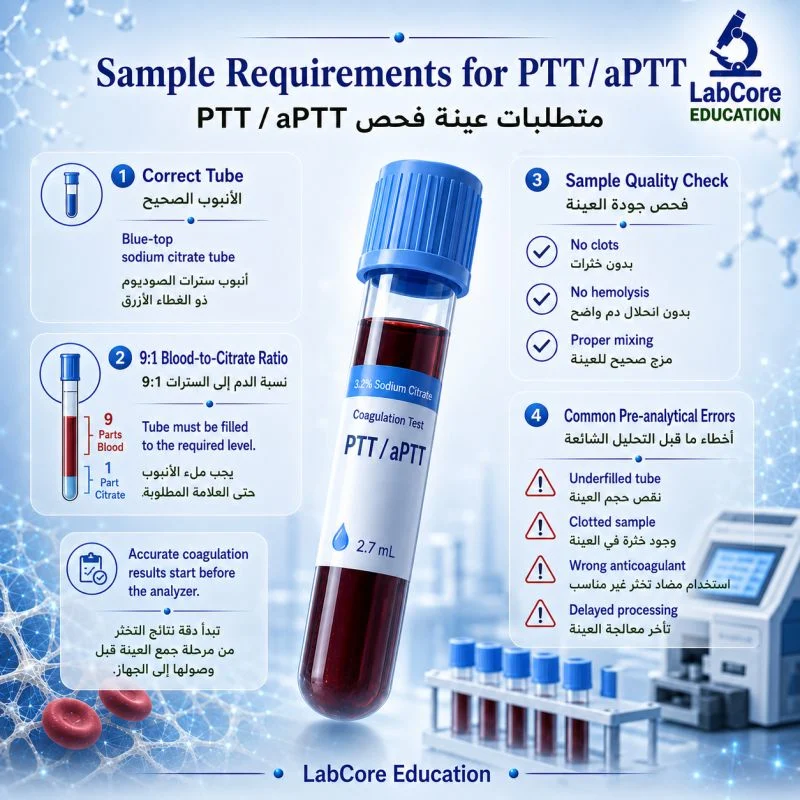
- Citrated plasma sample requirements
- 9:1 blood-to-citrate ratio
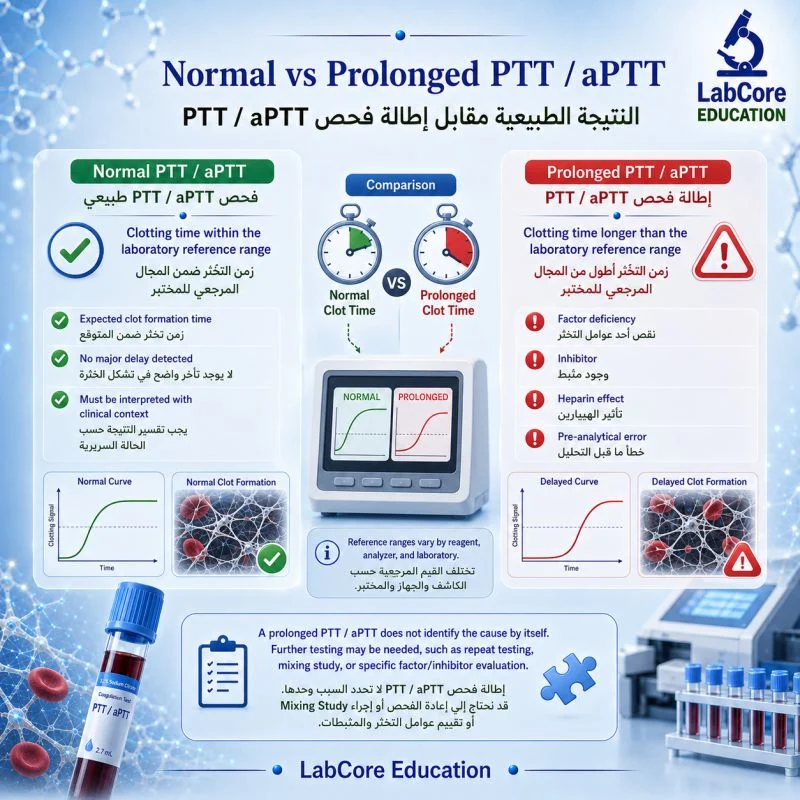
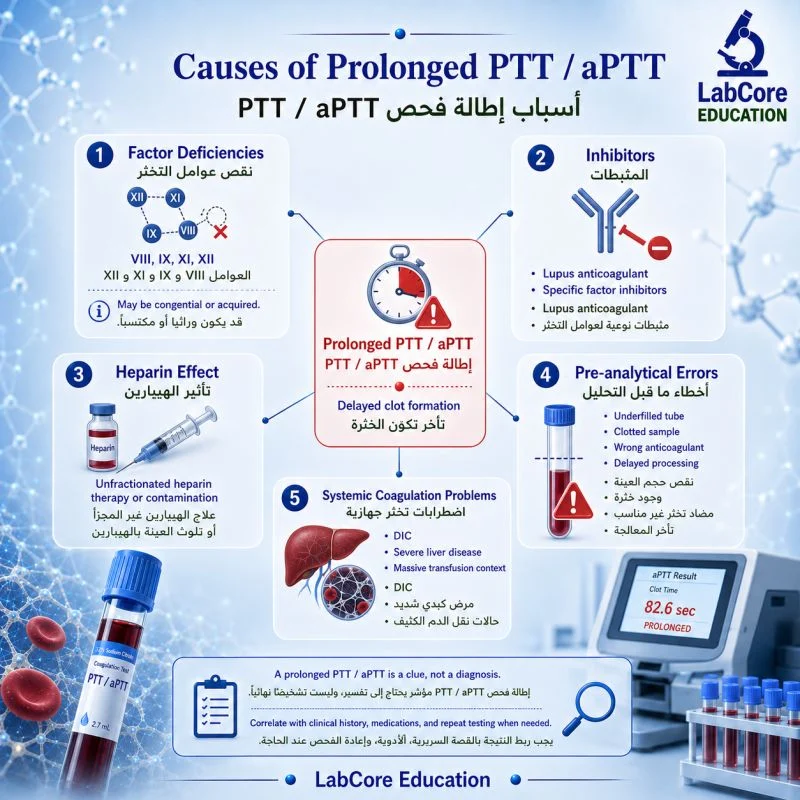
- Causes of prolonged PTT / aPTT
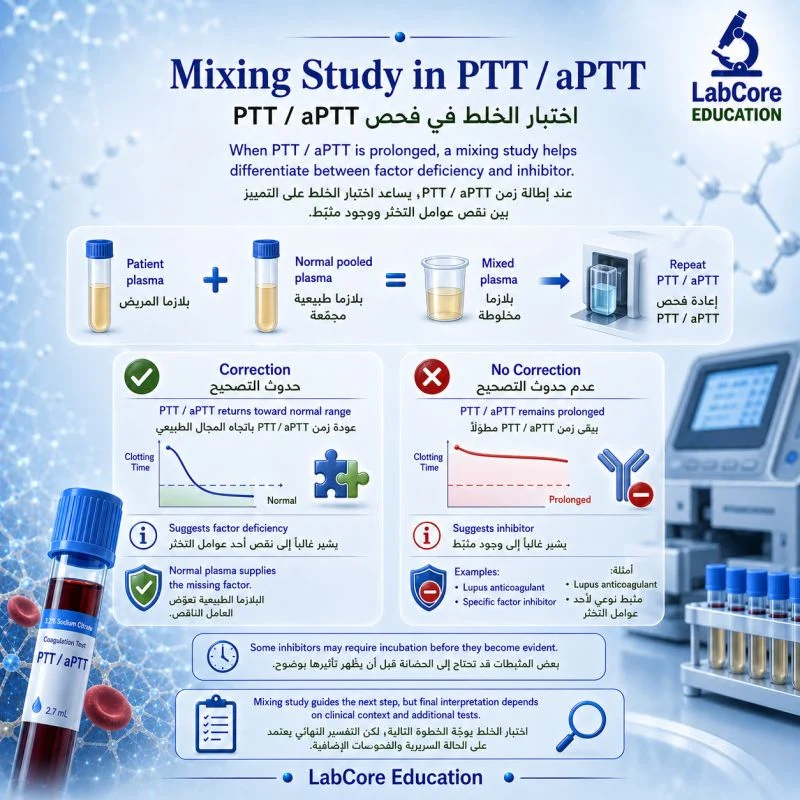
- Mixing study interpretation
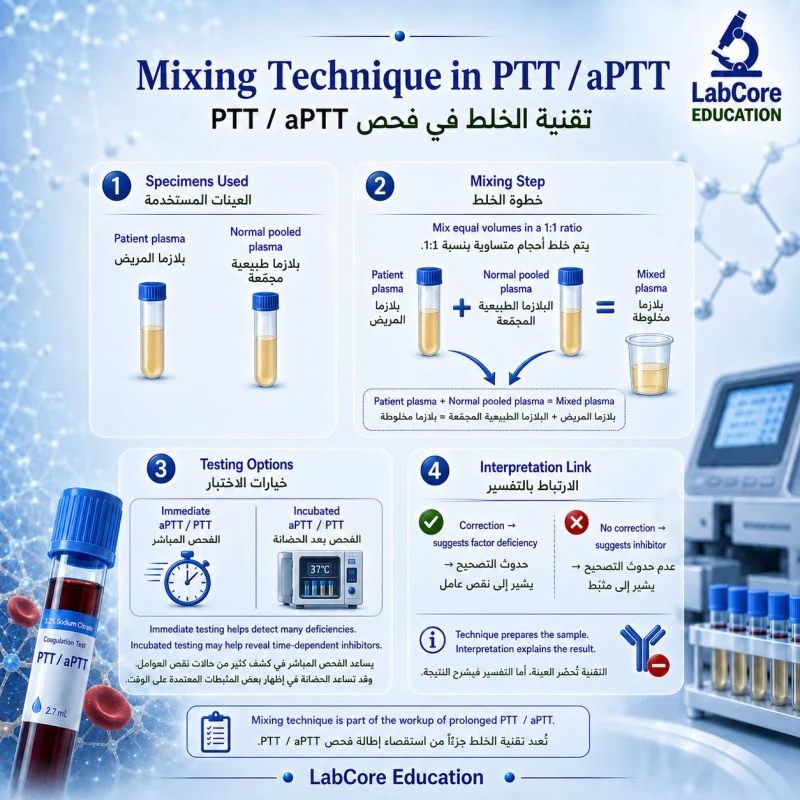
- Practical mixing technique
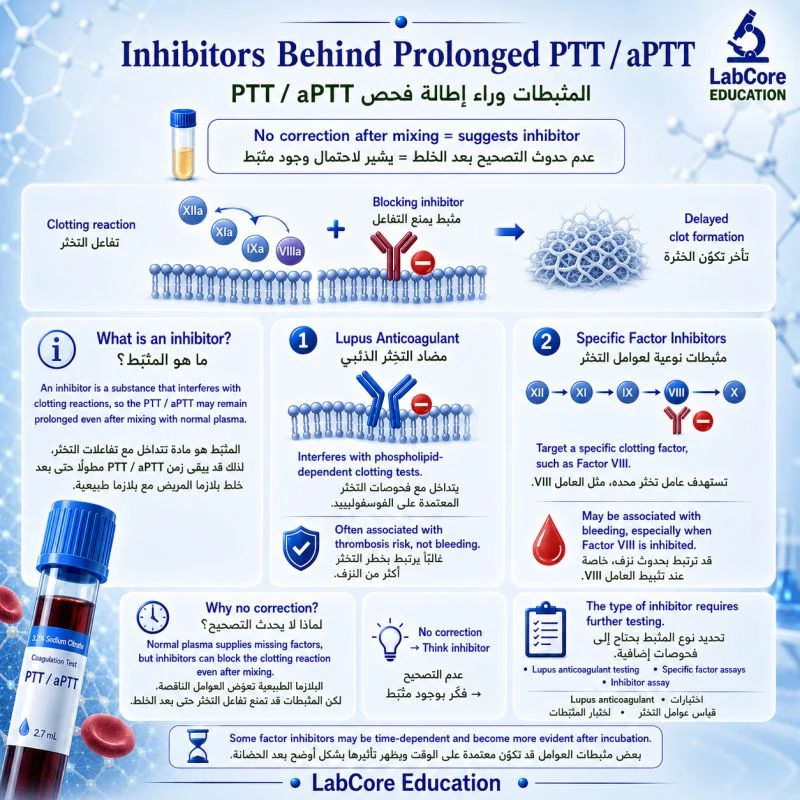
- Inhibitors and lupus anticoagulant concepts
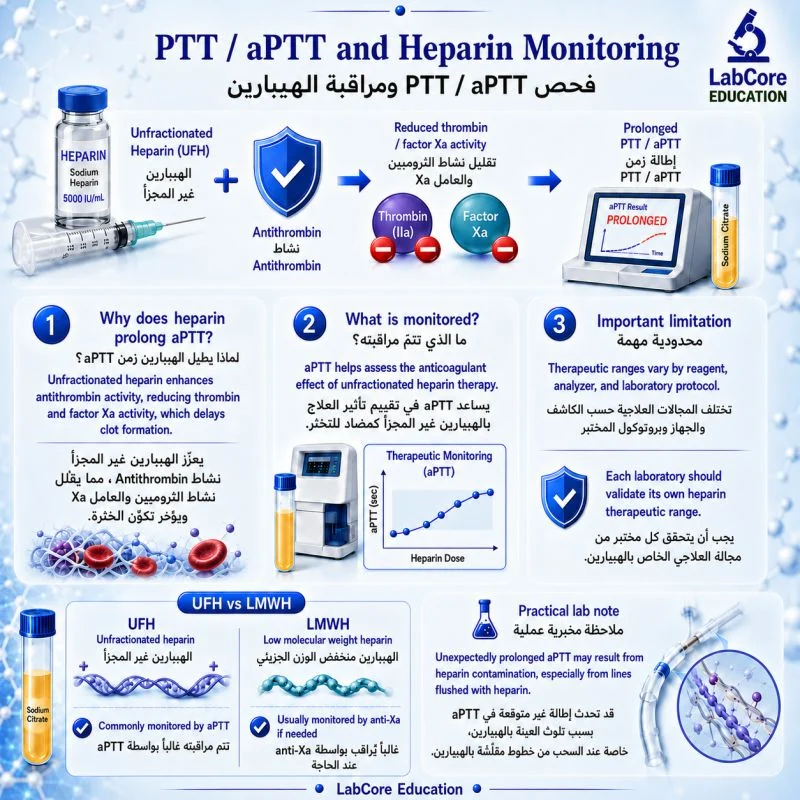
- Unfractionated heparin monitoring
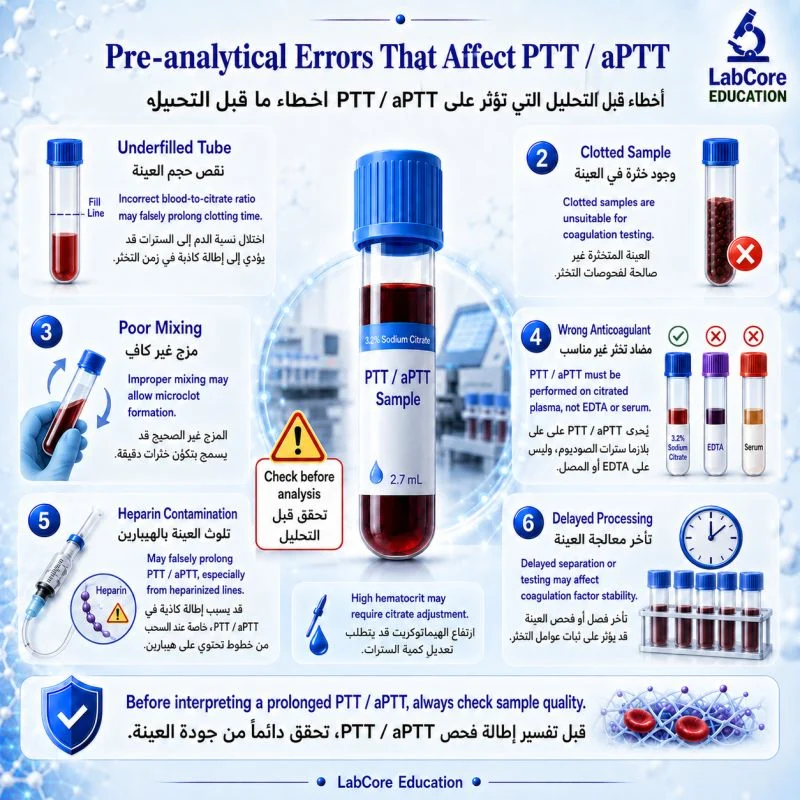
- Pre-analytical errors
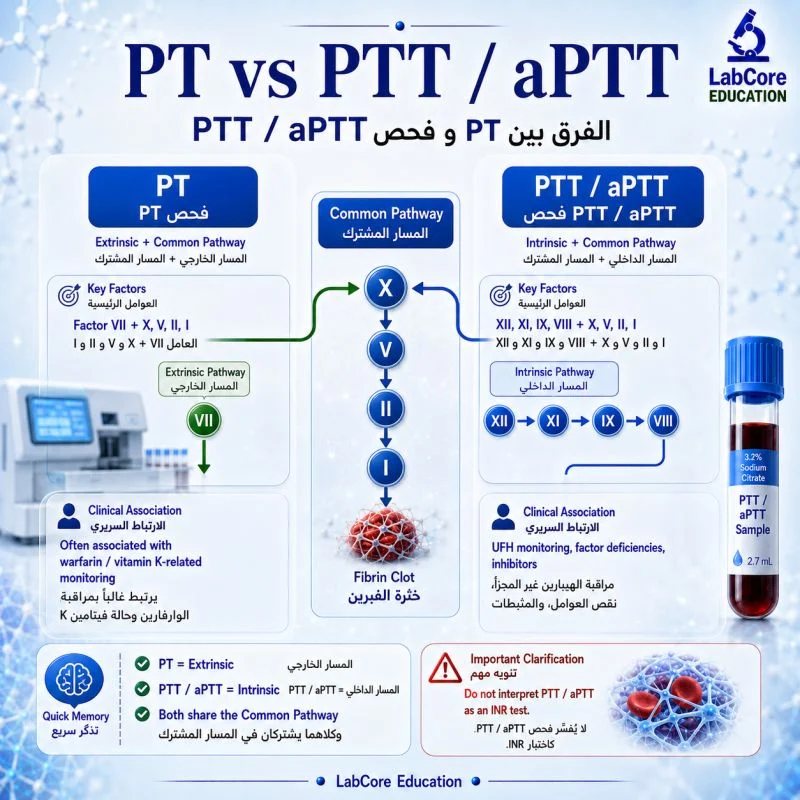
- PT vs PTT / aPTT comparison
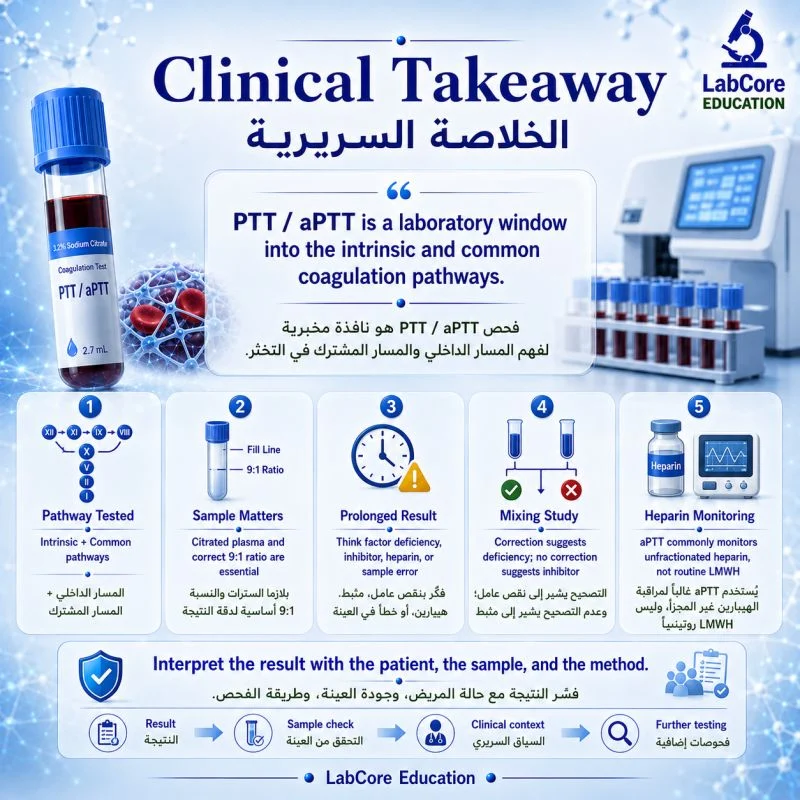
The key takeaway:
A prolonged PTT / aPTT should always be interpreted in context — considering sample quality, medications, clinical history, and the need for further testing.
This series is designed for medical laboratory professionals, students, and healthcare workers who want a clear, practical approach to coagulation testing.”
Stay updated with Hemostasis Today.
-
Oct 10, 2026, 17:58Archo Farzana Batool: Exploring Medical Writing Through an Article on Iron Deficiency Anemia
-
Oct 10, 2026, 17:53Assessing Frailty in Adults With Hemophilia – JTH
-
Oct 10, 2026, 17:52Fatma Sadeghi: Reducing Maternal Health Inequalities Through Nursing Advocacy
-
Oct 10, 2026, 17:50Grzegorz Hensler: How Apheresis Transformed Blood Cell Separation and Collection
-
Oct 10, 2026, 17:47Hemant K Sharma: Japan’s Universal Artificial Blood Research – A Potential Breakthrough in Transfusion Medicine
-
Oct 10, 2026, 17:40John Strouse: Learning About Bleeding Disorders and Sickle Cell Disease at FWGBD
-
Oct 10, 2026, 17:34Mae Caime: Speaking at the Annual Women’s Retreat for the Hemophilia Community in Florida
-
Oct 10, 2026, 17:30Chokri Ben Lamine: PNH beyond the Textbook Triad
-
Oct 10, 2026, 17:29Ruah Alyamany: Thrombosis and Anticoagulation in Hematological Malignancies at SOHO KSA 2026