

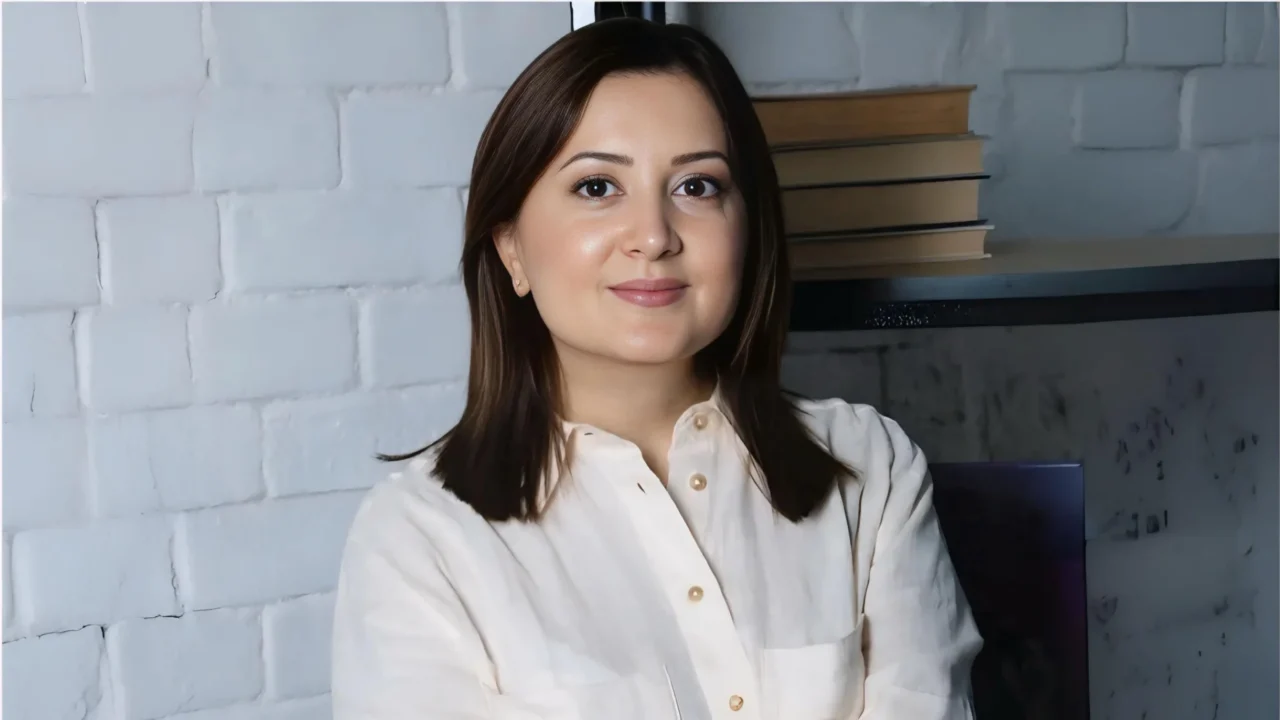
Heghine Khachatryan: Maternal Health Begins With Recognizing Iron Deficiency Early
Heghine Khachatryan, Editor-in-Chief of Hemostasis Today, Head of Hemophilia and Thrombosis Center at Yeolyan Hematology and Oncology Center, shared American Society of Hematology‘s post on LinkedIn:
“Motherhood begins long before delivery — with prevention, recognition, and timely treatment of hidden conditions that can shape both maternal and fetal outcomes.
Iron deficiency in pregnancy remains one of the most underestimated global health problems, despite affecting millions of women worldwide.
Fatigue, cognitive decline, impaired fetal development, preterm delivery, postpartum complications, and increased transfusion risk are not ‘normal parts’ of pregnancy.
They are often manifestations of undiagnosed or undertreated iron deficiency.
As hematologists, obstetricians, and healthcare systems, we must move beyond treating anemia only when hemoglobin falls critically low.
Early screening of ferritin, transferrin saturation, and iron status should become a routine component of comprehensive maternal care.
Pregnancy is not only about delivering a healthy child — it is also about preserving the long-term health, strength, and quality of life of the mother.
Awareness is prevention. Early diagnosis is protection. Timely correction is care.”
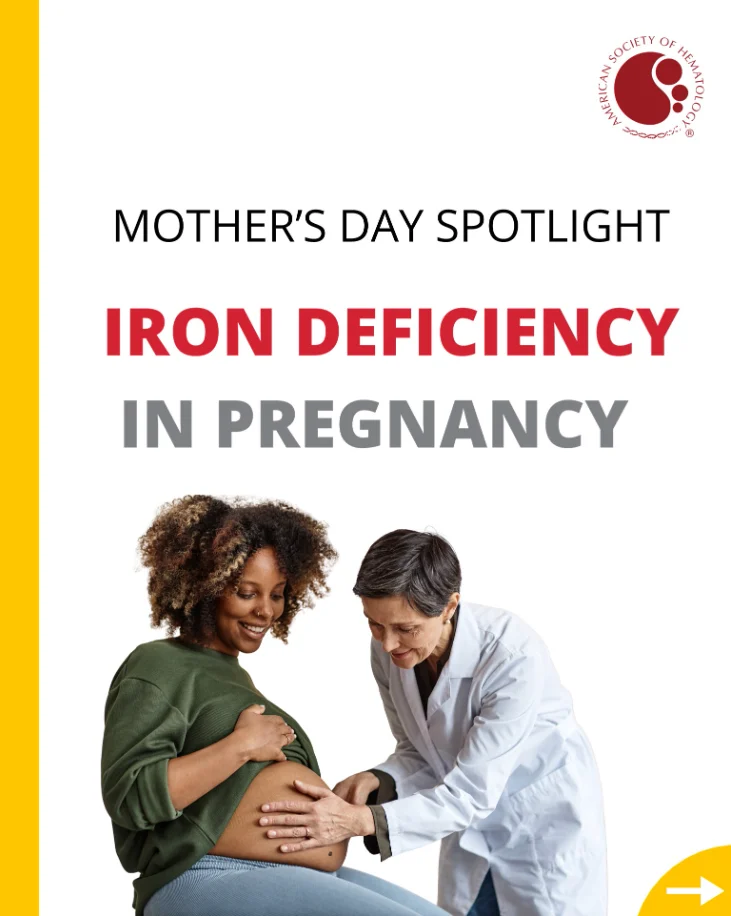
American Society of Hematology shared a post on LinkedIn:
“Caring for mothers starts long before delivery.
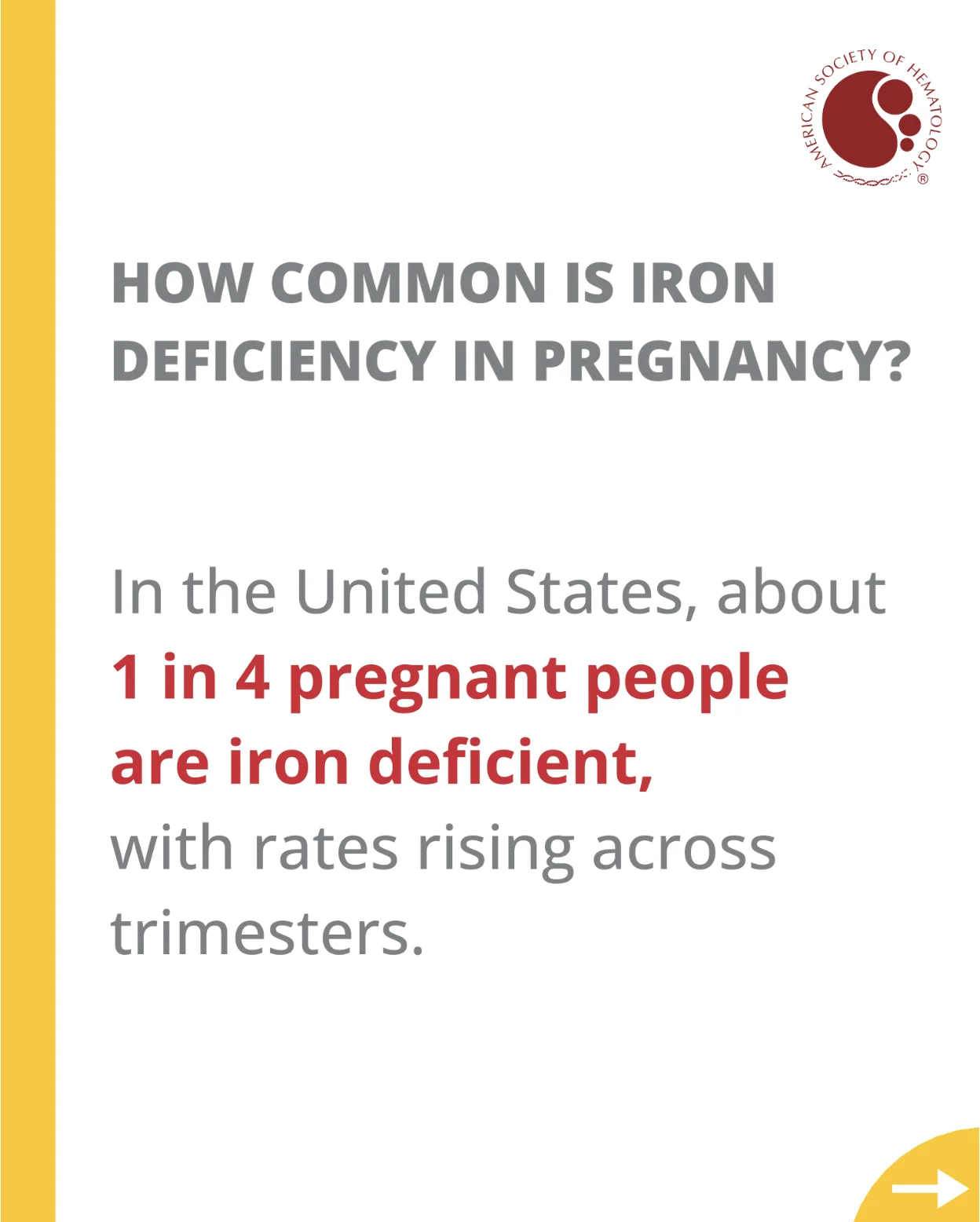
This Mother’s Day, let’s bring greater attention to iron deficiency in pregnancy, one of the most common nutritional deficiencies in pregnancy, and a leading cause of anemia.
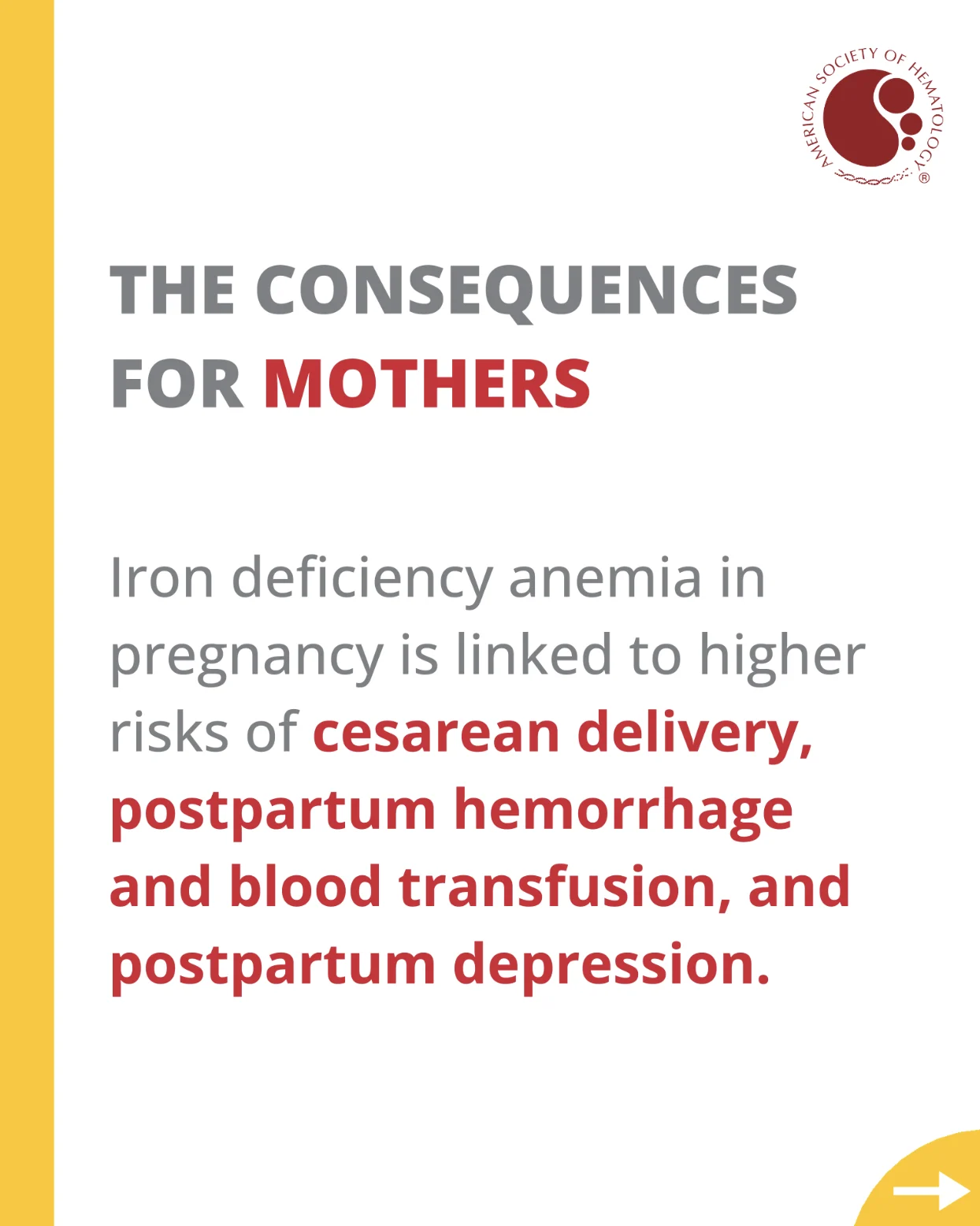
Iron deficiency is associated with increased risks for mothers, including postpartum hemorrhage, blood transfusion, fatigue, and postpartum depression.
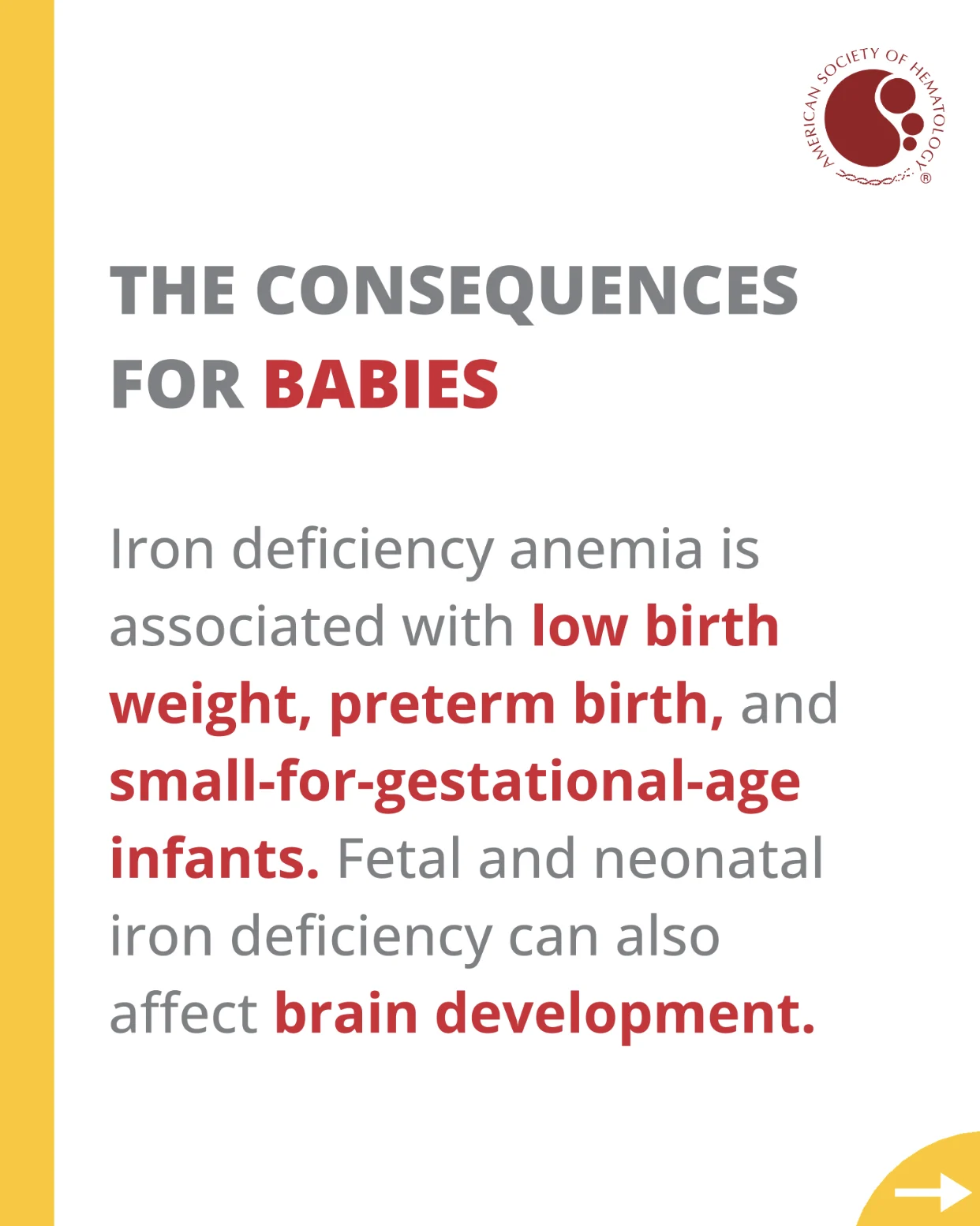
For infants, it is linked to preterm birth, low birth weight, and impacts on growth and development.
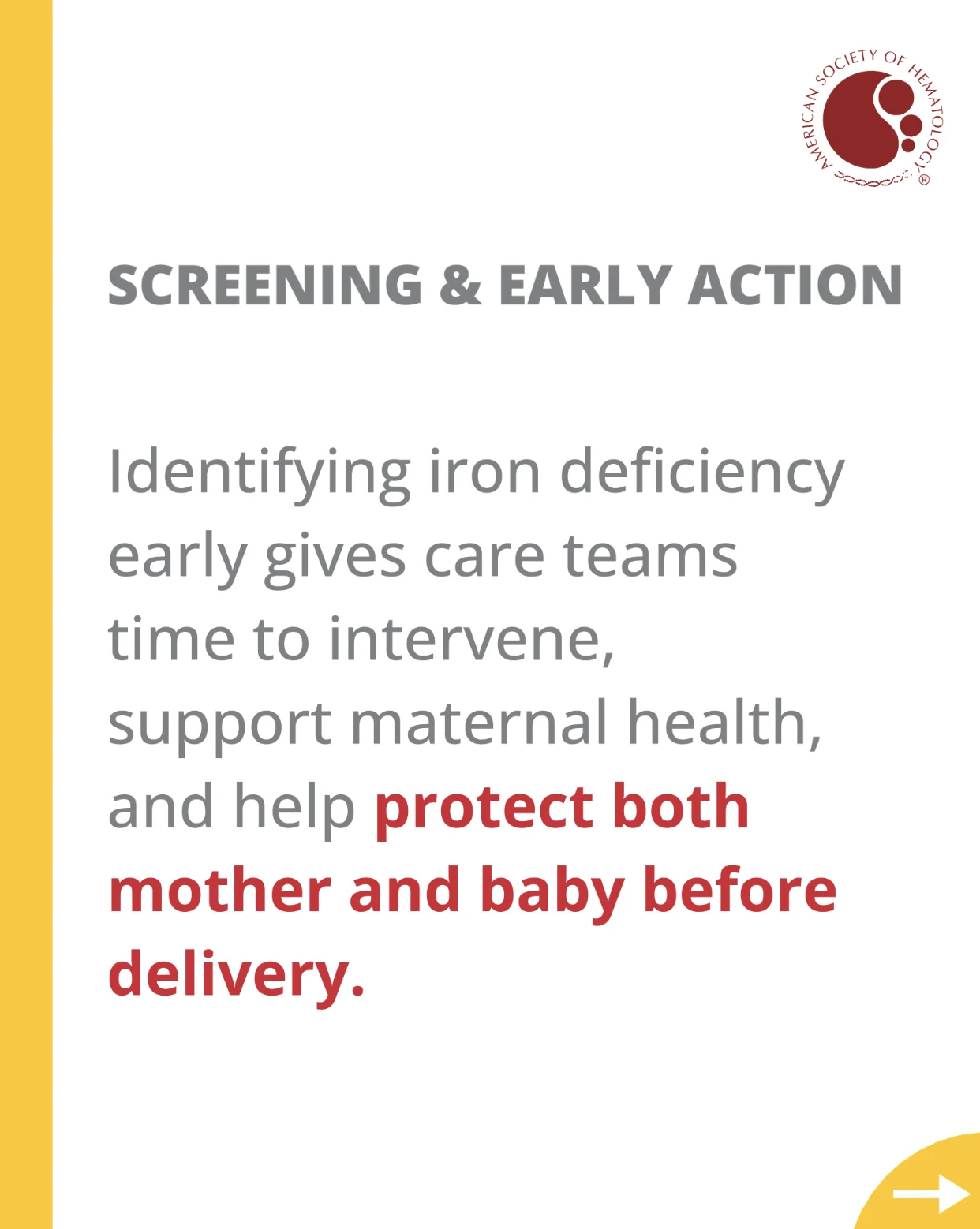
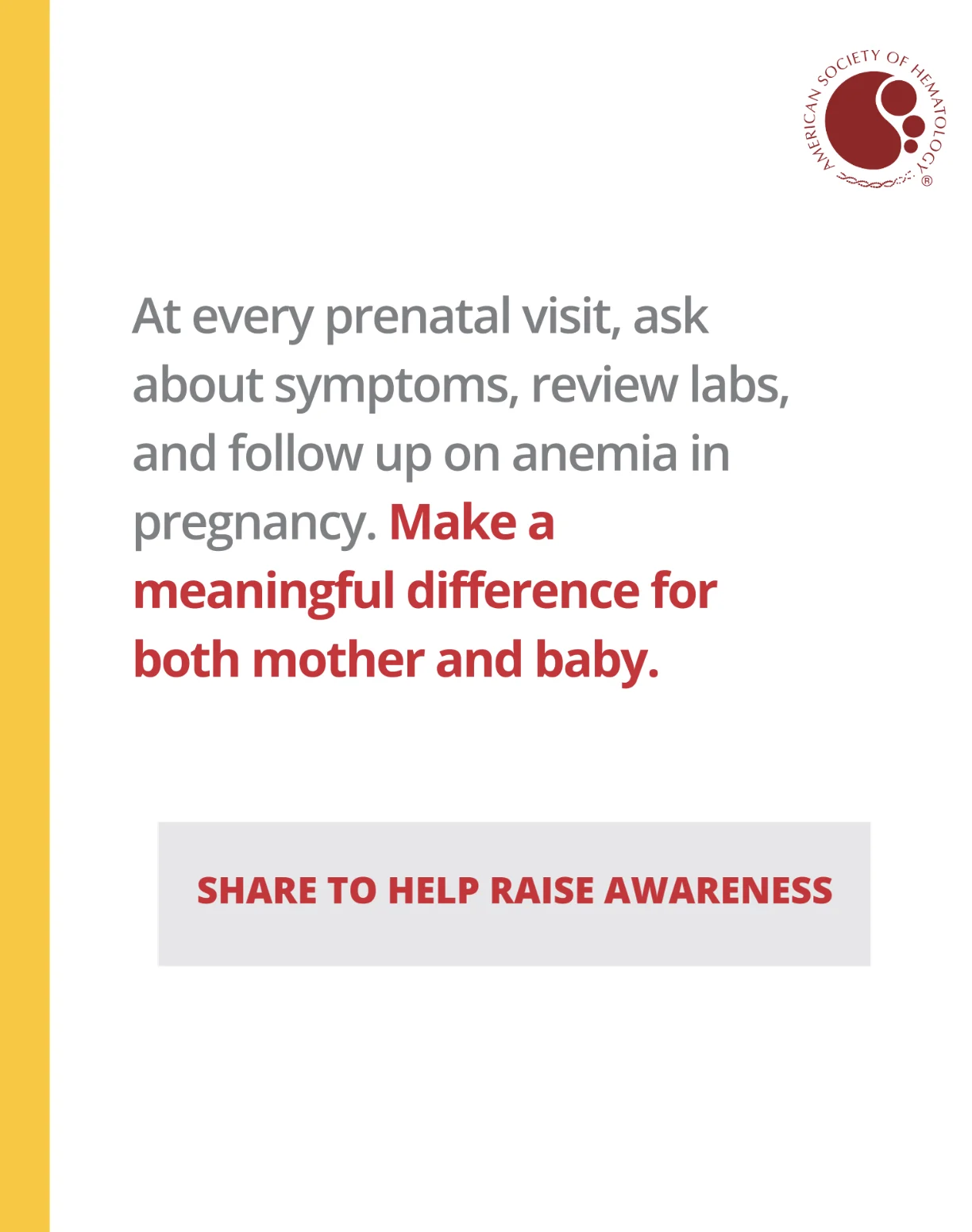
Because symptoms can be subtle, routine screening during prenatal care is key.
Early identification and treatment with iron supplementation can help improve outcomes for both mother and baby.
Protecting mothers means strengthening care before, during, and after pregnancy.
Learn more about ASH’s Iron Deficiency Initiative.”
Other posts featuring Heghine Khachatryan and ASH on Hemostasis Today.
-
Oct 10, 2026, 17:58Archo Farzana Batool: Exploring Medical Writing Through an Article on Iron Deficiency Anemia
-
Oct 10, 2026, 17:53Assessing Frailty in Adults With Hemophilia – JTH
-
Oct 10, 2026, 17:52Fatma Sadeghi: Reducing Maternal Health Inequalities Through Nursing Advocacy
-
Oct 10, 2026, 17:50Grzegorz Hensler: How Apheresis Transformed Blood Cell Separation and Collection
-
Oct 10, 2026, 17:47Hemant K Sharma: Japan’s Universal Artificial Blood Research – A Potential Breakthrough in Transfusion Medicine
-
Oct 10, 2026, 17:40John Strouse: Learning About Bleeding Disorders and Sickle Cell Disease at FWGBD
-
Oct 10, 2026, 17:34Mae Caime: Speaking at the Annual Women’s Retreat for the Hemophilia Community in Florida
-
Oct 10, 2026, 17:30Chokri Ben Lamine: PNH beyond the Textbook Triad
-
Oct 10, 2026, 17:29Ruah Alyamany: Thrombosis and Anticoagulation in Hematological Malignancies at SOHO KSA 2026