

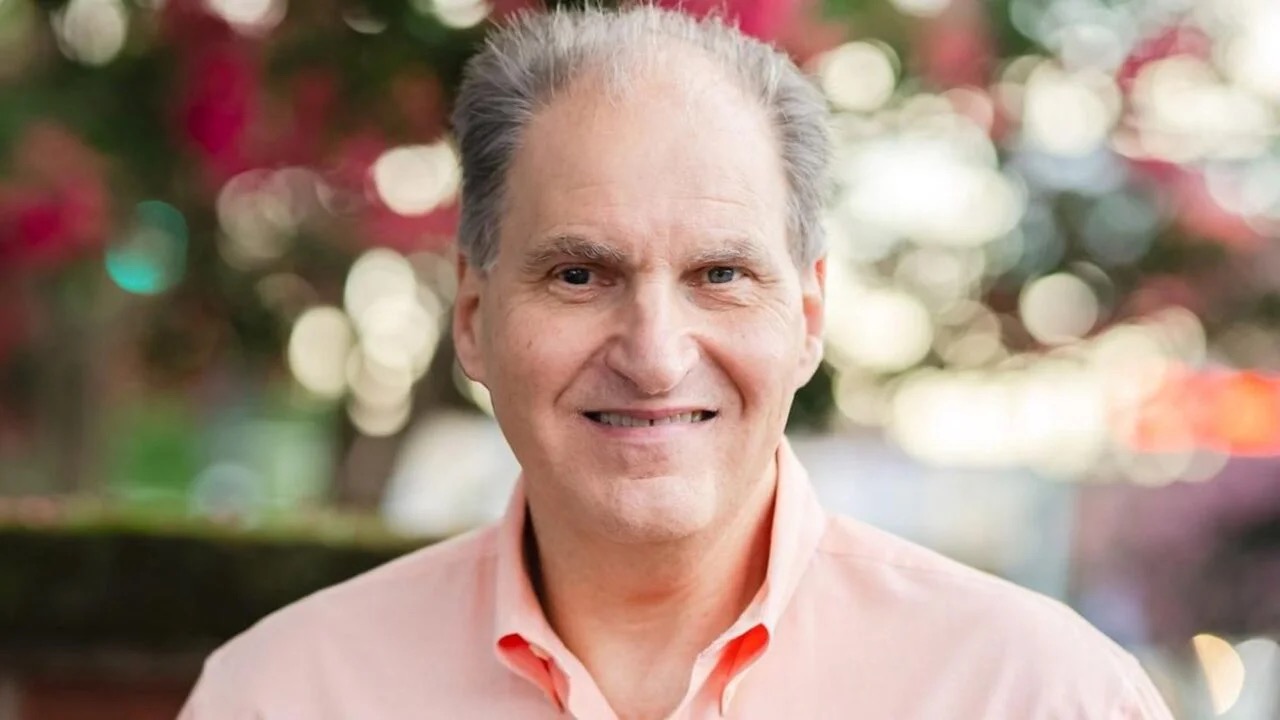
Leonard Valentino: Why Clear Communication Matters in the Era of Gene Editing
Leonard Valentino, Former President and CEO of NBDF, President of WFH USA, recenlty shared a post on LinkedIn about a recent article he and his colleagues co-authored, published in Nature, adding:
”Bridging the Language Gap in Gene Editing: Why a Shared Lexicon Matters for Rare Diseases
Advances in gene editing are transforming what’s possible for people living with rare and inherited disorders.
But as the science accelerates, one barrier continues to slow progress: communication.
To address this barrier , I’m pleased to share our recent article in Gene Therapy highlighting a crucial need—a clear, shared lexicon tha helps physicians, researchers, and patients speak the same language when discussing gene editing technologies.
Why this matters
- For physicians: A standardized vocabulary improves clinical communication, supports informed consent, and strengthens multidisciplinary collaboration.
- For patients and families: Understanding terms like CRISPR, vector, editing efficiency, or off‑target effects empowers them to participate confidently in decisions about emerging therapies.
- For the field: A unified lexicon accelerates research translation, reduces misunderstandings, and builds trust in novel treatments.
The opportunity ahead
Gene editing is no longer theoretical—it’s entering clinical trials and, increasingly, clinical practice.
As we move toward more personalized interventions, shared understanding becomes as important as scientific innovation itself.
Creating a gene editing lexicon isn’t just about terminology.
It’s about equity, access, and ensuring that every patient—especially those navigating rare diseases—can fully engage in conversations about their care.
A call to action
Whether you’re a clinician, researcher, advocate, or patient:
- Let’s champion clear, accessible language.
- Let’s build tools that make complex science understandable.
- And let’s ensure that breakthroughs in gene editing translate into breakthroughs in communication.
Because when everyone speaks the same language, everyone moves forward together.”
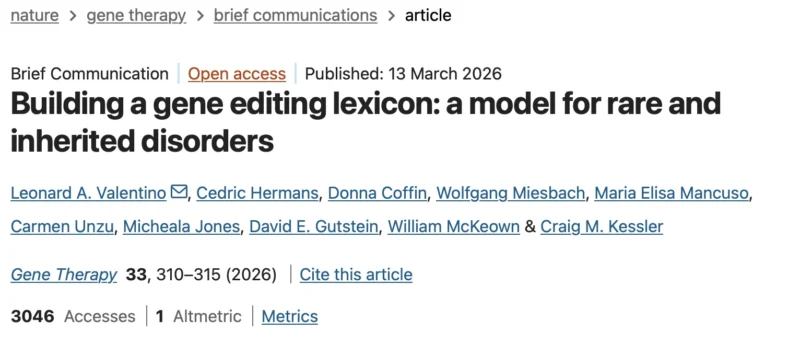
Title: Building a gene editing lexicon: a model for rare and inherited disorders
Authors: Leonard A. Valentino, Cedric Hermans, Donna Coffin, Wolfgang Miesbach, Maria Elisa Mancuso, Carmen Unzu, Micheala Jones, David E. Gutstein, William McKeown, Craig M. Kessler
Stay updated on all scientific advances with Hemostasis Today.
-
Oct 20, 2026, 23:44Edward Lee Carter: AF in Nursing Homes – When Stroke Risk Scores Tell Only Part of the Story
-
Oct 20, 2026, 22:59Building Effective Patient Advocacy Through Collaboration Between Patients and Clinicians – EHC
-
Oct 20, 2026, 21:22Intezar Mehdi: When Prolonged Bleeding May Indicate an Underlying Bleeding Disorder
-
Oct 20, 2026, 21:06Nandini Pethe: Sharing My Experience as a Caregiver in the HOPE Factor Resource Guide
-
Oct 20, 2026, 16:51Suzan Nakasendwa: A Growing Stroke Challenge in Uganda
-
Oct 20, 2026, 16:38Steve Moon: How Does Smoking Cessation Duration Affect Ischemic Stroke Risk
-
Oct 20, 2026, 16:25Cedrice Mentor: Reducing Platelet Wastage Through Cold Storage
-
Oct 20, 2026, 16:09Thirunavukkarasu Angappan: Can a Purified Fibrinogen Concentrate Replace Cryoprecipitate
-
Oct 20, 2026, 16:01Kalyan Roy: Platelet Conservation Through Evidence-Based Transfusion Practice