

Thrombosis in Cancer Patients: Why It Happens and How We Treat It Today
Cancer is not only a disease of uncontrolled cell growth. It also affects the blood clotting system and significantly increases the risk of thrombosis.
Venous thromboembolism (VTE), which includes deep vein thrombosis (DVT) and pulmonary embolism (PE), is one of the most common and serious complications in oncology patients.
CAT is a major clinical burden: cancer patients have approximately a 4–7-fold increased risk of VTE compared with non-cancer controls, and the absolute risk varies by tumor type and treatment.
The highest risk period occurs around diagnosis and during the first 3–6 months of systemic therapy or after major surgery. VTE remains a leading cause of cancer-related mortality and frequently interrupts anticancer treatment
Why Does Cancer Increase the Risk of Thrombosis?
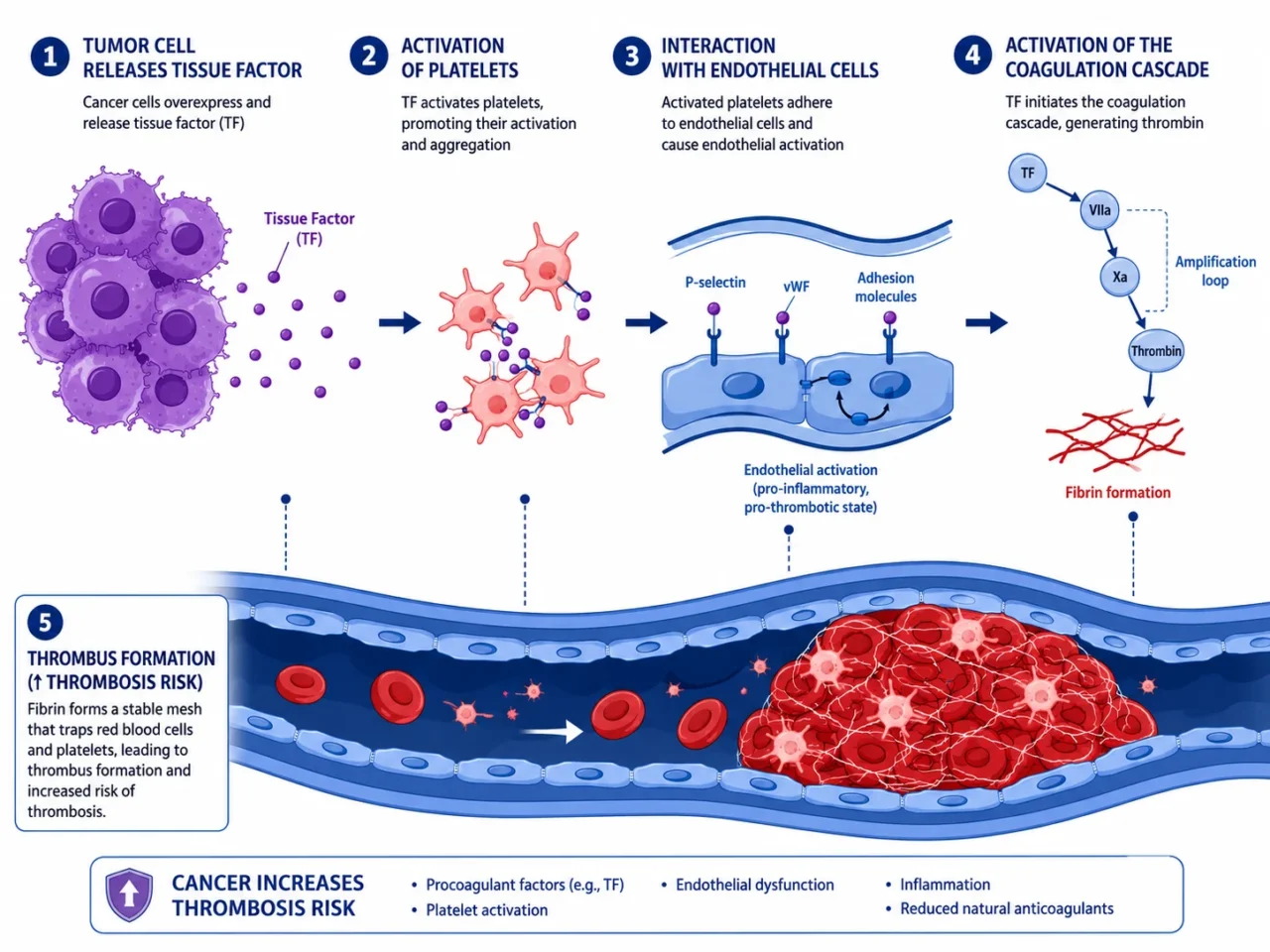
The relationship between cancer and thrombosis has been recognized for more than a century. Tumor cells are capable of activating coagulation pathways through several mechanisms.
Malignant cells release procoagulant substances, stimulate inflammatory cytokines, interact with platelets and endothelial cells, and promote a hypercoagulable state throughout the body.
In addition to tumor biology itself, cancer patients are frequently exposed to multiple secondary risk factors. Prolonged immobilization, hospitalization, infections, dehydration, surgery, and vascular injury all contribute to clot formation. Many patients also require central venous catheters, which further increase the risk of thrombosis.
Cancer therapies may additionally intensify the prothrombotic state. Traditional chemotherapy, hormonal treatment, antiangiogenic drugs, targeted therapies, and certain immunotherapies have all been associated with increased thrombotic risk. As modern oncology treatments continue to evolve, thrombotic complications remain an important challenge in clinical practice.
Cancers Most Commonly Associated With Thrombosis
Not all malignancies carry the same thrombotic risk. Some tumor types are strongly associated with venous thromboembolism due to their aggressive biology and high procoagulant activity.
Hematologic malignancies such as lymphoma and multiple myeloma are also associated with elevated thrombotic risk, particularly during active treatment.
The risk of VTE is highest in patients with pancreatic, gastric, lung, ovarian, and brain tumors. Patients with hematologic malignancies, particularly lymphoma and multiple myeloma, also have a high risk, especially during treatment.
The risk is markedly increased in the presence of metastatic disease and high tumor burden. The first 3–6 months after cancer diagnosis and periods of active chemotherapy are associated with the greatest absolute risk of thromboembolic events.
Advanced-stage disease and metastatic cancer significantly increase the likelihood of thrombosis. Patients with extensive tumor burden often demonstrate more pronounced activation of coagulation pathways and systemic inflammation.
Clinical Presentation
Cancer-associated thrombosis may present in different ways depending on the location and extent of clot formation.
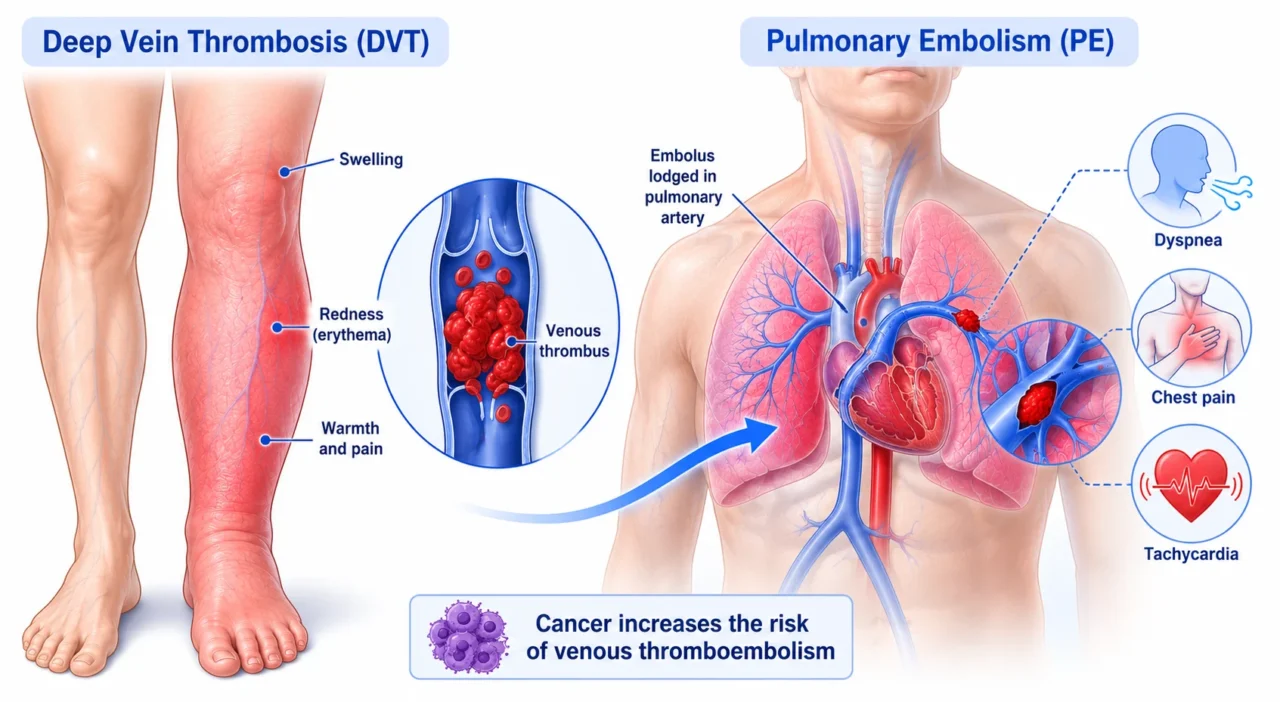
Deep vein thrombosis most commonly affects the lower extremities and typically presents with unilateral leg swelling, pain, warmth, and erythema.
Pulmonary embolism may manifest with dyspnea, chest pain, tachycardia, hypoxemia, dizziness, or syncope.
However, thrombosis in oncology patients is frequently clinically silent or atypical. Many thrombotic events are discovered incidentally during routine CT imaging performed for tumor staging or treatment monitoring. Current evidence suggests that incidental venous thromboembolism carries a prognosis similar to symptomatic disease and therefore usually requires comparable anticoagulant treatment.
Impact on Prognosis and Quality of Life
Thrombosis is not only a complication of cancer but also an important prognostic factor. Patients who develop venous thromboembolism often experience interruptions in systemic therapy, prolonged hospitalization, increased healthcare burden, and reduced quality of life.
Pulmonary embolism remains one of the leading causes of sudden death in cancer patients. Furthermore, recurrent thrombosis and bleeding complications may complicate ongoing oncologic treatment and negatively influence survival outcomes.
The psychological burden is also substantial. Repeated hospital visits, daily injections, fear of recurrence, and treatment-related complications may significantly affect patient well-being.
Risk Assessment in Modern Oncology
Modern guidelines strongly emphasize individualized risk assessment for thrombosis prevention.
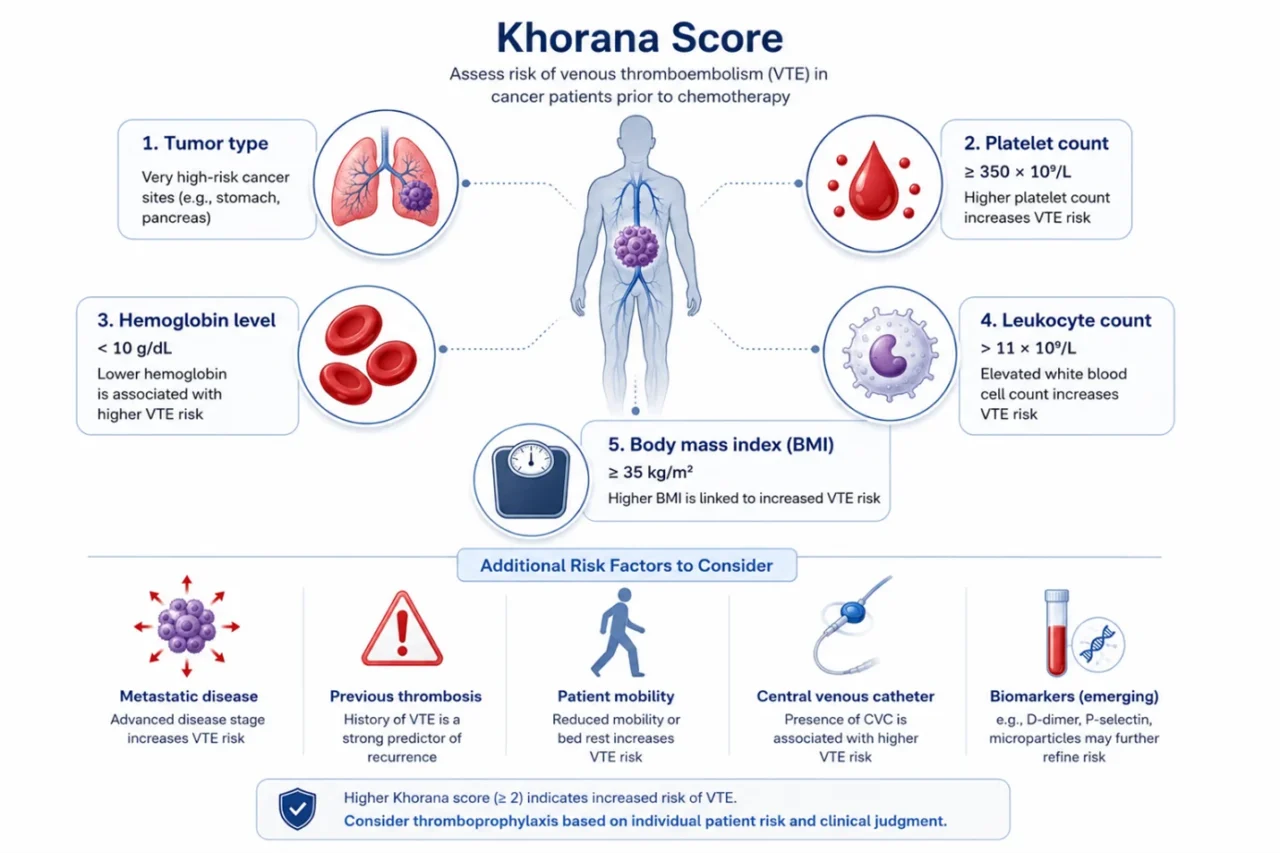
One of the most commonly used predictive models is the Khorana score, which incorporates tumor type, platelet count, hemoglobin level, leukocyte count, and body mass index.
This scoring system helps identify ambulatory cancer patients at elevated thrombotic risk who may benefit from preventive anticoagulation during systemic treatment. Nevertheless, clinicians increasingly recognize that thrombosis risk cannot be predicted perfectly by a single model.
Additional factors such as metastatic disease, previous thrombotic history, patient mobility, catheter use, biomarkers, and ongoing treatment modalities must also be considered when evaluating thrombotic risk.
Prevention Strategies
Thromboprophylaxis has become an important component of modern cancer care. Hospitalized oncology patients are generally candidates for pharmacologic thromboprophylaxis unless significant contraindications such as active bleeding or severe thrombocytopenia are present.
Extended thromboprophylaxis after major cancer surgery is now widely recommended, especially following abdominal and pelvic oncologic procedures.
Ambulatory patients receiving chemotherapy may also benefit from preventive anticoagulation if they are considered high-risk according to contemporary guidelines.
The decision to initiate prophylactic anticoagulation must always balance thrombotic risk against bleeding risk. Individualized clinical judgment therefore remains essential.
Central venous catheter-associated thrombosis is a common complication; management includes anticoagulation and consideration of catheter removal if the catheter is dysfunctional, infected, or no longer needed.
For ambulatory high-risk patients, preventive anticoagulation should be individualized, balancing thrombotic and bleeding risks, and considering patient mobility and catheter use
Low-Molecular-Weight Heparins
For many years, low-molecular-weight heparins represented the gold standard for treatment of cancer-associated thrombosis. Clinical trials demonstrated lower recurrence rates compared with vitamin K antagonists and more predictable anticoagulant effects.
Agents such as enoxaparin and dalteparin remain important therapeutic options, particularly in patients with gastrointestinal malignancies, unstable oral intake, severe nausea, vomiting, or significant drug interactions.
Low-molecular-weight heparins continue to play a major role in oncology patients with elevated bleeding risk or complex clinical conditions where oral anticoagulants may not be ideal.
The Role of Direct Oral Anticoagulants
The introduction of direct oral anticoagulants has significantly transformed the management of cancer-associated thrombosis. Apixaban, rivaroxaban, and edoxaban are now incorporated into major international guidelines and are increasingly used in routine clinical practice.
Large randomized studies have shown that these agents are effective alternatives to low-molecular-weight heparins for many cancer patients.
Oral administration improves convenience and eliminates the need for daily injections, which may substantially improve patient adherence and quality of life.
However, treatment selection must remain individualized. Certain malignancies, particularly gastrointestinal and genitourinary cancers, may carry an increased risk of bleeding during therapy with direct oral anticoagulants.
Renal function, hepatic impairment, platelet counts, body weight, and potential drug interactions must all be carefully assessed before initiating treatment.
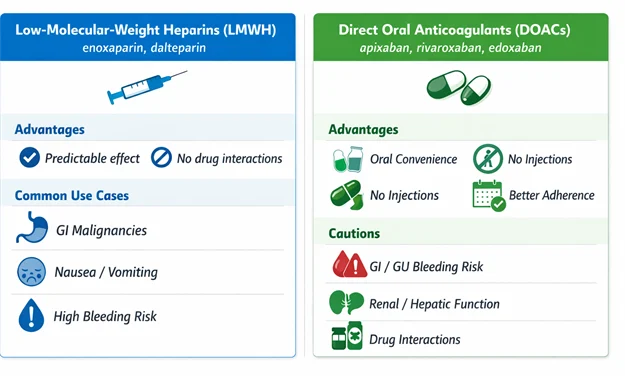
Recent recommendations from ASCO, NCCN, ESMO, and BSH continue to support an individualized approach to cancer-associated thrombosis, favoring direct oral anticoagulants for many patients while maintaining low-molecular-weight heparins as an important option in selected high-bleeding-risk situations.
Duration of Anticoagulant Therapy
Current international guidelines generally recommend at least three to six months of therapeutic anticoagulation for cancer-associated thrombosis. However, the optimal duration depends largely on cancer activity and ongoing treatment.
Patients with metastatic disease, persistent chemotherapy exposure, or recurrent thrombosis often require prolonged anticoagulation beyond six months. In many cases, therapy continues indefinitely while active malignancy remains present and bleeding risk is considered acceptable.
Treatment duration therefore requires regular reassessment and close multidisciplinary follow-up.
For patients on prolonged anticoagulation, clinician assessment should include fall risk, bone metastases, and concurrent antiplatelet therapy, as these factors influence bleeding risk during extended treatment.
In long-term survivors, late VTE risk and lifestyle measures (mobility, exercise) should be addressed in survivorship care plans.
Special Clinical Challenges
Managing thrombosis in cancer patients is often complicated by thrombocytopenia, which frequently develops during chemotherapy or bone marrow involvement. This creates a difficult balance between thrombosis prevention and bleeding risk reduction.
Modern treatment approaches support dose-adjusted anticoagulation strategies depending on platelet count severity and thrombotic burden. In selected cases, temporary interruption of anticoagulation, platelet transfusion support, or switching anticoagulant agents may be necessary.
Another important challenge involves recurrent thrombosis despite ongoing anticoagulation. Such events may reflect aggressive tumor biology, inadequate anticoagulant dosing, impaired absorption, or patient nonadherence. Contemporary management may involve escalating low-molecular-weight heparin dosing or changing anticoagulant class.
Future Perspectives
Research in cancer-associated thrombosis continues to evolve rapidly.
Novel anticoagulants targeting Factor XI and Factor XII are currently under investigation and may potentially reduce thrombosis risk while causing fewer bleeding complications compared with existing therapies.
Emerging approaches also include biomarker-driven risk stratification, precision medicine strategies, and artificial intelligence-based prediction models. These developments aim to improve individualized patient care and optimize the balance between thrombosis prevention and bleeding safety.
As oncology outcomes continue to improve, long-term supportive care complications such as thrombosis are becoming increasingly important in survivorship medicine.
Conclusion
Cancer-associated thrombosis remains one of the most significant complications in modern oncology.
CAT significantly impacts treatment continuity, survival, and quality of life, making preventive strategies and individualized anticoagulant selection central to modern oncologic care.
The interaction between malignancy, inflammation, coagulation activation, and anticancer therapy creates a complex prothrombotic environment that requires careful clinical management.
Over recent years, advances in anticoagulant therapy and improved understanding of thrombotic risk have significantly changed clinical practice.
Direct oral anticoagulants have expanded treatment options, while low-molecular-weight heparins continue to play a central role in selected high-risk patients.
Successful management of cancer-associated thrombosis now depends on individualized care, multidisciplinary collaboration, and continuous reassessment of both thrombotic and bleeding risks. Ongoing research and evolving international guidelines will likely continue to improve patient outcomes and quality of life in the years ahead.
FAQ
1. Why do cancer patients develop thrombosis more often?
Cancer increases the activity of the coagulation system and creates a hypercoagulable state in the body. Tumor cells can directly activate clotting pathways, while additional factors such as chemotherapy, surgery, hospitalization, infections, and reduced mobility further increase the risk of thrombosis.
2. Which cancers have the highest risk of thrombosis?
Pancreatic, gastric, lung, ovarian, and brain cancers are among the malignancies most strongly associated with thrombosis. Hematologic malignancies such as lymphoma and multiple myeloma also carry elevated thrombotic risk, especially during active treatment.
3. What are the most common symptoms of thrombosis in cancer patients?
Deep vein thrombosis commonly causes swelling, pain, warmth, and redness in one leg. Pulmonary embolism may present with shortness of breath, chest pain, rapid heartbeat, dizziness, or fainting. However, some cancer patients may have minimal or atypical symptoms.
4. Can thrombosis be the first sign of cancer?
Yes. In some patients, unexplained or unprovoked venous thromboembolism may lead to the discovery of an underlying malignancy. This is why clinicians sometimes investigate occult cancer in patients with unexplained thrombosis.
5. How is cancer-associated thrombosis diagnosed?
Diagnosis usually involves imaging studies such as Doppler ultrasound for deep vein thrombosis or CT pulmonary angiography for pulmonary embolism. Blood tests such as D-dimer may support evaluation, although they are often less specific in cancer patients.
6. What medications are used to treat thrombosis in cancer patients?
Modern treatment primarily includes anticoagulants such as low-molecular-weight heparins and direct oral anticoagulants including apixaban, rivaroxaban, and edoxaban. The choice of therapy depends on cancer type, bleeding risk, kidney function, drug interactions, and overall clinical condition.
7. Are direct oral anticoagulants safe in cancer patients?
Direct oral anticoagulants are considered effective and safe for many oncology patients and are included in modern international guidelines. However, certain patients, particularly those with gastrointestinal or genitourinary cancers, may have a higher bleeding risk and require individualized treatment selection.
8. How long does anticoagulant treatment usually continue?
Most patients require at least three to six months of anticoagulant therapy. If the cancer remains active or systemic treatment continues, anticoagulation may be extended for a longer period or even indefinitely in selected cases.
9. Can thrombosis occur despite preventive treatment?
Yes. Cancer creates a strong prothrombotic state, and thrombosis may occasionally occur even during anticoagulation. In such situations, clinicians reassess the patient’s cancer activity, anticoagulant dosing, adherence, and bleeding risk before adjusting treatment.
10. Can cancer-associated thrombosis be prevented?
In many cases, yes. Modern guidelines recommend thromboprophylaxis for hospitalized cancer patients, patients undergoing major cancer surgery, and selected high-risk ambulatory patients receiving chemotherapy. Prevention strategies are always individualized according to thrombosis and bleeding risk.
Written by Anna Stepanyan, MD
Stay updated with Hemostasis Today.
-
Oct 21, 2026, 18:13Wolfgang Miesbach: Hereditary Hemorrhagic Telangiectasia An Overlooked Bleeding Disorder
-
Oct 21, 2026, 17:55Gayatri Kotwal։ New Review on Anemia, Pain, and Nutritional Deficiencies in Cancer Patients
-
Oct 21, 2026, 17:40Tetsuzan Ron: Iron Deficiency Without Anemia Clinical Impact and Management
-
Oct 21, 2026, 17:29Amir Hossien Esfandiari։ The Association Between Viral Infections and Aplastic Anemia
-
Oct 21, 2026, 17:16Melissa Hollo: A Meaningful Step Forward for Women’s Health
-
Oct 21, 2026, 17:09Chipili Ng’onga: Have You Ever Seen a Result That Just Didn’t Make Sense?
-
Oct 21, 2026, 16:57Fabrice Cognasse: Celebrating the Next Generation of Platelet Research and Transfusion Medicine
-
Oct 21, 2026, 16:47Christabel Odeta: Treating Pediatric Cancer in Children With Sickle Cell Disease
-
Oct 21, 2026, 16:36Sharlene Haywood: Bringing Multidisciplinary Learning Into Nursing Practice