


Lovish Garg: Advances in Endovascular Treatment for Deep Vein Thrombosis
Lovish Garg, Endovascular and Interventional Radiologist at SPS Hospitals, shared a post on LinkedIn:
“Venous Thrombolysis and Thrombectomy – Top 6 FAQs By Dr. Lovish Garg | Interventional Radiologist
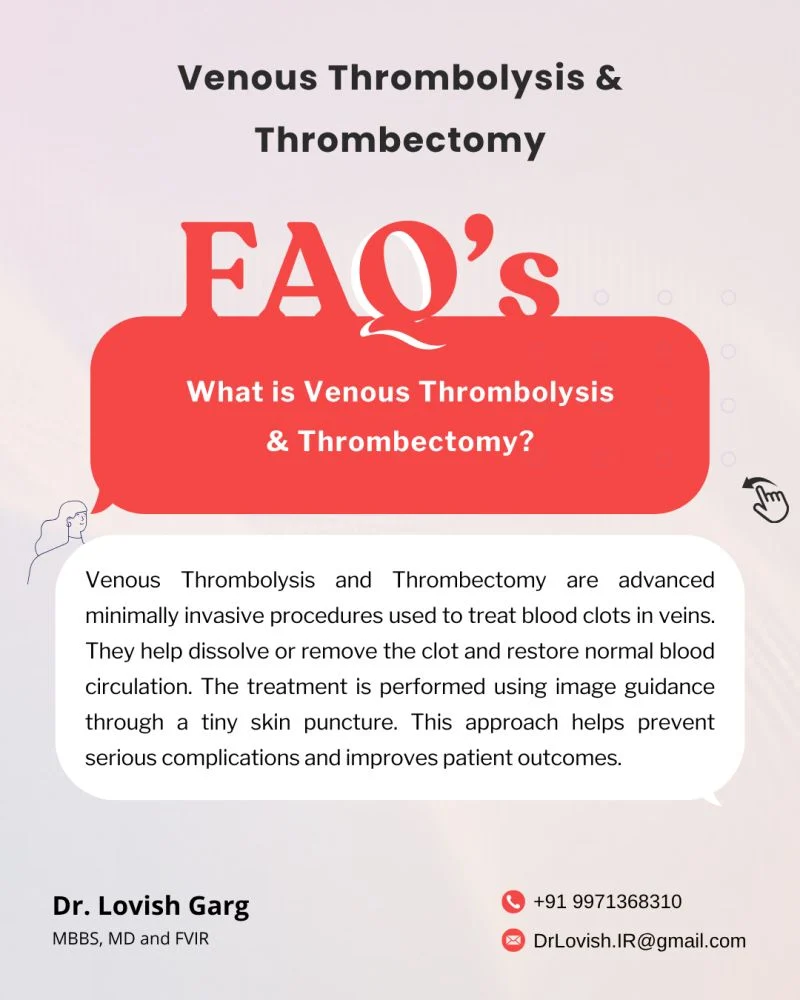
1. What is Venous Thrombolysis and Thrombectomy?
Venous Thrombolysis and Thrombectomy are minimally invasive, image-guided procedures used to treat blood clots within veins.
These techniques help dissolve or physically remove the clot, restoring normal blood flow and reducing the risk of long-term complications.
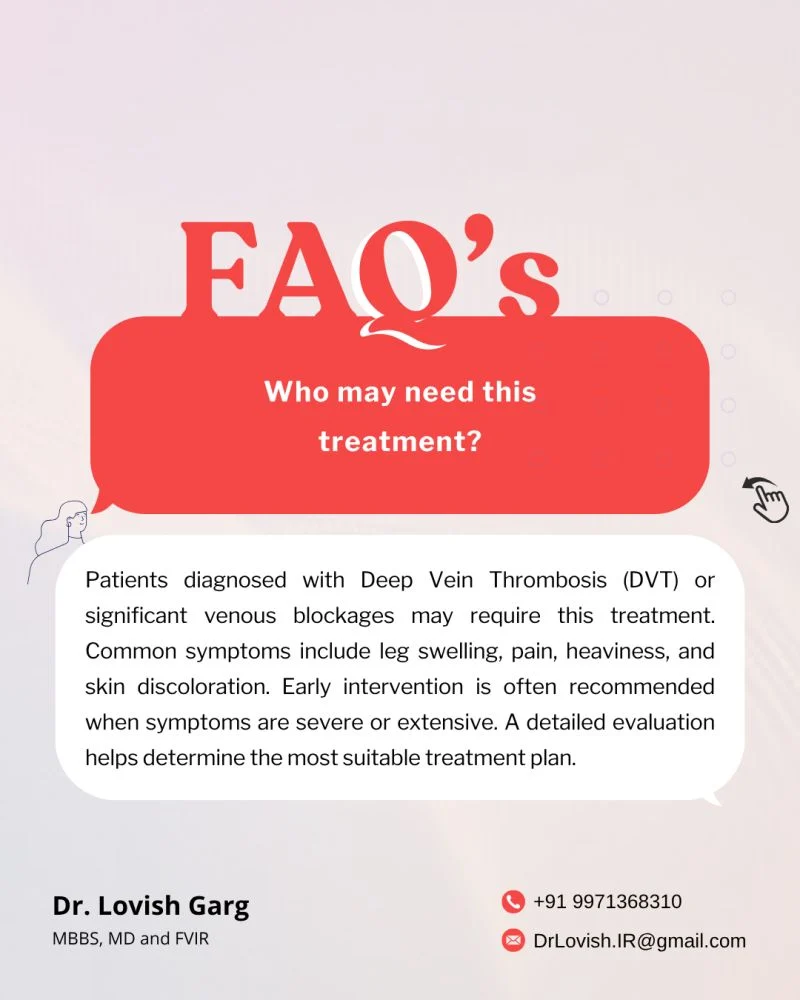
2. Who may need this treatment?
Patients with Deep Vein Thrombosis (DVT) or significant venous obstruction may be candidates for this procedure.
Symptoms such as leg swelling, pain, heaviness, and skin discoloration often warrant further evaluation by a vascular specialist.
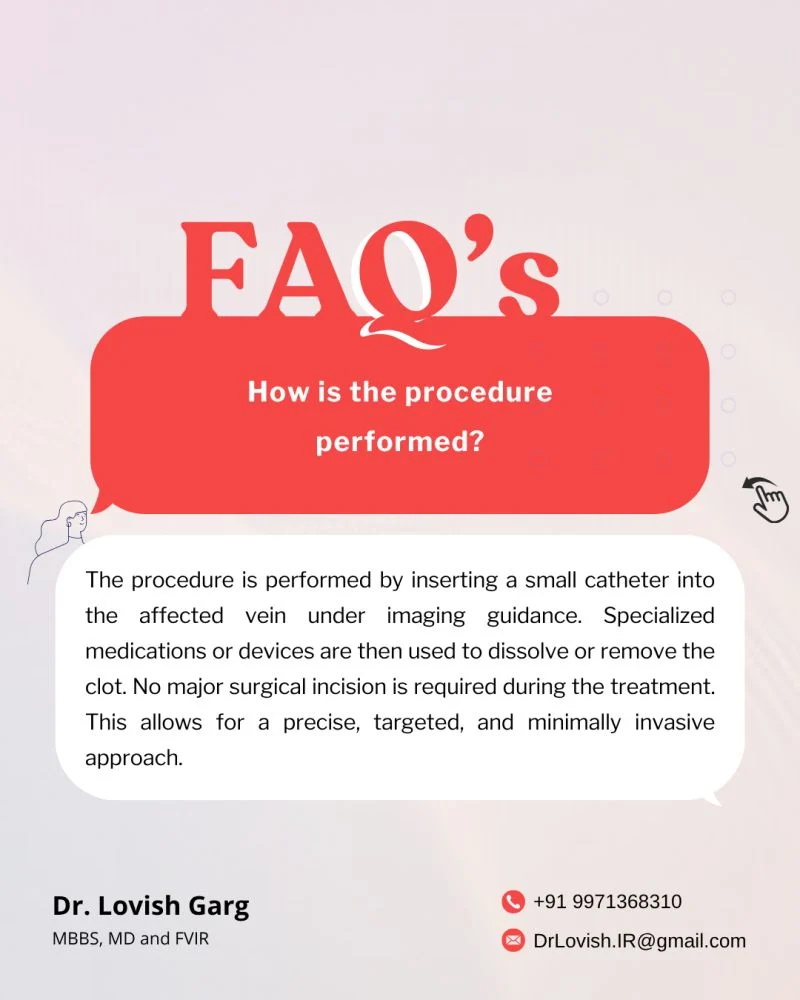
3. How is the procedure performed?
A small catheter is inserted into the affected vein under imaging guidance.
Specialized medications and/or mechanical devices are then used to break down or remove the clot in a precise and targeted manner without major surgery.
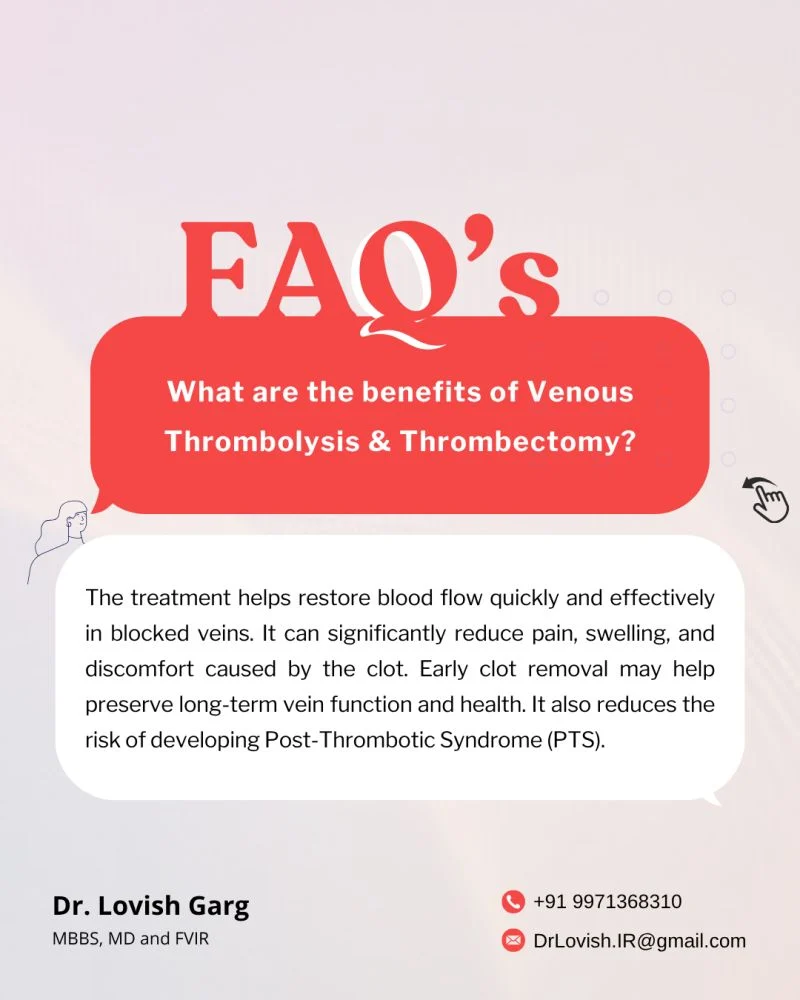
4. What are the benefits of Venous Thrombolysis and Thrombectomy?
These procedures can rapidly restore venous blood flow, relieve symptoms, and improve patient comfort.
Early clot removal may also help preserve long-term vein function and reduce the risk of Post-Thrombotic Syndrome (PTS).
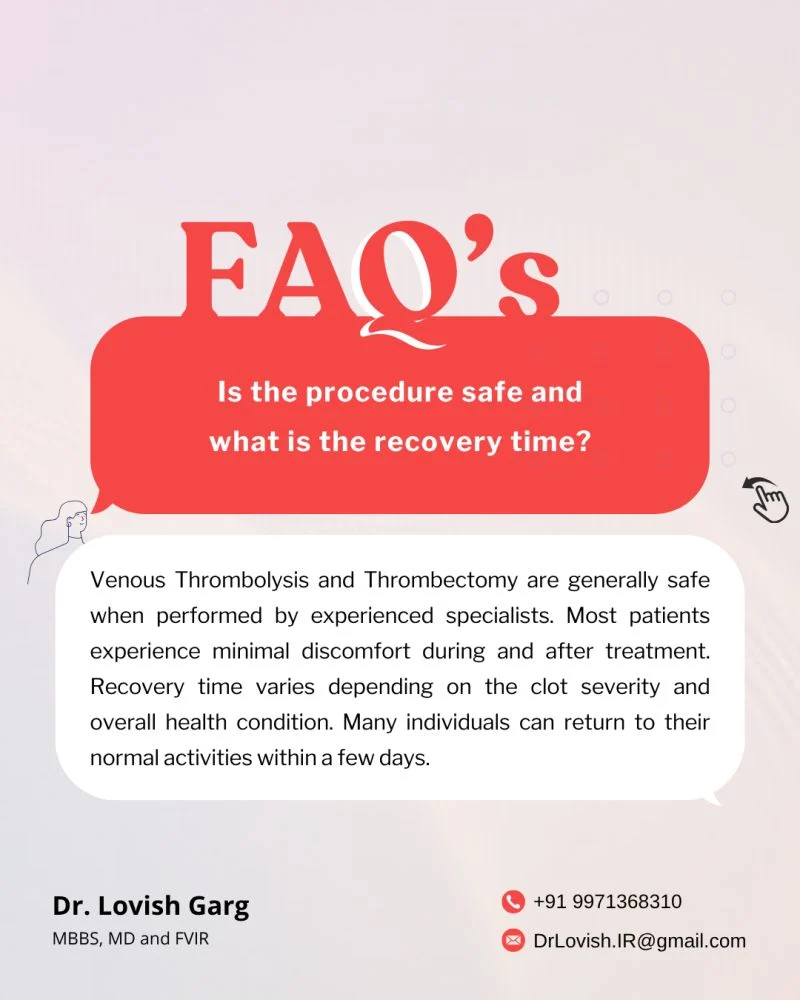
5. Is the procedure safe and what is the recovery time?
When performed by experienced specialists, Venous Thrombolysis and Thrombectomy are generally safe and effective.
Most patients experience minimal discomfort and can resume normal daily activities relatively quickly, depending on the severity of the clot and their overall health.
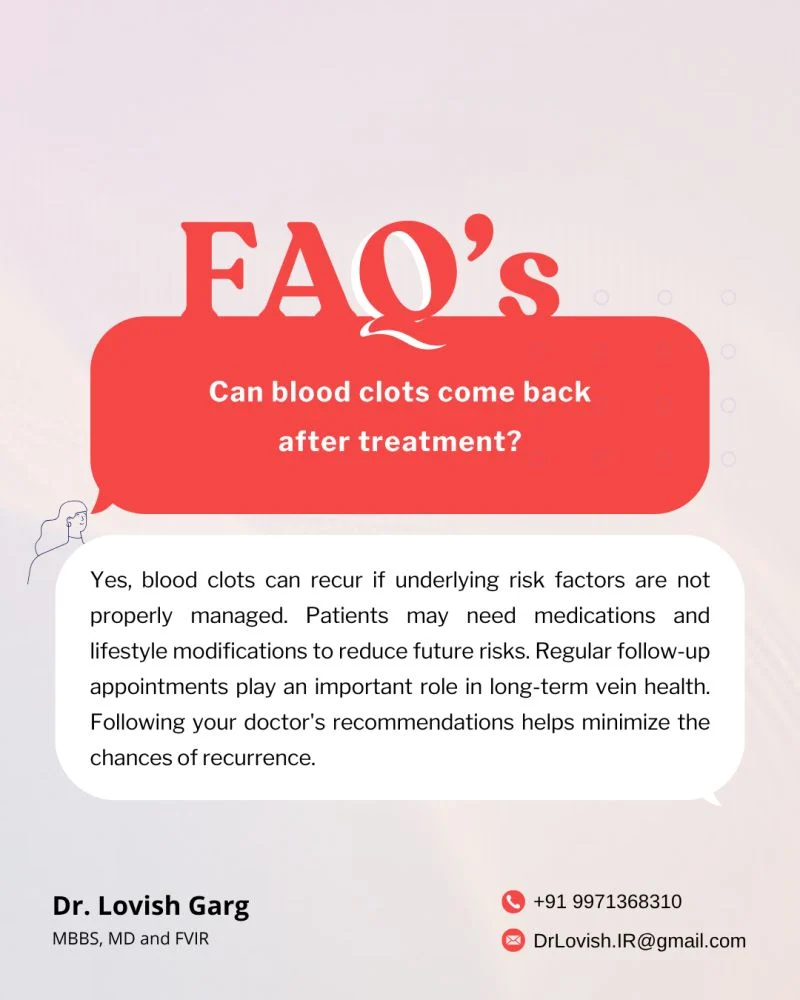
6. Can blood clots recur after treatment?
Yes, recurrence is possible if underlying risk factors remain unaddressed.
Appropriate medications, lifestyle modifications, and regular follow-up play an important role in reducing future clotting risk and maintaining long-term vascular health.
Timely diagnosis and intervention can significantly improve outcomes for patients with venous thrombosis.
Awareness of symptoms and early consultation with a specialist are essential for preventing complications and preserving vein health.”
Stay updated with Hemostasis Today.
-
Sep 20, 2026, 13:29Factor XI Deficiency and the Challenge of Unpredictable Bleeding – EHC
-
Sep 20, 2026, 13:18Cindy Howry: FDA Approves First Treatment for Ataxia-Telangiectasia
-
Sep 20, 2026, 13:08Mohammad Salar Amoli: When Routine Coagulation Tests Miss von Willebrand Disease
-
Sep 20, 2026, 12:55Stelios Andreadis։ Human Salivary Gland Organoids Offer New Potential for Regenerative Medicine
-
Sep 20, 2026, 12:43Obi Light Ogbonnia: The Power of Lived Experience in Sickle Cell Care
-
Sep 20, 2026, 12:34Sabrine Mekni: Advancing HSCT for Children With Fanconi Anemia
-
Sep 20, 2026, 12:11Giacomo Buso: Silent Atherosclerosis Begins Earlier Than Expected
-
Sep 20, 2026, 12:0310 Posts Not to Miss This Week
-
Sep 20, 2026, 11:27Edward Lee Carter: Prasugrel Dosing Matters in P2Y12 Inhibitor Comparisons After PCI