


Alejandro González Veliz: A Coronary Calcium Score of Zero Doesn’t Always Mean Zero Risk
Alejandro González Veliz, Interventional Cardiologist at Institute of Cardiology and Cardiovascular Surgery, shared a post on LinkedIn:
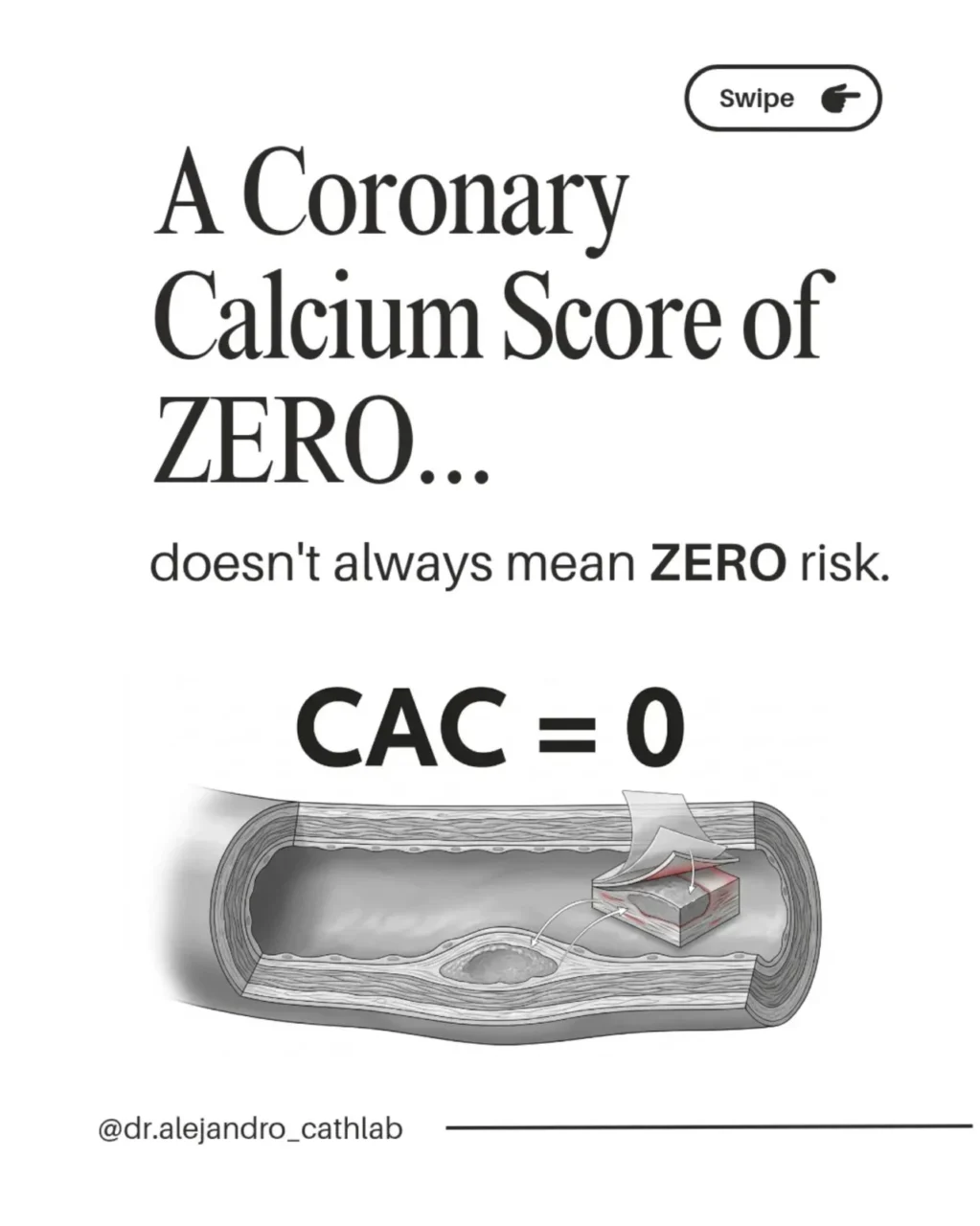
“A Coronary Calcium Score of zero doesn’t always mean zero risk.
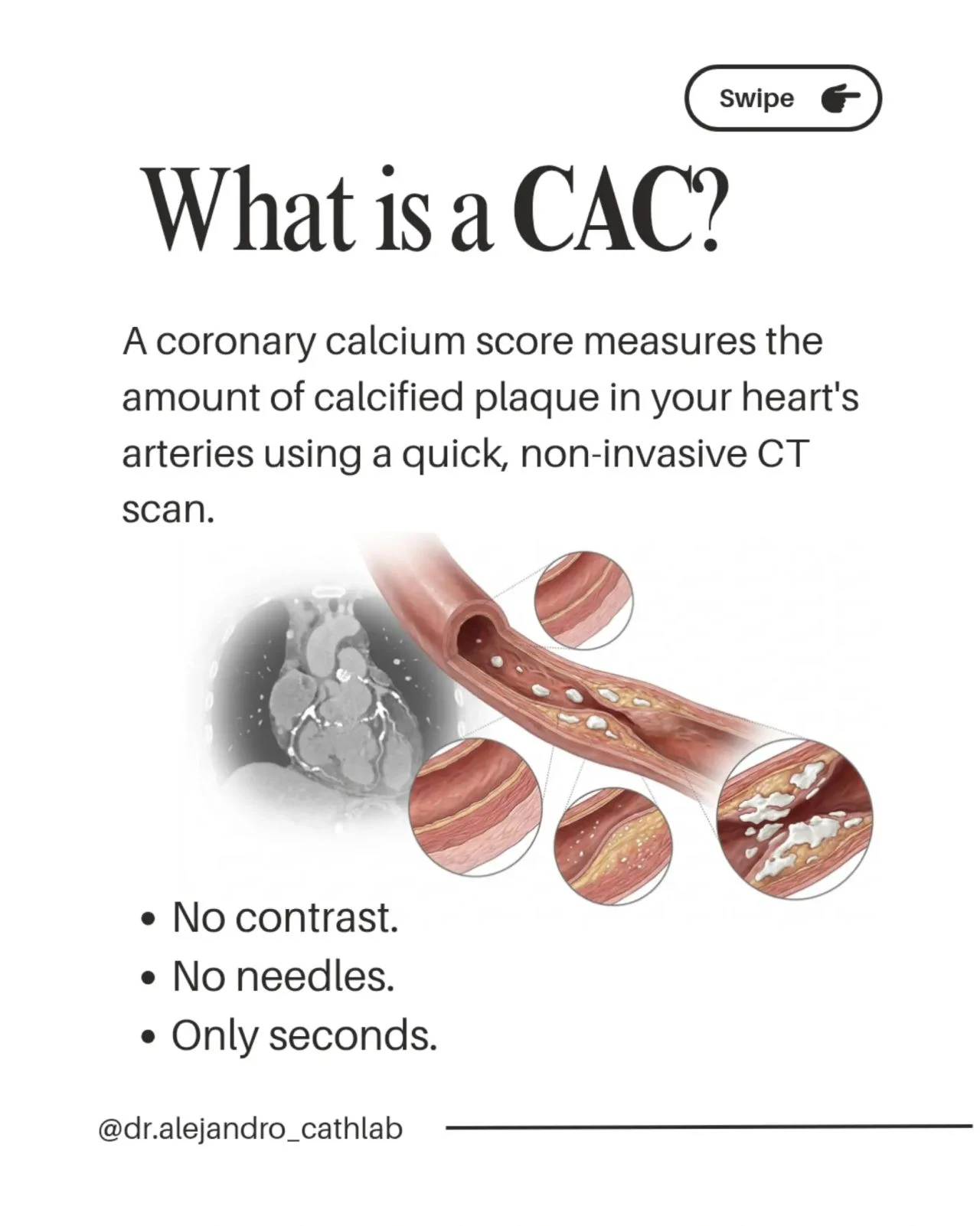
For years, we’ve considered a CAC score of 0 as reassuring—and in most cases, it is.
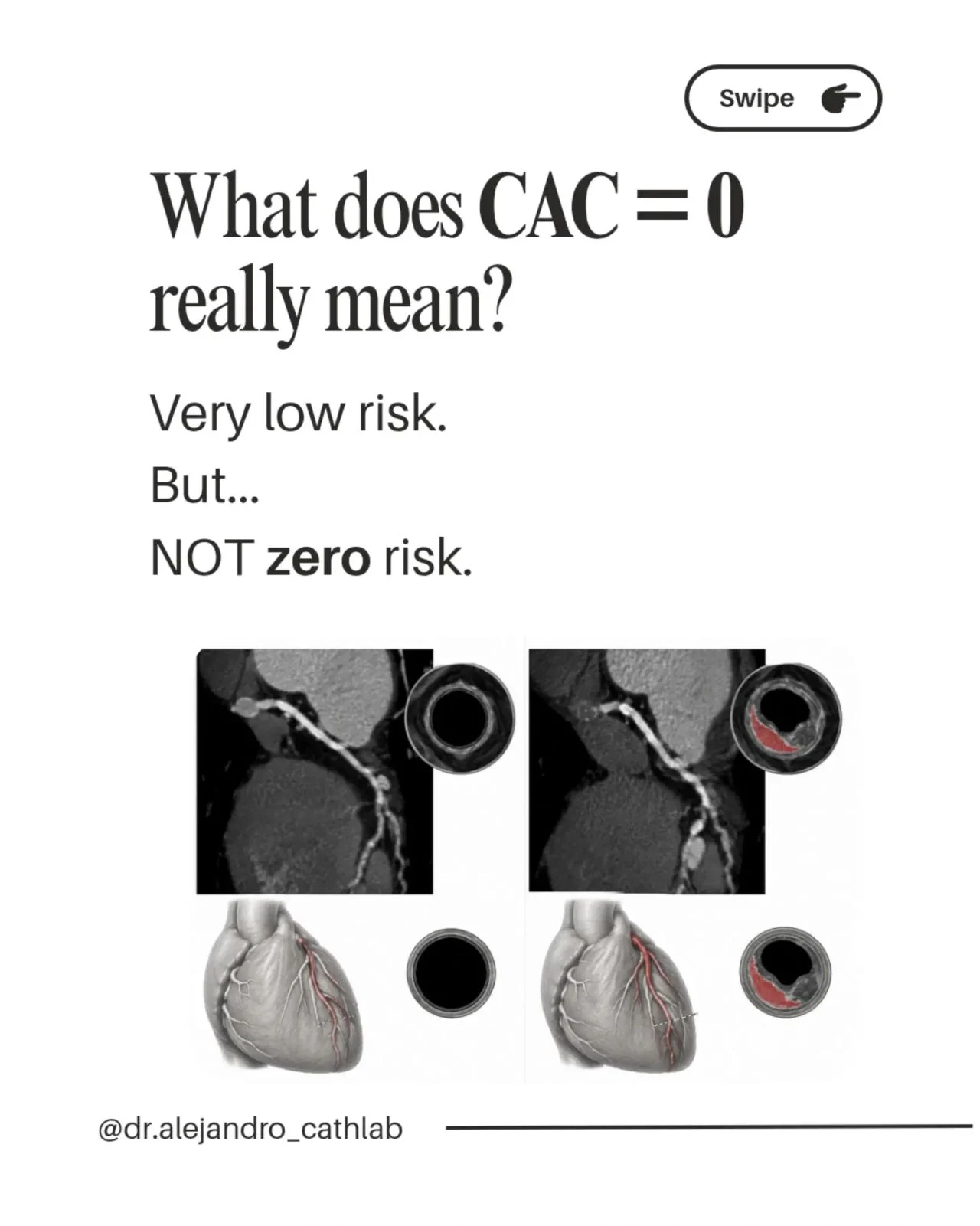
A zero calcium score is associated with a very low risk of cardiovascular events and can help guide preventive therapies.
But here’s the catch:
Calcium is only part of the story.
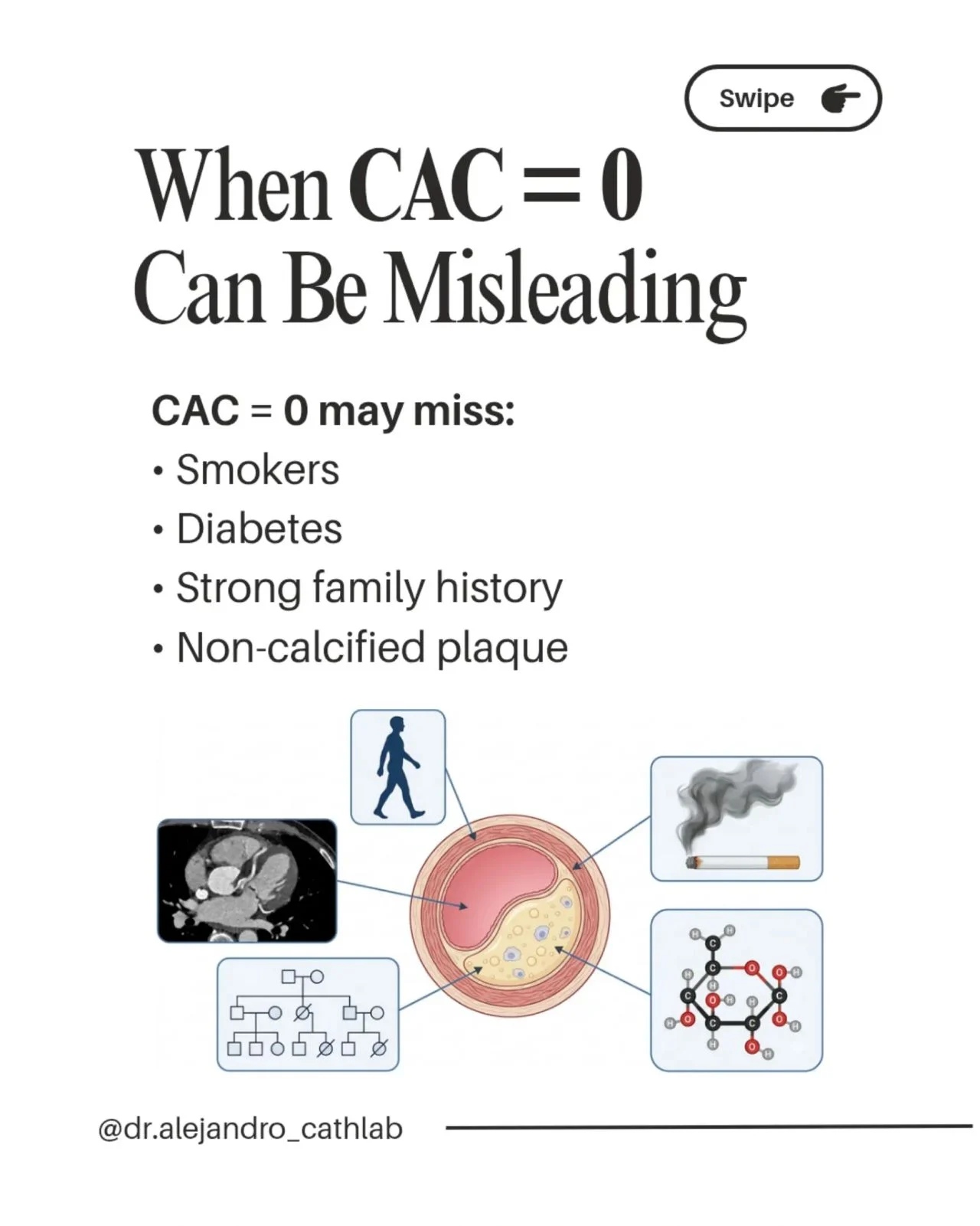
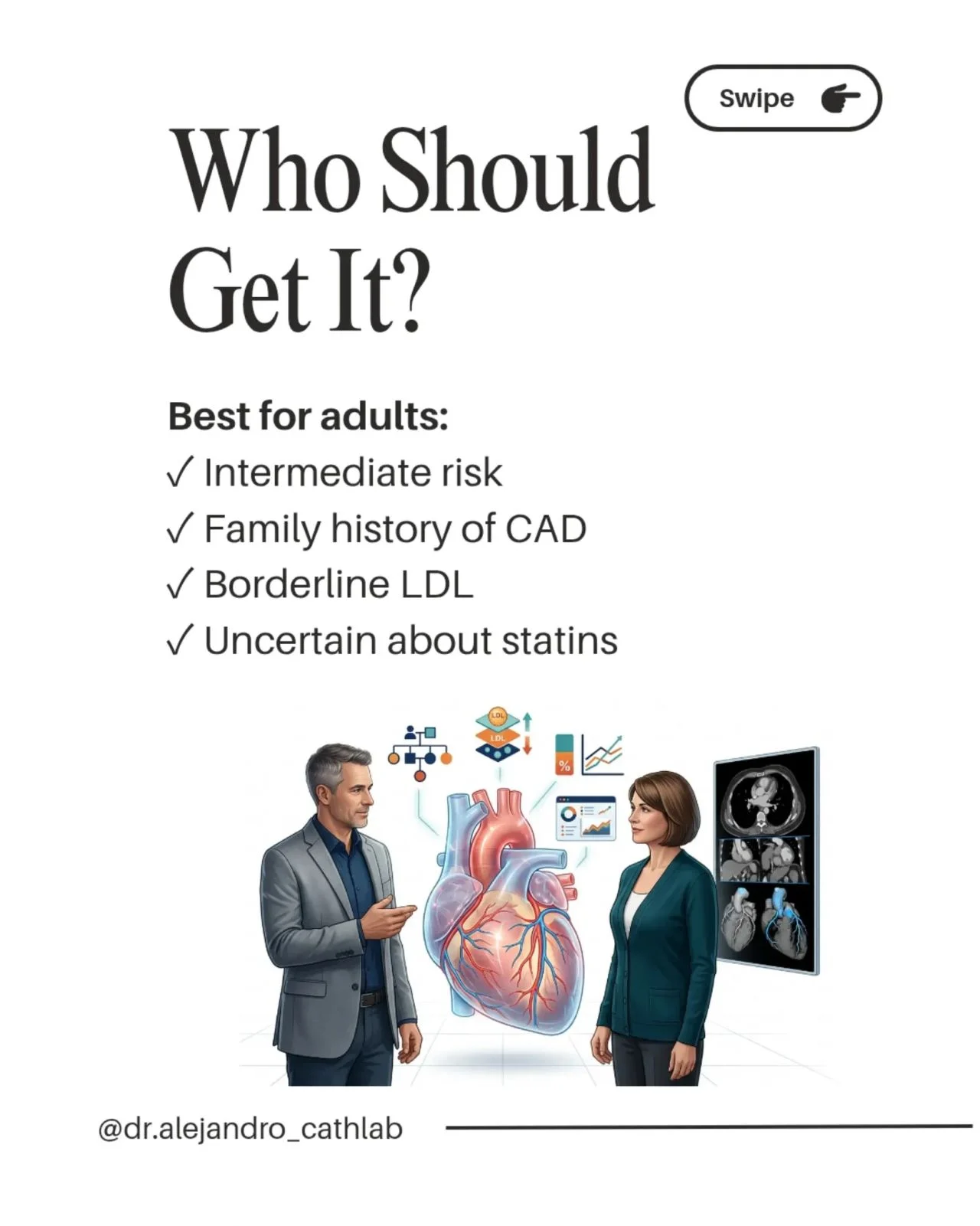
Some patients, especially:
- Younger adults
- Smokers
- Patients with diabetes
- Those with a strong family history of premature CAD
may still have non-calcified plaques that remain invisible to calcium scoring.
In fact, vulnerable soft plaques can exist despite a CAC equals to 0 and may still lead to acute coronary syndromes.
That doesn’t make calcium scoring a bad test.
Quite the opposite.
It remains one of the most powerful and cost-effective tools for cardiovascular risk stratification and shared decision-making.And the future is even more exciting:
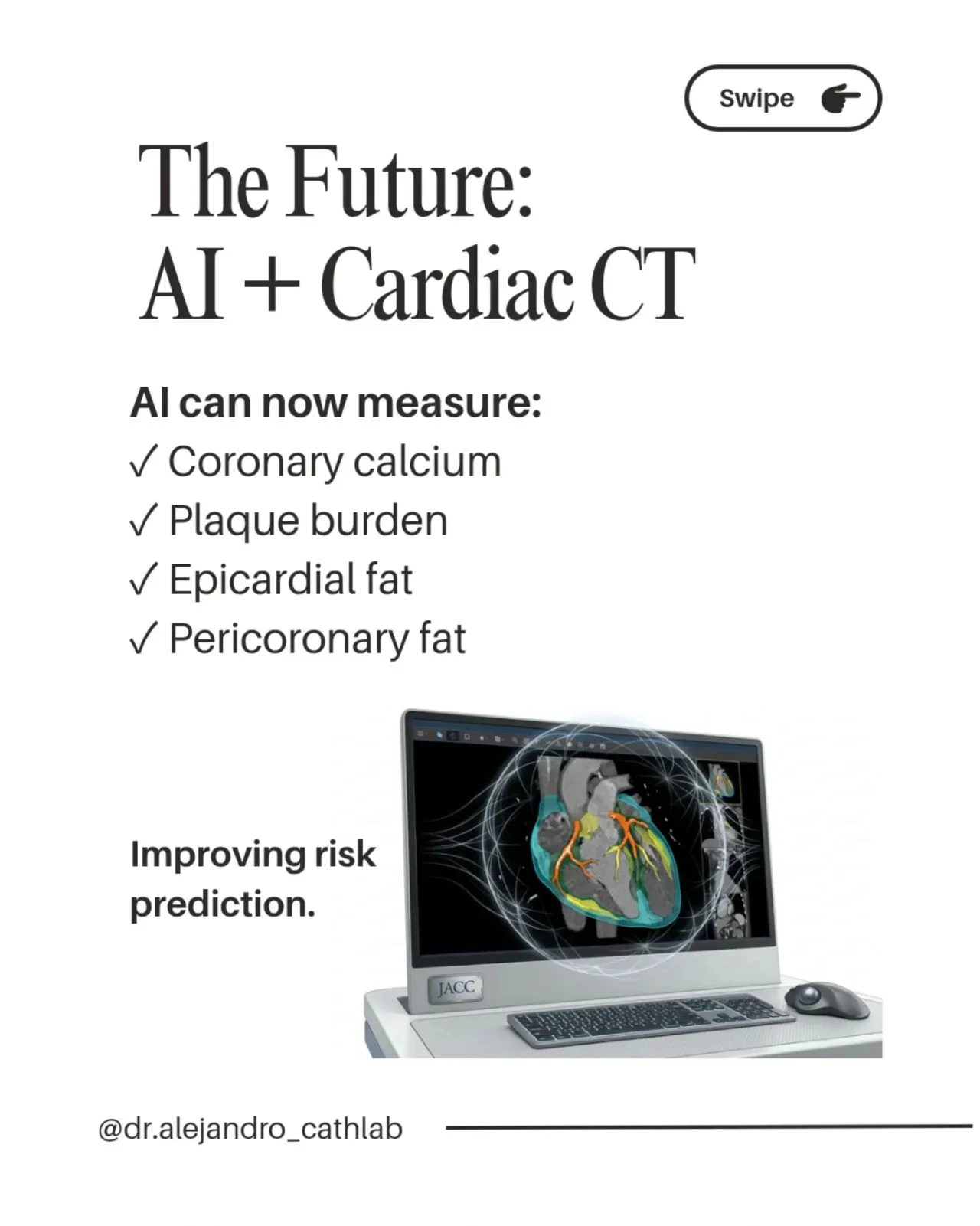
Artificial intelligence is now helping us extract far more information from cardiac CT, including:
- Coronary plaque burden
- Plaque composition
- Epicardial fat
- Pericoronary adipose tissue
- Personalized cardiovascular risk prediction
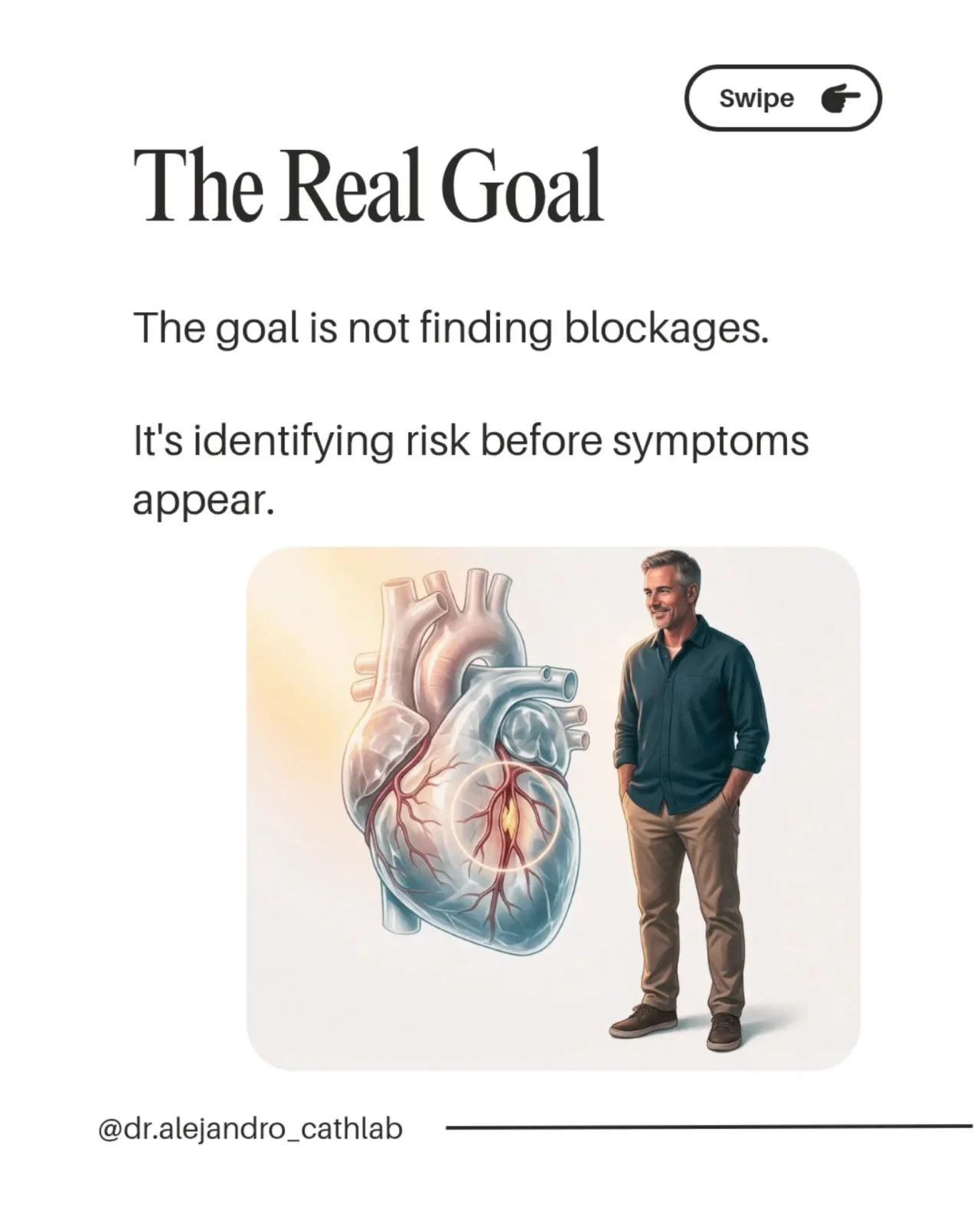
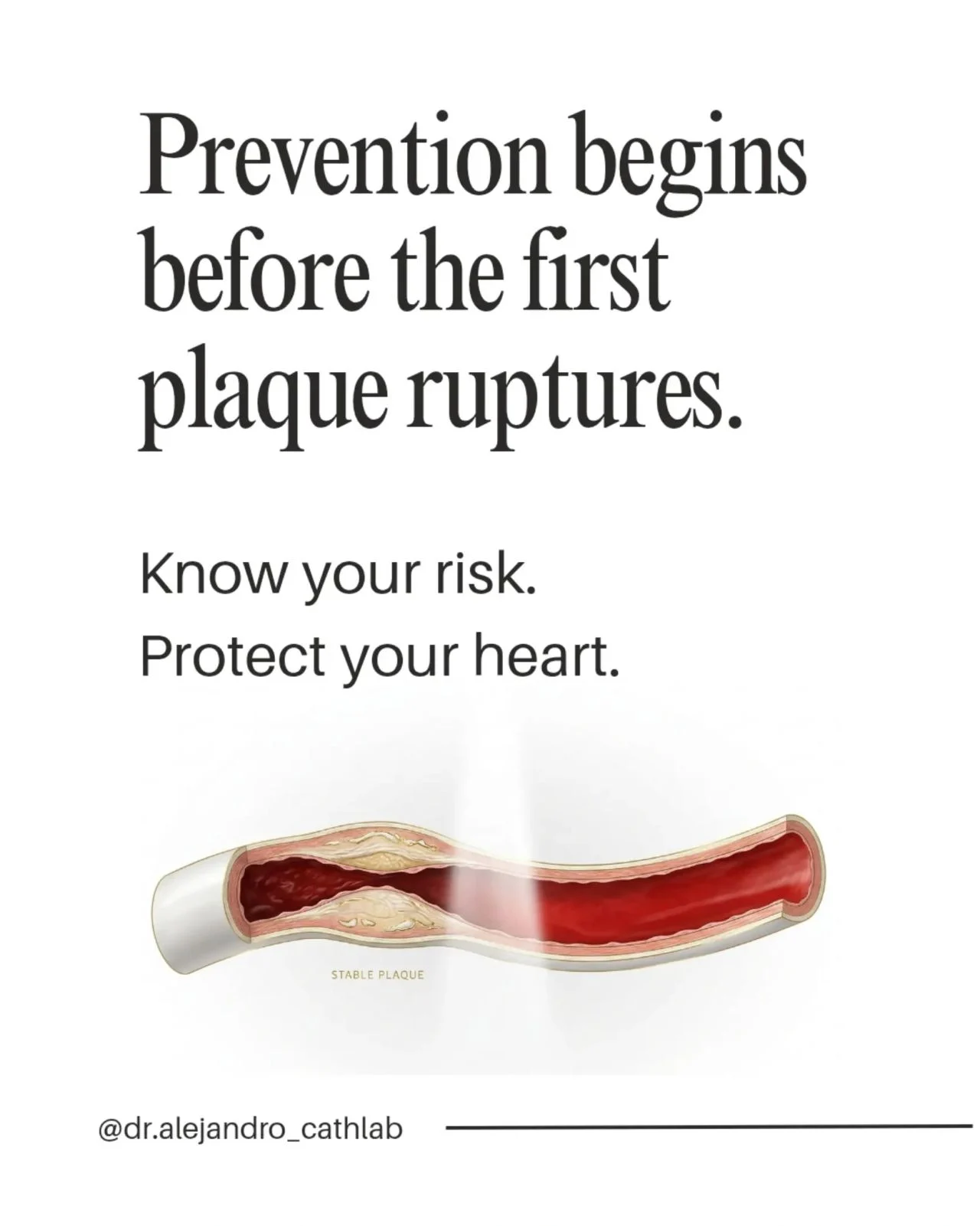
The goal isn’t simply finding the biggest blockage. It’s identifying risk before symptoms appear. Because prevention begins long before the first plaque ruptures.
What do you think?
Should coronary calcium scoring be used more often in clinical practice?”
Other posts featuring Alejandro González Veliz on Hemostasis Today.
-
Sep 14, 2026, 20:53YoonHwa An: Rusfertide in Polycythemia Vera – From Clinical Benefit to Strategic Value
-
Sep 14, 2026, 20:52Andres Alberto Mercado Pompa: External Validation of Prognostic Risk Scores in Cerebral Venous Thrombosis
-
Sep 14, 2026, 20:50Balaji Kirushnan: Advancing Regional Citrate Anticoagulation in CRRT – From Experience to Implementation
-
Sep 14, 2026, 20:48Valerie Dehondt: Nutritional Anemia Is Associated With Increased Risk of Severe COPD Exacerbations
-
Sep 14, 2026, 20:46Nupur Choudhury: Exploring AI-Based Detection of Anemia Using Eye and Fingernail Images
-
Sep 14, 2026, 20:44Shamee Shastry: Chart Before You Chase – Diagnosing Drug-Induced Hemolytic Anemia
-
Sep 14, 2026, 20:43David Reiner: Blood Tests That Can Reveal Nutrition Clues
-
Sep 14, 2026, 20:40Giuseppe Biondi Zoccai: Balancing Thrombosis and Bleeding in Acute MI With Hemophilia A
-
Sep 14, 2026, 20:39Kemal Karaagac: Kounis Syndrome as a Possible Cause of Very Late Stent Thrombosis