

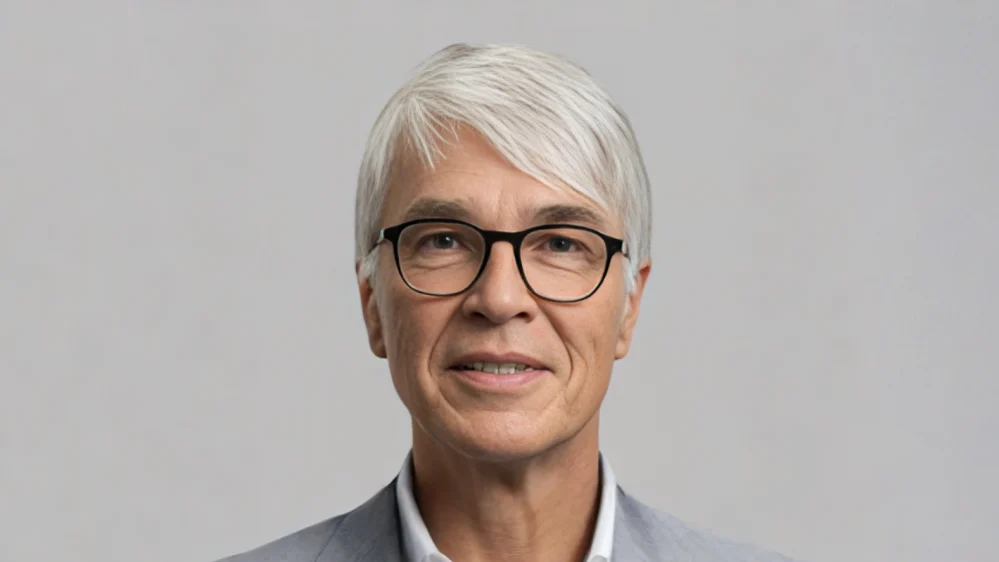
Wolfgang Miesbach: WFH’s First AAV Gene Therapy Chapter Marks a New Era in Hemophilia Care
Wolfgang Miesbach, Professor of Medicine at Frankfurt University Hospital, shared a post on LinkedIn:
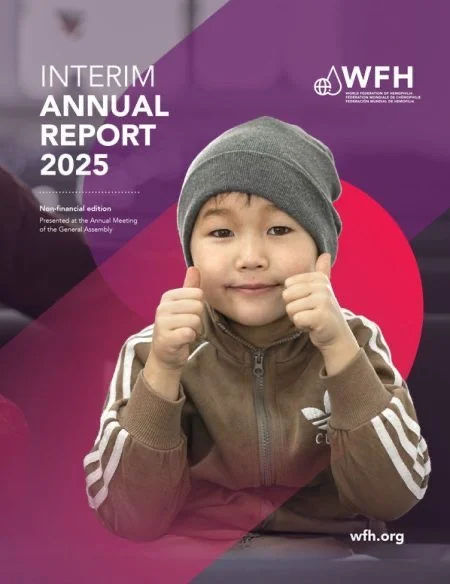
”Treatment for ALL: Diagnosis is rising — but the gap remains vast.
Haemophilia diagnoses climbed to approximately 290,000 (from around 245,000 in 2020) and VWD to around 115,000.
Yet two-thirds of people with haemophilia, and most with VWD (approximately 1 in 1,000), are still undiagnosed.
Humanitarian aid scaled past its target. 34,747 people have now been treated through the programme, including 4,000 children reaching prophylaxis.
The registry became usable.
Past its 10,000-registration target, the new WBDR Data Dashboard lets HTCs and researchers actually interrogate the data — by type, severity, age, and region.
The WFH published its first AAV gene therapy guideline chapter, alongside a shift to a Living Guidelines Model that updates as evidence emerges.
For a field moving this fast, that shift may matter as much as the recommendations themselves.
Behind every number is the WFH‘s core mission: working with NMOs, treatment centres, and healthcare providers worldwide to bring diagnosis and care to everyone with an inherited bleeding disorder — Treatment for ALL.”
Stay updated with Hemostasis Today.
-
Sep 25, 2026, 12:53Bastu Odoka: What Happened to Blood Donation?
-
Sep 25, 2026, 12:43Thomas Dayspring: Reshaping the Biology of Atherosclerotic Plaques with New Therapies
-
Sep 25, 2026, 12:14Garima Sharma: Community Clinical Linkages for Better Postpartum Cardiovascular Care
-
Sep 25, 2026, 10:49Shefina S: From Presenting to Hosting at TRANSCON 2026
-
Sep 25, 2026, 10:37Michelle Leona Cecil: Hemophilia Advocacy and the Power of Community
-
Sep 25, 2026, 10:13Michael Baria: Platelet Concentration and PRP Outcomes in Partial Rotator Cuff Tears
-
Sep 25, 2026, 09:49Haley Coleman: Volunteering to Support Hemophilia Awareness
-
Sep 25, 2026, 08:55Hitarth Mehta: BHMS Students Gain Practical Exposure to Haemophilia Diagnosis
-
Sep 25, 2026, 07:25Varun Capoor: How Therapeutic Apheresis and Transfusion Medicine Can Complement Clinical Management in SCD