


Lee Peter Bee: The Plastic in Your Blood Is Sabotaging Your Stem Cells
Lee Peter Bee, Business Owner at Interim HealthCare of St Charles, shared a post on LinkedIn about a recent article by Mohan Wang et al., published in Toxic, adding:
“The Plastic in Your Blood Is Sabotaging Your Stem Cells
New Research Reveals How Microplastics Hijack the Very Cells That Build Your Body
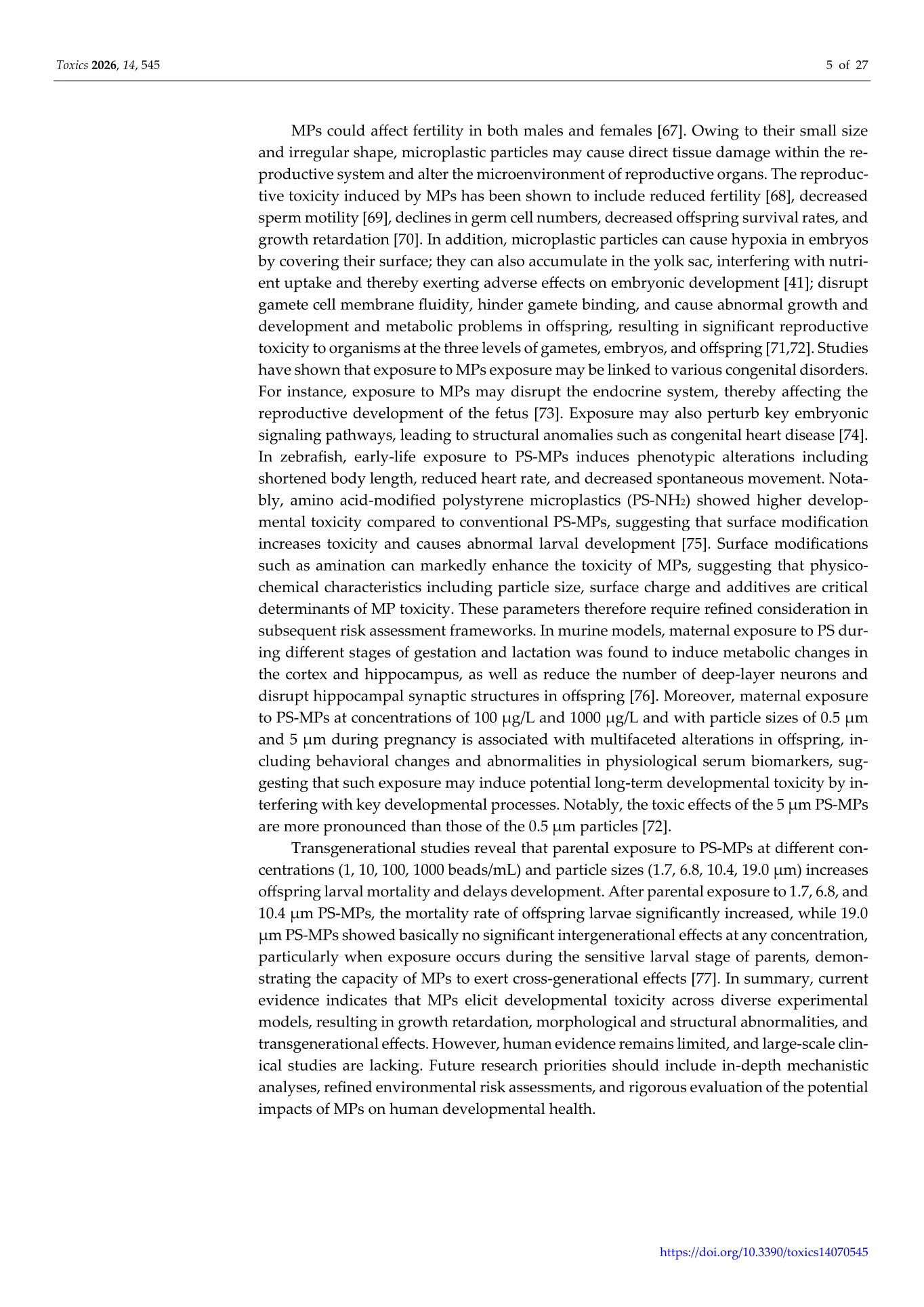
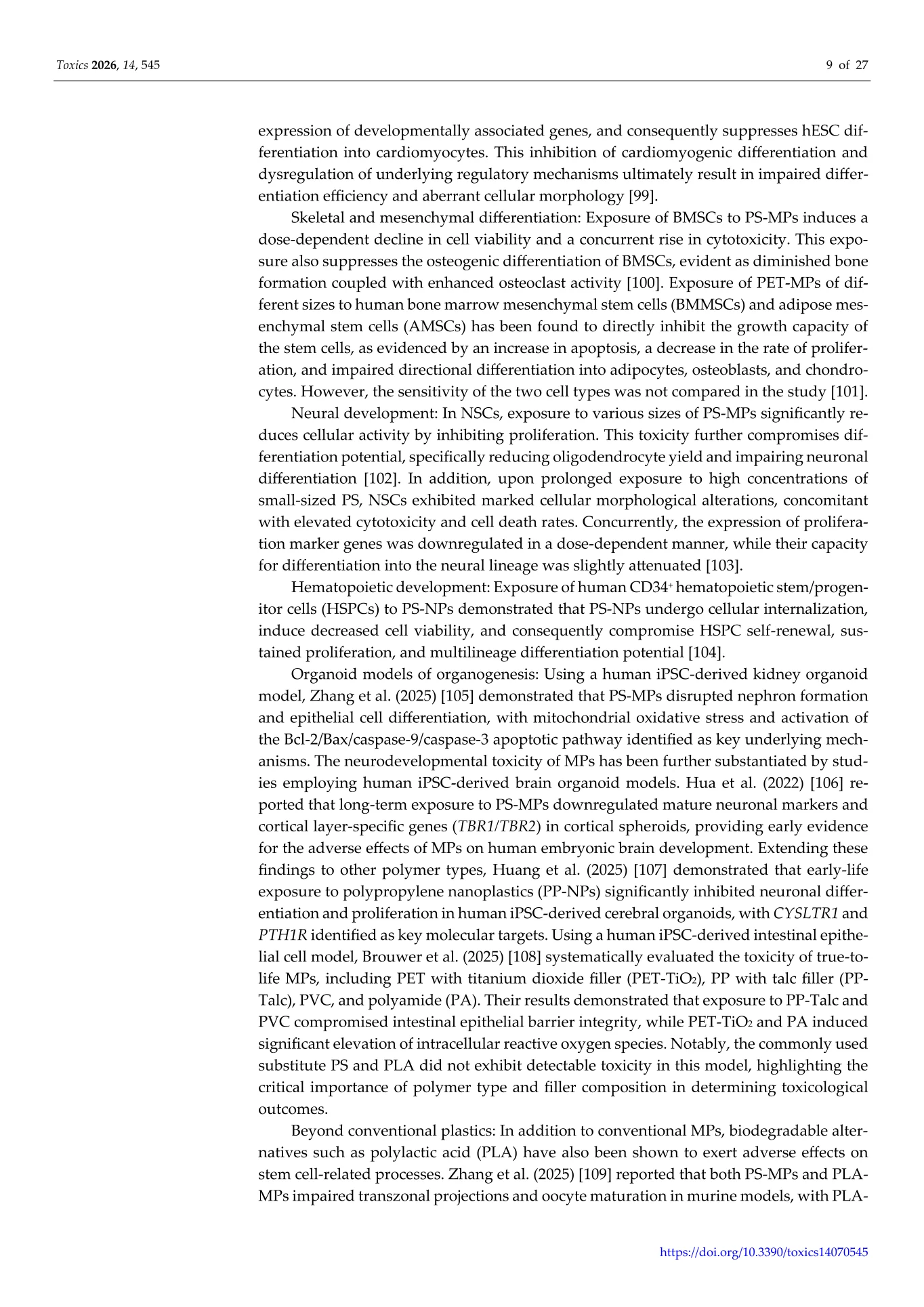
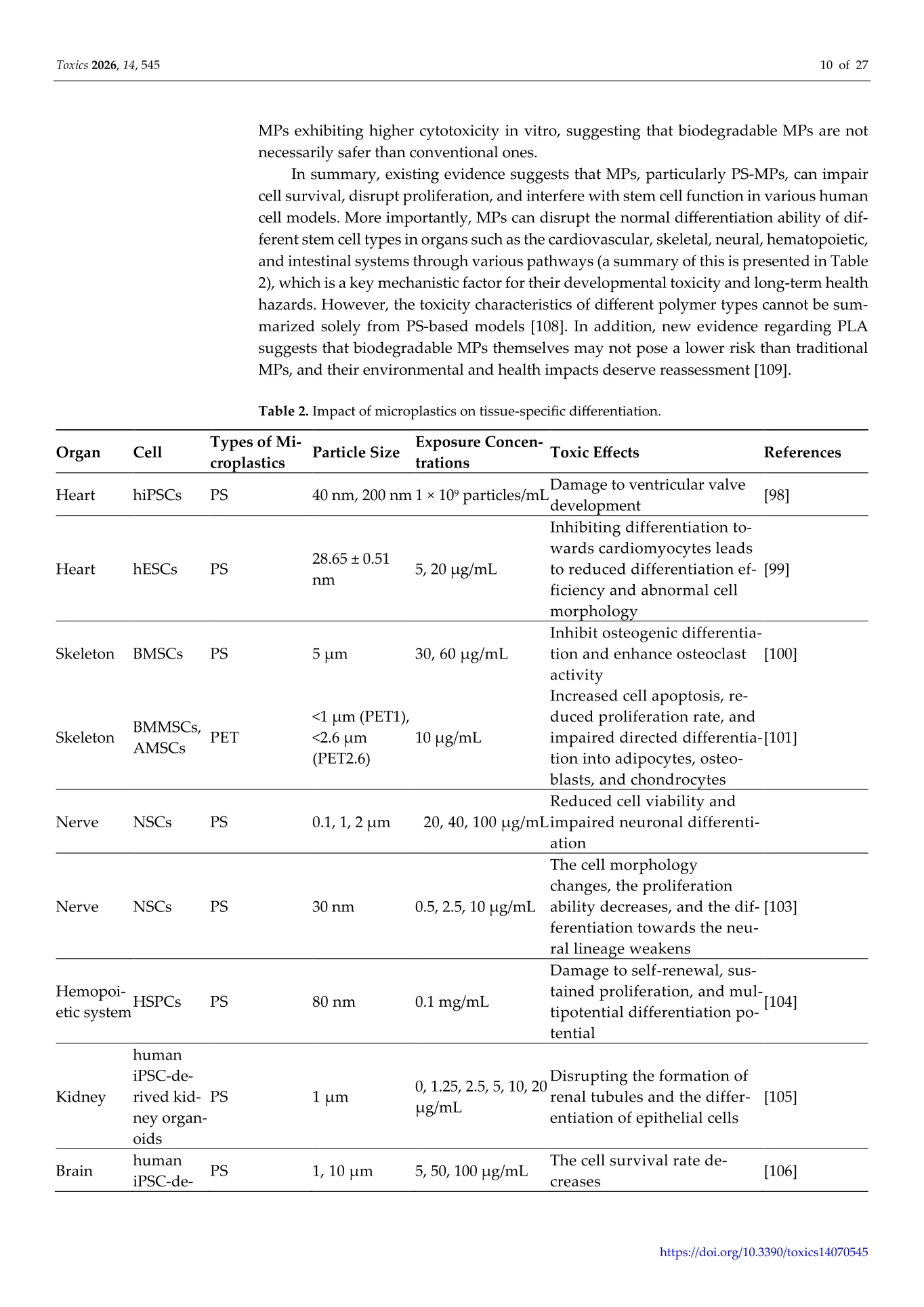
A groundbreaking review published in Toxics delivers a chilling revelation: microplastics are systematically disrupting stem cells—the master builders of your body—potentially compromising development, tissue repair, and long-term health.
The research synthesizes evidence showing that these pervasive pollutants don’t just accumulate in organs; they actively impair self-renewal, block tissue-specific differentiation, and trigger cell death across multiple stem cell types.
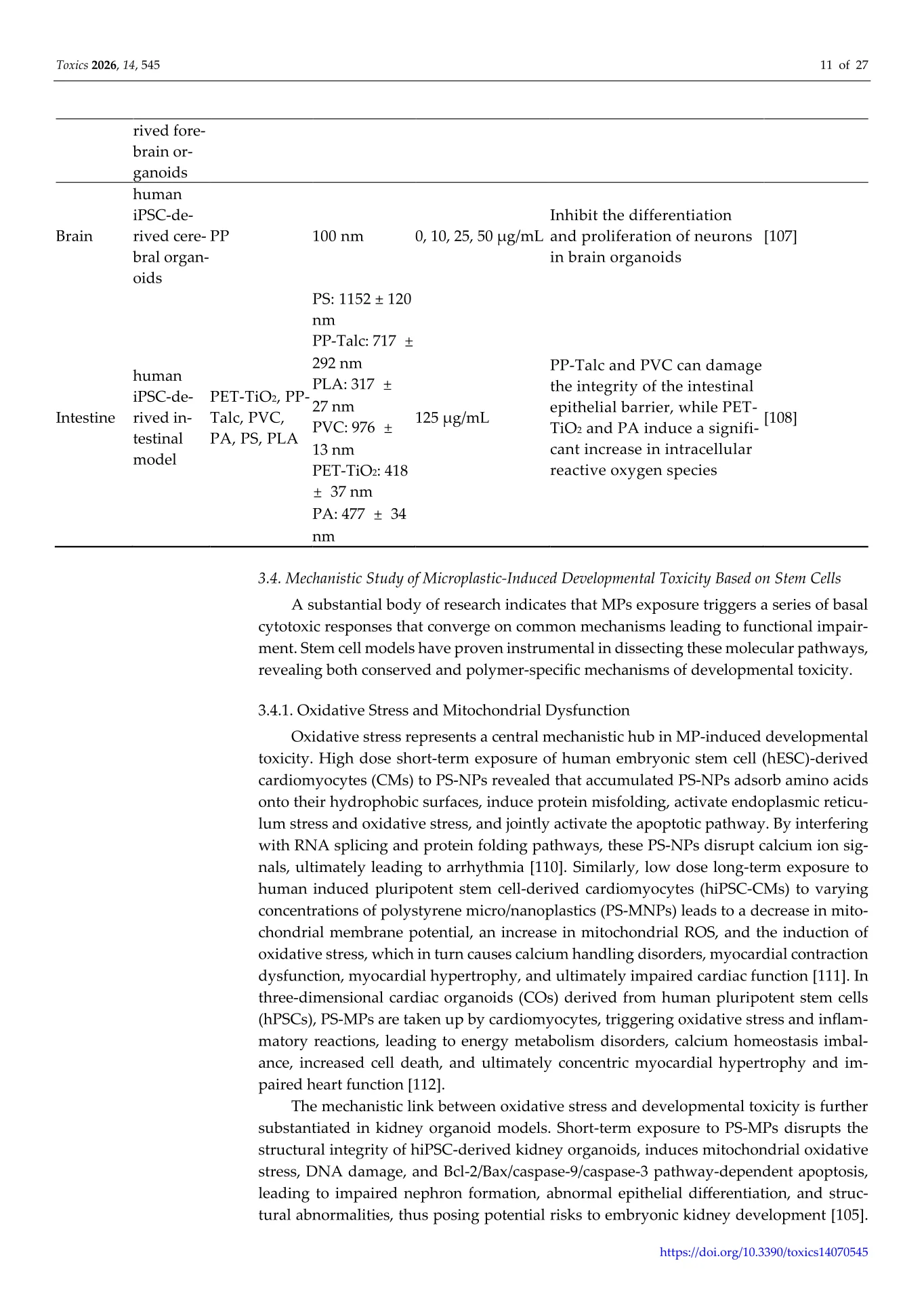
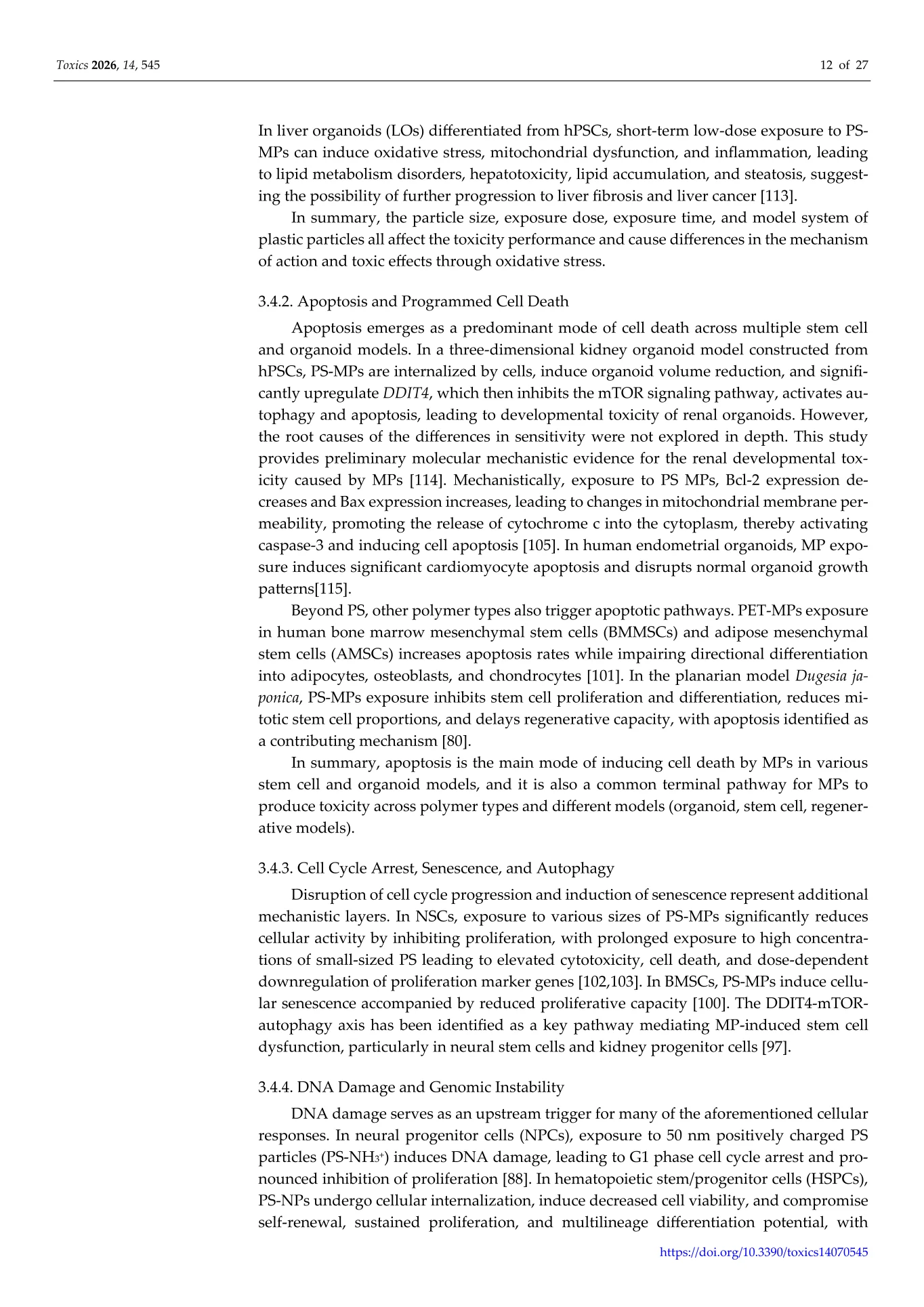
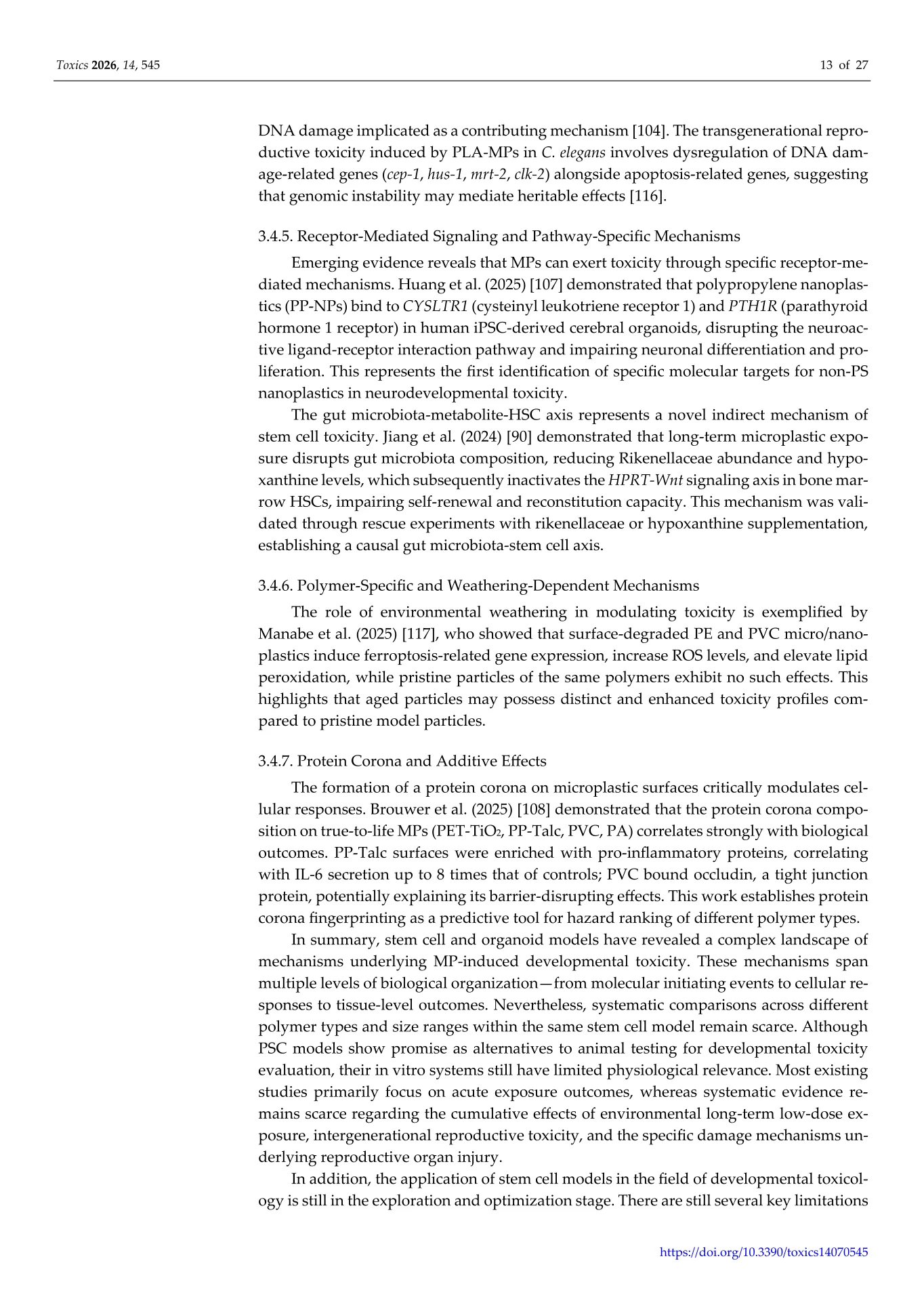
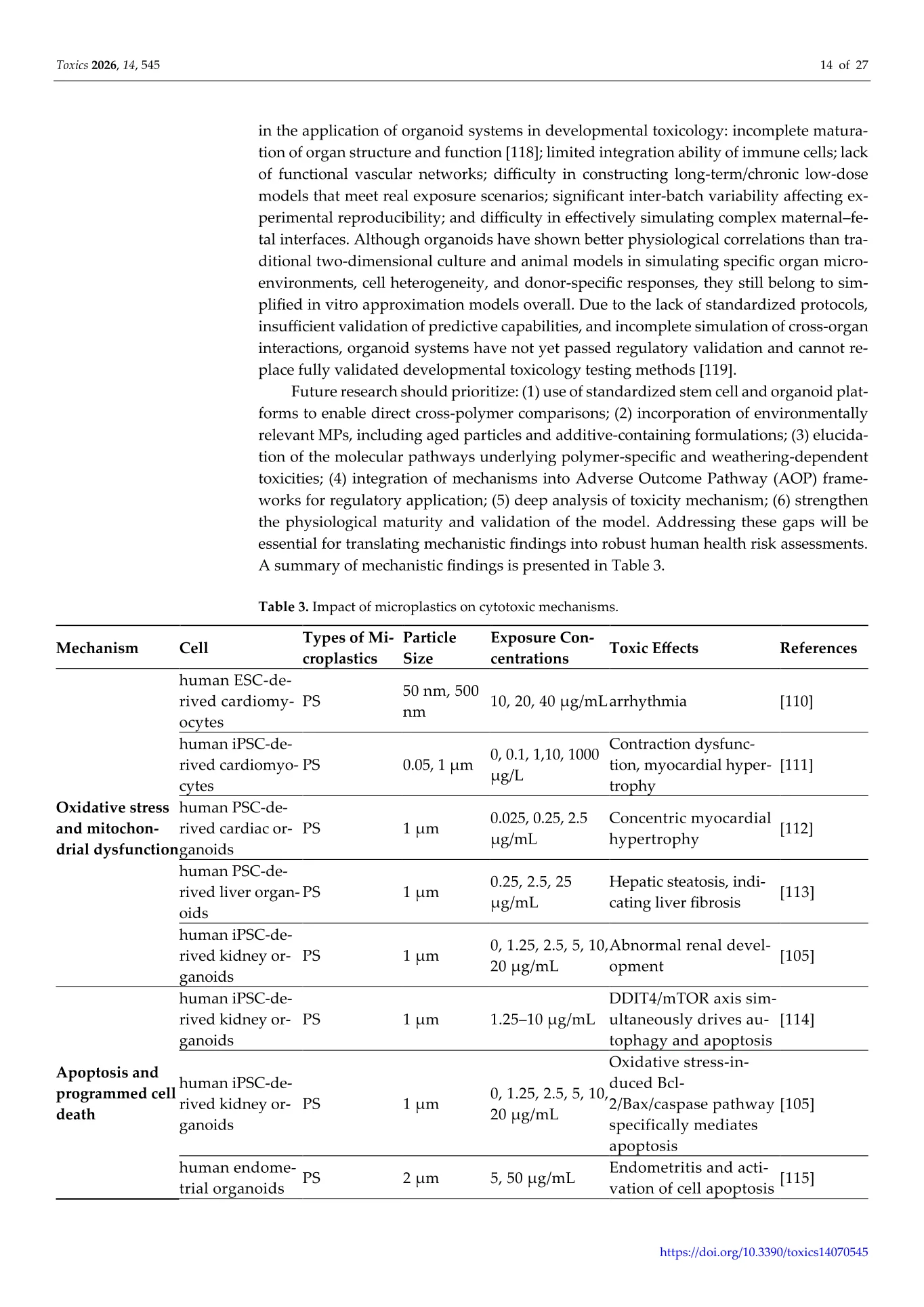
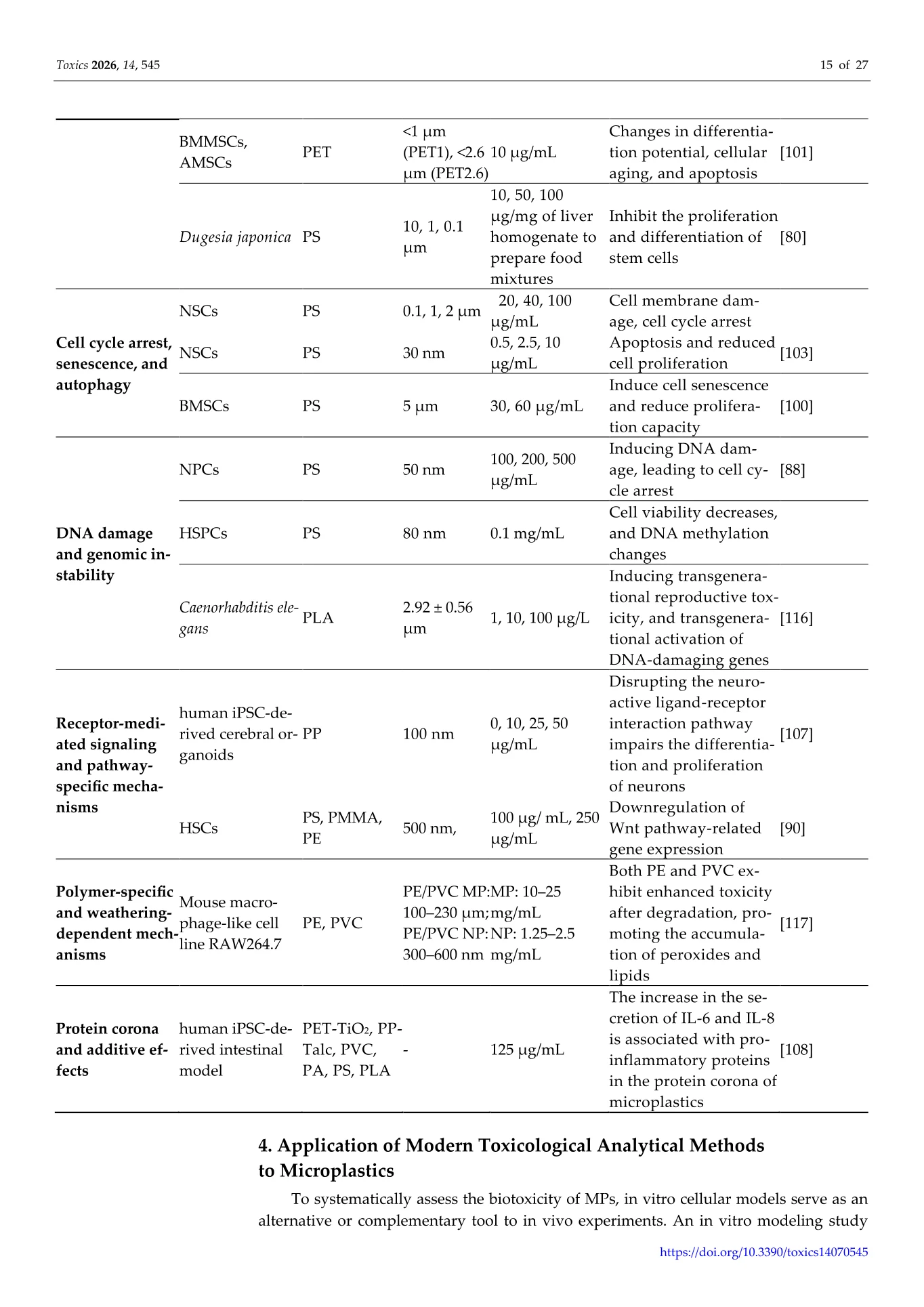
The study reveals alarming mechanisms: oxidative stress and mitochondrial dysfunction in cardiac stem cells lead to arrhythmias and hypertrophy; DNA damage and cell cycle arrest in neural progenitor cells impair brain development; and apoptosis pathways in kidney organoids disrupt nephron formation.
Perhaps most concerning, the research demonstrates that microplastics cross the placental barrier, accumulate in fetal tissues, and may cause transgenerational effects—meaning the damage could echo across generations. The review also highlights that nanoplastics (less than 100 nm) exhibit enhanced biological penetration compared to their larger counterparts, potentially amplifying toxicity.
The authors highlight a critical limitation: most studies use (Polystyrenes) PS-MPs (Microplastics) at concentrations 156 times higher than real-world human blood levels, and rely on uniform spherical particles that don’t reflect environmental heterogeneity.
While emerging evidence shows that biodegradable plastics like PLA (Polylactic Acids) aren’t necessarily safer, systematic comparisons across polymer types remain scarce.
‘The toxicity characteristics of different polymer types cannot be summarized solely from PS-based models… biodegradable MPs themselves may not pose a lower risk than traditional MPs.’
This review underscores an urgent need for standardized stem cell and organoid platforms, environmentally relevant exposure models, and integrated multi-omics approaches.
As microplastics become ubiquitous in human tissues—blood, placenta, breast milk, bone marrow, and even semen—understanding their impact on stem cell biology is no longer optional.
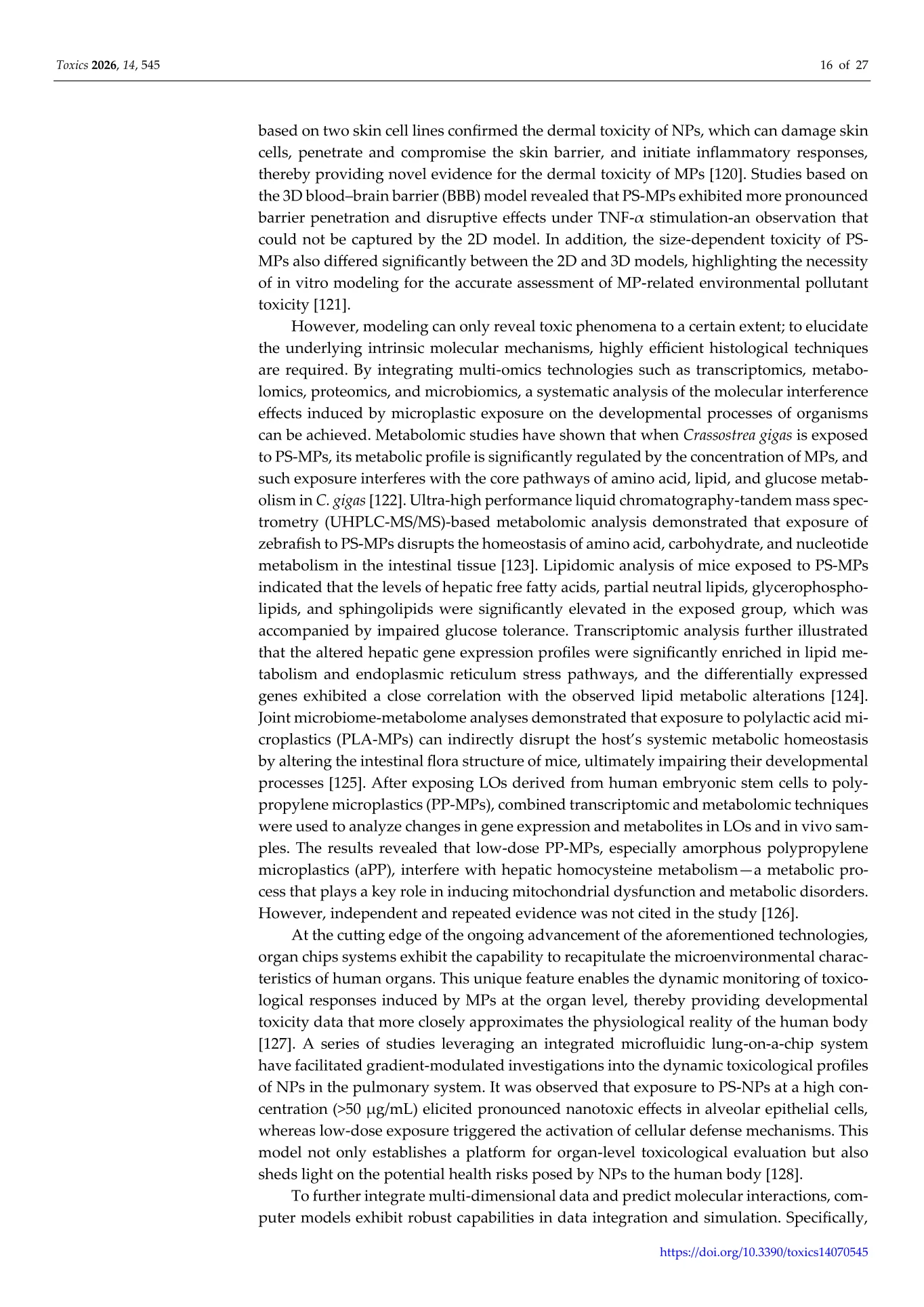
The authors call for next-generation risk assessment frameworks that combine organoid technology, organ-on-a-chip systems, and computational modeling to predict developmental toxicity without animal testing.
Your body’s repair system may be under silent attack from the plastics you consume every day.”
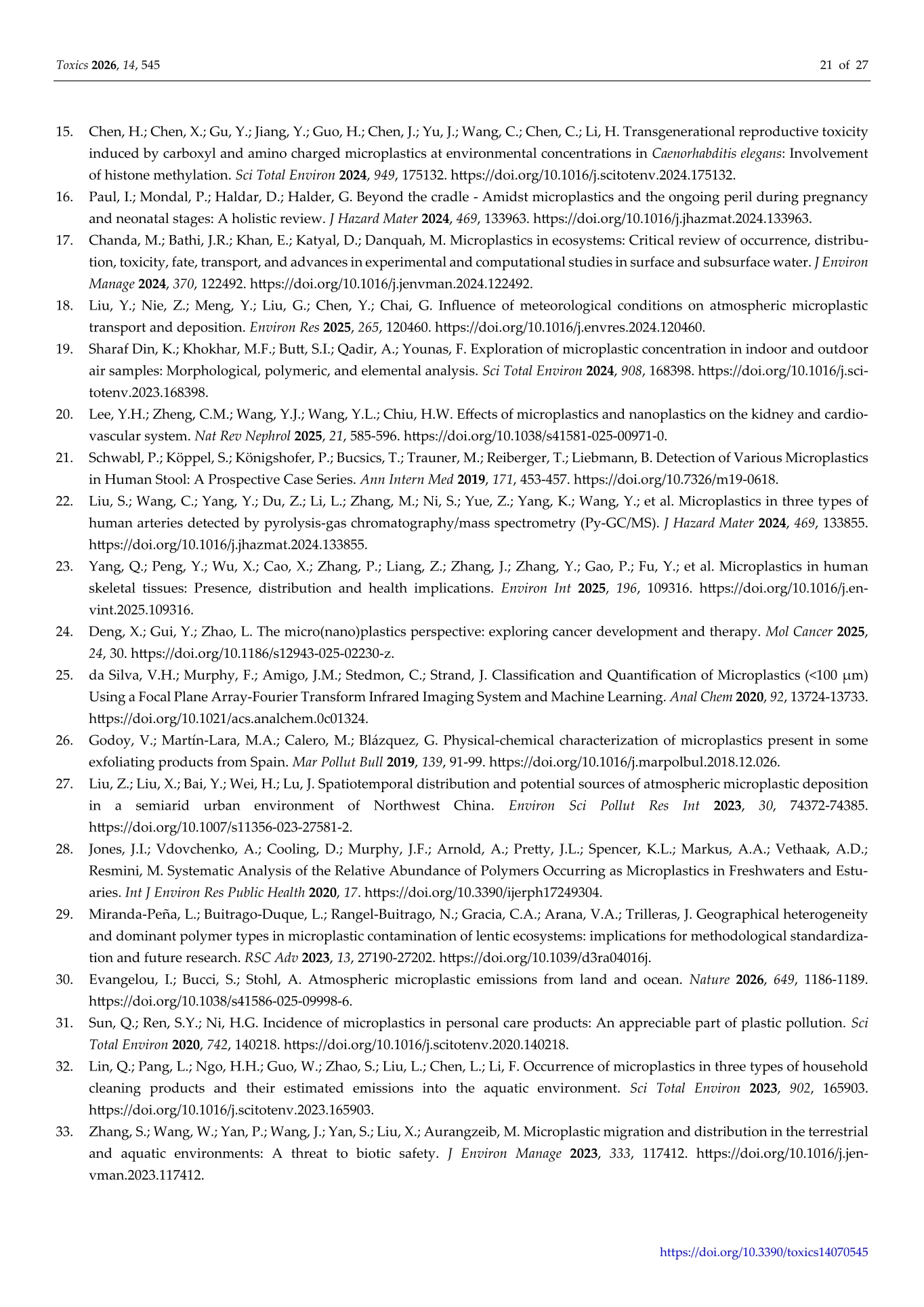
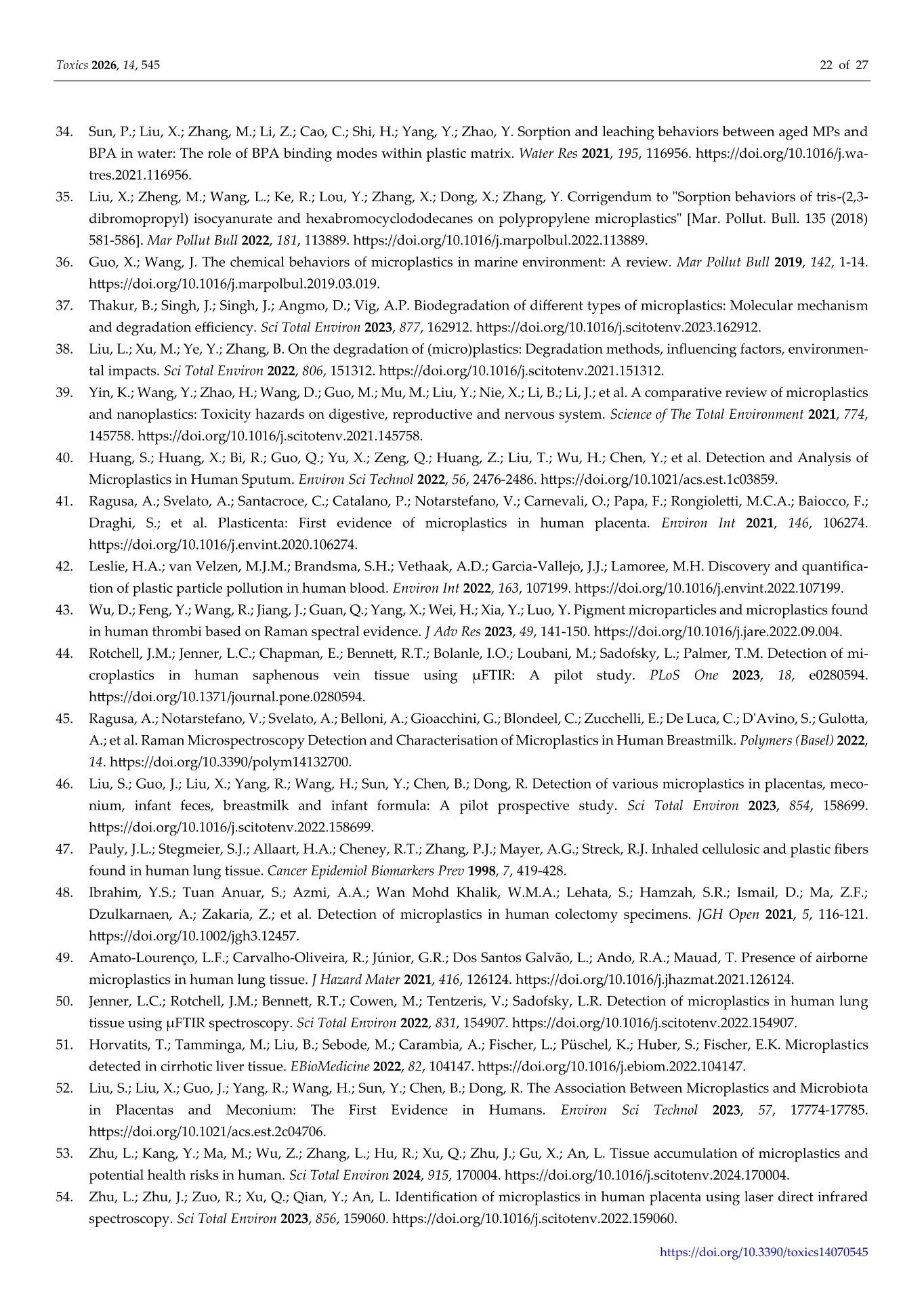
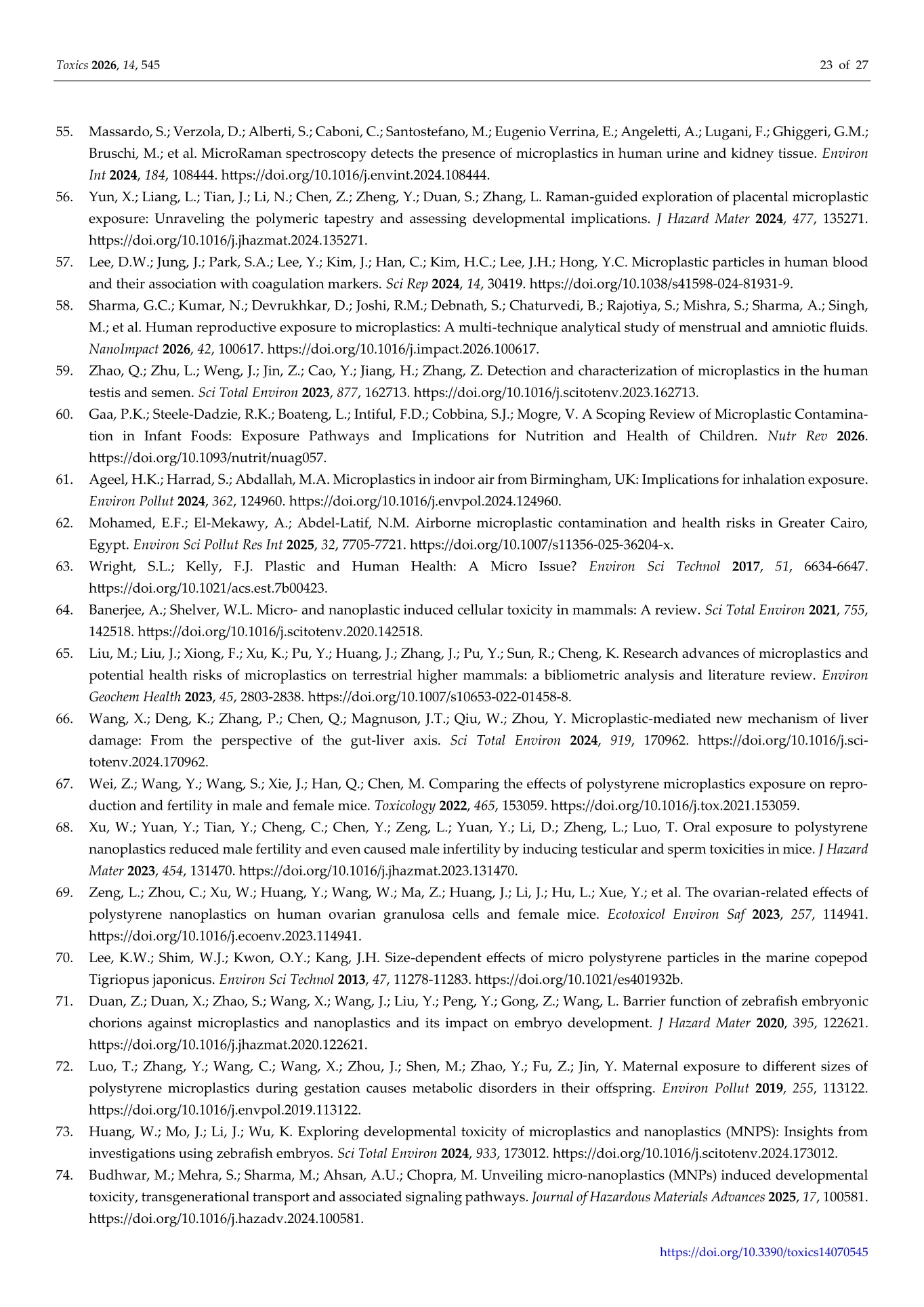
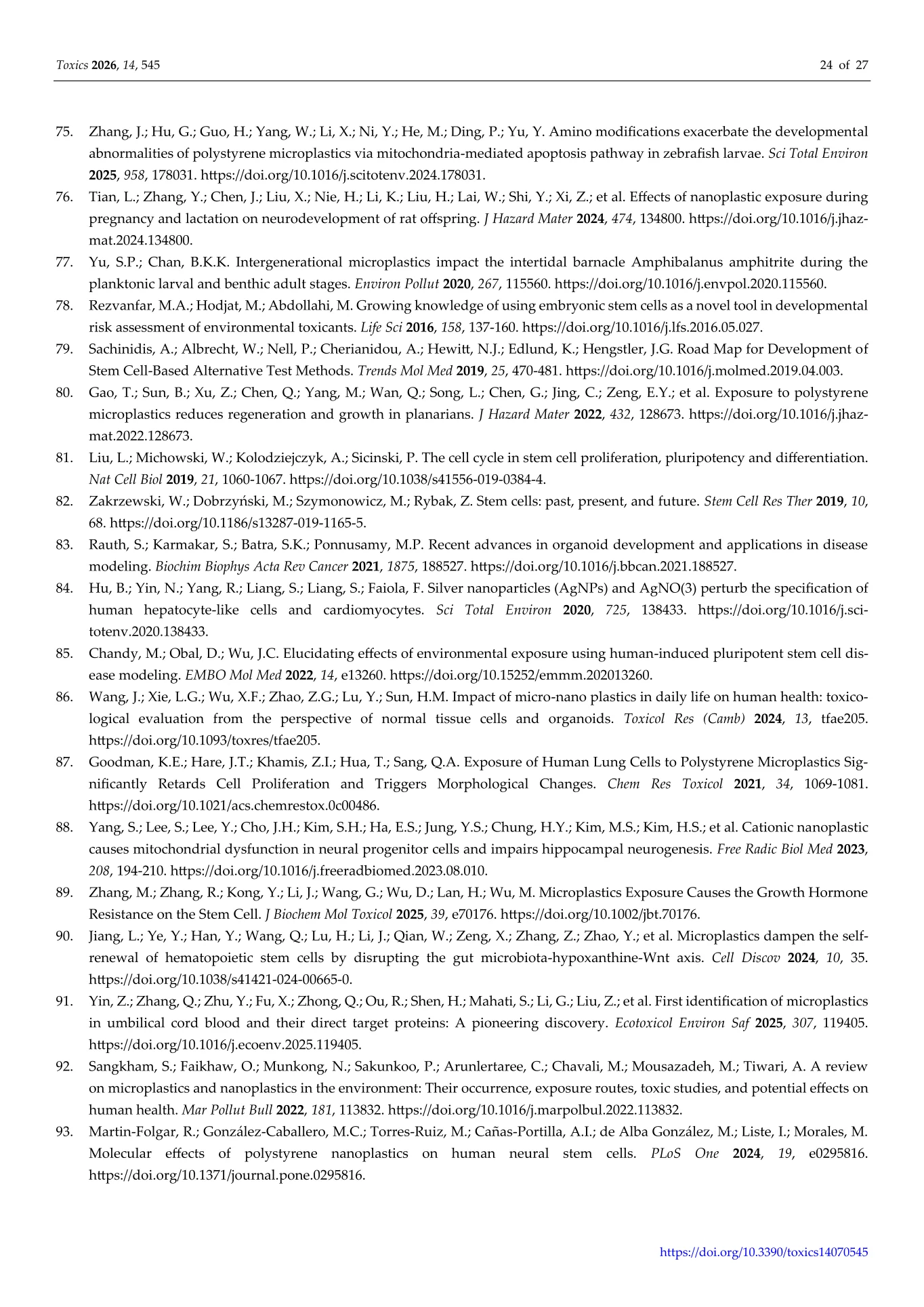
Title: Applications of Stem Cells and Modern Toxicological Analytical Methods in the Toxicity of Microplastics
Authors: Mohan Wang, Dilixiati Wubuli, Mulati Julaiti, Pengfei Huang, Jinghui Xie, Bowen Hu
Stay updated on all scientific advances with Hemostasis Today.
-
Oct 8, 2026, 16:38Beverley Hunt: Advancing Pulmonary Embolism Care Through Collaboration And Learning
-
Oct 8, 2026, 16:19Cedric Hermans: Six Webinars Advancing Haemophilia Care And Beyond
-
Oct 8, 2026, 16:09Luana Banu: Every Donation Connects A Human Chain
-
Oct 8, 2026, 15:51Khaled Musallam: A New Era In Thalassemia Care
-
Oct 8, 2026, 15:40Juan J. Ortiz։ Catheter Directed Therapy In Pulmonary Embolism
-
Oct 8, 2026, 15:34Petros Kountouris: Geostatistical Modelling Maps Global β-Thalassaemia Carrier Prevalence
-
Oct 8, 2026, 15:14Renzo Mancuso: Human Stem Cell Model Reveals Progenitor Fate in Tissue Macrophages
-
Oct 8, 2026, 15:01Yogesh Kumar Jain: The Gift Of Life Through Blood Donation
-
Oct 8, 2026, 14:49Christoph B. Olivier: DOACs Gain Ground in Post-MI Left Ventricular Thrombus Management