


Paul Kariuki: Why Altruism Isn’t Enough to Save Kenya’s Blood System
Paul Kariuki, Founder at Comms for Health Africa Consultancy, shared on LinkedIn:
“We do not have a blood donor problem.
We have a donor experience optimisation problem.
We do not have a willingness-to-donate problem.
We have a capacity-to-make-the-system-work problem.
We do not have a shortage of altruism.
We have a shortage of fiscal and systemic will to make the blood system work.
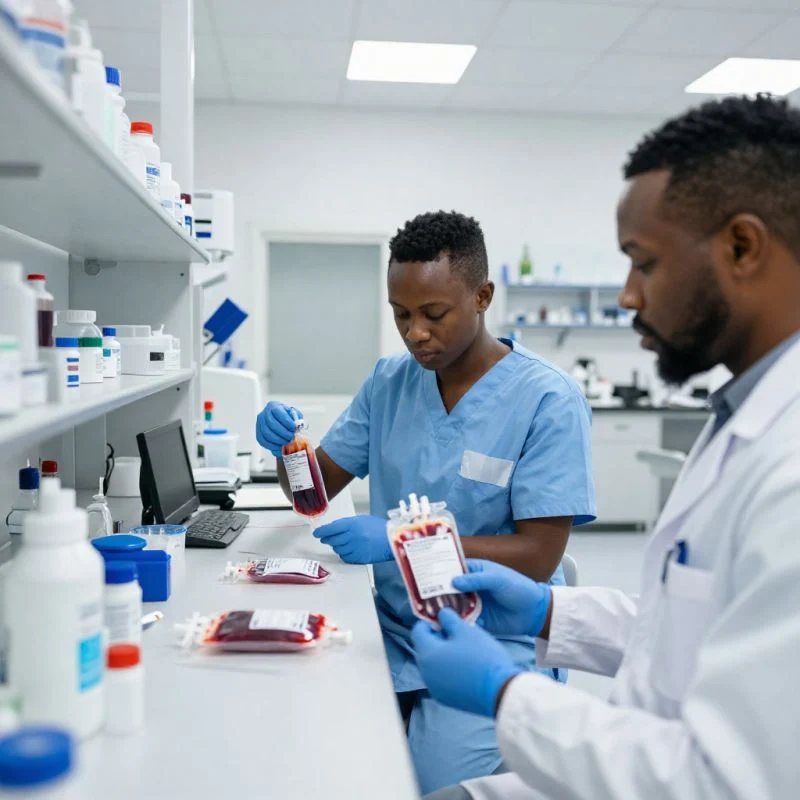
Beyond blood donor mobilisation and collection, we must think about every other component that keeps the system running.
Over the past financial year, different regions have experienced outages of reagents.
Our Ministry of Health, Kenya is structured such that all pharmaceuticals and non-pharmaceutical products are procured by Kenya Medical Supplies Authority and then distributed to different departments and divisions.
One of the key elements in the blood ecosystem is reagent kits.
These are necessary for blood safety because blood is considered both a medicine and a bio-safety product.
Blood donated cannot simply be transfused.
Even if we were to collect enough units of blood today to meet total demand, it still would not be enough if we were unable to process and distribute it to the patients in need.
To address this, we must focus on four key areas:
- Local Solutions: We must find local solutions to mitigate these procurement, logistics, and processing challenges.
- Fiscal Support: We must identify sustainable fiscal support to fill the gap, especially in Kenya, occasioned by the underfunding of the blood service.
- Regional Learning: We must look to other jurisdictions, especially other countries in Africa, that have a firm grip on the logistics and procurement issues surrounding reagents.
- Stakeholder Collaboration: We must collaborate across the sector to ensure that these shortages do not recur in the new financial year 2026–2027.
What is your experience with the National Blood Service?
How is your country performing in terms of timely and sustainable access to reagents?”
Stay updated with Hemostasis Today.
-
Oct 6, 2026, 22:43Alessandra Bosch: Pediatric GTH Opens with Regional Experts Convening on Pediatric Hemostasis and Thrombosis
-
Oct 6, 2026, 22:39Managing Thrombotic Risk in Pregnancy – How the Lab May Help – Sysmex Europe
-
Oct 6, 2026, 22:33Ahmet Davut Aksu: A Multi-Objective Approach to Enhance Fibrinolysis, Selectivity, and Inhibition Resistance
-
Oct 6, 2026, 22:29Muhammad Abubakar: New Study on Iron Biology to Be Presented at ASH 2026 and Published in Blood
-
Oct 6, 2026, 22:24David McIntosh: Calling On Decision-Makers to Prioritize Donors and Clinical Access During IPAW 2026
-
Oct 6, 2026, 22:21Zoltan Nagy: With All Eyes on Optogenetics Today, What Can It Do in Megakaryocytes and Platelets?
-
Oct 6, 2026, 22:13Khalid A. Fakhro: Sidra Medicine Hosts RAPID 2026 Advancing Diagnostics and Treatments for Inborn Errors of Immunity
-
Oct 6, 2026, 22:04Denis Oduor: Preparedness for Postpartum Haemorrhage Must Include Preparedness for Blood
-
Oct 6, 2026, 21:57Farhad Moradpour: Health Equity and Public Health – What Drives Anemia Disparities in Ethnic Minority Populations?